




Menu

Basement Waterproofing Guide for Jacksonville Homes – Protect Your Foundation from Florida's Unique Climate Risks

Comprehensive basement sealing techniques and foundation waterproofing methods designed specifically for Jacksonville's high water table, sandy soils, and subtropical rainfall patterns that threaten your home's structural integrity.

Slider Image 1
Slider Image 2
Slider Image 3
Slider Image 4
Slider Image 5
Slider Image 7
Slider Image 8
Slider Image 9
Slider Image 10
Slider Image 11

Why Jacksonville Basements Face Unique Water Intrusion Challenges

Jacksonville sits at sea level with a water table that fluctuates dramatically during the wet season. When tropical storms roll through between June and November, the ground becomes saturated. Sandy soils drain quickly on the surface but allow lateral water movement underground. This combination creates hydrostatic pressure against foundation walls that few other climates replicate.

You might see efflorescence on your basement walls. That white, chalky residue signals water moving through concrete, carrying dissolved salts to the surface. The mineral deposits are not the problem. They are evidence of ongoing moisture intrusion that will accelerate over time.

Jacksonville's older neighborhoods like Riverside and Avondale feature homes built before modern waterproofing standards existed. Foundations in these areas often lack vapor barriers or proper drainage systems. The result is chronic dampness that creates mold growth, wood rot in floor joists, and that musty smell that never quite goes away.

Modern how to waterproof a basement approaches must account for our specific soil composition. Clay layers beneath the sand can trap water, creating perched water tables that behave unpredictably. A wet basement solution that works in Atlanta will fail here because the subsurface hydrology is fundamentally different.

Understanding foundation waterproofing methods starts with recognizing that Jacksonville homes need both exterior drainage improvements and interior moisture management. The St. Johns River influences groundwater levels across much of Duval County. Properties near the river or its tributaries face even higher moisture loads during king tides and storm surge events.

Your basement is not supposed to be damp. If you smell mildew or see water stains, the problem is already beyond surface fixes. Professional basement sealing techniques address the root cause, not just the symptoms you can see.

Why Jacksonville Basements Face Unique Water Intrusion Challenges
How Professional Foundation Waterproofing Methods Work in Coastal Florida

How Professional Foundation Waterproofing Methods Work in Coastal Florida

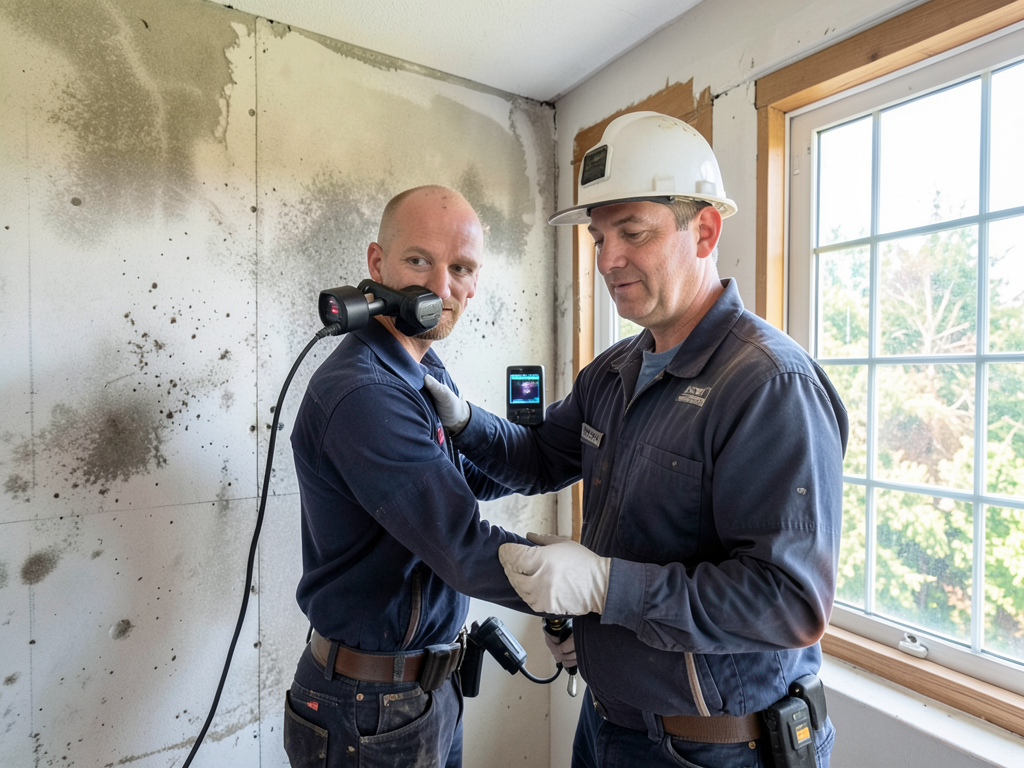
Effective leaky basement repair guide protocols start with accurate moisture source identification. We use thermal imaging cameras to detect temperature differentials that indicate water intrusion points invisible to the naked eye. Cold spots on interior walls during summer months reveal exactly where groundwater is penetrating the foundation envelope.

The next step involves pressure testing the foundation. We measure hydrostatic pressure levels outside your foundation walls to determine if exterior drainage modifications are necessary. In Jacksonville's sandy soils, this often means installing or repairing curtain drains that intercept groundwater before it reaches the foundation perimeter.

Interior solutions focus on managing water that does penetrate. We install French drain systems along the footer, channeling water to a sump pump basin. The pump evacuates water before it can rise above the basement floor level. Battery backup systems are non-negotiable here because summer thunderstorms frequently knock out power when you need pumps running most.

Vapor barriers go on walls after we address active water intrusion. Applying waterproof coatings over damp concrete just traps moisture inside the wall, accelerating deterioration. We dry the substrate first using commercial dehumidifiers, then apply penetrating sealers that chemically bond with the concrete matrix.

Crack injection uses polyurethane or epoxy resins depending on whether the crack is active or dormant. Active cracks that open and close with seasonal ground movement require flexible polyurethane that can accommodate ongoing movement. Dormant cracks get rigid epoxy that restores structural integrity.

Exterior waterproofing involves excavating around the foundation perimeter, applying rubberized asphalt membranes, and installing dimple board drainage planes. This approach costs more but provides superior protection in high water table conditions. We backfill with gravel rather than native sand to create a drainage layer that reduces hydrostatic pressure.

The work is not cosmetic. It is structural protection that preserves your home's foundation and prevents tens of thousands in future damage.

What Happens During Your Basement Waterproofing Assessment and Installation

Basement Waterproofing Guide for Jacksonville Homes – Protect Your Foundation from Florida's Unique Climate Risks
01

Comprehensive Moisture Diagnosis

We start with a full foundation inspection using moisture meters, thermal cameras, and visual assessment of all below-grade spaces. You get a written report identifying every water entry point, measuring current moisture levels in walls and floors, and documenting any structural damage already present. This diagnostic phase takes two to three hours and determines which basement sealing techniques will actually solve your specific problem rather than just covering symptoms.
02

Customized Solution Design

Based on your home's construction, soil conditions, and water intrusion patterns, we design a waterproofing system that addresses root causes. This might combine interior drainage with exterior membrane application, or focus on crack repair with enhanced dehumidification. You receive detailed plans showing exactly what work happens where, which materials we will use, and realistic timelines. We explain why each component matters for long-term protection in Jacksonville's climate.
03

Installation and Verification Testing

Installation crews complete the work in phases, testing each component before moving to the next. Drainage systems get flow-tested, sump pumps run through multiple cycles, and sealed areas undergo moisture meter verification. You receive operation instructions for any mechanical systems, maintenance schedules for pumps and dehumidifiers, and documentation for future homebuyers. We conduct a final walkthrough showing you every completed element and explaining what to monitor going forward.

Why Jacksonville Homeowners Choose Local Foundation Waterproofing Expertise

Foundation work in coastal Florida requires understanding soil mechanics that differ completely from inland regions. Jacksonville sits on the Floridian Aquifer. The limestone beneath us is porous and fractured. Groundwater does not behave predictably. A contractor who learned basement waterproofing in Ohio will miss the subsurface dynamics that make or break solutions here.

Fortress Water Damage Restoration Jacksonville has worked in Riverside's brick foundations, Ortega's mid-century block construction, and new builds in Nocatee. We know which foundation types are common in which neighborhoods and what problems each tends to develop. That knowledge means accurate diagnosis the first time, not trial and error on your property.

Florida Building Code requirements for flood-resistant construction affect how we approach below-grade waterproofing. We pull permits when required and ensure all work meets current code standards. This matters when you sell your home. Unpermitted foundation work creates title issues and gives buyers negotiating leverage.

Our equipment stays in Jacksonville. When you call about a pump failure during a summer storm, we respond from our local facility, not from a regional office three hours away. Parts inventory for common sump pump models, backup generators, and dehumidifiers means we fix problems the same day rather than ordering components from out of state.

We understand hurricane preparedness. Basement flooding during tropical storms happens when pumps lose power or drainage systems get overwhelmed by rapid rainfall. Our installations include storm-rated components and backup power systems sized for Jacksonville's typical storm durations.

The technicians who assess your foundation live here. They own homes with the same challenges you face. That creates accountability. We will not recommend solutions that we would not install in our own properties. This is not a corporate profit center. It is a local business that depends on reputation in a city where everyone knows someone who knows your work quality.

Local expertise is not about proximity. It is about understanding the specific conditions that cause basements to fail in this exact location and having proven methods to fix them permanently.

What to Expect During Your Basement Waterproofing Project

Project Timeline and Scheduling Flexibility

Most interior waterproofing installations take three to five days depending on basement size and system complexity. Exterior excavation projects require seven to ten days because we must work in sections to maintain structural stability. We schedule around your availability and can work in phases if you need to maintain basement access during the project. Weather affects exterior work, so we build buffer time into schedules during rainy season. You receive daily updates on progress and any timeline adjustments needed. Emergency leak repairs happen within 24 hours of your call because water damage accelerates quickly in Jacksonville's humidity.

Detailed Foundation Assessment Process

The initial consultation takes 90 minutes to two hours. We inspect every accessible area of your foundation, test soil drainage around the perimeter, and use moisture detection equipment to map water intrusion patterns. You get a written assessment explaining what is causing moisture problems, photos documenting current conditions, and moisture readings that establish baseline levels. We measure hydrostatic pressure if your home sits in a high water table area. The assessment costs nothing if you proceed with recommended repairs. This diagnostic thoroughness prevents misdiagnosis and ensures the solution actually fixes your specific problem rather than just addressing generic basement dampness.

Quality Standards and Material Selection

We use waterproofing membranes rated for continuous submersion because Jacksonville basements face sustained moisture exposure during wet season. Sump pumps include cast iron or stainless steel housings that resist corrosion in our humid climate. Drainage aggregate meets Florida DOT specifications for permeability and structural stability. Concrete sealers penetrate a minimum of four millimeters below the surface rather than forming a surface film that can delaminate. Crack injection resins carry ICC-ES evaluation reports proving effectiveness in high humidity environments. You receive manufacturer documentation for all materials installed. Quality materials cost more upfront but last decades rather than years, which matters in a climate this hard on building components.

Ongoing Support and System Maintenance

Waterproofing systems require periodic maintenance to function reliably long-term. Sump pumps need annual testing and cleaning. Dehumidifiers require filter changes every three months. We provide detailed maintenance schedules showing exactly what to check and when. Annual inspection services verify that drainage systems remain clear, pumps operate correctly, and sealed areas show no new moisture intrusion. You can handle basic maintenance yourself or schedule our technicians to manage it. We keep service records for your property so future work builds on documented history rather than starting from scratch. System monitoring matters because small problems caught early prevent major failures during the next tropical storm.

Frequently Asked Questions

You Have Questions,
We Have Answers

What is the best waterproofing method for basements? +

The best waterproofing method combines exterior and interior drainage. For Jacksonville homes, exterior waterproofing with a membrane applied to foundation walls stops water before it enters. Pair this with an interior drainage system that includes perforated drain tile, a sump pump, and vapor barrier. High water tables and clay soil common in Duval County make dual protection critical. Exterior work addresses the source while interior systems manage groundwater pressure. This layered approach handles heavy rainfall and prevents hydrostatic pressure buildup that cracks foundation walls over time.

How much does it cost to waterproof a 1000 sq ft basement? +

Basement waterproofing costs depend on the severity of water intrusion and method chosen. For a 1000 square foot basement in Jacksonville, expect costs to vary based on whether you need simple interior sealants, a full perimeter drain system, or exterior excavation. Interior drainage with sump pump installation runs lower than exterior membrane work. High water tables near the St. Johns River or Ortega areas may require more extensive drainage solutions. Request inspections from multiple contractors to understand your specific water entry points and necessary scope.

What are common waterproofing mistakes? +

Common waterproofing mistakes include using only surface sealants without addressing drainage, ignoring grading issues around the foundation, and failing to install proper gutters and downspouts. Jacksonville homeowners often overlook the role of exterior slope in directing water away from foundations. Another mistake is DIY waterproofing without identifying the true water source. Hydrostatic pressure from clay soil requires drainage solutions, not just coatings. Skipping vapor barriers or installing inadequate sump pump capacity for Florida's heavy rains creates future failures. Proper diagnosis before treatment prevents wasted money.

Why not use Drylok on basement walls? +

Drylok and similar masonry coatings trap moisture inside concrete block walls common in Jacksonville construction. When hydrostatic pressure pushes water through porous block, surface sealants create a barrier that forces moisture to accumulate within the wall cavity. This leads to efflorescence, spalling, and mold growth you cannot see. Florida's high humidity and water table make this worse. Drylok does not address the water source. You need drainage systems that relieve pressure and channel water away. Surface coatings only hide symptoms temporarily while damage continues behind the wall.

What are the three types of basement waterproofing? +

The three types of basement waterproofing are interior, exterior, and drainage systems. Interior waterproofing uses sealants, vapor barriers, and dehumidification to manage moisture that enters the space. Exterior waterproofing applies waterproof membranes to foundation walls and installs perimeter drains to divert groundwater. Drainage systems include interior French drains, sump pumps, and drain tile that collect and remove water before it pools. Jacksonville homes often need a combination approach due to clay soil and seasonal water tables. Each type addresses different failure points in your foundation's water management.

Is Drylok better than other waterproofing methods? +

Drylok is not better than comprehensive waterproofing methods. It serves as a temporary surface treatment for minor dampness, not a solution for active water intrusion. Jacksonville's clay soil and hydrostatic pressure require drainage systems that address the source. Drylok cannot stop water forced through foundation walls by groundwater pressure. It may pass initial damp proofing tests but fails under sustained moisture exposure common near the Intracoastal or in low-lying neighborhoods. Professional waterproofing with perimeter drains and sump pumps provides long-term protection. Surface coatings alone leave you vulnerable to structural damage.

Will insurance pay for basement waterproofing? +

Homeowners insurance does not typically cover basement waterproofing because insurers classify it as preventive maintenance, not sudden damage. Standard policies exclude gradual water seepage and foundation issues. They may cover water damage from a burst pipe or sudden storm surge, but not chronic groundwater intrusion. In Jacksonville, flood insurance through FEMA covers rising water from storms, not groundwater seepage. Review your policy declarations page. If you need waterproofing due to poor construction or maintenance neglect, expect to pay out of pocket. Document any sudden water events immediately for potential claims.

Can I waterproof my basement from the inside? +

You can waterproof your basement from the inside using drainage systems, vapor barriers, and sump pumps. Interior waterproofing works well for Jacksonville homes where exterior excavation is difficult due to landscaping, driveways, or proximity to neighboring properties. Install perimeter drain channels along the foundation footer, direct water to a sump basin, and pump it away from the foundation. Add vapor barriers to walls and dehumidifiers to control moisture. While interior methods do not stop water at the source like exterior waterproofing, they effectively manage intrusion when properly designed for local water table conditions.

How much is it to finish a 2000 sq ft basement? +

Finishing a basement is separate from waterproofing costs. This question addresses finishing work like framing, drywall, flooring, and electrical. For a 2000 square foot basement, finishing costs depend on material choices, plumbing additions, and complexity. Jacksonville builds on slabs more often than basements due to high water tables, making true basements rare. If you have below-grade space, waterproof it before finishing to avoid mold and material damage. Costs scale with finishes selected. Consult contractors who understand Florida moisture control before investing in finishes that water intrusion could destroy.

What is the negative side of waterproofing? +

The downside of waterproofing includes upfront costs, invasive installation, and ongoing maintenance. Exterior waterproofing requires excavation around your foundation, disrupting landscaping and hardscaping. Interior systems need sump pump maintenance, battery backup checks, and periodic drain cleaning. In Jacksonville, high humidity means dehumidifiers run constantly, increasing electric bills. Poor installation creates new problems like improper grading or failed drain connections. Some methods only address symptoms, not causes. Waterproofing also does not fix existing structural damage. You must repair cracks and foundation issues separately. Weigh these factors against the cost of uncontrolled water damage.

How Jacksonville's Coastal Water Table Affects Foundation Waterproofing Strategies

Jacksonville's proximity to the Atlantic Ocean and the St. Johns River creates groundwater conditions that fluctuate with tides and seasonal rainfall. The water table can rise three to four feet during wet season, putting sustained pressure on foundation walls from June through September. Homes in Riverside, San Marco, and Springfield sit particularly close to the river and experience more dramatic water table swings. This means wet basement solutions must handle not just occasional intrusion but sustained hydrostatic pressure for months at a time. The sandy soils that dominate Duval County drain surface water quickly but allow horizontal groundwater movement that standard basement sealing techniques do not address. Understanding these coastal dynamics is essential for designing waterproofing systems that actually work year after year.

Foundation work in Jacksonville must meet Florida Building Code requirements that account for flood zones and hurricane wind loads. Many older homes were built before these codes existed, which means updates must bring foundations up to current standards while solving moisture problems. Local building departments require permits for structural waterproofing work, and inspections verify that installations meet code specifications. Working with contractors who understand Jacksonville's permitting process and maintain relationships with local inspectors prevents project delays and ensures work passes inspection the first time. This local knowledge protects your investment and maintains your home's value in a real estate market where buyers scrutinize foundation condition carefully.
Water Damage Restoration Services in The Jacksonville Area

Conveniently located to serve the entire region, Fortress is committed to reaching you swiftly when water damage strikes. Our centralized presence allows us to deploy rapid response teams across the service area, ensuring that expert assistance is always just a call away. Explore our location and service radius to see how we can provide immediate, professional water damage restoration solutions directly to your doorstep, minimizing disruption and expediting recovery.

Address:
Fortress Water Damage Restoration Jacksonville, 10752 Deerwood Park Blvd Suit 100, Jacksonville, FL, 32256

Additional Services We Offer

Our news updates

Latest Articles & News from The Blogs

Why Your New Bidet Attachment Might Be Slowly Flooding Your Girvin Bathroom Floor Your bathroom floor feels damp and you…

Why Your New Bidet Attachment Might Be Slowly Flooding Your Girvin Bathroom Floor

Why Your New Bidet Attachment Might Be Slowly Flooding Your Girvin Bathroom Floor Your bathroom floor feels damp and you…

How to Properly Shut Down Your Plumbing Before Leaving Isle of Palms for the Summer

How to Properly Shut Down Your Plumbing Before Leaving Isle of Palms for the Summer Summer vacation should mean relaxation…

The Hidden Meaning Behind Peeling Wallpaper and Bubbling Paint in Lackawanna Homes

The Hidden Meaning Behind Peeling Wallpaper and Bubbling Paint in Lackawanna Homes Peeling wallpaper and bubbling paint in Lackawanna homes…

Contact Us

Water intrusion accelerates every day you wait. Call Fortress Water Damage Restoration Jacksonville now at (904) 839-6500 for a comprehensive foundation assessment. We will identify exactly where water is entering and design a solution that works in Jacksonville's unique conditions. Your basement should be dry. Let us make that happen.