



Menu

How Long Does Drying Take in Jacksonville? – Get Accurate Timelines from Certified Water Damage Restoration Experts

Understanding water damage drying time prevents mold growth and structural failure. Fortress Water Damage Restoration Jacksonville provides precise structural drying duration estimates based on your specific damage, materials, and local humidity conditions.

Slider Image 1
Slider Image 2
Slider Image 3
Slider Image 4
Slider Image 5
Slider Image 7
Slider Image 8
Slider Image 9
Slider Image 10
Slider Image 11

Why Jacksonville's Climate Makes Drying Time Critical

Jacksonville's subtropical climate creates unique challenges for water restoration drying timelines. With year-round humidity averaging 74%, water damage drying time extends significantly compared to arid regions. Your walls, floors, and structural materials absorb moisture like sponges in this environment, and that moisture does not evaporate quickly.

When water intrusion occurs in Jacksonville homes, whether from pipe bursts, roof leaks, or storm flooding, you face a race against mold growth. Mold spores begin colonizing within 24 to 48 hours in our humid conditions. The structural drying duration depends on multiple factors: the class of water damage, the materials affected, the extent of saturation, and environmental controls during restoration.

A common misconception is that visible water disappearing means the problem is solved. Surface drying is deceptive. Your drywall can feel dry to the touch while retaining 40% moisture content behind the surface. Hardwood flooring might look normal while the subfloor beneath has absorbed gallons of water. Concrete slabs in Jacksonville homes, common in our coastal construction, can take weeks to dry properly because concrete is porous and holds moisture deep within its structure.

The time to dry out water damage ranges from three days for minor surface issues to three weeks for significant structural saturation. Professional-grade dehumidifiers, air movers, and moisture monitoring equipment accelerate the drying process length by controlling humidity and airflow. Without proper equipment, you are relying on Jacksonville's ambient conditions, which work against you, not for you. Guessing about drying completion leads to concealed moisture, hidden mold, and compromised structural integrity that emerges months later.

Why Jacksonville's Climate Makes Drying Time Critical
How Professional Water Restoration Drying Timelines Are Determined

How Professional Water Restoration Drying Timelines Are Determined

Accurate water damage drying time calculations begin with psychrometry and moisture mapping. We measure the moisture content in affected materials using penetrating and non-invasive moisture meters. Drywall should read below 15% moisture content. Hardwood flooring should reach 6-9% depending on the species. Concrete requires specialized probes to measure moisture at depth, not just the surface.

We classify water damage using IICRC S500 standards, which dictate structural drying duration. Class 1 damage affects minimal absorbent materials and typically dries in 2-3 days. Class 2 involves significant absorption into materials like carpet, pad, and drywall up the wall, requiring 3-5 days. Class 3 represents the fastest evaporation rate from ceilings, walls, insulation, and subfloors, often needing 5-7 days with aggressive drying. Class 4 damage involves specialty materials like hardwood, plaster, stone, or concrete that require extended drying of 1-3 weeks.

The category of water matters equally. Category 1 clean water from supply lines dries without sanitation concerns. Category 2 grey water from appliances or toilet overflows requires antimicrobial treatment, which adds steps. Category 3 black water from sewage or flooding demands removal of porous materials that cannot be salvaged, changing the timeline entirely.

We create a drying chamber using containment barriers and negative air pressure when necessary. Commercial-grade LGR dehumidifiers pull 20-30 gallons daily from the air. Axial air movers create laminar airflow across wet surfaces, accelerating evaporation. We adjust grain depression, the difference between the moisture in the air and the moisture in materials, to maintain optimal drying conditions. Daily moisture readings track progress. When three consecutive readings show no moisture reduction, we know materials have reached equilibrium moisture content, signaling completion.

What Happens During Your Water Damage Drying Process

How Long Does Drying Take in Jacksonville? – Get Accurate Timelines from Certified Water Damage Restoration Experts
01

Initial Moisture Assessment

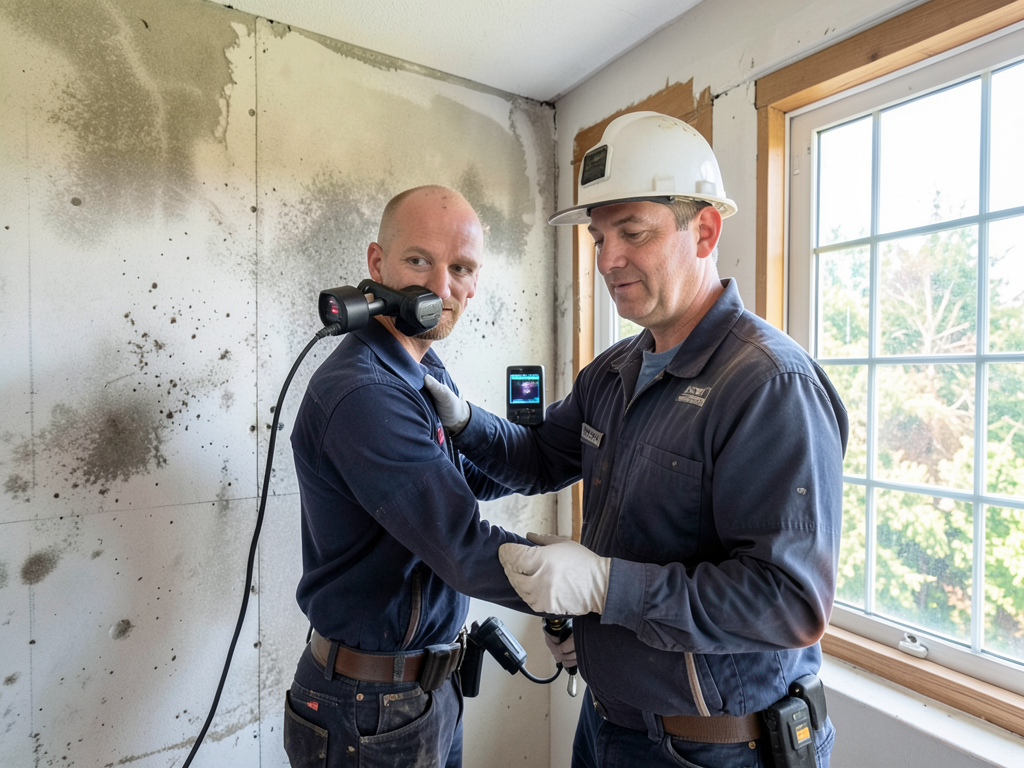
We inspect all affected areas with thermal imaging cameras and moisture detection equipment to map the full extent of water intrusion. Hidden moisture in wall cavities, under flooring, and within structural framing gets documented with baseline readings. This assessment determines your damage classification and creates the drying plan. You receive a written scope outlining expected structural drying duration based on material types, saturation levels, and environmental factors specific to your Jacksonville property.
02

Active Drying and Monitoring

Industrial dehumidifiers and air movers operate continuously, creating controlled drying conditions regardless of outdoor humidity. We monitor moisture levels daily, adjusting equipment placement and settings based on psychrometric calculations. You see measurable progress through documented moisture readings that track the time to dry out water damage. We address any areas not responding to standard drying with specialty techniques like heat drying or desiccant dehumidification. This phase continues until all materials reach acceptable moisture content for Jacksonville's climate zone.
03

Drying Verification and Completion

Final moisture readings confirm all materials have reached equilibrium moisture content appropriate for our regional standards. We provide documentation showing before and after moisture levels, total water restoration drying timeline, and clearance for reconstruction. This verification protects you from callbacks, mold development, and insurance disputes. You receive a moisture map showing your structure is truly dry, not just visually dry. Equipment is removed only after scientific confirmation that the drying process length has achieved complete structural stability.

Why Jacksonville Residents Trust Our Drying Expertise

Jacksonville's construction methods and materials require specific knowledge for accurate water damage drying time estimates. Homes built in coastal areas often have concrete block construction with stucco exteriors. These materials retain moisture differently than traditional frame construction. We understand how saltwater intrusion from storm surge affects drying requirements versus freshwater from plumbing failures.

Our technicians hold IICRC certifications in Water Damage Restoration and Applied Structural Drying. This training goes beyond equipment operation. We understand vapor pressure, temperature differentials, and how Jacksonville's humidity affects evaporation rates. When we tell you structural drying duration will be seven days, that estimate comes from calculation, not guessing.

We work directly with Jacksonville insurance adjusters who know our documentation meets Xactimate standards and industry protocols. Our moisture logs, psychrometric charts, and daily progress reports provide the evidence adjusters need to approve claims without delays. This relationship means faster approvals and fewer disputes about necessary drying time.

Local knowledge matters when flooding occurs. We know which Jacksonville neighborhoods sit in flood zones, which areas have high water tables affecting concrete slab drying, and which communities have older galvanized plumbing prone to sudden failures. Riverside, Avondale, and San Marco historic homes require different drying approaches than Southside newer construction or Beaches properties with saltwater exposure.

We maintain equipment inventory in Jacksonville, not in distant warehouses. When you call about water damage, our dehumidifiers and air movers arrive from local stock, not from regional distribution centers. This matters when your water restoration drying timeline starts the moment water stops flowing, not when equipment finally arrives three days later. Speed in deployment directly reduces your total drying process length and limits secondary damage from prolonged moisture exposure.

What You Can Expect During the Drying Process

Drying Timeline Factors

Your specific water damage drying time depends on damage classification, materials involved, and environmental controls. Minor carpet and pad saturation in one room dries in 3-4 days with proper equipment. Whole-home flooding affecting drywall, insulation, and framing requires 7-14 days. Hardwood flooring needs gradual drying over 2-3 weeks to prevent cupping and cracking. Concrete slabs can take 3-4 weeks for deep moisture to evaporate. We provide daily updates showing measurable progress. You will know exactly where you stand in the structural drying duration, backed by scientific moisture readings, not guesses.

Moisture Monitoring Protocol

We measure moisture content daily in all affected materials using calibrated meters. Drywall, wood, concrete, and other materials each have target moisture levels that indicate complete drying. You receive written logs documenting these readings, showing the trend toward drying completion. Thermal imaging reveals hidden moisture pockets that visual inspection misses. If certain areas are not responding to standard drying, we adjust equipment placement, add heat, or implement specialty drying techniques. This monitoring continues until three consecutive days show no moisture reduction, confirming equilibrium moisture content has been reached for Jacksonville's climate conditions.

Equipment Noise and Access

Dehumidifiers and air movers produce noise comparable to a window air conditioner or box fan. Equipment runs continuously, 24 hours daily, throughout the time to dry out water damage. You can remain in your home during drying, though some homeowners prefer to stay elsewhere due to noise and equipment presence. We position equipment to minimize disruption while maximizing drying efficiency. Air movers create airflow across wet surfaces, which feels like a constant breeze in affected rooms. Dehumidifiers generate heat as they pull moisture from the air, raising room temperature 5-10 degrees. We explain these conditions upfront so you can plan accordingly.

Post-Drying Documentation

When drying completes, you receive a certificate of completion with final moisture readings for all tested materials. This documentation proves your structure meets industry standards for dryness before reconstruction begins. Insurance companies require this verification before authorizing rebuild contractors. You also receive recommendations for any materials that could not be dried and require replacement, such as saturated insulation or delaminated subflooring. Our documentation protects you from future mold claims by proving proper drying occurred. This record becomes part of your property history, valuable if you sell or need to demonstrate proper water damage remediation to future buyers.

Frequently Asked Questions

You Have Questions,
We Have Answers

How long does drying usually take? +

Drying time depends on the extent of water damage and materials affected. Structural drying for water-damaged homes in Jacksonville typically takes 3 to 5 days with professional equipment. High humidity levels in Northeast Florida can extend this timeline if not properly managed. Hardwood floors may need 7 to 10 days. Drywall and insulation dry faster, often within 72 hours. We use moisture meters and thermal imaging to track progress. Standing water removal happens first, then dehumidification begins. Your drying time varies based on water category, affected square footage, and airflow conditions.

How long is a normal dryer cycle? +

A normal clothes dryer cycle runs 30 to 45 minutes for most loads. Heavy items like towels or jeans may take 50 to 60 minutes. Jacksonville's high humidity affects dryer efficiency, especially in summer months when moisture-laden air enters your home. If your dryer consistently runs longer than 60 minutes, check the lint trap and exterior vent. Clogged vents reduce airflow and increase drying time. Older dryers lose efficiency over time. Gas dryers typically dry faster than electric models. Sensor-dry cycles adjust automatically based on moisture levels detected in the drum.

Is 40 minutes enough for a dryer? +

Forty minutes is sufficient for lightweight loads like t-shirts, underwear, and thin fabrics. Heavier items need more time. Jacksonville residents should consider that humid coastal air affects dryer performance. If clothes feel damp after 40 minutes, your dryer may have a venting issue or the load is too large. Check that your exhaust vent is clear and not kinked. Running a dryer with damp clothes still inside can cause mildew growth, a common problem in Florida's humid climate. Use the moisture sensor feature if available to prevent over-drying or under-drying.

Is 30 minutes enough to dry clothes? +

Thirty minutes works only for small, lightweight loads. Delicate fabrics like synthetics or athletic wear dry quickly on low heat settings. Most mixed loads need 40 to 50 minutes. Jacksonville's humidity makes air-drying inefficient indoors, so residents rely heavily on dryers. If you regularly run 30-minute cycles and clothes come out damp, you risk mold growth. Damp fabrics in humid environments create musty odors within hours. Always verify clothes are completely dry before folding. Residual moisture in towels or sheets leads to mildew, especially during summer months in Northeast Florida.

Is 40 minutes too long to dry clothes? +

Forty minutes is not too long for most standard loads. It falls within the normal range for electric dryers. Jacksonville homes with older HVAC systems may experience longer dry times due to increased indoor humidity. If your dryer consistently needs more than 60 minutes, inspect the vent system. Lint buildup restricts airflow and forces longer cycles. Extended drying times increase energy costs and wear on fabrics. Clean your lint trap after every load. Check the exterior vent flap to confirm it opens freely. Restricted vents are a fire hazard and reduce dryer efficiency significantly.

Can overloading a dryer cause damage? +

Yes. Overloading prevents proper tumbling and airflow, leaving clothes damp and wrinkled. It strains the motor, drum bearings, and belt. Jacksonville's humidity worsens the problem because damp clothes packed tightly encourage mildew growth. Overloading increases drying time and energy consumption. It also causes uneven wear on fabrics. Your dryer drum should be no more than three-quarters full for optimal performance. Heavy items like comforters need extra space to tumble freely. Persistent overloading shortens your dryer's lifespan and may void warranties. Split large loads into two smaller cycles for better results and appliance longevity.

Is 2 hours too long for a dryer? +

Two hours is excessive for any standard dryer cycle. If your dryer runs this long, you have a serious problem. Common causes include clogged vents, faulty heating elements, or broken moisture sensors. Jacksonville's lint accumulation happens faster due to high humidity, which makes lint stick to vent walls. A dryer running two hours poses a fire risk and wastes energy. Inspect your vent system immediately. Check the outdoor vent hood for blockages like bird nests or lint buildup. Call a professional if the heating element or thermostat fails. Extended run times damage fabrics and increase utility bills dramatically.

Is it cheaper to air dry or use a dryer? +

Air drying is cheaper because it uses zero electricity. However, Jacksonville's humidity makes outdoor air drying slow and indoor air drying nearly impossible without mold risk. Dryers cost roughly 25 to 50 cents per load depending on your electric rate. During summer, humid air prevents evaporation, leaving clothes damp for hours. Indoor air drying raises indoor humidity, forcing your air conditioner to work harder. This offsets savings. Use a dryer for efficiency in Florida's climate. Line drying works best on low-humidity winter days. For water damage situations, professional dehumidifiers and air movers dry structures far faster than passive airflow.

Can a dryer run all night? +

Running a dryer overnight is not recommended. Most modern dryers have automatic shutoff features, but older models may not. Unattended dryers pose fire risks if lint ignites. Jacksonville fire departments respond to appliance fires regularly, many caused by dryer lint. If you must run a dryer while sleeping, clean the lint trap first and ensure the vent system is clear. Never dry items with oil, grease, or flammable residue overnight. Gas dryers require proper ventilation to prevent carbon monoxide buildup. Set a timer or use moisture-sensing cycles to avoid over-drying, which weakens fabrics and wastes energy.

How to speed up a dryer? +

Clean the lint trap before every load. Check the exhaust vent and remove blockages. Separate heavy items from lightweight fabrics. Use the high heat setting for towels and sturdy cottons. Add wool dryer balls to improve airflow and reduce drying time by 10 to 15 minutes. Spin clothes on the highest washer setting to remove excess water before drying. In Jacksonville, reduce indoor humidity with air conditioning to help your dryer work efficiently. Replace accordion-style vents with smooth metal ducts. Inspect the outdoor vent hood quarterly. Schedule professional vent cleaning annually to maintain peak performance and safety.

How Jacksonville's Coastal Humidity Extends Water Restoration Drying Timelines

Jacksonville sits at sea level with the St. Johns River running through downtown and the Atlantic Ocean bordering the east. This geography creates persistent humidity that directly impacts water damage drying time. When outdoor relative humidity stays above 70%, as it does most of the year, evaporation slows dramatically. Your affected materials release moisture into the air, but that air is already saturated with moisture from the environment. Professional dehumidifiers create a controlled indoor environment with lower humidity, allowing continued evaporation regardless of outdoor conditions. Without this equipment, the structural drying duration in Jacksonville extends far beyond what you would experience in drier climates, giving mold and bacteria more time to establish.

Jacksonville building codes and insurance requirements reflect our flood risk and hurricane exposure. Restoration work must meet Florida Building Code standards for moisture-resistant materials and proper drying verification. Local adjusters expect IICRC documentation showing proper drying protocols were followed. We work with Jacksonville permitting offices when reconstruction requires inspections, understanding which departments oversee what work. Our relationship with local insurance providers, property managers, and construction professionals means your water restoration drying timeline proceeds without delays from miscommunication or unfamiliarity with local requirements. Choosing a local restoration company means working with professionals who speak the same language as Jacksonville inspectors, adjusters, and contractors.

Water Damage Restoration Services in The Jacksonville Area

Conveniently located to serve the entire region, Fortress is committed to reaching you swiftly when water damage strikes. Our centralized presence allows us to deploy rapid response teams across the service area, ensuring that expert assistance is always just a call away. Explore our location and service radius to see how we can provide immediate, professional water damage restoration solutions directly to your doorstep, minimizing disruption and expediting recovery.

Address:
Fortress Water Damage Restoration Jacksonville, 10752 Deerwood Park Blvd Suit 100, Jacksonville, FL, 32256

Additional Services We Offer

Our news updates

Latest Articles & News from The Blogs

Why Your New Bidet Attachment Might Be Slowly Flooding Your Girvin Bathroom Floor Your bathroom floor feels damp and you…

Why Your New Bidet Attachment Might Be Slowly Flooding Your Girvin Bathroom Floor

Why Your New Bidet Attachment Might Be Slowly Flooding Your Girvin Bathroom Floor Your bathroom floor feels damp and you…

How to Properly Shut Down Your Plumbing Before Leaving Isle of Palms for the Summer

How to Properly Shut Down Your Plumbing Before Leaving Isle of Palms for the Summer Summer vacation should mean relaxation…

The Hidden Meaning Behind Peeling Wallpaper and Bubbling Paint in Lackawanna Homes

The Hidden Meaning Behind Peeling Wallpaper and Bubbling Paint in Lackawanna Homes Peeling wallpaper and bubbling paint in Lackawanna homes…

Contact Us

Do not guess about moisture levels in your Jacksonville property. Call Fortress Water Damage Restoration Jacksonville at (904) 839-6500 for professional moisture assessment and accurate drying timelines. We respond immediately with certified technicians and industrial equipment. Your structural drying duration starts now.