




Menu

Disaster Recovery Planning in Jacksonville – Minimize Downtime and Protect Revenue When Water Damage Strikes Your Facility

Fortress Water Damage Restoration Jacksonville develops customized disaster recovery plans that protect commercial operations from extended shutdowns, ensuring your facility has pre-established protocols, priority response systems, and documented restoration procedures before water damage occurs.

Slider Image 1
Slider Image 2
Slider Image 3
Slider Image 4
Slider Image 5
Slider Image 7
Slider Image 8
Slider Image 9
Slider Image 10
Slider Image 11

Why Jacksonville Facilities Need Pre-Loss Planning Before Water Damage Forces a Shutdown

Jacksonville's position along the St. Johns River and proximity to the Atlantic Ocean creates significant flood risk for commercial facilities. Hurricane season brings storm surge threats to properties in Southside, Riverside, and Downtown districts. The low elevation throughout Duval County means water accumulates quickly during heavy rain events, and aging infrastructure in older commercial corridors increases the risk of sudden pipe failures.

When water damage hits a facility without a disaster recovery plan, operations stop. No documented vendor contacts. No pre-established drying protocols. No clear chain of command for emergency decisions. The result is extended downtime that destroys revenue and damages client relationships.

Business continuity planning addresses this risk before disaster strikes. A comprehensive commercial emergency response plan establishes your facility's restoration priorities, documents critical equipment locations, identifies essential operational areas, and pre-authorizes emergency response procedures. Pre-loss planning eliminates the chaos that follows unexpected water intrusion.

Jacksonville facilities face additional complications from the humid subtropical climate. High moisture levels accelerate secondary damage. Mold colonization begins within 48 hours in untreated areas. Without facility contingency planning that accounts for local climate factors, a minor water event escalates into a major business disruption.

Disaster restoration planning protects your bottom line by reducing response time, minimizing damage spread, and ensuring coordinated restoration efforts that get your facility operational faster than reactive approaches ever could.

Why Jacksonville Facilities Need Pre-Loss Planning Before Water Damage Forces a Shutdown
How Fortress Develops Disaster Recovery Plans That Actually Work During Water Emergencies

How Fortress Develops Disaster Recovery Plans That Actually Work During Water Emergencies

Generic disaster plans fail because they do not account for your specific facility layout, operational priorities, or equipment vulnerabilities. Fortress Water Damage Restoration Jacksonville builds disaster recovery plans through detailed facility assessments that document every factor affecting water damage response.

We conduct comprehensive site surveys that identify high-risk areas such as mechanical rooms, IT infrastructure locations, inventory storage zones, and critical production equipment. We map water supply lines, drainage systems, and potential failure points throughout your facility. We document ceiling types, flooring materials, wall assemblies, and HVAC configurations because these factors determine extraction methods and drying strategies.

Your disaster recovery plan includes detailed facility diagrams with shut-off valve locations, electrical panel positions, and priority protection zones. We establish clear protocols for after-hours emergency contact procedures, vendor coordination sequences, and decision-making authority during crisis situations.

The plan documents specific restoration procedures tailored to your facility type. Medical offices require different containment protocols than warehouses. Manufacturing facilities need equipment-focused drying strategies. Office buildings prioritize document recovery and electronics protection. We develop procedures that match your operational reality.

We coordinate with your insurance carrier to ensure the plan aligns with policy requirements and coverage limits. We establish pre-authorization protocols that eliminate delays when emergency response begins. We identify required documentation procedures, photo requirements, and damage assessment protocols that support efficient claims processing.

Your plan includes vendor pre-qualification, equipment staging locations, and material sourcing procedures that eliminate supply chain delays during restoration. We establish clear communication protocols between facility management, insurance adjusters, and restoration teams to ensure coordinated response efforts.

What Fortress Disaster Recovery Planning Delivers to Your Jacksonville Facility

Disaster Recovery Planning in Jacksonville – Minimize Downtime and Protect Revenue When Water Damage Strikes Your Facility
01

Facility Risk Assessment

We conduct detailed facility surveys documenting structural vulnerabilities, equipment locations, critical operational zones, and water damage risk factors. This assessment identifies your facility's specific exposure points, evaluates existing moisture barriers, reviews drainage systems, and establishes protection priorities. We document building materials, HVAC systems, and architectural features that affect restoration procedures. The assessment creates the foundation for your customized disaster recovery plan.
02

Response Protocol Development

We develop detailed emergency response procedures specific to your facility operations. This includes establishing after-hours contact protocols, documenting decision-making authority, creating vendor coordination sequences, and defining containment procedures for different water intrusion scenarios. We establish equipment staging plans, material sourcing protocols, and communication procedures between facility management and restoration teams. The protocols eliminate confusion when water damage occurs.
03

Plan Implementation and Training

We deliver comprehensive documentation including facility diagrams, emergency contact lists, restoration procedure guides, and insurance coordination protocols. We conduct training sessions with facility management teams to ensure everyone understands their role during water emergencies. We establish annual review schedules to update plans as facilities change. The implementation phase ensures your disaster recovery plan becomes an operational tool, not a binder that sits on a shelf gathering dust.

Why Jacksonville Facility Managers Choose Fortress for Disaster Recovery Planning

Effective disaster recovery plans require specific knowledge of local conditions, regional building practices, and Jacksonville's unique risk factors. Fortress Water Damage Restoration Jacksonville understands how the St. Johns River flood plain affects properties in San Marco and Brooklyn. We know how tidal surge threatens facilities in Jacksonville Beach and Atlantic Beach. We account for the drainage challenges created by Jacksonville's flat topography and high water table.

We understand Jacksonville's commercial building stock. Older facilities in the Urban Core feature different construction methods than newer developments in Southside or Baymeadows. We tailor disaster recovery plans to match your building's specific characteristics, whether you operate in a historic structure with limited drainage capacity or a modern facility with complex HVAC systems.

Our disaster recovery plans address local code requirements and permitting procedures specific to Duval County. We coordinate with local emergency management protocols established by the City of Jacksonville. We maintain relationships with regional equipment suppliers and material vendors who can deliver resources quickly when disasters strike.

Jacksonville facilities need disaster recovery plans that account for hurricane preparedness requirements. We integrate storm preparation procedures, wind mitigation protocols, and flood protection strategies into comprehensive plans that address both sudden water intrusions and anticipated weather events.

We work with facility managers across multiple industries including healthcare facilities subject to Joint Commission requirements, educational institutions managing student safety, manufacturing operations protecting production equipment, and office complexes safeguarding technology infrastructure. Our experience across diverse facility types ensures your disaster recovery plan addresses industry-specific concerns and regulatory requirements.

Fortress delivers disaster recovery plans that integrate with your existing business continuity strategies, facility management systems, and insurance requirements to create coordinated protection that actually functions during emergencies.

What Your Facility Receives With Professional Disaster Recovery Planning

Rapid Plan Development Timeline

Fortress completes comprehensive disaster recovery plans within two to four weeks depending on facility size and complexity. We schedule facility assessments at times that minimize operational disruption. Our assessment teams work efficiently to document facility layouts, equipment locations, and operational priorities without interfering with daily business activities. We deliver preliminary findings within 48 hours of facility assessment completion, allowing you to begin implementing high-priority recommendations immediately. Final plan documentation includes digital and physical copies, facility-specific diagrams, emergency contact databases, and restoration procedure guides ready for immediate deployment when water damage occurs.

Comprehensive Facility Risk Assessment

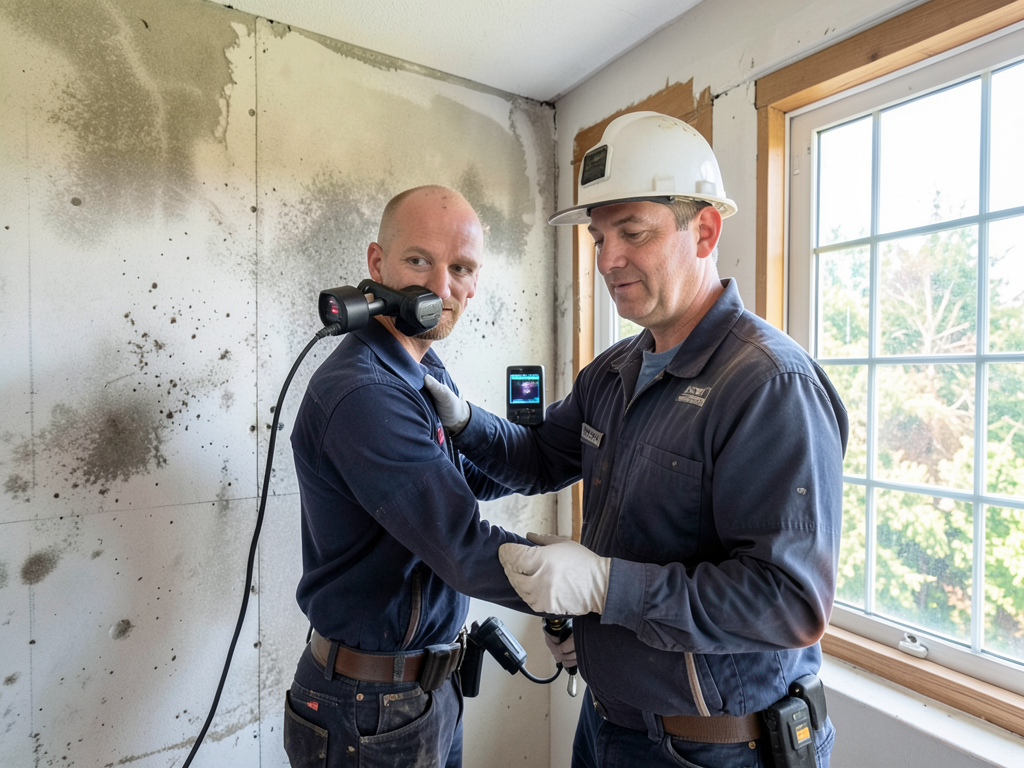
Our facility assessments evaluate every factor that affects water damage response and restoration outcomes. We inspect plumbing systems, HVAC infrastructure, drainage capacity, roof conditions, and exterior grading. We document critical equipment locations, IT infrastructure positioning, inventory storage methods, and sensitive material locations. We review existing moisture barriers, evaluate structural vulnerabilities, and identify potential failure points throughout your facility. The assessment includes thermal imaging to detect hidden moisture issues, infrared leak detection for active plumbing problems, and moisture mapping to establish baseline humidity levels. You receive detailed documentation with prioritized recommendations, cost-effective mitigation strategies, and specific action items that reduce water damage risk before emergencies occur.

Customized Response Protocols

Your disaster recovery plan includes detailed response procedures tailored to your facility's specific needs and operational requirements. We establish clear protocols for different water intrusion scenarios including supply line failures, drain backups, roof leaks, HVAC condensation issues, and flood events. Each protocol defines immediate response actions, equipment deployment procedures, containment strategies, and restoration sequences. We document decision-making authority, establish communication procedures, define documentation requirements, and create coordination protocols between facility management, insurance adjusters, and restoration teams. The protocols eliminate the confusion and delays that extend downtime and increase damage costs during water emergencies.

Ongoing Plan Maintenance and Updates

Effective disaster recovery plans require regular updates as facilities change, personnel shift, and equipment moves. Fortress provides annual plan reviews to ensure documentation remains current and accurate. We update facility diagrams when renovations occur, revise contact lists as management changes, and adjust protocols when operational priorities shift. We conduct periodic training refreshers to ensure new facility personnel understand emergency procedures. We monitor changes in local building codes, insurance requirements, and industry standards to keep your plan compliant with current regulations. Our ongoing maintenance ensures your disaster recovery plan remains an effective operational tool that protects your facility investment and operational continuity year after year.

Frequently Asked Questions

You Have Questions,
We Have Answers

What are the 5 steps of disaster recovery planning? +

The five steps are risk assessment, business impact analysis, recovery strategy development, plan documentation, and testing. First, identify threats specific to Jacksonville like hurricanes, flooding, and power outages. Second, analyze how disruptions affect your operations and revenue. Third, design recovery strategies that prioritize critical systems and data. Fourth, document procedures, contact lists, and resource requirements in a formal plan. Fifth, conduct regular testing through tabletop exercises or simulations. Jacksonville businesses must account for coastal storm surge risks and seasonal weather patterns that can disrupt supply chains and facility access during hurricane season.

What is disaster and recovery planning? +

Disaster recovery planning is the documented process for restoring critical business systems and operations after a disruption. It focuses on IT infrastructure, data backup, communication protocols, and workspace recovery. For Jacksonville companies, this means preparing for hurricanes, tropical storms, flooding, and extended power outages that can halt operations. The plan identifies recovery time objectives, backup locations, and resource requirements. It differs from emergency response by focusing on operational continuity rather than immediate safety. Your plan should address both physical damage to facilities and digital asset protection, ensuring you can resume business functions quickly and minimize financial losses.

What are the 4 pillars of disaster recovery? +

The four pillars are preparation, prevention, response, and recovery. Preparation involves training staff, documenting procedures, and securing backup systems before disaster strikes. Prevention includes risk mitigation strategies like data redundancy, facility hardening, and insurance coverage. Response encompasses immediate actions during a disaster to protect assets and communicate with stakeholders. Recovery focuses on restoring normal operations and analyzing lessons learned. Jacksonville businesses must emphasize hurricane preparation and flood prevention given the coastal location. Each pillar requires specific investments in technology, training, and infrastructure to ensure business continuity when storms or other disruptions occur.

What's the difference between DRP and BCP? +

A Disaster Recovery Plan focuses specifically on IT systems, data backup, and technical infrastructure restoration. A Business Continuity Plan is broader, covering all business functions including operations, personnel, communications, and supply chain. DRP is a subset of BCP. Jacksonville companies need both because a hurricane might destroy servers while also displacing employees and disrupting vendor deliveries. Your DRP details how to restore email servers and databases. Your BCP explains how staff work remotely, how you communicate with customers, and how you maintain cash flow during extended closures. DRP is technical. BCP is organizational and strategic.

What are the 4 C's of disaster recovery? +

The four C's are coordination, communication, continuity, and compliance. Coordination ensures all departments and external partners work together during recovery. Communication maintains information flow with employees, customers, vendors, and stakeholders throughout the disruption. Continuity focuses on maintaining critical operations and minimizing downtime. Compliance addresses regulatory requirements, insurance obligations, and legal responsibilities during and after disasters. Jacksonville businesses must coordinate with local emergency management, communicate during widespread power outages when cell towers fail, maintain continuity despite evacuations, and comply with Florida business interruption insurance requirements. Each element requires advance planning and documented procedures.

What should a recovery plan include? +

Your recovery plan should include risk assessment results, business impact analysis, recovery time objectives, recovery point objectives, contact information for key personnel and vendors, data backup procedures, alternate facility locations, communication protocols, resource requirements, insurance documentation, and testing schedules. For Jacksonville operations, include hurricane evacuation triggers, flood zone maps, generator fuel sources, and relationships with local emergency services. Document your supply chain alternatives, remote work capabilities, and customer notification systems. Include financial reserves needed to bridge revenue gaps. The plan must be accessible offsite since your primary facility may be inaccessible during disasters.

What is a DRP checklist? +

A DRP checklist is a step-by-step action list for executing your disaster recovery plan during an actual event. It eliminates guesswork when stress levels are high and decisions must be made quickly. Your checklist should include immediate response actions, notification sequences, system shutdown procedures, data backup verification, damage assessment protocols, vendor contact steps, insurance claim processes, and recovery prioritization. Jacksonville businesses should include hurricane preparation tasks like securing outdoor equipment, protecting documents, and notifying clients of potential closures. The checklist assigns specific responsibilities to named individuals and includes decision trees for different disaster scenarios.

What makes a good disaster recovery plan? +

A good disaster recovery plan is tested regularly, updated quarterly, and understood by all key personnel. It contains realistic recovery time objectives based on actual business needs, not aspirations. It identifies single points of failure in your operations and addresses them with redundancy. It includes financial analysis showing the cost of downtime versus prevention investments. For Jacksonville companies, it accounts for regional risks like storm surge in Riverside or flooding in San Marco. The plan is accessible offsite and includes both digital and physical copies. It defines clear authority and decision-making processes when senior leadership is unavailable.

How much does a DRP cost? +

DRP costs vary widely based on business size, complexity, and risk tolerance. Basic planning for small businesses starts at a few thousand dollars for consulting and documentation. Mid-size companies typically invest between ten and fifty thousand dollars annually for backup systems, redundant infrastructure, and professional planning services. Large enterprises may spend hundreds of thousands on hot sites, real-time data replication, and comprehensive testing programs. Jacksonville businesses face higher costs for hurricane-resistant infrastructure and flood mitigation. Calculate costs against potential downtime losses. One week of closure often exceeds the annual investment in proper disaster recovery planning.

What are the 5 P's of disaster management? +

The five P's are prevention, preparedness, protection, partnership, and post-disaster recovery. Prevention reduces disaster likelihood through risk mitigation. Preparedness involves training, planning, and resource allocation before events occur. Protection focuses on safeguarding assets, data, and personnel during disasters. Partnership emphasizes relationships with vendors, emergency services, and other businesses for mutual support. Post-disaster recovery addresses restoration and improvement based on lessons learned. Jacksonville businesses should emphasize preparedness for hurricane season, protection through backup power and elevated equipment in flood zones, and partnerships with local contractors for rapid facility repairs when storms impact the entire region simultaneously.

How Jacksonville's Hurricane Risk and River Proximity Make Disaster Recovery Planning Essential for Commercial Operations

Jacksonville sits at the convergence point of the St. Johns River and the Atlantic Ocean, creating unique flood vulnerabilities for commercial properties throughout Duval County. Hurricane storm surge can push water inland for miles, affecting facilities well beyond coastal zones. The St. Johns River flows north, creating backup conditions during heavy rain events that cause flooding in Riverside, San Marco, and downtown areas. Low elevation throughout the region means water accumulates quickly with limited natural drainage. Facilities without pre-loss planning face extended shutdowns when these predictable water events occur. Disaster recovery planning that accounts for Jacksonville's specific geographic risks protects operations from preventable downtime.

Commercial facilities throughout Jacksonville rely on disaster recovery plans that reflect local conditions and regional construction practices. Fortress Water Damage Restoration Jacksonville understands the building methods used in different commercial districts, the drainage challenges created by local topography, and the seasonal weather patterns that threaten facilities during hurricane season. We coordinate with Jacksonville emergency management protocols and maintain relationships with regional vendors who can deliver resources quickly during disasters. Our disaster recovery plans integrate with local insurance requirements and address Duval County code compliance to ensure your facility receives coordinated protection that functions effectively when water damage strikes.

Water Damage Restoration Services in The Jacksonville Area

Conveniently located to serve the entire region, Fortress is committed to reaching you swiftly when water damage strikes. Our centralized presence allows us to deploy rapid response teams across the service area, ensuring that expert assistance is always just a call away. Explore our location and service radius to see how we can provide immediate, professional water damage restoration solutions directly to your doorstep, minimizing disruption and expediting recovery.

Address:
Fortress Water Damage Restoration Jacksonville, 10752 Deerwood Park Blvd Suit 100, Jacksonville, FL, 32256

Additional Services We Offer

Our news updates

Latest Articles & News from The Blogs

Why Your New Bidet Attachment Might Be Slowly Flooding Your Girvin Bathroom Floor Your bathroom floor feels damp and you…

Why Your New Bidet Attachment Might Be Slowly Flooding Your Girvin Bathroom Floor

Why Your New Bidet Attachment Might Be Slowly Flooding Your Girvin Bathroom Floor Your bathroom floor feels damp and you…

How to Properly Shut Down Your Plumbing Before Leaving Isle of Palms for the Summer

How to Properly Shut Down Your Plumbing Before Leaving Isle of Palms for the Summer Summer vacation should mean relaxation…

The Hidden Meaning Behind Peeling Wallpaper and Bubbling Paint in Lackawanna Homes

The Hidden Meaning Behind Peeling Wallpaper and Bubbling Paint in Lackawanna Homes Peeling wallpaper and bubbling paint in Lackawanna homes…

Contact Us

Stop letting water damage risk threaten your operations. Call Fortress Water Damage Restoration Jacksonville at (904) 839-6500 to schedule your facility assessment. We develop disaster recovery plans that minimize downtime and protect revenue when water intrusion occurs.