


Menu

Mold Remediation & Removal in Jacksonville – Complete Abatement From Water Damage to Final Clearance Testing

Fortress Water Damage Restoration Jacksonville delivers full-spectrum mold mitigation services across residential and commercial properties, from initial containment and HEPA air scrubbing to post-remediation verification testing that meets Florida Department of Health protocols.

Slider Image 1
Slider Image 2
Slider Image 3
Slider Image 4
Slider Image 5
Slider Image 7
Slider Image 8
Slider Image 9
Slider Image 10
Slider Image 11

Why Jacksonville Properties Face Persistent Mold Problems After Water Events

Jacksonville sits in a humidity trap. The St. Johns River basin creates moisture conditions that make mold growth inevitable after any water intrusion. Combine that with average humidity levels above 75 percent year-round, and you get the perfect breeding ground for Stachybotrys, Aspergillus, and Penicillium colonies.

Most property owners do not see the problem until it has spread behind drywall or under flooring. A small roof leak in Riverside, a burst pipe in San Marco, or storm flooding in Mandarin can create hidden mold growth within 48 hours. The spores become airborne, contaminate HVAC systems, and turn a localized issue into a whole-structure problem.

Mold abatement is not about scrubbing visible spots with bleach. That approach spreads spores and fails to address the root cause. Professional mold removal requires containment barriers, negative air pressure, HEPA filtration, antimicrobial treatments, and material removal when porous surfaces like drywall or insulation cannot be salvaged.

Florida's warm, wet climate means mold does not go dormant. It colonizes year-round. If you smell musty odors, see discoloration on walls or ceilings, or experience unexplained respiratory symptoms, you have active growth. Mold cleanup services must address moisture sources first, or the contamination returns within weeks.

Jacksonville properties built before 1990 often have poor vapor barriers and outdated HVAC systems that recirculate spores. Newer construction in areas like Nocatee or St. Johns Town Center may have better moisture control, but water damage from hurricanes or faulty plumbing still triggers rapid colonization. Mold decontamination must be thorough, or you are left with a liability that tanks property values and endangers occupants.

Why Jacksonville Properties Face Persistent Mold Problems After Water Events
How Professional Mold Mitigation Stops Contamination at the Source

How Professional Mold Mitigation Stops Contamination at the Source

Mold remediation starts with containment. We seal affected areas with polyethylene sheeting and create negative air pressure using HEPA-filtered air scrubbers. This prevents cross-contamination to clean zones. We do not start removal until airflow is controlled and spore migration is impossible.

Next, we remove all non-salvageable materials. Drywall, insulation, carpeting, and ceiling tiles that show active growth get bagged and disposed of according to EPA guidelines. Porous materials cannot be cleaned effectively. They hold moisture and spores deep within the substrate. We cut away compromised sections and expose framing to confirm the mold has not spread to structural lumber.

Hard surfaces like concrete, metal ductwork, and framing lumber get treated with EPA-registered antimicrobial solutions. We use HEPA vacuums to remove surface spores before applying treatments. This prevents spore dispersal during the cleaning phase. After treatment, we verify moisture levels in all materials using penetrating moisture meters. If wood framing reads above 19 percent moisture content, we deploy dehumidifiers and air movers until levels drop below the threshold for mold growth.

HVAC systems get special attention. Mold spores colonize evaporator coils, drain pans, and ductwork. We inspect the entire system, clean coils with coil-specific biocides, and replace filters. If ductwork shows visible growth, we either clean it using rotary brush systems or replace sections that cannot be restored.

The final step is clearance testing. An independent third-party hygienist collects air samples and surface samples to confirm spore counts have returned to baseline levels. We do not call a job complete until you have lab results proving the environment is safe. Mold mitigation is a process, not a one-time cleaning, and we follow IICRC S520 standards on every project.

What Happens During Your Mold Remediation Project

Mold Remediation & Removal in Jacksonville – Complete Abatement From Water Damage to Final Clearance Testing
01

Inspection and Containment Setup

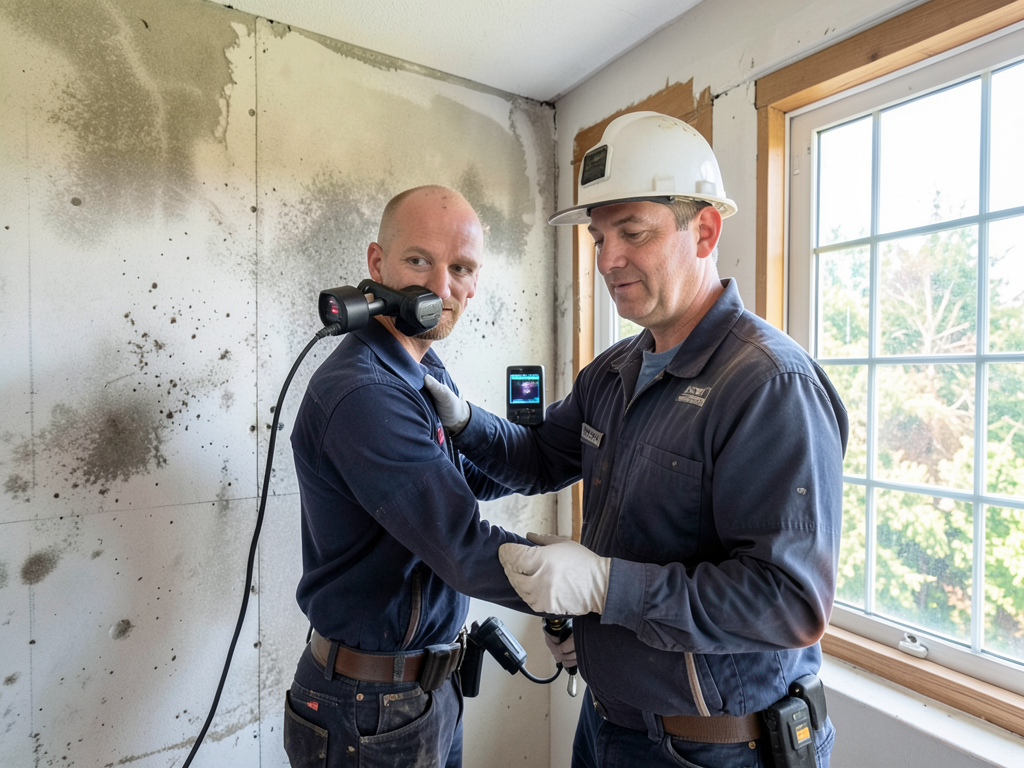
We arrive with moisture meters, thermal imaging cameras, and air sampling equipment to map the full extent of contamination. You receive a written scope that identifies affected materials, moisture sources, and containment zones. We set up polyethylene barriers, negative air machines, and decontamination chambers before any removal begins. This prevents spore spread to unaffected areas and protects your belongings.
02

Material Removal and Treatment

Contaminated drywall, insulation, and flooring get removed and bagged in the containment zone. HEPA vacuums capture loose spores from all surfaces before we apply antimicrobial treatments to framing, concrete, and other non-porous materials. We use dehumidifiers and air movers to dry structural components to below 16 percent moisture content. All debris is removed daily to prevent odor buildup and secondary contamination.
03

Clearance Testing and Restoration

After treatment and drying, an independent hygienist collects air and surface samples to verify spore counts match outdoor baseline levels. You get lab reports confirming the space is safe before we begin reconstruction. We rebuild removed drywall, repaint treated areas, and restore your property to pre-loss condition. The containment stays in place until testing confirms success, so you have documented proof the problem is solved.

Why Jacksonville Property Owners Trust Local Mold Remediation Experts

Mold remediation in Jacksonville requires familiarity with local building practices and climate-specific challenges. Properties near the Intracoastal Waterway face salt air corrosion that damages roofing and siding, creating hidden moisture pathways. Homes in Mandarin and Julington Creek deal with high water tables that drive groundwater intrusion through slab foundations. We know these patterns because we work in these neighborhoods every day.

Florida Department of Health mold remediation regulations require specific containment protocols and air monitoring procedures. We follow Florida Statute 468 guidelines for mold assessment and remediation, and our technicians hold IICRC certifications in applied microbial remediation. Out-of-state companies often miss local code requirements or fail to coordinate with Jacksonville Building Inspection Division for permit compliance on larger projects.

We also understand how Jacksonville's hurricane season complicates water damage timelines. After storms like Irma or Matthew, insurance claims surge and restoration companies get overwhelmed. We maintain equipment reserves and staffing capacity to respond within hours, not days. When your property has active water intrusion and mold is spreading, waiting 72 hours for a contractor to arrive turns a manageable problem into a total loss.

Our relationships with local industrial hygienists, insurance adjusters, and restoration suppliers mean faster project timelines and better outcomes. We coordinate directly with your insurance carrier to document damages, provide detailed estimates, and handle claim paperwork. You get one point of contact from emergency water extraction through final mold clearance and reconstruction.

Choosing a local team means accountability. We have a reputation to protect in this community, and our work is visible across Riverside, Avondale, Southside, and Beaches neighborhoods. You can drive past completed projects, talk to neighbors who have used our services, and verify our results with third-party testing reports. That level of transparency does not exist with franchise operations or national chains.

What You Can Expect From Start to Finish

Rapid Response and Scheduling

Mold growth accelerates in Jacksonville's humid climate, so we prioritize speed. Most inspections happen within 24 hours of your call. If you have an active water leak or recent flooding, we can dispatch an emergency crew the same day to begin water extraction and containment setup. Mitigation work typically starts within 48 hours of the initial assessment, and we maintain communication throughout the project so you know exactly when crews will arrive, what work happens each day, and when clearance testing is scheduled.

Detailed Assessment and Scope Development

You receive a written assessment that maps contamination zones, identifies moisture sources, and outlines removal and treatment protocols. We use thermal imaging to detect hidden moisture behind walls and under flooring, so the scope captures the full extent of damage. Air sampling and surface sampling provide baseline spore counts before remediation begins. This data becomes your proof of pre-existing conditions for insurance documentation and helps us measure the success of our mitigation work through post-remediation testing.

Certified Clearance and Documentation

Projects are not complete until an independent third-party hygienist confirms spore counts have returned to safe levels. You get lab reports showing air sample results, surface sample results, and moisture readings for all treated materials. These reports satisfy insurance requirements, provide legal protection if you are selling the property, and give you peace of mind that the contamination is fully resolved. We do not remove containment barriers or begin reconstruction until clearance testing passes, so you have documented proof the environment is safe.

Post-Remediation Monitoring and Prevention

After clearance, we provide moisture control recommendations to prevent recurrence. This includes HVAC maintenance protocols, dehumidifier placement strategies, and drainage improvements if groundwater intrusion contributed to the problem. We also offer follow-up moisture monitoring visits at 30 and 90 days post-remediation to verify moisture levels remain stable. If you experience any signs of regrowth within the treated area, we return to investigate at no additional diagnostic charge, because proper mold mitigation should be permanent when moisture sources are controlled.

Frequently Asked Questions

You Have Questions,
We Have Answers

How much does it cost to remove mold? +

Mold removal costs vary based on the extent of contamination, location, and materials affected. Small areas under 10 square feet may run a few hundred dollars, while extensive attic or crawl space infestations can reach several thousand. Jacksonville's high humidity accelerates mold growth, often requiring more aggressive containment and dehumidification. Factors include square footage, testing, containment barriers, HEPA filtration, disposal, and structural repairs. Insurance may cover remediation if linked to a covered water damage event. Avoid flat-rate quotes without an inspection. The scope determines the price, not guesswork.

What is the difference between mold removal and mold remediation? +

Mold removal refers to physically eliminating visible mold colonies from surfaces. Mold remediation is a comprehensive process that removes contamination, treats affected areas with antimicrobials, addresses moisture sources, restores air quality, and prevents recurrence. Remediation acknowledges that mold spores exist naturally and focuses on reducing levels to safe thresholds. Removal alone ignores the root cause. In Jacksonville, where humidity remains high year-round, remediation tackles ventilation, dehumidification, and building envelope issues that fuel regrowth. True remediation prevents the problem from returning, not just cosmetic cleaning.

How much should it cost to remove mold? +

Mold removal costs depend on contamination severity, affected materials, and labor intensity. Small, isolated patches may cost a few hundred dollars. Larger infestations involving drywall replacement, HVAC cleaning, or structural wood treatment can exceed several thousand. Jacksonville homes with crawl space moisture issues or roof leaks often face higher costs due to hidden growth. Professional assessments include air testing, containment setup, negative air pressure, HEPA vacuuming, antimicrobial treatment, and moisture control. Expect transparent itemized estimates. Beware of abnormally low bids that skip containment or testing. Quality remediation protects your health and property value.

Is professional mold removal worth it? +

Professional mold removal is worth it when health, safety, and structural integrity are at stake. DIY methods miss hidden colonies, fail to address airborne spores, and ignore moisture sources. Professionals use containment barriers, HEPA filtration, antimicrobial treatments, and moisture meters to ensure complete remediation. In Jacksonville, chronic humidity and seasonal storms create persistent mold conditions. Certified technicians identify hidden growth behind walls, in HVAC systems, and under flooring. Improper DIY work can spread spores throughout your home, worsen air quality, and complicate insurance claims. Professional remediation stops the cycle and protects long-term property value.

What kills mold permanently? +

No single product kills mold permanently because spores exist naturally in the environment. Effective remediation combines physical removal, antimicrobial treatment, moisture elimination, and prevention. EPA-registered biocides, hydrogen peroxide solutions, and encapsulants suppress regrowth on treated surfaces. However, mold returns if humidity stays above 60 percent or leaks persist. Jacksonville's subtropical climate demands dehumidifiers, proper ventilation, and prompt leak repairs. Killing visible mold is only half the solution. You must control indoor humidity, fix water intrusion points, and improve airflow. Without moisture control, mold recolonizes treated areas within weeks.

What are signs of mold exposure? +

Mold exposure symptoms include persistent coughing, wheezing, nasal congestion, throat irritation, skin rashes, and eye irritation. Prolonged exposure can trigger asthma attacks, chronic sinusitis, and respiratory infections. Individuals with compromised immune systems, allergies, or lung conditions face greater risks. You may notice musty odors, visible discoloration on walls or ceilings, and increased allergy symptoms indoors. In Jacksonville, high humidity exacerbates mold growth, especially in older homes with poor ventilation. If symptoms improve when you leave the property, mold contamination is likely. Seek medical evaluation and professional air quality testing to confirm the source.

Can I remediate mold myself? +

You can clean small, non-porous surface mold under 10 square feet using detergent and water. However, DIY remediation risks cross-contamination, incomplete removal, and health exposure. Disturbing mold releases airborne spores that spread to unaffected areas. Hidden growth inside walls, HVAC ducts, or crawl spaces requires professional equipment like negative air machines, HEPA vacuums, and moisture meters. Jacksonville's humidity complicates DIY efforts because surface cleaning ignores underlying moisture problems. If mold returns after cleaning, covers more than 10 square feet, or involves porous materials like drywall, hire certified technicians. Improper handling worsens contamination and complicates insurance claims.

Why is mold remediation so expensive? +

Mold remediation costs reflect labor-intensive containment, specialized equipment, disposal, and safety protocols. Technicians seal off affected areas with plastic barriers, establish negative air pressure to prevent spore migration, and use HEPA filtration throughout the process. Contaminated materials like drywall, insulation, and carpeting require careful removal and disposal. Jacksonville's high humidity often demands crawl space encapsulation, dehumidification, and HVAC cleaning, adding complexity. Testing, antimicrobial treatments, and post-remediation verification ensure safe air quality. Cutting corners risks incomplete removal, health hazards, and recurring growth. Quality remediation protects your investment and prevents expensive future damage.

How long should you stay out of house after mold remediation? +

You can typically return home 24 to 48 hours after mold remediation, once containment is removed, HEPA vacuuming is complete, and post-remediation air testing confirms safe spore levels. Severe contamination or immunocompromised individuals may require longer clearance periods. Technicians must remove containment barriers, clean all surfaces, and verify air quality before re-entry. Jacksonville's humidity may extend drying times if dehumidifiers are still running. Follow your remediation contractor's guidance. Returning too early exposes you to residual spores and airborne particles. Wait for written clearance and final test results to protect your health.

Can a house full of mold be saved? +

Most mold-infested homes can be saved with proper remediation, structural repairs, and moisture control. Extensive rot, compromised framing, or black mold throughout porous materials may require significant demolition and rebuilding. Jacksonville homes with chronic roof leaks, foundation issues, or flooding damage face greater challenges. Certified remediation technicians assess structural integrity, remove contaminated materials, treat affected surfaces, and address moisture sources. Severely damaged wood framing may need replacement, but most infestations are repairable. Saving the home depends on early intervention, controlling humidity, and fixing water intrusion points. Delay worsens damage and increases costs exponentially.

How Jacksonville's River Basin Geography Accelerates Mold Growth After Water Damage

Jacksonville's location at the mouth of the St. Johns River creates persistent humidity that makes mold abatement more complex than in drier Florida cities. Properties within three miles of the river or Intracoastal Waterway experience higher ambient moisture levels, and HVAC systems struggle to maintain indoor humidity below 60 percent during summer months. This means mold spores germinate faster after water intrusions, and containment must be airtight to prevent spread. Professional mold decontamination in these areas requires industrial-grade dehumidification and extended drying times to reach safe moisture levels in building materials.

Fortress Water Damage Restoration Jacksonville has worked across every neighborhood in Duval County, from Arlington to Westside to the Beaches. We understand local construction methods, know which subdivisions have chronic drainage issues, and maintain relationships with industrial hygienists who provide fast-turnaround clearance testing. Our crews are IICRC-certified in water damage restoration and applied microbial remediation, and we follow Florida Department of Health mold remediation standards on every project. Choosing a local team means you get technicians who understand Jacksonville's unique mold challenges and have the equipment and expertise to solve them permanently.

Water Damage Restoration Services in The Jacksonville Area

Conveniently located to serve the entire region, Fortress is committed to reaching you swiftly when water damage strikes. Our centralized presence allows us to deploy rapid response teams across the service area, ensuring that expert assistance is always just a call away. Explore our location and service radius to see how we can provide immediate, professional water damage restoration solutions directly to your doorstep, minimizing disruption and expediting recovery.

Address:
Fortress Water Damage Restoration Jacksonville, 10752 Deerwood Park Blvd Suit 100, Jacksonville, FL, 32256

Additional Services We Offer

Our news updates

Latest Articles & News from The Blogs

Why Your New Bidet Attachment Might Be Slowly Flooding Your Girvin Bathroom Floor Your bathroom floor feels damp and you…

Why Your New Bidet Attachment Might Be Slowly Flooding Your Girvin Bathroom Floor

Why Your New Bidet Attachment Might Be Slowly Flooding Your Girvin Bathroom Floor Your bathroom floor feels damp and you…

How to Properly Shut Down Your Plumbing Before Leaving Isle of Palms for the Summer

How to Properly Shut Down Your Plumbing Before Leaving Isle of Palms for the Summer Summer vacation should mean relaxation…

The Hidden Meaning Behind Peeling Wallpaper and Bubbling Paint in Lackawanna Homes

The Hidden Meaning Behind Peeling Wallpaper and Bubbling Paint in Lackawanna Homes Peeling wallpaper and bubbling paint in Lackawanna homes…

Contact Us

Mold contamination gets worse every day you wait. Call Fortress Water Damage Restoration Jacksonville at (904) 839-6500 for same-day inspection and containment setup. We handle insurance claims, provide written clearance reports, and restore your property to safe, livable condition.