




Menu

Storm Damage Mitigation in Jacksonville – Expert Response Teams Deploy Within Hours

When severe weather strikes Jacksonville, our storm damage mitigation crews respond fast to protect your property, document losses for insurance, and prevent secondary water damage from turning a bad situation into a total loss.

Slider Image 1
Slider Image 2
Slider Image 3
Slider Image 4
Slider Image 5
Slider Image 7
Slider Image 8
Slider Image 9
Slider Image 10
Slider Image 11

Jacksonville Storm Damage Creates Cascading Problems You Can't See

Jacksonville sits directly in the path of Atlantic hurricane systems, nor'easters, and severe thunderstorm clusters that dump torrential rain in minutes. When wind-driven rain penetrates your roof envelope or siding, the real damage starts after the storm passes.

Water migrates through wall cavities, soaks insulation, and saturates drywall from the inside out. You see wet spots on the ceiling, but hidden moisture is already feeding mold colonies behind your walls. Jacksonville's humidity rarely drops below 60 percent, which means wet building materials never truly dry on their own. They rot.

Storm damage restoration requires immediate action. Every hour you wait, water spreads deeper into structural framing, subfloors, and HVAC ductwork. What starts as roof damage becomes a mold remediation project within 48 hours.

Coastal neighborhoods near Atlantic Beach and Neptune Beach face saltwater intrusion during storm surge events. Salt accelerates corrosion of electrical systems, metal fasteners, and plumbing fixtures. Standard storm damage cleanup protocols fail if you don't account for salt contamination.

The clay-heavy soils common throughout Duval County expand when saturated, shifting foundations and cracking slabs. Storm water that pools against your foundation infiltrates through these new cracks, flooding basements and crawl spaces long after the rain stops.

Emergency storm damage services need to address both the obvious damage and the hidden threats that insurance adjusters miss during their initial walkthrough.

Jacksonville Storm Damage Creates Cascading Problems You Can't See
How Professional Storm Damage Mitigation Stops Losses Before They Multiply

How Professional Storm Damage Mitigation Stops Losses Before They Multiply

Storm damage mitigation is not cleanup. Mitigation means taking immediate action to prevent further loss after the initial event. We deploy containment strategies, emergency tarping, and water extraction within hours to halt the damage progression.

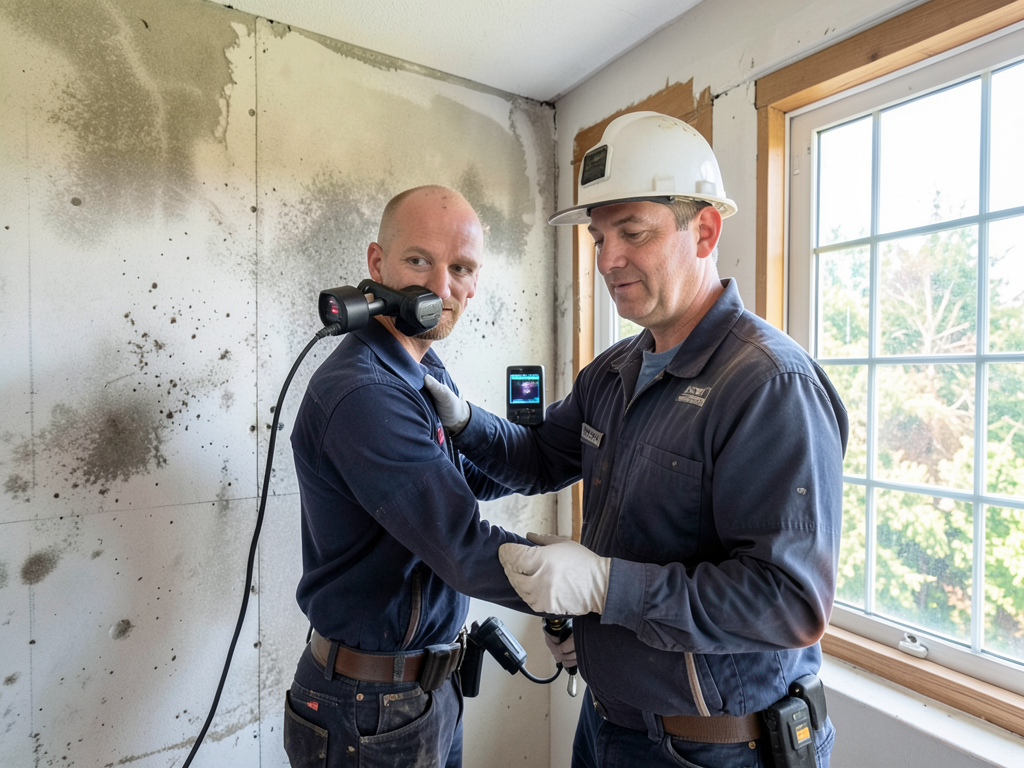
Our teams use thermal imaging cameras to map moisture intrusion patterns through wall assemblies. You can't see water vapor migrating through fiberglass batt insulation, but infrared scanning reveals the exact boundaries of saturation. This data drives our drying strategy and proves to your insurance carrier that the damage extends beyond surface stains.

We document everything with timestamped photos, moisture meter readings, and written observations. Insurance adjusters trust third-party mitigation contractors because we have no incentive to inflate claims. We simply record what we find and execute industry-standard drying protocols.

Emergency storm damage services start with source control. If your roof is compromised, we install reinforced tarps with battens screwed into solid decking. If windows are broken, we board openings with plywood and seal edges with caulk. If water is entering through compromised flashing, we apply temporary waterproofing membranes until permanent repairs can happen.

Next, we extract standing water using truck-mounted pumps and portable extractors. Speed matters because water wicks upward through drywall and baseboards through capillary action. Within 12 hours, you lose the bottom two feet of every affected wall.

After extraction, we place commercial dehumidifiers and air movers in calculated positions to create negative pressure zones. This forces moisture out of building materials and into the dehumidifier coils, where it condenses and drains away. We monitor drying progress daily using calibrated hygrometers until materials return to baseline moisture levels.

What Happens When You Call for Storm Damage Mitigation

Storm Damage Mitigation in Jacksonville – Expert Response Teams Deploy Within Hours
01

Emergency Dispatch and Assessment

We answer your call 24 hours a day and dispatch a crew within two hours. Our technicians arrive with moisture detection equipment, photo documentation tools, and emergency containment supplies. We walk the property with you, identify all affected areas, and explain what needs to happen immediately to prevent further damage. You get a verbal action plan before we move a single piece of equipment.
02

Water Extraction and Drying Setup

Crews extract standing water using truck-mounted vacuums and portable extractors, then position commercial dehumidifiers and air movers based on moisture mapping data. We remove wet insulation, pull baseboards to expose wall cavities, and drill weep holes in trapped areas to allow airflow. This phase establishes the controlled drying environment that prevents mold growth and structural degradation. Equipment runs continuously, monitored by our technicians who adjust placement as materials dry.
03

Monitoring and Documentation Completion

We take daily moisture readings and document drying progress with written logs and photos. When materials reach acceptable moisture levels, we remove equipment and provide a final report to you and your insurance carrier. This documentation includes all before and after readings, equipment logs, and a summary of mitigation activities performed. You receive a complete record proving that proper storm damage remediation protocols were followed to industry standards.

Why Jacksonville Property Owners Choose Fortress Water Damage Restoration for Storm Response

When you call a national franchise, you get a call center in another state and a subcontractor who may or may not show up. When you call Fortress Water Damage Restoration Jacksonville, you get technicians who live here and understand how Jacksonville storms behave.

We know that Riverside and Avondale homes built before 1950 have plaster walls that hold moisture differently than modern drywall. We know that Mandarin properties near Julington Creek flood from below during heavy rain because the water table rises. We know that San Marco bungalows have crawl spaces that trap water against floor joists.

This local knowledge shapes our mitigation approach. We don't use generic drying protocols. We adapt our strategy based on construction type, neighborhood topography, and the specific storm event that caused the damage.

Our relationship with local insurance adjusters speeds up your claim. Adjusters know our documentation is accurate and our drying logs are legitimate. They trust our moisture readings because we use calibrated equipment and follow IICRC S500 standards for water damage restoration. This trust translates into faster approvals and fewer disputes over covered damages.

We also understand Jacksonville building codes and permitting requirements. If your storm damage repair requires structural work, we coordinate with licensed contractors who pull the correct permits and schedule inspections. You don't navigate the permitting maze alone.

Fortress Water Damage Restoration Jacksonville operates year-round storm response crews. We don't shut down when a hurricane approaches. We stage equipment, stock fuel, and prepare to deploy the moment conditions allow. When other companies evacuate, we stay ready to help our neighbors.

You need a mitigation partner who shows up, does the work correctly, and documents everything your insurance company needs to process your claim. That's what we do.

What to Expect When You Work With Our Storm Damage Mitigation Team

Response Time and Availability

We dispatch crews 24 hours a day, 365 days a year. When you call during a declared emergency, we prioritize life-safety issues first, then property protection. Typical response time is under two hours for Jacksonville and surrounding areas. During major storm events affecting the entire region, we triage calls based on severity and deploy teams as quickly as conditions allow. You get a callback within minutes and a realistic estimate of arrival time. We don't make promises we can't keep.

Initial Assessment and Scope Development

Our lead technician walks your property with moisture meters, thermal cameras, and documentation equipment. We identify all affected areas, test moisture levels in building materials, and map the extent of water intrusion. You receive a verbal explanation of what we found, what needs to happen immediately, and what can wait for insurance approval. We take photos and notes that become part of your claim documentation. This assessment typically takes 30 to 60 minutes, depending on property size and damage extent.

Drying Results and Quality Standards

We dry building materials to IICRC S500 standards, which means wood framing below 15 percent moisture content and drywall below 1 percent on a calibrated moisture meter scale. We don't pull equipment until readings confirm proper drying. Typical drying time ranges from three to seven days, depending on materials affected, extent of saturation, and environmental conditions. You get daily progress updates and final documentation showing before and after moisture readings. This proof protects you if mold issues emerge later.

Post-Mitigation Support and Next Steps

After mitigation is complete, we provide a detailed report for your insurance carrier and explain what reconstruction work is needed. We can refer you to licensed contractors we trust for roof repair, siding replacement, or interior restoration. If your claim gets disputed, we provide additional documentation or speak directly with adjusters to clarify our findings. We also offer post-mitigation mold testing if you want independent verification that moisture levels are safe. Our job is to get your property stabilized and position you for successful reconstruction.

Frequently Asked Questions

You Have Questions,
We Have Answers

What is storm mitigation? +

Storm mitigation reduces the risk of property damage before severe weather strikes. In Jacksonville, this means reinforcing your roof against hurricane-force winds, securing windows and doors, improving drainage to handle heavy rainfall, and protecting vulnerable areas like soffits and gables. Mitigation includes both structural upgrades and preventive measures. You strengthen weak points in your home's envelope, install impact-resistant materials, and address water intrusion paths. The goal is to minimize damage when storms hit our coast. Proper mitigation also lowers insurance premiums through wind mitigation inspections, which recognize your investment in protecting your property from Jacksonville's seasonal weather threats.

How to mitigate a storm? +

You mitigate a storm by preparing your property before hurricane season arrives. Start by inspecting your roof for loose shingles, damaged flashing, and weak spots. Install hurricane straps to anchor your roof to the wall structure. Upgrade to impact-resistant windows or add storm shutters. Clear gutters and downspouts to handle heavy rainfall. Trim tree branches that could become projectiles in high winds. Seal gaps around doors and windows. In Jacksonville, addressing humidity and water intrusion points is critical because coastal storms bring both wind and flooding. You also create an emergency plan and document your property for insurance purposes.

How could we mitigate the storm? +

We mitigate storms through proactive property hardening and emergency planning. Structural reinforcements include upgrading roof-to-wall connections, installing hurricane-rated garage doors, and adding secondary water barriers beneath roof shingles. You address drainage issues around your foundation to prevent flooding during Jacksonville's intense summer downpours. We inspect attic ventilation to prevent moisture buildup that weakens structural components. You also secure outdoor equipment and landscaping features that could cause damage in high winds. Professional storm mitigation includes water damage prevention strategies, proper grading around your home, and ensuring all building envelope penetrations are sealed against wind-driven rain common during tropical systems.

What to do if your house is damaged by a storm? +

If your house suffers storm damage, prioritize safety first. Do not enter if you suspect structural instability or electrical hazards. Document all damage with photos and video before making temporary repairs. Contact your insurance company immediately to start a claim. Prevent further damage by tarping roof openings, boarding broken windows, and extracting standing water. In Jacksonville, you need rapid response because humidity accelerates mold growth within 24 to 48 hours. Call a licensed water damage restoration company to assess structural drying needs. Save receipts for emergency repairs. Do not discard damaged materials until your adjuster inspects them. Professional mitigation protects your claim value.

What does mitigation mean with homeowners insurance? +

Mitigation in homeowners insurance refers to actions you take to reduce loss severity after a covered event occurs. Your policy requires you to prevent further damage once the initial loss happens. If a storm tears off shingles and rain enters your attic, you must tarp the opening. If windows break, you board them up. Insurance covers reasonable mitigation costs as part of your claim. In Jacksonville, this also means extracting water quickly to prevent secondary damage like mold and structural rot. Failure to mitigate can result in claim denial for subsequent damage. Your duty to mitigate protects both you and your insurer from escalating losses.

How many years is wind mitigation good for? +

Wind mitigation inspections in Florida remain valid for five years from the inspection date. Your insurance company uses the inspection report to determine premium discounts based on your home's hurricane-resistant features. After five years, you need a new inspection to maintain those discounts. If you make qualifying upgrades like installing a new roof, adding hurricane straps, or upgrading windows, you can get a new inspection immediately to capture additional savings. Jacksonville homeowners should keep their wind mitigation certificate current because it can reduce premiums by 10 to 45 percent. The inspection verifies roof shape, roof-to-wall connections, roof covering, and opening protections.

What are the four steps of mitigation? +

The four steps of mitigation are prevention, property protection, public education, and structural projects. Prevention identifies hazards before they cause damage. Property protection includes physical modifications like roof reinforcements, window upgrades, and drainage improvements. Public education teaches Jacksonville residents how to prepare for hurricanes and severe weather. Structural projects involve large-scale improvements like stormwater management systems and flood control infrastructure. For homeowners, these steps translate to inspecting your property annually, making necessary upgrades, learning emergency procedures, and understanding your local flood zones. Effective mitigation combines personal responsibility with community-level planning to reduce overall risk during Jacksonville's active storm season.

How to deal with storm damage? +

Deal with storm damage by acting quickly and methodically. First, ensure your family's safety and evacuate if authorities recommend it. Once safe to return, document all damage thoroughly before touching anything. Call your insurance company to report the loss. Make temporary repairs to prevent further damage, but save receipts and take photos first. Extract standing water immediately because Jacksonville's humidity creates perfect conditions for mold within 48 hours. Contact a restoration company to assess structural drying needs. Secure your property against theft or additional weather exposure. Do not sign contracts with storm chasers who pressure you. Work with local, licensed contractors who understand Florida building codes.

What are examples of mitigation? +

Mitigation examples include installing hurricane shutters, reinforcing garage doors, adding roof-to-wall hurricane straps, upgrading to impact-resistant windows, improving attic ventilation, sealing building envelope gaps, and installing backflow preventers on plumbing. In Jacksonville, mitigation also means addressing drainage issues around your foundation, trimming trees away from your roof, securing outdoor equipment, and elevating mechanical systems above flood levels. Other examples include replacing old roofing with wind-rated materials, adding secondary water barriers, upgrading soffit and gable vents to withstand wind pressure, and installing French drains to redirect stormwater. Each measure reduces specific risks based on how tropical systems typically damage coastal properties.

What are the 5 mitigation strategies? +

The five mitigation strategies are avoidance, reduction, spreading, transfer, and acceptance. Avoidance means not building in high-risk flood zones. Reduction involves strengthening your property through physical improvements like roof upgrades and window reinforcements. Spreading distributes risk across multiple properties or locations. Transfer shifts financial risk through insurance coverage. Acceptance means acknowledging residual risk you cannot eliminate. For Jacksonville homeowners, you focus on reduction through hurricane-resistant construction and transfer through adequate insurance. You reduce risk by hardening your home against wind and water intrusion. You transfer financial consequences by maintaining proper coverage limits. Combining strategies provides the most protection against our coastal storm threats.

Why Jacksonville's Hurricane Exposure Demands Proactive Storm Damage Mitigation

Jacksonville averages one direct hurricane strike every seven years and experiences tropical storm conditions nearly every season. Unlike inland cities, we face sustained wind-driven rain that penetrates roof-to-wall connections, window flanges, and soffit vents. The St. Johns River basin drains slowly, which means properties near Ortega, Riverside, and San Marco flood from riverine backflow days after a storm passes. You need storm damage mitigation crews who understand how water behaves in a coastal flood zone, not just how to dry a wet carpet.

Fortress Water Damage Restoration Jacksonville has operated through multiple named storms and knows which neighborhoods flood first, which building types fail predictably, and which insurance carriers require specific documentation formats. Our technicians train on IICRC water damage restoration standards and maintain certifications in applied structural drying. When we document your storm damage repair needs, adjusters recognize the quality of our reports and process claims faster. Local expertise matters when your home is at stake.

Water Damage Restoration Services in The Jacksonville Area

Conveniently located to serve the entire region, Fortress is committed to reaching you swiftly when water damage strikes. Our centralized presence allows us to deploy rapid response teams across the service area, ensuring that expert assistance is always just a call away. Explore our location and service radius to see how we can provide immediate, professional water damage restoration solutions directly to your doorstep, minimizing disruption and expediting recovery.

Address:
Fortress Water Damage Restoration Jacksonville, 10752 Deerwood Park Blvd Suit 100, Jacksonville, FL, 32256

Additional Services We Offer

Our news updates

Latest Articles & News from The Blogs

Why Your New Bidet Attachment Might Be Slowly Flooding Your Girvin Bathroom Floor Your bathroom floor feels damp and you…

Why Your New Bidet Attachment Might Be Slowly Flooding Your Girvin Bathroom Floor

Why Your New Bidet Attachment Might Be Slowly Flooding Your Girvin Bathroom Floor Your bathroom floor feels damp and you…

How to Properly Shut Down Your Plumbing Before Leaving Isle of Palms for the Summer

How to Properly Shut Down Your Plumbing Before Leaving Isle of Palms for the Summer Summer vacation should mean relaxation…

The Hidden Meaning Behind Peeling Wallpaper and Bubbling Paint in Lackawanna Homes

The Hidden Meaning Behind Peeling Wallpaper and Bubbling Paint in Lackawanna Homes Peeling wallpaper and bubbling paint in Lackawanna homes…

Contact Us

Call (904) 839-6500 now to dispatch a crew. We answer 24 hours a day and provide immediate phone guidance while our team is en route. Every hour you wait, water spreads deeper into your structure. Stop the damage now.