




Menu

How to Handle Insurance Claims in Jacksonville – Expert Guidance for Maximum Water Damage Coverage

Navigate the water damage insurance claim process with confidence using our proven strategies for filing a water damage claim that protects your Jacksonville property and maximizes your settlement.

Slider Image 1
Slider Image 2
Slider Image 3
Slider Image 4
Slider Image 5
Slider Image 7
Slider Image 8
Slider Image 9
Slider Image 10
Slider Image 11

Why Jacksonville Water Damage Claims Get Denied

Jacksonville homeowners face unique challenges when filing a water damage claim. The St. Johns River watershed and coastal proximity create constant moisture exposure, yet insurers often dispute whether damage stems from sudden incidents or gradual neglect. This distinction determines whether your claim pays out or gets rejected.

Florida's high humidity accelerates mold growth within 24 to 48 hours of water intrusion. Insurance adjusters know this timeline. If you wait too long to document damage or begin mitigation, they will argue you contributed to the loss through delayed action. Jacksonville's older housing stock in neighborhoods like Riverside and Avondale compounds this problem. Many homes have outdated plumbing and roofing systems that insurers scrutinize for pre-existing conditions.

The water damage insurance claim process requires immediate documentation. Photograph everything before touching anything. Capture water lines on walls, saturated flooring, and the source of intrusion. Insurance companies send adjusters who work for them, not you. Their goal is minimizing payout, not maximizing your recovery.

Navigating water restoration claims means understanding policy exclusions. Flood damage requires separate coverage. Surface water intrusion from Jacksonville's frequent thunderstorms falls under different policy provisions than a burst pipe. Roof leaks from missing shingles are covered differently than wind-driven rain through gaps. These distinctions matter. Misclassifying the damage type gives insurers grounds for denial.

Managing water mitigation claims requires acting fast while documenting thoroughly. Every hour you wait costs you leverage in the claim process.

Why Jacksonville Water Damage Claims Get Denied
The Right Way to Document and File Your Claim

The Right Way to Document and File Your Claim

Filing a water damage claim starts the moment you discover intrusion. Stop additional damage first. Shut off the water source if possible. Place buckets under active leaks. Move valuables to dry areas. These actions demonstrate mitigation efforts that insurers expect.

Documentation drives claim approval. Take wide-angle photos showing the entire affected area, then close-ups of specific damage points. Capture serial numbers on damaged appliances. Photograph contents before moving them. Time-stamp everything using your phone's native camera app, which embeds metadata insurers can verify.

Contact your insurance company within 24 hours. Delays raise red flags. When you call, stick to facts. Report what happened, when it happened, and what actions you took. Avoid speculation about causes or estimated repair amounts. Request a claim number and the assigned adjuster's direct contact information.

Water extraction must begin immediately, but this creates a documentation challenge. You need to remove water to prevent mold, yet you must preserve evidence for the adjuster. Professional restoration companies like Fortress Water Damage Restoration Jacksonville handle this balance daily. We photograph conditions before extraction, document moisture readings in floor joists and wall cavities, and maintain chain-of-custody records for all affected materials.

The water damage insurance claim process requires detailed loss inventories. List every damaged item with purchase dates and replacement values. Save receipts if available. For items without receipts, research comparable replacement products online and screenshot the results. This preparation prevents lowball settlement offers based on depreciated values.

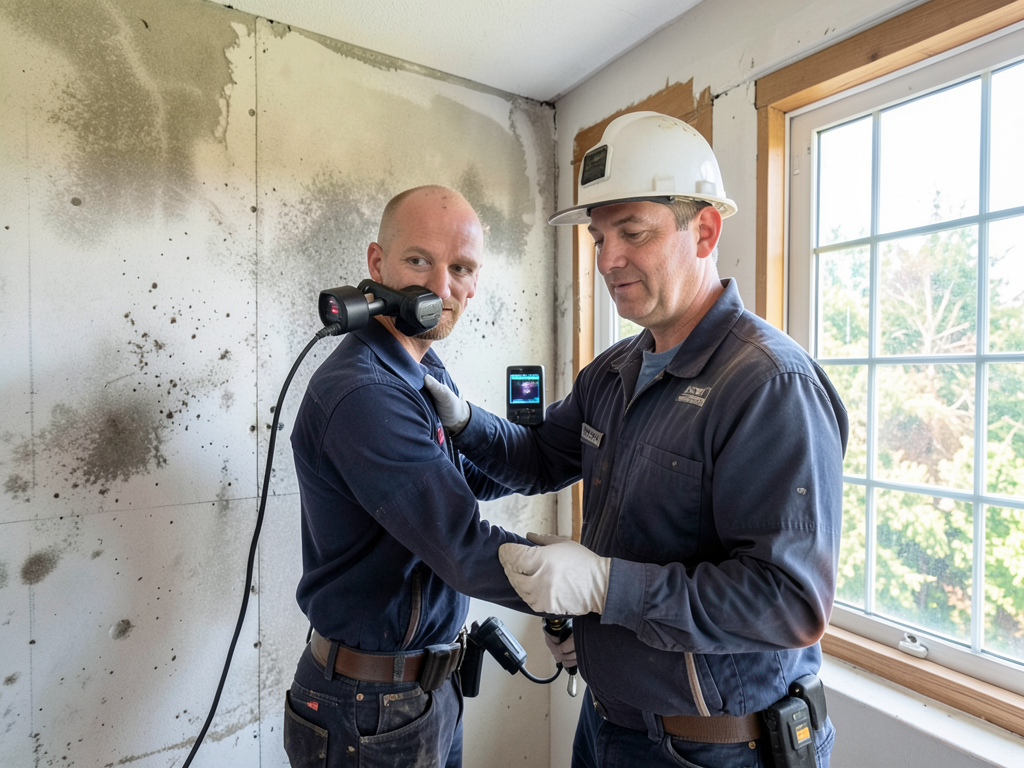
Insurance adjusters use moisture meters and thermal imaging to verify claims. We use the same equipment during initial assessment, creating parallel documentation that supports your position during negotiations.

Your Step-by-Step Claim Filing Guide

How to Handle Insurance Claims in Jacksonville – Expert Guidance for Maximum Water Damage Coverage
01

Emergency Contact and Mitigation

Call your insurance company immediately after discovering water damage. Report the incident, get your claim number, and ask about emergency mitigation coverage. Most policies cover reasonable steps to prevent additional damage. Begin water extraction and document everything with photos and videos. This initial response period is critical. Jacksonville's humidity means mold colonization starts fast, and insurers will examine whether you acted promptly to minimize loss.
02

Professional Assessment and Documentation

Schedule a comprehensive damage assessment before the adjuster arrives. Professional restoration contractors use moisture meters to detect hidden water in wall cavities, subfloors, and ceiling spaces that visual inspection misses. We create detailed scope-of-loss reports with moisture readings, affected square footage, and material-specific damage classifications. This independent assessment gives you leverage when the insurance adjuster presents their estimate. Having professional documentation prevents disputes about damage extent.
03

Negotiation and Settlement

Review the adjuster's estimate against your professional assessment. Insurers often underestimate drying time, overlook affected materials, or use deprecated replacement values. Challenge discrepancies with documentation. Request line-item explanations for any exclusions. If the settlement seems low, you can negotiate using your independent estimates. Most Jacksonville water damage claims settle within 30 days when properly documented. Poor documentation leads to months of dispute and potential legal action.

Why Jacksonville Property Owners Trust Local Restoration Experts

Insurance adjusters work the same claims repeatedly. They know which restoration companies cut corners and which ones maintain documentation standards that withstand scrutiny. Fortress Water Damage Restoration Jacksonville has built relationships with every major carrier operating in Duval County. Adjusters trust our moisture readings, accept our scopes of loss, and rarely dispute our mitigation recommendations.

Jacksonville's building codes changed significantly after Hurricane Irma. Homes built before 2002 have different flood elevation requirements than newer construction. This affects coverage determinations for first-floor water intrusion. We know which code provisions apply to your property's age and construction type. This knowledge prevents insurers from incorrectly classifying covered losses as code-related upgrades.

Local knowledge matters when navigating water restoration claims. The Arlington neighborhood sits in a different flood zone than Mandarin. Properties near the Trout River face different water intrusion risks than Southside homes. We understand Jacksonville's microclimates, soil drainage patterns, and construction variations across different development eras. This expertise translates to stronger claim documentation.

Tips for water damage insurance claims always include hiring local professionals who work with carriers daily. We speak the adjuster's language. We know what documentation they need before they ask. We understand the difference between covered perils and policy exclusions specific to Florida homeowner policies.

Managing water mitigation claims requires persistence. Insurers delay, request additional documentation, and hope you accept low initial offers. We have worked hundreds of Jacksonville claims. We know standard settlement ranges for different damage scenarios. This experience prevents you from accepting inadequate compensation out of frustration or ignorance.

Jacksonville property owners need advocates who understand both restoration science and insurance procedures. That combination protects your investment.

What Happens During the Claim Process

Response Timeline Expectations

Insurance companies must acknowledge your claim within 14 days under Florida law. The adjuster should contact you within 72 hours to schedule an inspection. Emergency mitigation begins immediately, regardless of adjuster availability. You cannot wait for approval to extract standing water or begin drying. These actions prevent additional damage that would otherwise fall on you as the policyholder. Most adjusters visit within three to five business days of your initial report. If they delay beyond seven days, document the timeline and notify the claims supervisor. Delays work against you in Jacksonville's humid environment where mold develops rapidly.

The Adjuster Inspection Process

The insurance adjuster walks the property, takes photos, and documents affected areas. They use moisture meters to verify water intrusion extent. Be present during this inspection. Point out all damaged areas, even minor ones. Adjusters sometimes miss ceiling stains, baseboard damage, or subflooring issues. They create a preliminary scope of loss that determines your initial settlement offer. This estimate often lowballs actual restoration costs. Having your own professional assessment provides comparison data. The adjuster sends their report to the claims department, which generates a settlement offer within 10 to 15 business days.

Settlement and Repair Authorization

You receive a settlement offer based on the adjuster's damage assessment. This offer includes actual cash value, which deducts depreciation, or replacement cost value, which pays full replacement after work completion. Review every line item. Compare it against professional estimates from qualified contractors. Dispute any discrepancies in writing with supporting documentation. Once you accept the settlement, you receive an initial check minus your deductible. Complete the repairs using licensed contractors. Submit final invoices to recover any replacement cost value holdback. The entire process takes 30 to 90 days for straightforward claims.

Post-Settlement Documentation Requirements

Insurance companies require proof of completed repairs before releasing remaining funds. Save all contractor invoices, material receipts, and before-and-after photos. Some policies include loss-of-use coverage for temporary housing during major repairs. Submit hotel receipts or rental agreements promptly. Keep communication records with adjusters, including emails and call logs. If mold develops later due to incomplete drying, you need proof that initial mitigation was adequate. Professional restoration companies provide certificates of completion that document final moisture readings. These records protect you if secondary damage appears months later.

Frequently Asked Questions

You Have Questions,
We Have Answers

How do you handle insurance claims? +

Start by documenting all damage immediately with photos and videos. Contact your insurance company within 24 hours to file your claim. Keep detailed records of all communications, including adjuster names, dates, and claim numbers. In Jacksonville, water damage from storms or plumbing failures requires quick action to prevent mold growth in our humid climate. Save all receipts for temporary repairs or emergency services. Provide your insurer with a complete inventory of damaged items and their estimated value. Work with a restoration company that communicates directly with your adjuster to streamline the process and ensure proper documentation.

What are the 3 D's of insurance claims? +

The 3 D's are Documentation, Diligence, and Dialogue. Documentation means capturing every detail of the damage through photos, videos, and written notes before cleanup begins. Diligence requires you to follow up regularly with your insurer, meet all deadlines, and track every conversation. Dialogue means maintaining clear, honest communication with your adjuster and restoration team. Jacksonville homeowners face unique challenges with hurricane damage and flooding, so thorough documentation of roof leaks, water intrusion points, and structural issues proves critical. These three principles help you build a strong claim that protects your interests and speeds up settlement.

What not to say during an insurance claim? +

Avoid saying you are not sure what caused the damage or giving vague timelines. Never admit fault or speculate about pre-existing conditions you cannot verify. Do not say the damage seems minor or exaggerate losses. Avoid discussing previous claims or unrelated property issues. In Jacksonville, where storm damage is common, stick to facts about when you discovered the problem and what you observed. Do not accept a settlement offer immediately without reviewing it carefully. Never say you already started major repairs without approval. Keep answers factual and brief. Let evidence speak for you.

What is the 80% rule in insurance? +

The 80% rule means you must insure your property for at least 80% of its replacement cost to receive full coverage on partial losses. If you underinsure, you become a co-insurer and the company pays only a proportionate amount. For example, if your Jacksonville home costs $300,000 to rebuild but you only carry $200,000 in coverage, you are penalized on claims. This rule matters in our market where construction costs fluctuate and coastal properties face higher replacement values. Review your coverage annually, particularly after hurricanes or major renovations, to maintain adequate protection and avoid out-of-pocket expenses.

What is the claims handling process? +

The process starts when you report the loss to your insurance company. An adjuster gets assigned to inspect the damage and evaluate your claim. You submit supporting documentation, including photos, repair estimates, and receipts. The adjuster reviews your policy coverage, determines what is covered, and calculates the payout. You receive an initial payment, often less depreciation, with additional funds released after repairs are verified. In Jacksonville, where water damage and storm claims are frequent, this process can take weeks or months depending on claim complexity. Maintain regular contact with your adjuster and document all repair progress to keep things moving.

How to handle insurance denials? +

Request a detailed written explanation of the denial citing specific policy language. Review your policy carefully to understand the reasoning and identify potential gaps in their argument. Gather additional evidence that supports your claim, including expert assessments or contractor opinions. File a formal appeal with your insurance company within the deadline specified in your denial letter. In Jacksonville, many water damage denials stem from disputes about the cause of loss or maintenance issues. Consider hiring a public adjuster or attorney who understands Florida insurance law if the denial seems unfair. Document everything and persist through the appeals process.

What not to say to an insurance claim adjuster? +

Do not say you are unsure when the damage occurred or that you waited to report it. Avoid mentioning any unrelated property issues or previous claims. Never speculate about causes you cannot verify or admit to deferred maintenance without proof. Do not downplay the damage or agree it looks minor. In Jacksonville, where humidity accelerates secondary damage, be specific about visible problems but avoid diagnosing hidden issues yourself. Do not sign anything without reading it thoroughly. Avoid accepting blame for the incident. Keep conversations focused on documented facts and let professionals assess technical details.

What are the 4 phases of the claim process? +

Phase one is reporting the claim and initial documentation. Phase two involves the adjuster inspection and damage assessment. Phase three covers the review process where the insurer evaluates coverage and calculates your payout. Phase four is settlement and repair completion. In Jacksonville, water damage claims often get complicated during phase two when adjusters dispute the extent of moisture intrusion or mold growth. Each phase has specific deadlines and requirements you must meet. Delays often happen between phases three and four when homeowners and insurers negotiate settlement amounts. Stay proactive, respond quickly to requests, and maintain detailed records throughout.

What are the three most common mistakes on a claim that will cause denials? +

The first mistake is incomplete documentation, which leaves gaps the insurer exploits to reduce your payout. Second is missing deadlines for filing, submitting paperwork, or responding to requests, which can void your claim entirely. Third is failing to mitigate further damage, which insurance companies use to deny coverage for secondary losses. In Jacksonville, where water damage spreads quickly in humid conditions, delaying mitigation or documentation creates problems. Not taking enough photos before cleanup, waiting too long to report storm damage, or skipping temporary repairs all trigger denials. Prevent these errors by acting fast and keeping meticulous records.

What insurance adjusters won't tell you? +

Adjusters will not volunteer that you can negotiate their initial offer or hire your own experts for second opinions. They will not tell you about policy provisions that might increase your payout or that depreciation holdback can be recovered. Many adjusters minimize damage to save their company money. In Jacksonville, they may downplay moisture intrusion or mold risk to limit payouts. They will not mention that you can dispute their findings or request a reinspection. Adjusters work for the insurance company, not you. Get independent assessments, read your policy completely, and question lowball estimates before accepting settlement.

How Jacksonville's Coastal Climate Complicates Water Damage Claims

Jacksonville sits at the intersection of the St. Johns River and Atlantic Ocean, creating constant high humidity that accelerates water damage progression. Insurance adjusters use this climate against policyholders, arguing that mold or structural deterioration stems from long-term moisture exposure rather than sudden water intrusion events. Properties in Riverside, San Marco, and Ortega experience elevated groundwater levels during heavy rain periods, causing foundation seepage that insurers classify as flood damage requiring separate coverage. Understanding these local water intrusion patterns helps you document whether damage qualifies as a covered peril under standard homeowner policies or represents an excluded event.

Duval County building codes require specific moisture barrier installations and drainage systems that differ from inland Florida counties. When filing a water damage claim, insurers examine whether your property meets current code standards or if water intrusion resulted from outdated construction methods. Fortress Water Damage Restoration Jacksonville knows which code provisions apply to homes built in different decades across Jacksonville neighborhoods. We document how water entered your property and whether the intrusion pathway represents a covered sudden loss or a maintenance issue. This local expertise prevents insurers from misclassifying legitimate claims as policyholder negligence.

Water Damage Restoration Services in The Jacksonville Area

Conveniently located to serve the entire region, Fortress is committed to reaching you swiftly when water damage strikes. Our centralized presence allows us to deploy rapid response teams across the service area, ensuring that expert assistance is always just a call away. Explore our location and service radius to see how we can provide immediate, professional water damage restoration solutions directly to your doorstep, minimizing disruption and expediting recovery.

Address:
Fortress Water Damage Restoration Jacksonville, 10752 Deerwood Park Blvd Suit 100, Jacksonville, FL, 32256

Additional Services We Offer

Our news updates

Latest Articles & News from The Blogs

Why Your New Bidet Attachment Might Be Slowly Flooding Your Girvin Bathroom Floor Your bathroom floor feels damp and you…

Why Your New Bidet Attachment Might Be Slowly Flooding Your Girvin Bathroom Floor

Why Your New Bidet Attachment Might Be Slowly Flooding Your Girvin Bathroom Floor Your bathroom floor feels damp and you…

How to Properly Shut Down Your Plumbing Before Leaving Isle of Palms for the Summer

How to Properly Shut Down Your Plumbing Before Leaving Isle of Palms for the Summer Summer vacation should mean relaxation…

The Hidden Meaning Behind Peeling Wallpaper and Bubbling Paint in Lackawanna Homes

The Hidden Meaning Behind Peeling Wallpaper and Bubbling Paint in Lackawanna Homes Peeling wallpaper and bubbling paint in Lackawanna homes…

Contact Us

Insurance companies bank on you accepting their first offer. We help Jacksonville property owners fight for full compensation. Call Fortress Water Damage Restoration Jacksonville at (904) 839-6500 now for immediate claim support and professional damage assessment.