


Menu

Wet Carpet & Padding in Jacksonville – Get Expert Diagnosis and Complete Moisture Removal

We identify hidden moisture pockets in flooded carpet and underpad that cause mold, structural damage, and lingering odors throughout Jacksonville homes and businesses.

Slider Image 1
Slider Image 2
Slider Image 3
Slider Image 4
Slider Image 5
Slider Image 7
Slider Image 8
Slider Image 9
Slider Image 10
Slider Image 11

Why Wet Carpet and Padding Becomes a Serious Problem in Jacksonville

You step onto the carpet and feel the squish. The padding underneath holds water like a sponge. This is not a cosmetic issue. This is structural damage in progress.

Jacksonville's coastal humidity creates the worst possible environment for water damaged carpet and pad. When carpeting gets soaked, the moisture does not evaporate. It migrates downward into the cushion, then into the subfloor. Within 24 to 48 hours, mold spores colonize the saturated carpet and cushion. The organic materials in carpet backing and padding become a food source. You smell it before you see it.

Most homeowners try fans and dehumidifiers. This dries the surface fibers but leaves the underlayment wet. The carpet feels dry to the touch, but the pad remains saturated. Water sits trapped between the carpet backing and the subfloor. This creates a sealed moisture pocket that breeds mold, warps subflooring, and damages floor joists.

Flooding from burst pipes, appliance failures, or storm surge does not just wet the carpet. It contaminates it. Sewage backups, river water from the St. Johns, or groundwater seepage carry bacteria, chemicals, and organic matter. You cannot see the contamination, but it embeds into every fiber of the flooded carpet and underpad.

The real damage happens invisibly. Water wicks up drywall. It travels under baseboards. It saturates insulation in crawl spaces. By the time you see the problem, the damage extends far beyond the soaked carpeting and underlay. Jacksonville's warm temperatures accelerate microbial growth. What starts as a wet carpet becomes a health hazard in less than 72 hours.

Why Wet Carpet and Padding Becomes a Serious Problem in Jacksonville
How We Extract Water and Remove Contaminated Materials

How We Extract Water and Remove Contaminated Materials

We do not dry wet carpet in place. We extract it, inspect what lies beneath, and remove compromised materials.

First, we use truck-mounted extraction units that pull water from the carpet pile, backing, and cushion. These systems generate more vacuum power than portable extractors. We make multiple passes over the same area, compressing the carpet to force water out of the underlayment. This removes standing water but does not address saturation in the padding.

Next, we pull back the carpet to inspect the pad and subfloor. Most water damage professionals skip this step. They assume the pad will dry. It will not. Carpet padding absorbs water and retains it. Even after extraction, the pad remains wet. We remove and dispose of all wet carpet underlayment. There is no salvaging it. The cost of replacement is less than the cost of mold remediation.

We then inspect the subfloor for moisture content using penetrating moisture meters. Wood subfloors absorb water quickly. If the moisture reading exceeds 16 percent, the subfloor requires drying or replacement. Concrete slabs trap moisture beneath the surface. We use non-invasive meters to measure moisture levels without drilling. If the slab is saturated, we deploy drying mats that create negative pressure and pull moisture from the concrete.

We treat all surfaces with antimicrobial agents to prevent mold growth. This is not optional. Jacksonville's humidity guarantees mold will colonize any damp surface within 48 hours. We apply EPA-registered disinfectants to the subfloor, carpet backing, and any affected framing. The treatment kills existing mold spores and inhibits future growth.

Finally, we set up commercial dehumidifiers and air movers. These units run continuously until moisture levels return to normal. We monitor the drying process with daily moisture readings. We do not rely on guesswork. We dry until the meter confirms complete moisture removal.

What Happens When You Call Us About Flooded Carpeting

Wet Carpet & Padding in Jacksonville – Get Expert Diagnosis and Complete Moisture Removal
01

Emergency Water Extraction

We arrive with truck-mounted extraction equipment and remove standing water from the carpet pile, backing, and pad. Multiple passes over saturated areas compress the carpet and force water out of the underlayment. We measure moisture content in the subfloor and padding to determine the extent of saturation and plan the next steps.
02

Carpet and Pad Removal

We pull back the carpet to expose the wet padding and subfloor. The padding gets removed and disposed of. We inspect the subfloor for warping, staining, or structural damage. If the subfloor shows signs of saturation, we deploy drying equipment or recommend replacement. All affected materials are documented for insurance purposes.
03

Antimicrobial Treatment and Drying

We apply EPA-registered antimicrobial treatments to all exposed surfaces. Commercial dehumidifiers and air movers run continuously until moisture levels return to normal. We monitor the drying process with daily moisture meter readings. Once the subfloor is completely dry, the space is ready for new padding and carpet reinstallation.

Why Jacksonville Property Owners Choose Fortress Water Damage Restoration

You need a team that understands how water behaves in Jacksonville's unique environment. Coastal humidity, tidal flooding, and aging infrastructure create water damage scenarios you will not find inland. We know how river flooding from the St. Johns affects properties near the Northbank and Southbank. We know how storm surge moves through Riverside and San Marco. We know which neighborhoods flood during king tides and which properties have recurring slab leaks.

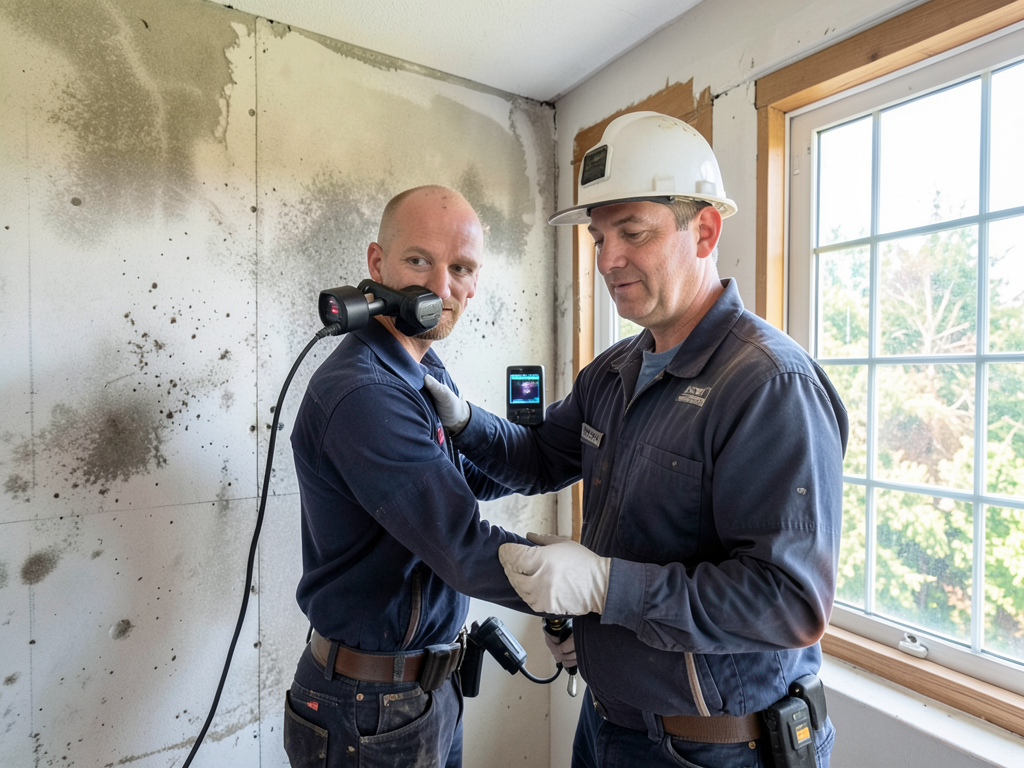
We do not guess at moisture levels. We measure them. Our technicians use thermal imaging cameras to detect hidden moisture pockets behind walls and under flooring. We use penetrating moisture meters to measure water content in subflooring and framing. We document everything for insurance claims. Most water damage companies provide estimates based on visible damage. We provide assessments based on measured moisture levels.

We work directly with insurance adjusters. We know what documentation they require. We take photographs, moisture readings, and material samples. We provide detailed scope-of-work reports that justify every line item. This speeds up claim approval and reduces out-of-pocket expenses for property owners.

Our equipment is commercial-grade. We do not use consumer-grade dehumidifiers and fans. We deploy industrial desiccant dehumidifiers that remove moisture even in high-humidity environments. We use axial air movers that create airflow patterns designed for structural drying. We use truck-mounted extraction units that remove more water in one pass than portable extractors remove in ten passes.

We understand Jacksonville's building methods. Homes in historic districts like Avondale and Springfield have pier-and-beam foundations. These structures require different drying strategies than slab-on-grade homes in Mandarin or Ponte Vedra. We know how to access crawl spaces, dry floor joists, and prevent secondary damage to historic materials. This is not generic water damage restoration. This is specialized work that requires local knowledge.

What to Expect When We Handle Your Water Damaged Carpet

Immediate Response Time

We dispatch a crew within two hours of your call. Water damage does not wait, and neither do we. Our teams are equipped with extraction equipment, moisture meters, and antimicrobial treatments. We begin water removal immediately. Speed matters because mold colonization begins within 24 to 48 hours in Jacksonville's humid climate. The faster we extract water and remove saturated materials, the less secondary damage occurs to subflooring, drywall, and framing.

Thorough Moisture Assessment

We do not assume anything is dry. We measure moisture content in the carpet, padding, subfloor, and walls. We use thermal imaging to detect hidden moisture pockets that indicate water migration behind baseboards or under flooring. We document all findings with photographs and moisture readings. This assessment determines the scope of work and provides the documentation your insurance adjuster needs. We explain what can be saved and what must be replaced.

Complete Contamination Removal

If the water contains sewage, river water, or chemical contaminants, we treat it as a biohazard. We remove all contaminated materials, including carpet, padding, and affected drywall. We do not attempt to sanitize materials that have been exposed to category three water. We dispose of contaminated materials according to Florida regulations. We then treat all remaining surfaces with antimicrobial agents to eliminate bacteria, mold spores, and pathogens. The goal is to return your property to a safe, habitable condition.

Post-Drying Verification

We do not leave until the space is completely dry. We take final moisture readings and compare them to baseline readings taken at the start of the project. We provide you with a written report that documents moisture levels before and after drying. This report confirms that your property is dry and ready for reconstruction. If you plan to reinstall carpet, we verify that the subfloor meets manufacturer specifications for moisture content. This prevents warranty issues down the line.

Frequently Asked Questions

You Have Questions,
We Have Answers

Is carpet padding ruined if it gets wet? +

Yes, carpet padding is usually ruined if it gets wet. Padding acts like a sponge and absorbs water deep into its core. Once saturated, it becomes a breeding ground for mold and bacteria within 24 to 48 hours. Jacksonville's high humidity makes this worse because padding stays damp longer. Even if the surface dries, moisture trapped inside breaks down the material and creates health risks. You can try to salvage it if the water is clean and you act fast, but most professionals recommend replacement. Trying to save contaminated padding puts your family at risk.

How to dry out wet carpet padding? +

Remove the carpet and pull up the wet padding immediately. Use a wet vacuum to extract standing water from both the padding and subfloor. Set up high-velocity air movers and dehumidifiers to dry the area completely. In Jacksonville, moisture lingers because of coastal humidity, so professional-grade equipment works faster than box fans. Check moisture levels with a meter to confirm dryness. If the padding was soaked for more than 24 hours or the water was dirty, replacement is safer. Drying padding takes 48 to 72 hours under ideal conditions, but complete drying is rare without professional help.

Is carpet ruined if it gets wet? +

It depends on the type of water and how fast you respond. Clean water from a supply line can be managed if you extract it within hours. Carpet fibers dry faster than padding. However, dirty water from sewage or flooding contaminates the carpet and requires replacement. Jacksonville storms and plumbing failures often introduce contaminated water. Even with clean water, if the carpet sits wet for more than 48 hours, mold sets in and ruins it. Synthetic fibers handle moisture better than natural fibers like wool. Professional extraction and drying give you the best chance to save it.

How long can carpet stay wet before mold? +

Mold can start growing in carpet within 24 to 48 hours after getting wet. Jacksonville's humidity accelerates this timeline because moisture does not evaporate quickly. Warm indoor temperatures and organic material in carpet fibers create perfect conditions for spores to colonize. If you cannot dry the carpet completely within 24 hours, mold risk increases sharply. Visible mold appears as dark spots or discoloration, but spores grow underneath long before you see surface signs. Fast water extraction and airflow are critical. Waiting longer than two days almost guarantees mold contamination and health hazards.

Can mold grow under carpet padding? +

Yes, mold grows easily under carpet padding because it traps moisture and provides organic material for spores to feed on. You cannot see what is happening underneath, so contamination spreads unnoticed. Jacksonville's humid climate makes the problem worse because padding stays damp even after the carpet surface feels dry. Mold under padding releases spores into your indoor air and causes respiratory problems. Once mold colonizes padding, you cannot clean it effectively. You must remove and replace the padding, then treat the subfloor. Ignoring hidden mold creates long-term health risks and structural damage to your home.

Can carpet be saved after water damage? +

Carpet can be saved after water damage if you act within the first 24 hours and the water is clean. Remove standing water immediately with extraction equipment. Pull up the carpet to dry the padding and subfloor separately. Use air movers and dehumidifiers to speed evaporation. In Jacksonville, high humidity slows natural drying, so professional equipment is necessary. If the water came from a contaminated source like sewage or flooding, you must replace the carpet. Waiting too long allows mold to colonize fibers and padding. Clean water and fast response give you the best chance for recovery.

Will damp carpet dry on its own? +

Damp carpet will not dry properly on its own, especially in Jacksonville. High humidity prevents effective evaporation, and moisture lingers in padding and subfloors. Without air movement and dehumidification, you create perfect conditions for mold growth. Even if the surface feels dry after a few days, trapped moisture underneath continues to cause damage. You need extraction equipment, air movers, and dehumidifiers to dry carpet thoroughly. Opening windows or running ceiling fans is not enough. Leaving carpet damp risks mold contamination, odors, and permanent damage. Professional drying equipment removes moisture in 24 to 72 hours.

What are signs of mold in carpet? +

Signs of mold in carpet include musty odors, visible dark spots or discoloration, and allergy symptoms like sneezing or coughing. You might notice a damp smell even if the carpet looks dry. Jacksonville's humidity makes mold smell stronger because spores thrive in moisture. Check for staining on carpet edges or near baseboards where water collects. If the carpet feels spongy or the padding underneath stays damp, mold is likely growing. Health symptoms worsen when you spend time in the room. Once you smell mold, contamination has already spread. Professional testing confirms the presence and extent of growth.

Is it okay to sleep in a room with wet carpet? +

No, you should not sleep in a room with wet carpet. Wet carpet releases moisture into the air and increases indoor humidity, creating breathing discomfort. Mold spores begin growing within 24 hours and become airborne while you sleep. Jacksonville's climate already has high humidity, so wet carpet makes indoor air quality worse. Breathing mold spores causes respiratory irritation, headaches, and allergy symptoms. Children and people with asthma face higher health risks. Move to a dry room until the carpet is completely dried and inspected for mold. Your health is not worth the risk of exposure.

How to dry a wet carpet quickly? +

Remove standing water immediately with a wet vacuum or extraction equipment. Pull up the carpet and padding to expose the subfloor. Set up multiple air movers to create airflow across all wet surfaces. Run a dehumidifier to pull moisture from the air. In Jacksonville, high humidity slows drying, so professional-grade equipment works faster than household fans. Open windows only if outside humidity is lower than inside. Check moisture levels with a meter to confirm complete drying. The process takes 24 to 72 hours depending on saturation levels. Fast action prevents mold and saves your carpet.

How Jacksonville's Coastal Humidity Makes Wet Carpet and Padding a Mold Risk

Jacksonville sits at sea level with relative humidity averaging 75 percent year-round. When carpet and padding get wet, the surrounding air cannot absorb the moisture. The water stays trapped in the underlayment and subfloor. This creates an ideal environment for mold growth. Aspergillus, Penicillium, and Stachybotrys thrive in damp carpet backing and padding. The problem worsens in neighborhoods near the St. Johns River, Atlantic Beach, and the Intracoastal Waterway, where salt air and tidal flooding increase moisture exposure. Wet carpet does not dry on its own in this climate. It rots.

We work with property owners across Duval County, from Springfield to Southside, and we understand local construction methods. Older homes in Riverside and Avondale have pier-and-beam foundations that allow water to pool under flooring. Newer homes in Nocatee and Durbin Crossing have slab foundations that trap moisture beneath carpet and tile. We adjust our drying methods based on the construction type and the specific water damage scenario. Local expertise matters because generic drying techniques do not account for Jacksonville's humidity, soil composition, or building codes.
Water Damage Restoration Services in The Jacksonville Area

Conveniently located to serve the entire region, Fortress is committed to reaching you swiftly when water damage strikes. Our centralized presence allows us to deploy rapid response teams across the service area, ensuring that expert assistance is always just a call away. Explore our location and service radius to see how we can provide immediate, professional water damage restoration solutions directly to your doorstep, minimizing disruption and expediting recovery.

Address:
Fortress Water Damage Restoration Jacksonville, 10752 Deerwood Park Blvd Suit 100, Jacksonville, FL, 32256

Additional Services We Offer

Our news updates

Latest Articles & News from The Blogs

Why Your New Bidet Attachment Might Be Slowly Flooding Your Girvin Bathroom Floor Your bathroom floor feels damp and you…

Why Your New Bidet Attachment Might Be Slowly Flooding Your Girvin Bathroom Floor

Why Your New Bidet Attachment Might Be Slowly Flooding Your Girvin Bathroom Floor Your bathroom floor feels damp and you…

How to Properly Shut Down Your Plumbing Before Leaving Isle of Palms for the Summer

How to Properly Shut Down Your Plumbing Before Leaving Isle of Palms for the Summer Summer vacation should mean relaxation…

The Hidden Meaning Behind Peeling Wallpaper and Bubbling Paint in Lackawanna Homes

The Hidden Meaning Behind Peeling Wallpaper and Bubbling Paint in Lackawanna Homes Peeling wallpaper and bubbling paint in Lackawanna homes…

Contact Us

Call Fortress Water Damage Restoration Jacksonville at (904) 839-6500 right now. We will send a crew to extract water, remove contaminated padding, and dry your property completely. Do not wait for mold to take hold.