




Menu

Preventative Waterproofing Tips in Jacksonville | Protect Your Home Before Water Damage Strikes

Expert preventative waterproofing tips designed specifically for Jacksonville's humid subtropical climate to help you stop water intrusion, control moisture buildup, and avoid the devastating costs of flood damage and mold remediation.

Slider Image 1
Slider Image 2
Slider Image 3
Slider Image 4
Slider Image 5
Slider Image 7
Slider Image 8
Slider Image 9
Slider Image 10
Slider Image 11

Why Jacksonville Homes Face Unique Water Intrusion Risks

Jacksonville sits in a humid subtropical zone where annual rainfall averages 52 inches. You deal with intense summer thunderstorms, hurricane season from June through November, and year-round humidity levels that hover above 70 percent. This combination creates perfect conditions for water intrusion, foundation seepage, and hidden moisture damage.

Your home faces threats most other regions never encounter. The St. Johns River watershed means high water tables in neighborhoods like Riverside, Ortega, and Mandarin. Clay-heavy soil expands when saturated and contracts during dry spells, creating foundation movement that opens cracks for water entry. Coastal areas near Jacksonville Beach and Atlantic Beach deal with salt-laden air that accelerates material degradation and compromises weather sealing.

Most homeowners do not realize water damage starts months or years before visible signs appear. A small gap around a window frame allows moisture penetration during hurricane-force rains. Poor grading sends runoff toward your foundation instead of away from it. Clogged gutters overflow and saturate the soil against your crawlspace walls. These small failures compound over time.

Proactive water sealing methods and moisture control best practices prevent the catastrophic damage that requires professional restoration services. A water damage prevention checklist tailored to Jacksonville's climate helps you identify vulnerabilities before they turn into insurance claims. DIY waterproofing techniques work when applied correctly to the right problem areas, but you need to understand what to look for and where your home is most vulnerable.

Why Jacksonville Homes Face Unique Water Intrusion Risks
How to Implement Effective Moisture Control in Jacksonville

How to Implement Effective Moisture Control in Jacksonville

Effective waterproofing starts with understanding how water moves around and through your property. Water follows the path of least resistance. It seeks cracks, gaps, and porous materials. Your goal is to eliminate easy entry points and create positive drainage that directs water away from vulnerable areas.

Start with exterior grading. Walk your property perimeter and check the soil slope. You want a minimum six-inch drop over the first ten feet extending from your foundation. If soil has settled or was improperly graded during construction, regrade using clay-rich fill that compacts well and sheds water. This single step prevents more water intrusion than any other measure.

Inspect your gutter system quarterly. Jacksonville's oak trees drop leaves year-round, not just in fall. Clogged gutters cause overflow that dumps thousands of gallons directly against your foundation during heavy rains. Install gutter guards if you have mature trees overhead. Extend downspouts at least six feet from the foundation using solid extensions, not flexible corrugated pipe that degrades in UV exposure.

Check window and door sealing annually. Use a moisture meter to test the wall cavity around frames after heavy rain. Moisture readings above 17 percent indicate active intrusion. Remove old caulking that has cracked or separated and apply polyurethane or silicone-based sealants rated for exterior use and UV resistance.

Crawlspace vapor barriers are critical in Jacksonville's high-humidity environment. Install six-mil polyethylene sheeting across the entire crawlspace floor, overlapping seams by 12 inches and sealing with waterproof tape. Extend the barrier six inches up foundation walls. This prevents ground moisture from entering your home and raising interior humidity levels.

Your Home Waterproofing Maintenance Guide

Preventative Waterproofing Tips in Jacksonville | Protect Your Home Before Water Damage Strikes
01

Seasonal Inspection Schedule

Complete a full property inspection four times per year, timed with season changes. Check for new foundation cracks, deteriorated sealants, gutter damage, and drainage issues. Document findings with photos and notes. Pre-hurricane season inspections in May prevent emergency failures during summer storms. Post-season checks in November identify damage before winter rains arrive.
02

Priority Repair Implementation

Address identified problems in order of risk. Foundation cracks take priority because they allow direct water entry and can indicate structural movement. Window and door seal failures come next, followed by gutter repairs and drainage improvements. Use appropriate materials for each application. Hydraulic cement for active foundation leaks, polyurethane sealants for expansion joints, and silicone for window frames.
03

Documentation and Monitoring

Keep detailed records of all waterproofing work completed. Note dates, materials used, and areas treated. Monitor previously repaired areas during heavy rains to verify effectiveness. Take moisture readings in vulnerable locations like crawlspaces and attics using a pin-type meter. Readings that increase over time indicate your waterproofing measures need adjustment or professional evaluation.

Why Jacksonville Homeowners Trust Fortress Water Damage Restoration

We understand Jacksonville's unique water intrusion challenges because we have worked in this climate for years. Our team responds to water damage calls from Nocatee to Westside, from the Beaches to Orange Park. We see the same patterns repeatedly: foundation seepage in Mandarin's clay soils, hurricane-driven rain intrusion along the coast, and chronic humidity problems in older Riverside homes with poor crawlspace ventilation.

This local knowledge shapes how we educate homeowners on preventative waterproofing. We know which neighborhoods face the highest water tables. We understand how Jacksonville's building codes have evolved and what older homes lack in moisture protection. We have tested dozens of sealant products in our humid environment to determine what actually holds up versus what fails within two years.

When you call us for guidance on proactive water sealing methods, you talk to technicians who have performed moisture mapping in homes throughout Duval County. We have extracted water from flooded crawlspaces, dried out soaked drywall after roof leaks, and remediated mold growth caused by years of undetected moisture intrusion. This experience gives us perspective on what preventative measures actually work.

Our home waterproofing maintenance guide reflects real Jacksonville conditions, not generic advice copied from national websites. We recommend specific gutter guard systems that handle our oak leaf loads. We specify foundation sealants that remain flexible in our temperature and humidity swings. We explain why certain DIY waterproofing techniques work well for minor issues but require professional intervention when water intrusion has progressed beyond surface-level fixes.

You get honest assessments from our team. If your situation requires professional waterproofing beyond DIY capability, we tell you. If you can handle the repairs yourself with proper guidance, we provide that information.

What to Expect from Professional Waterproofing Guidance

Rapid Response and Assessment

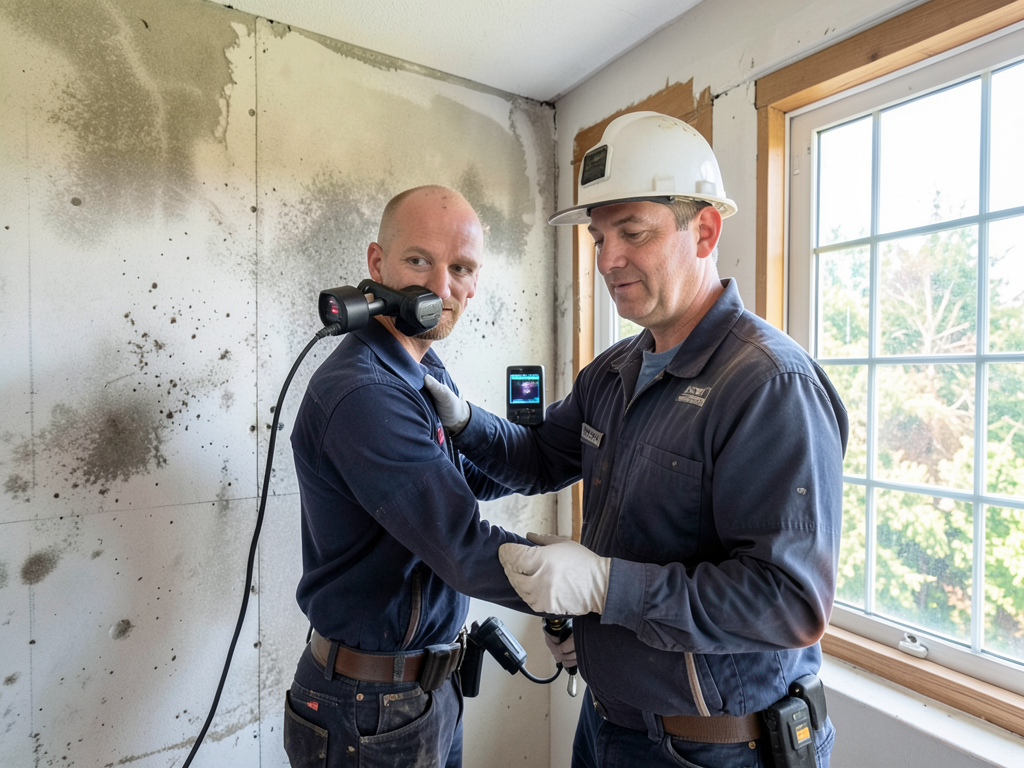
When you contact Fortress Water Damage Restoration Jacksonville with waterproofing questions, you speak with experienced technicians who understand the urgency of water intrusion problems. We provide phone consultations within hours and can schedule on-site assessments within 24 to 48 hours. Our team arrives equipped with moisture meters, thermal imaging cameras, and diagnostic tools to identify hidden water entry points. We complete comprehensive property evaluations in two to three hours, depending on home size and complexity.

Detailed Problem Diagnosis

Our moisture assessment process identifies both active leaks and conditions that will cause future water damage. We test moisture levels in walls, floors, and crawlspaces using calibrated pin and pinless meters. Thermal imaging reveals temperature differentials that indicate hidden moisture or missing insulation. We inspect foundation integrity, grading, drainage systems, roof penetrations, and building envelope sealing. You receive a written report documenting findings with photos, moisture readings, and prioritized recommendations for DIY repairs versus professional waterproofing.

Proven Waterproofing Solutions

Our recommendations reflect what actually works in Jacksonville's climate. We specify materials and methods proven effective through years of real-world application. For homeowners handling their own repairs, we provide detailed instructions on proper surface preparation, application techniques, and curing requirements. When professional waterproofing is necessary, our team uses commercial-grade products and follows manufacturer specifications. Interior and exterior foundation waterproofing, crawlspace encapsulation, and drainage system installation all carry workmanship standards that prevent callbacks and ensure long-term performance.

Ongoing Support and Monitoring

Preventative waterproofing requires periodic monitoring to verify effectiveness. We provide follow-up consultations to answer questions as you implement recommended repairs. Our team offers seasonal reminder calls before hurricane season and winter rains to prompt inspection of critical areas. For professionally installed waterproofing systems, we schedule annual moisture checks to ensure continued performance. We maintain detailed service records for every property, allowing us to track changes over time and adjust maintenance recommendations as your home ages.

Frequently Asked Questions

You Have Questions,
We Have Answers

What to do before waterproofing? +

Before waterproofing, inspect all surfaces for cracks, gaps, and existing moisture damage. In Jacksonville's humid climate, check for mold or mildew growth that needs remediation first. Clean surfaces thoroughly to remove dirt, loose paint, and efflorescence. Repair structural damage like foundation cracks or deteriorated mortar joints. Test for active water intrusion during heavy rain. Ensure proper grading slopes away from your foundation. Check gutters and downspouts for clogs that could direct water toward your home. Identify the moisture source, whether groundwater seepage, surface runoff, or condensation. Proper preparation prevents waterproofing failure and wasted investment.

What are common waterproofing mistakes? +

Common waterproofing mistakes include applying products to wet surfaces, skipping surface preparation, and using interior solutions for exterior problems. Many Jacksonville homeowners ignore the root cause, like poor drainage or clogged gutters. Choosing the wrong product type for your specific moisture issue leads to failure. Applying too thin a coat or missing joints and seams creates weak points. Failing to address hydrostatic pressure in below-grade spaces causes membrane failure. Ignoring manufacturer application instructions, especially temperature and humidity requirements, compromises effectiveness. DIY waterproofing without understanding Jacksonville's high water table and soil conditions often creates bigger problems.

How much does it cost to waterproof a 1000 sq ft basement? +

Waterproofing a 1000 square foot basement varies widely based on method and severity. Interior sealant applications may be the most budget-friendly option, while exterior excavation and membrane installation costs significantly more. French drain systems with sump pump installation fall mid-range. Jacksonville's water table and soil type affect complexity. Costs increase if you need mold remediation, structural repairs, or drainage system upgrades first. The specific moisture source drives the solution. Get multiple professional assessments to understand what your situation requires. Investing in the right solution the first time prevents repeated failures and cumulative expenses.

Should you prime before waterproofing? +

Priming before waterproofing depends on the substrate and product type. Porous surfaces like concrete block or bare masonry need primer to seal the surface and improve waterproofing adhesion. Primer fills small voids and creates uniform absorption rates. In Jacksonville's humid conditions, primer helps prevent moisture vapor from interfering with waterproofing membrane bonding. Some modern waterproofing systems include built-in primers or do not require separate priming. Always follow manufacturer specifications for your specific product and substrate combination. Skipping primer when required causes delamination, bubbling, and premature failure. Proper surface prep includes primer when the technical data sheet specifies it.

What are the four steps to waterproofing? +

The four steps to waterproofing start with identifying the moisture source through inspection and testing. Second, prepare surfaces by cleaning, repairing cracks, and ensuring proper substrate conditions. Third, apply the waterproofing system according to manufacturer specifications, whether membrane, coating, or drainage solution. Jacksonville's climate requires attention to humidity levels during application. Fourth, install or improve drainage systems to direct water away from treated areas. This includes grading, gutters, downspouts, and potentially French drains or sump pumps. Each step builds on the previous one. Skipping steps or rushing through preparation guarantees failure regardless of product quality.

What is the negative side of waterproofing? +

The negative side of waterproofing includes potential moisture trapping if vapor barriers are installed incorrectly. Sealing only the interior without addressing exterior drainage can increase hydrostatic pressure and cause structural damage. Poor quality products or improper application creates a false sense of security while moisture continues infiltrating. In Jacksonville's humid climate, interior waterproofing without proper dehumidification can lead to condensation problems. Waterproofing adds expense to construction or renovation budgets. Some methods require ongoing maintenance like sump pump monitoring. Exterior waterproofing requires excavation that damages landscaping. Waterproofing hides symptoms without fixing root causes if drainage problems remain unaddressed.

How many coats of waterproofing should I do? +

Most waterproofing products require two coats minimum for effective protection. The first coat penetrates and seals the substrate. The second coat builds thickness and bridges small imperfections. Jacksonville's humid environment may require additional dry time between coats. Vertical surfaces often need thicker applications than horizontal surfaces. High-traffic areas or surfaces with hydrostatic pressure benefit from three coats. Follow manufacturer specifications for your specific product and application. Each coat should reach the recommended dry film thickness. Applying one thick coat instead of multiple thin coats causes sagging, cracking, and incomplete curing. More coats do not fix poor surface preparation or wrong product selection.

What causes waterproofing to fail? +

Waterproofing fails when hydrostatic pressure exceeds membrane strength, often from poor drainage or high water tables common in Jacksonville. Improper surface preparation prevents adhesion. Applying products in wrong temperatures or humidity levels affects curing. Using interior solutions for exterior problems or vice versa guarantees failure. Foundation movement from soil settlement creates cracks that breach waterproofing. Incompatible products layered together can chemically react or delaminate. Skipping joints, seams, and penetrations leaves entry points. UV exposure degrades some waterproofing membranes. Tree roots and landscape irrigation direct water toward foundations. Age and weathering eventually compromise any waterproofing system.

What is the most expensive part of a bathroom remodel? +

The most expensive part of a bathroom remodel is typically plumbing relocation and fixture replacement. Moving drains, supply lines, or adding new fixtures requires extensive work. High-end tile work with waterproofing membranes and custom layouts adds significant cost. Custom glass shower enclosures run expensive. Vanities with stone countertops increase budgets quickly. In Jacksonville, addressing moisture damage or mold behind walls before remodeling adds unexpected costs. Proper waterproofing during remodels prevents future damage. Ventilation upgrades to handle humidity are critical in our climate. Labor costs for licensed plumbers and tile setters exceed material costs. Structural modifications like removing walls or relocating doors increase expenses substantially.

Will insurance pay for basement waterproofing? +

Insurance rarely covers basement waterproofing because it addresses maintenance and wear rather than sudden, accidental damage. Standard homeowners policies exclude gradual seepage, groundwater intrusion, and flood damage. If water damage results from a covered peril like a burst pipe, insurance may cover restoration but not preventative waterproofing. Jacksonville homeowners need separate flood insurance for rising water, which still excludes preventative measures. Insurance may cover emergency water extraction and drying after a qualifying event. Document all moisture issues and remediation attempts. Some policies cover mold remediation if it follows covered water damage. Always file claims promptly and understand your policy exclusions.

How Jacksonville's Hurricane Season Demands Year-Round Waterproofing Vigilance

Jacksonville faces hurricane threats from both Atlantic and Gulf storm systems. When tropical systems stall over Northeast Florida, you receive 10 to 15 inches of rain in 24 hours. Hurricane Irma in 2017 dropped 16 inches in parts of Duval County. Hurricane Matthew in 2016 caused catastrophic flooding in Riverside and San Marco. These extreme rain events expose every weakness in your home's water resistance. A foundation crack that seeps during normal summer storms becomes a flood entry point during hurricanes. Window sealing that holds up to afternoon thunderstorms fails when wind-driven rain hits at 60 miles per hour for six hours straight. Your waterproofing measures must withstand worst-case scenarios, not just typical weather.

Fortress Water Damage Restoration Jacksonville has responded to hundreds of hurricane-related water intrusion calls. We have seen which waterproofing methods survive Category 2 wind and rain and which fail immediately. We understand Jacksonville's building codes for wind-load requirements and water-resistive barriers. Our technicians work throughout Duval, Clay, and St. Johns counties, giving us broad exposure to how different soil types, elevations, and proximity to waterways affect flood risk. This local experience informs every recommendation we make. When we tell you to prioritize certain repairs, that guidance comes from witnessing preventable water damage in homes that skipped those exact steps.

Water Damage Restoration Services in The Jacksonville Area

Conveniently located to serve the entire region, Fortress is committed to reaching you swiftly when water damage strikes. Our centralized presence allows us to deploy rapid response teams across the service area, ensuring that expert assistance is always just a call away. Explore our location and service radius to see how we can provide immediate, professional water damage restoration solutions directly to your doorstep, minimizing disruption and expediting recovery.

Address:
Fortress Water Damage Restoration Jacksonville, 10752 Deerwood Park Blvd Suit 100, Jacksonville, FL, 32256

Additional Services We Offer

Our news updates

Latest Articles & News from The Blogs

Why Your New Bidet Attachment Might Be Slowly Flooding Your Girvin Bathroom Floor Your bathroom floor feels damp and you…

Why Your New Bidet Attachment Might Be Slowly Flooding Your Girvin Bathroom Floor

Why Your New Bidet Attachment Might Be Slowly Flooding Your Girvin Bathroom Floor Your bathroom floor feels damp and you…

How to Properly Shut Down Your Plumbing Before Leaving Isle of Palms for the Summer

How to Properly Shut Down Your Plumbing Before Leaving Isle of Palms for the Summer Summer vacation should mean relaxation…

The Hidden Meaning Behind Peeling Wallpaper and Bubbling Paint in Lackawanna Homes

The Hidden Meaning Behind Peeling Wallpaper and Bubbling Paint in Lackawanna Homes Peeling wallpaper and bubbling paint in Lackawanna homes…

Contact Us

Do not wait for water damage to force action. Contact Fortress Water Damage Restoration Jacksonville at (904) 839-6500 for a professional moisture assessment. Our team provides honest guidance on DIY repairs and professional waterproofing solutions tailored to your property's specific vulnerabilities.