




Menu

Fire & Smoke Damage Restoration in Jacksonville – Complete Recovery from Flames to Final Clearance

Fortress Water Damage Restoration Jacksonville handles fire damage repair, smoke damage cleanup, and structural drying under one roof, giving Jacksonville homeowners and businesses a single point of accountability from emergency call to final air quality testing.

Slider Image 1
Slider Image 2
Slider Image 3
Slider Image 4
Slider Image 5
Slider Image 7
Slider Image 8
Slider Image 9
Slider Image 10
Slider Image 11

Why Fire Damage in Jacksonville Creates Dual Threats Most Companies Ignore

Fire does not burn clean in Jacksonville's humid subtropical climate. When flames are extinguished, the real damage begins. High ambient moisture reacts with soot residue to form acidic compounds that corrode metal, etch glass, and accelerate rot in wood framing. This is why fire and smoke mitigation here requires water damage expertise, not just surface cleaning.

Most fire restoration services focus on visible char and ash. They scrub walls and remove debris. Then they leave. What they miss is the hidden water damage from suppression efforts. Fire hoses pump hundreds of gallons into your structure. That water soaks insulation, seeps under flooring, and saturates drywall cavities. In Jacksonville's 77 percent average humidity, mold colonization starts within 24 to 48 hours.

You also face corrosive smoke particulates. When synthetic materials burn, plastics, upholstery, and electronics release chlorine compounds and sulfur oxides. These gases condense on cool surfaces as acidic films. Without proper neutralization, your HVAC system circulates these contaminants for months, causing respiratory irritation and ongoing property degradation.

Smoke damage cleanup is not cosmetic work. It is chemistry. You need technicians who understand pH balancing, vapor pressure dynamics, and the interaction between fire residue and Jacksonville's moisture load. This is where fire cleanup services intersect with water extraction, structural drying, and indoor air quality control. Treating fire damage without addressing water intrusion guarantees secondary loss. That is the gap Fortress Water Damage Restoration Jacksonville was built to close.

Why Fire Damage in Jacksonville Creates Dual Threats Most Companies Ignore
How We Combine Fire Restoration Services with Water Damage Protocols

How We Combine Fire Restoration Services with Water Damage Protocols

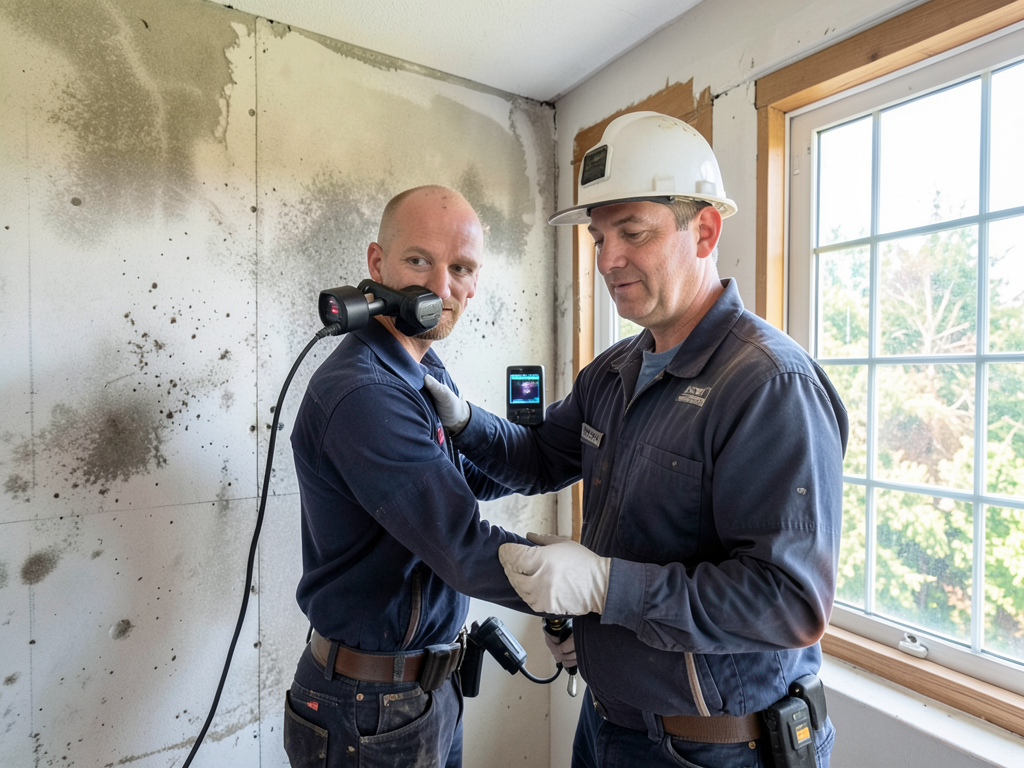
Fire damage repair starts with a moisture map, not a mop. We deploy thermal imaging cameras and moisture meters to locate hidden saturation zones created by suppression water. Before we touch soot, we extract standing water and set up negative air machines with HEPA filtration to prevent cross-contamination during demo.

Our technicians treat fire and smoke mitigation as a containment operation. We establish negative pressure zones to isolate damaged areas, preventing soot particulates from spreading to unaffected rooms. We do not use shop vacs or household fans. We use truck-mounted extractors, LGR dehumidifiers, and air scrubbers rated for sub-micron particulate capture. This prevents re-deposition of smoke residue during drying.

Next comes chemical neutralization. We apply alkaline cleaners to acidic soot films, then rinse with controlled moisture to avoid re-wetting structural components. Every surface gets tested with pH strips. If readings show residual acidity, we repeat the process. Corners get cut when companies skip this step. You smell smoke for years because the source was never neutralized, just masked.

For porous materials like drywall and insulation, we do not gamble. If moisture content exceeds 16 percent or soot penetration reaches the backing, we remove it. Salvage attempts on compromised materials lead to odor callbacks and mold litigation. We document every reading and every decision with photos and moisture logs. Your insurance adjuster gets a complete chain of evidence showing why each action was necessary.

This integrated approach reduces claim disputes and shortens your recovery timeline. Fire cleanup services should not hand you off to a separate water damage vendor. Fragmented accountability creates gaps. We own the entire scope.

What Happens When You Call for Fire and Smoke Damage Help

Fire & Smoke Damage Restoration in Jacksonville – Complete Recovery from Flames to Final Clearance
01

Emergency Containment and Assessment

We arrive within 90 minutes to secure your property. Our team establishes containment barriers, shuts off utilities if needed, and performs thermal imaging to map both fire damage and hidden water intrusion. You get an initial scope document before we move equipment. This prevents surprise costs and gives your insurance carrier immediate documentation for faster claim approval.
02

Water Extraction and Soot Removal

We extract suppression water using truck-mounted systems, then remove loose soot with HEPA vacuums before any wet cleaning begins. Affected contents are inventoried, photographed, and moved to climate-controlled storage if salvageable. Structural drying runs parallel to debris removal. Air movers and dehumidifiers operate under controlled conditions to prevent soot spread while bringing materials to safe moisture levels.
03

Final Clearance and Air Quality Testing

Once structural components reach equilibrium moisture content and all surfaces pass pH testing, we conduct air quality sampling for particulate count and odor compounds. You get a written clearance report showing your property meets indoor air standards. This documentation protects you during resale and provides closure for your insurance claim. We do not consider a job complete until you can occupy the space safely.

Why Jacksonville Properties Need Local Fire Damage Expertise

Jacksonville's building stock includes historic homes in Riverside and Avondale with plaster walls, wood lath, and balloon framing. Fire spreads differently in these structures compared to modern platform framing. Suppression water travels through wall cavities in ways that surprise out-of-town contractors. We know where to drill inspection holes and where hidden voids are likely to trap moisture because we have worked these neighborhoods for years.

Our team understands local code enforcement expectations. The City of Jacksonville requires permits for structural alterations after fire damage. We coordinate inspections, provide engineer certifications when needed, and ensure your rebuild meets current wind load requirements under the Florida Building Code. Companies unfamiliar with Duval County's permitting process add weeks to your timeline through procedural mistakes.

We also know the insurance landscape here. Major carriers like State Farm, USAA, and Citizens Property Insurance operate differently in Florida due to assignment of benefits restrictions and appraisal clause triggers. We document every step using Xactimate estimates, the industry standard software your adjuster uses. This eliminates translation errors and reduces the back-and-forth that delays payment.

You will work with the same project manager from emergency call to final walkthrough. No handoffs to subcontractors in other states. No call center transfers. When you phone our direct line, you reach someone who has been inside your property and knows your specific situation. Accountability matters when you are displaced and decisions need to happen fast.

Fortress Water Damage Restoration Jacksonville is not a franchise. We do not pay royalties to a national brand or follow cookie-cutter procedures written for different climates. Every protocol we use has been tested against Jacksonville's humidity, building styles, and regulatory environment.

What You Can Expect During Fire and Smoke Restoration

Response Time and Availability

We operate 24/7 because fire does not wait for business hours. When you call, you reach a live person who dispatches a crew immediately. Our average response time is 90 minutes within Jacksonville city limits. We arrive with extraction equipment, containment materials, and moisture detection tools already loaded. You will have a written scope and initial moisture readings within the first two hours. Emergency services begin the same day you call, and equipment stays on site until readings confirm your structure is stable.

Assessment and Documentation Process

Every project starts with thermal imaging to locate hidden damage your eyes cannot see. We map moisture levels, photograph affected areas, and create a room-by-room inventory of damaged contents. You get a detailed estimate using Xactimate software, the same platform your insurance adjuster uses. This eliminates pricing disputes and speeds claim approval. We also provide a moisture tracking log updated daily, showing drying progress in real time. Your adjuster can request copies at any point, and you will have a complete record if questions arise later.

Quality of Final Restoration

We do not consider a job complete until air quality testing confirms your property is safe. Final clearance includes particulate counts, odor testing, and visual inspection under UV light to detect residual soot films. Surfaces must pass pH testing to confirm acid neutralization. Structural materials must reach equilibrium moisture content, typically below 12 percent for wood framing in Jacksonville's climate. You receive written certification documenting these benchmarks. This protects your health and provides resale disclosure documentation if needed in the future.

Post-Restoration Follow-Up

We return 72 hours after final equipment removal to verify moisture levels remain stable. You get a post-project inspection report showing humidity levels, final moisture readings, and any recommended monitoring. If your property includes HVAC systems affected by smoke, we provide filter replacement recommendations and duct cleaning referrals. Our documentation package stays with your property records, giving future buyers or inspectors proof that restoration met professional standards. You also receive direct contact information for your project manager in case questions arise months later.

Frequently Asked Questions

You Have Questions,
We Have Answers

How much does smoke damage restoration cost? +

Smoke damage restoration costs vary based on affected square footage, soot type, and contamination depth. Minor surface cleaning in one room might run less than extensive decontamination across multiple floors. Jacksonville properties with HVAC systems often face higher costs because smoke particulates travel through ductwork and settle throughout the home. Insurance typically covers restoration after fire events, but your out-of-pocket depends on deductibles and policy limits. The key cost driver is speed. Waiting lets acidic soot etch surfaces and corrosion spread, turning a contained cleanup into full reconstruction. Get a professional assessment within 24 hours to limit damage and control expenses.

What does fire damage restoration include? +

Fire damage restoration includes structural assessment, water extraction from firefighting efforts, smoke and soot removal, odor neutralization, content cleaning, and reconstruction. Technicians first stabilize the structure and document damage for insurance. They extract standing water, then remove soot using specialized cleaners and equipment. Thermal fogging or hydroxyl generators eliminate smoke odors embedded in porous materials. Contents like furniture and clothing are inventoried, cleaned, or disposed of based on contamination levels. Finally, contractors rebuild damaged areas, from drywall replacement to roof repair. In Jacksonville, humidity control during restoration prevents secondary mold growth, a common issue when fire and water damage combine.

Can a fire-damaged house be repaired? +

Yes, most fire-damaged houses can be repaired if the structural foundation remains sound. The decision depends on extent of damage to load-bearing elements, electrical systems, and framing. A professional structural engineer assesses compromised beams, joists, and foundations. Even severe damage is repairable if the cost stays below rebuilding from scratch. Jacksonville homes with block construction often fare better structurally than wood-frame houses. However, hidden damage to wiring or plumbing buried in walls complicates repairs. Insurance adjusters and restoration contractors work together to determine feasibility. Quick action prevents further deterioration from humidity exposure, which accelerates corrosion and wood rot in Florida's climate.

Can smoke damage be repaired? +

Yes, smoke damage can be repaired through deep cleaning, sealing, and odor removal. Soot and residue bond to surfaces differently based on material. Porous items like drywall and insulation absorb smoke particles and often require replacement. Hard surfaces get cleaned with chemical sponges and professional-grade detergents. HVAC systems need thorough decontamination because smoke circulates through ducts. Odor removal requires hydroxyl generators or ozone treatment to break down smoke molecules at a chemical level. Simply painting over soot traps odors and causes discoloration to bleed through. Jacksonville's humidity makes smoke damage worse by keeping surfaces damp, allowing acidic soot to corrode metal and etch glass faster.

Is it worth buying a house with fire damage? +

Buying a fire-damaged house can offer value if you understand repair costs and hidden issues. Get a thorough inspection from a structural engineer and restoration specialist before committing. Check for compromised framing, electrical damage, and contaminated HVAC systems. Smoke damage often hides in wall cavities and attic spaces, leading to surprise expenses during renovation. In Jacksonville, verify no mold developed after firefighting water sat untreated. Insurance complications arise if prior damage was not properly disclosed. Calculate total restoration costs against market value of comparable homes. If repairs exceed 50 to 60 percent of purchase price, you risk paying more than the finished property is worth.

Will insurance cover smoke damage? +

Most homeowner insurance policies cover smoke damage resulting from fire, including covered perils like kitchen fires or electrical malfunctions. Coverage includes structural cleaning, content restoration, odor removal, and temporary living expenses during repairs. However, policies exclude smoke damage from fireplaces, intentional acts, or lack of maintenance. Jacksonville homeowners should review their policies for actual cash value versus replacement cost coverage, which affects payout amounts. Document everything with photos and detailed inventories before restoration begins. Work with your restoration company to provide proper documentation to your adjuster. Deductibles apply, and claim amounts depend on your coverage limits. File claims promptly because delays complicate the approval process.

At what point is a house not worth fixing? +

A house is not worth fixing when repair costs exceed 50 to 70 percent of its post-repair market value, or when structural damage compromises safety beyond economical repair. Total foundation failure, extensive frame rot, or complete electrical system destruction often push houses into total loss territory. Insurance adjusters calculate actual cash value against replacement cost to determine totaling thresholds. In Jacksonville, older homes with outdated wiring or plumbing may not justify expensive fire restoration when building code upgrades are required. Mold contamination from delayed water extraction after firefighting adds costs that tip borderline cases toward demolition. Always get multiple professional assessments before deciding between repair and rebuild.

What is the 30/30/30 rule for fire? +

The 30/30/30 rule refers to fire behavior where flames double in size every 30 seconds, rooms reach flashover in 30 seconds to three minutes, and buildings can become fully involved within 30 minutes. This rule underscores why evacuation must happen immediately. Once fire starts, you have minimal time to escape before conditions become fatal. The rule also explains why fire damage spreads so rapidly through homes. In Jacksonville, wood-frame construction and attic ventilation can accelerate fire spread compared to block construction. Understanding this timing reinforces the importance of working smoke detectors and escape planning, not fire suppression rules for restoration work.

Are houses destroyed by fire covered by insurance? +

Yes, houses destroyed by fire are typically covered by homeowner insurance if the fire resulted from a covered peril. Policies include dwelling coverage for the structure, personal property coverage for contents, and additional living expenses while you relocate. Coverage applies to accidental fires from cooking, electrical faults, lightning, or other listed causes. Exclusions include intentional fires, arson by the homeowner, and sometimes neglect or deferred maintenance. Jacksonville homeowners should verify their dwelling coverage limits match current replacement costs, not original purchase prices. Total losses trigger full policy limits minus deductibles. Document everything immediately, file claims quickly, and work with public adjusters if disputes arise over settlement amounts.

How much does it cost to clean up a burned down house? +

Cleaning up a fully burned house costs between several thousand and over one hundred thousand dollars, depending on destruction extent, square footage, hazardous material presence, and disposal requirements. Debris removal alone runs significant expense when you factor in permits, labor, equipment, and landfill fees. Structural demolition adds costs if walls or framing need removal. In Jacksonville, asbestos in older homes requires specialized abatement, increasing expenses. Foundation cleaning, soil testing for contamination, and utility disconnection all add to totals. Insurance usually covers cleanup costs under dwelling coverage. Get detailed written estimates from licensed contractors. Quick action reduces costs because exposure to weather causes additional deterioration in Florida's wet climate.

Why Jacksonville's Coastal Humidity Turns Fire Damage into a Race Against Mold

Jacksonville sits at 30 degrees north latitude with average relative humidity hovering near 77 percent year-round. When fire suppression water saturates building materials in this environment, mold spores activate fast. Aspergillus and Penicillium species colonize damp drywall within 48 hours. This is why fire restoration services here cannot ignore water damage protocols. Coastal proximity means your structure never fully dries on its own. Without mechanical dehumidification and air movement, suppression water creates a secondary disaster that outlasts the fire itself. Every hour of delay increases the likelihood of microbial growth, corrosion, and permanent odor.

Our familiarity with Duval County building departments, local insurance adjusters, and Jacksonville's mix of historic and modern construction gives you faster approvals and fewer disputes. We know which streets have homes built before 1950 with plaster interiors, where newer subdivisions used engineered trusses, and how the St. Johns River flood zone affects your rebuild requirements. This local knowledge reduces mistakes, eliminates learning curves, and keeps your project moving. When you hire a company that understands Jacksonville's specific challenges, you avoid the costly trial-and-error that comes with generic fire cleanup services.

Water Damage Restoration Services in The Jacksonville Area

Conveniently located to serve the entire region, Fortress is committed to reaching you swiftly when water damage strikes. Our centralized presence allows us to deploy rapid response teams across the service area, ensuring that expert assistance is always just a call away. Explore our location and service radius to see how we can provide immediate, professional water damage restoration solutions directly to your doorstep, minimizing disruption and expediting recovery.

Address:
Fortress Water Damage Restoration Jacksonville, 10752 Deerwood Park Blvd Suit 100, Jacksonville, FL, 32256

Additional Services We Offer

Our news updates

Latest Articles & News from The Blogs

Why Your New Bidet Attachment Might Be Slowly Flooding Your Girvin Bathroom Floor Your bathroom floor feels damp and you…

Why Your New Bidet Attachment Might Be Slowly Flooding Your Girvin Bathroom Floor

Why Your New Bidet Attachment Might Be Slowly Flooding Your Girvin Bathroom Floor Your bathroom floor feels damp and you…

How to Properly Shut Down Your Plumbing Before Leaving Isle of Palms for the Summer

How to Properly Shut Down Your Plumbing Before Leaving Isle of Palms for the Summer Summer vacation should mean relaxation…

The Hidden Meaning Behind Peeling Wallpaper and Bubbling Paint in Lackawanna Homes

The Hidden Meaning Behind Peeling Wallpaper and Bubbling Paint in Lackawanna Homes Peeling wallpaper and bubbling paint in Lackawanna homes…

Contact Us

Do not let fire damage turn into a mold crisis. Call Fortress Water Damage Restoration Jacksonville at (904) 839-6500 right now. We answer 24/7, dispatch crews within 90 minutes, and start containment the same day. Your recovery starts with one phone call.