



Menu

Hardwood Floor Water Damage in Jacksonville – Expert Restoration That Saves Your Floors From Permanent Cupping and Mold

We respond fast to extract standing water, dry subfloors completely, and restore hardwood flooring before buckling and microbial growth destroy your investment in hardwood floor water damage Jacksonville homes.

Slider Image 1
Slider Image 2
Slider Image 3
Slider Image 4
Slider Image 5
Slider Image 7
Slider Image 8
Slider Image 9
Slider Image 10
Slider Image 11

Why Jacksonville Hardwood Floors Face Constant Moisture Threats

Jacksonville sits in a high-humidity coastal zone where indoor moisture levels spike year-round. Your hardwood floors absorb ambient moisture from the air, but catastrophic water damage happens fast during summer thunderstorms, plumbing failures, and hurricane flooding events that dump inches of water onto finished wood surfaces.

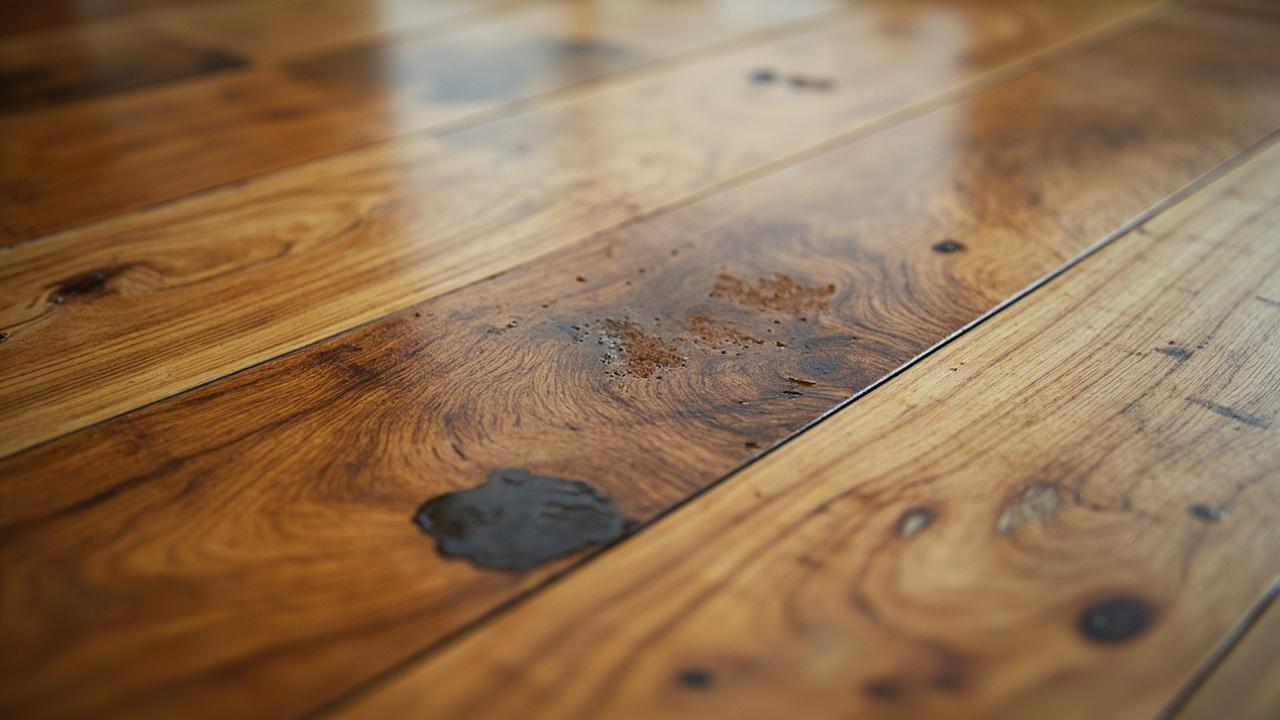
Water damaged wood floors start cupping within hours. The edges of each plank swell upward as moisture penetrates the wood grain faster than it evaporates. Left untreated, wet hardwood flooring develops black mold colonies underneath, the adhesive bond to the subfloor fails, and you face full replacement instead of targeted wood floor water damage repair.

The clay-heavy soils around Riverside, Avondale, and San Marco shift during heavy rains, cracking foundation slabs and allowing groundwater to seep upward through concrete. This creates persistent moisture problems that rot floor joists and turn hardwood floor cupping into a chronic issue. Homes built on pier-and-beam foundations near the St. Johns River face elevated flood risk during king tides and tropical systems.

You cannot air-dry hardwood floors with box fans and hope for the best. Drying hardwood floors requires industrial dehumidifiers, subfloor moisture mapping, and controlled airflow to pull trapped water out of the wood cellular structure before irreversible warping occurs. The longer water sits, the deeper it penetrates, and the more expensive your restoration becomes.

Why Jacksonville Hardwood Floors Face Constant Moisture Threats
Our Technical Approach to Wet Hardwood Flooring Restoration

Our Technical Approach to Wet Hardwood Flooring Restoration

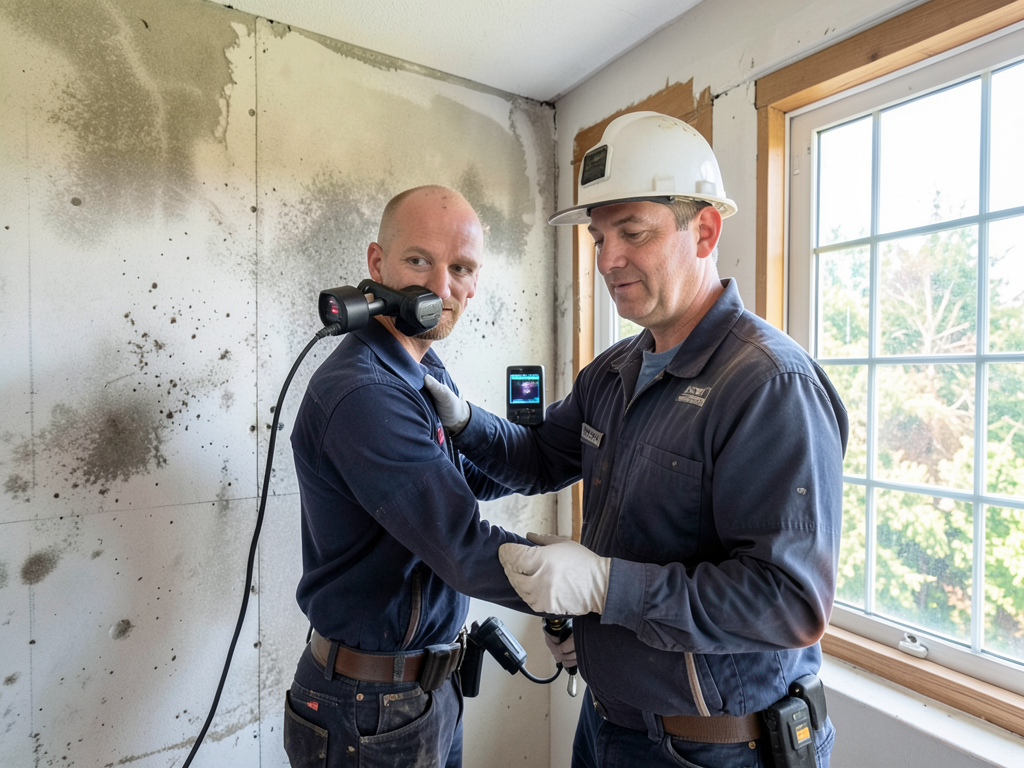
We do not guess about moisture levels. Our certified technicians use pin-type and pinless moisture meters to measure water content in your hardwood planks, subflooring, and underlying joists. We map the moisture gradient across the affected area to identify saturation zones and determine whether your floors can be saved or need replacement.

Extraction comes first. We use truck-mounted water extraction units and weighted wands to pull standing water off the surface and out of the tongue-and-groove joints before it penetrates deeper. For water damaged wood floors with significant absorption, we drill small relief holes in the subfloor to allow trapped moisture to escape without removing the finished flooring.

Drying hardwood floors takes precision. We position low-grain refrigerant dehumidifiers and axial air movers to create a controlled drying environment that pulls moisture out slowly. Rapid drying causes the wood to shrink too fast, creating gaps between planks and splitting the grain. We monitor moisture readings every 12 hours and adjust equipment placement to ensure even drying across the entire floor plane.

Once moisture content drops below 12 percent, we assess structural integrity. Hardwood floor cupping can sometimes be reversed with controlled re-humidification and weighted flattening, but severe cases require sanding and refinishing after the wood stabilizes. We document everything for your insurance adjuster, including pre-loss photos, moisture logs, and equipment manifests that justify the full scope of wood floor water damage repair.

How We Restore Water-Damaged Hardwood Floors in Jacksonville

Hardwood Floor Water Damage in Jacksonville – Expert Restoration That Saves Your Floors From Permanent Cupping and Mold
01

Emergency Water Extraction

We arrive within 90 minutes of your call and immediately extract standing water using truck-mounted pumps that remove up to 200 gallons per minute. Our technicians inspect the subfloor for delamination and check floor joists for saturation using thermal imaging cameras. We remove baseboards to allow airflow into wall cavities and prevent secondary damage to drywall and insulation.
02

Controlled Drying Protocol

We deploy commercial-grade dehumidifiers and air movers calibrated to your floor type and room dimensions. Oak, maple, and engineered hardwood each require different drying rates to prevent cracking. Our team monitors relative humidity and wood moisture content every 12 hours, adjusting equipment to maintain optimal drying conditions. This phase typically runs three to seven days depending on initial saturation levels.
03

Structural Assessment and Refinishing

After moisture stabilizes below 12 percent, we evaluate your floors for permanent cupping or crowning. Minor warping often self-corrects as wood acclimates. Severe cases require drum sanding to level the surface, followed by stain matching and polyurethane sealing. We coordinate with your insurance carrier throughout the process and provide detailed documentation supporting every phase of restoration work.

Why Jacksonville Homeowners Choose Fortress for Hardwood Floor Restoration

We understand Jacksonville building practices. Homes in Springfield and Murray Hill were built between 1920 and 1950 with old-growth heart pine floors that react differently to water than modern red oak. These antique floors require slower drying protocols and specialized sanding techniques to preserve the original patina. Our restoration technicians have worked on historic properties throughout Duval County and know how to handle vintage hardwood without causing additional damage.

We work directly with your insurance adjuster to document the full scope of water damage. Florida homeowners policies require specific language around hardwood floor water damage repair, and we provide the moisture readings, equipment logs, and photographic evidence your carrier needs to approve the claim. We handle the paperwork so you can focus on getting your home back to normal.

Speed matters when wet hardwood flooring is involved. Our dispatch center operates around the clock, and we keep extraction equipment staged across Jacksonville so we can respond within 90 minutes to any address from Ponte Vedra Beach to Orange Park. The faster we start drying, the more likely we can save your floors and avoid full replacement.

Fortress Water Damage Restoration Jacksonville employs IICRC-certified technicians trained in structural drying and hardwood flooring restoration. We do not send generalists with wet-dry vacuums. You get specialists who understand wood species, grain orientation, moisture migration, and the thermal dynamics of drying hardwood floors in Florida's humid climate. That expertise translates into better outcomes and lower total restoration costs.

What You Can Expect During Hardwood Floor Water Damage Restoration

Rapid Response and Immediate Stabilization

We dispatch a crew within 90 minutes of your call, day or night. Our technicians arrive with truck-mounted extraction equipment, moisture meters, and thermal imaging cameras to assess the damage and begin water removal immediately. We prioritize stopping further absorption into your hardwood planks and subflooring. Most emergency extractions take two to four hours, depending on the affected area. You will see measurable progress before we leave your property on the first visit.

Comprehensive Moisture Assessment and Documentation

We measure moisture content in your hardwood floors, subfloors, and structural framing using calibrated pin-type and non-invasive meters. Our technicians create a moisture map that shows saturation levels across the entire affected area. We photograph all damage, document pre-loss conditions, and generate detailed reports for your insurance carrier. This thoroughness ensures your claim gets approved and you receive fair compensation for wood floor water damage repair.

Professional-Grade Drying and Restoration

You get commercial dehumidifiers and air movers positioned for maximum efficiency, not consumer-grade equipment that takes weeks to dry floors. Our team monitors progress daily and adjusts equipment placement based on moisture readings. Once your floors reach acceptable moisture levels, we assess whether cupping can be reversed or if sanding and refinishing are required. The result is hardwood flooring restored to pre-loss condition with no lingering moisture issues or microbial growth.

Post-Restoration Monitoring and Prevention Guidance

After restoration, we provide final moisture readings confirming your floors are dry and stable. We explain what caused the water intrusion and recommend fixes to prevent recurrence, whether that means repairing slab cracks, upgrading plumbing connections, or improving drainage around your foundation. You receive documentation of all work performed, including equipment run times and daily moisture logs. We stay available for follow-up questions and can coordinate refinishing work if needed.

Frequently Asked Questions

You Have Questions,
We Have Answers

Will a swollen wood floor go back to normal? +

Sometimes, but not always. If water exposure was brief and the floor is solid hardwood, minor swelling may reverse after professional drying. However, Jacksonville's high humidity slows natural drying and often locks in damage. Engineered hardwood rarely returns to normal because the layered construction delaminates when wet. Cupping, crowning, or warping that persists after 72 hours typically requires board replacement or refinishing. Act fast. The longer moisture sits, the lower your chances of natural recovery. Professional moisture meters determine if the subfloor is also compromised, which changes the entire repair strategy.

What happens if hardwood floors get wet? +

Water causes immediate swelling as wood fibers absorb moisture. Within hours, you will see cupping, where board edges lift higher than centers. Jacksonville's humidity accelerates mold growth, often visible within 24 to 48 hours. If water reaches the subfloor, structural rot begins. Finish coatings blister and peel. Dark staining appears as tannins leach out. Standing water warps boards permanently. The subflooring may also swell, creating uneven surfaces. Quick extraction and dehumidification prevent total loss, but delays mean replacement. The type of wood and finish determines how much damage occurs.

How to flatten a wood floor after water damage? +

You cannot flatten water-damaged hardwood with DIY methods. Professional restoration involves moisture extraction using commercial dehumidifiers and air movers. Technicians monitor moisture levels in both flooring and subfloor using specialized meters. If boards remain cupped after drying, sanding can level minor irregularities, but this removes finish and reduces floor thickness. Severely warped or crowned boards require replacement. In Jacksonville's climate, incomplete drying traps moisture beneath the surface, causing future buckling. Subfloor repairs may be necessary if plywood or joists absorbed water. Attempting to flatten floors without addressing underlying moisture causes recurring problems.

Will insurance pay for water damage to a wood floor? +

It depends on your policy and the water source. Homeowners insurance typically covers sudden, accidental damage like burst pipes or appliance malfunctions. Flood damage requires separate flood insurance, which matters in Jacksonville's flood-prone zones near the St. Johns River. Policies exclude gradual damage from neglect or lack of maintenance. Document everything immediately with photos and moisture readings. Insurance adjusters scrutinize hardwood claims because coverage depends on whether the subfloor is affected. Deductibles apply. Review your policy's water damage exclusions before filing. Professional restoration companies often work directly with adjusters to streamline claims.

Can you fix water damaged hardwood floors? +

Yes, if you act within 24 to 48 hours. Successful repair depends on water volume, exposure time, and wood type. Solid hardwood handles water better than engineered products. Professional restoration includes water extraction, controlled drying, antimicrobial treatment, and subfloor inspection. Minor cupping may resolve with drying. Severe warping, staining, or mold growth requires board replacement and refinishing. Jacksonville's humid climate extends drying time, so commercial dehumidifiers are necessary. Subfloor damage complicates repairs and increases costs. Surface fixes without addressing trapped moisture lead to recurring buckling. Early intervention saves floors. Delays turn repairs into full replacements.

How to unswell a wooden floor? +

You cannot unswell wood once fibers expand. Professional drying is the only option. Technicians use industrial dehumidifiers, air movers, and moisture meters to extract water from boards and subfloors. In Jacksonville's humidity, this process takes longer than in dry climates. If boards return to near-original dimensions after drying, sanding removes surface irregularities. However, most swelling is permanent. Engineered hardwood rarely recovers because adhesive layers fail when wet. Replacing swollen boards is often more cost-effective than attempting repairs. Subfloor moisture must reach acceptable levels before any repairs begin, or swelling returns.

How much does it cost to repair a water damaged hardwood floor? +

Repair costs vary widely based on damage extent, wood type, and subfloor condition. Minor drying and refinishing costs less than board replacement. Extensive damage requiring subfloor repair and new hardwood installation increases expenses significantly. Engineered floors cost less to replace than solid hardwood. Mold remediation adds to the total. Jacksonville-specific factors like humidity control and flood zone considerations affect pricing. Insurance coverage reduces out-of-pocket costs if the claim is approved. Multiple rooms or structural damage escalate costs. Get a professional assessment with moisture mapping before committing to repairs. Skipping subfloor inspection leads to recurring problems.

What do water damaged hardwood floors look like? +

Water-damaged hardwood shows visible cupping, where board edges curl upward. Crowning occurs when centers swell higher than edges. Dark staining appears as water penetrates finish and wood fibers release tannins. White spots or cloudiness indicate finish delamination. Gaps between boards widen or close as wood expands. Mold appears as black or green patches, especially in Jacksonville's humid climate. Floors feel soft or spongy if subfloors rot. Warped boards create uneven walking surfaces. Peeling or bubbling finish is common. Musty odors signal hidden moisture. Severe damage shows splintering or crumbling wood.

What pulls moisture out of wood floors? +

Professional-grade dehumidifiers and air movers create airflow that pulls moisture from wood. Desiccant dehumidifiers work best in Jacksonville's high-humidity environment because they remove moisture even when air is saturated. Moisture meters track drying progress in real time. Heat mats accelerate evaporation without damaging wood. Fans alone do not remove enough moisture. Subfloor drying requires removing affected boards in severe cases. Commercial equipment extracts moisture much faster than household fans or dehumidifiers. Incomplete drying traps water, causing mold and future buckling. Professionals adjust equipment based on wood species, finish type, and subfloor material.

How long can water sit on hardwood floors? +

Water should never sit on hardwood floors. Damage begins within minutes as finish absorbs moisture. After 24 hours, cupping and staining become likely. Mold growth starts between 24 and 48 hours in Jacksonville's humid climate. After 72 hours, expect permanent warping, subfloor rot, and mold colonization. Standing water for a week or more requires complete floor replacement and subfloor repair. Immediate extraction is critical. Every hour delays increase repair costs and reduce salvageability. Surface water may seem minor, but moisture wicks into seams and beneath boards quickly. Remove water immediately and call professionals.

How Jacksonville Humidity and Storm Patterns Accelerate Hardwood Floor Damage

Jacksonville averages 50 inches of rain annually, with intense summer thunderstorms dumping two to three inches in under an hour. These rapid rainfall events overwhelm drainage systems in older neighborhoods like Riverside and Ortega, sending water through foundation cracks and under exterior doors. The ambient humidity hovers above 70 percent year-round, which means wet hardwood flooring never truly air-dries without mechanical dehumidification. Coastal flooding during hurricane season adds another risk layer, especially for properties near the Intracoastal Waterway and St. Johns River where storm surge pushes brackish water into crawl spaces and ground-level floors.

Water damage restoration in Jacksonville requires knowledge of local construction methods and materials. Homes built before 1980 often have pier-and-beam foundations with minimal moisture barriers, making hardwood floor cupping a recurring problem. Modern concrete slab homes face different challenges when hydrostatic pressure forces groundwater upward through micro-cracks. We work with local building inspectors and understand Duval County codes governing moisture mitigation and structural drying standards. This expertise ensures your restoration meets code requirements and protects your property value.

Water Damage Restoration Services in The Jacksonville Area

Conveniently located to serve the entire region, Fortress is committed to reaching you swiftly when water damage strikes. Our centralized presence allows us to deploy rapid response teams across the service area, ensuring that expert assistance is always just a call away. Explore our location and service radius to see how we can provide immediate, professional water damage restoration solutions directly to your doorstep, minimizing disruption and expediting recovery.

Address:
Fortress Water Damage Restoration Jacksonville, 10752 Deerwood Park Blvd Suit 100, Jacksonville, FL, 32256

Additional Services We Offer

Our news updates

Latest Articles & News from The Blogs

Why Your New Bidet Attachment Might Be Slowly Flooding Your Girvin Bathroom Floor Your bathroom floor feels damp and you…

Why Your New Bidet Attachment Might Be Slowly Flooding Your Girvin Bathroom Floor

Why Your New Bidet Attachment Might Be Slowly Flooding Your Girvin Bathroom Floor Your bathroom floor feels damp and you…

How to Properly Shut Down Your Plumbing Before Leaving Isle of Palms for the Summer

How to Properly Shut Down Your Plumbing Before Leaving Isle of Palms for the Summer Summer vacation should mean relaxation…

The Hidden Meaning Behind Peeling Wallpaper and Bubbling Paint in Lackawanna Homes

The Hidden Meaning Behind Peeling Wallpaper and Bubbling Paint in Lackawanna Homes Peeling wallpaper and bubbling paint in Lackawanna homes…

Contact Us

Do not let water-damaged hardwood floors turn into a full replacement job. Call Fortress Water Damage Restoration Jacksonville now at (904) 839-6500 for emergency response and professional drying services that save your floors and your investment.