


Menu

Understanding Categories of Water in Jacksonville – Your Guide to Water Contamination Classifications and Safe Restoration

Jacksonville property owners face unique water damage risks from hurricanes, flooding, and high humidity. Learn how IICRC water categories determine the proper restoration response to protect your health and property value.

Slider Image 1
Slider Image 2
Slider Image 3
Slider Image 4
Slider Image 5
Slider Image 7
Slider Image 8
Slider Image 9
Slider Image 10
Slider Image 11

Why Water Contamination Levels Matter in Jacksonville Properties

Not all water damage is the same. The IICRC water categories define three distinct contamination levels that determine how we restore your property and protect your family.

Jacksonville's coastal location creates specific water damage risks. Hurricane storm surge brings Category 3 blackwater contaminated with sewage and chemicals. Summer thunderstorms dump rainwater that becomes Category 2 greywater after mixing with construction dust and debris. A broken supply line initially creates Category 1 clean water, but humidity above 60 percent accelerates bacterial growth within 48 hours.

Water quality classifications directly impact your safety. Category 1 clean water comes from sanitary sources like supply lines or water heaters. You can often salvage materials. Category 2 greywater contains significant contamination from washing machines, dishwashers, or aquarium overflows. It requires careful handling and selective demolition. Category 3 blackwater is grossly contaminated with sewage, soil, or floodwater. It demands aggressive removal of porous materials and antimicrobial treatment.

The St. Johns River floods regularly during tropical systems. Homes in Riverside, San Marco, and Springfield see rising water that carries bacteria, petroleum, and agricultural runoff. This blackwater requires complete removal of carpet, drywall, and insulation to prevent mold colonization and structural decay.

Types of water contamination evolve over time. Clean water sitting for three days becomes greywater as microbial populations explode in Jacksonville's heat. Understanding water damage categories helps you make informed decisions about what to save and what to remove.

Why Water Contamination Levels Matter in Jacksonville Properties
How We Classify and Address Each Water Category

How We Classify and Address Each Water Category

Fortress Water Damage Restoration Jacksonville follows IICRC S500 standards to assess water contamination levels and execute the correct restoration protocol.

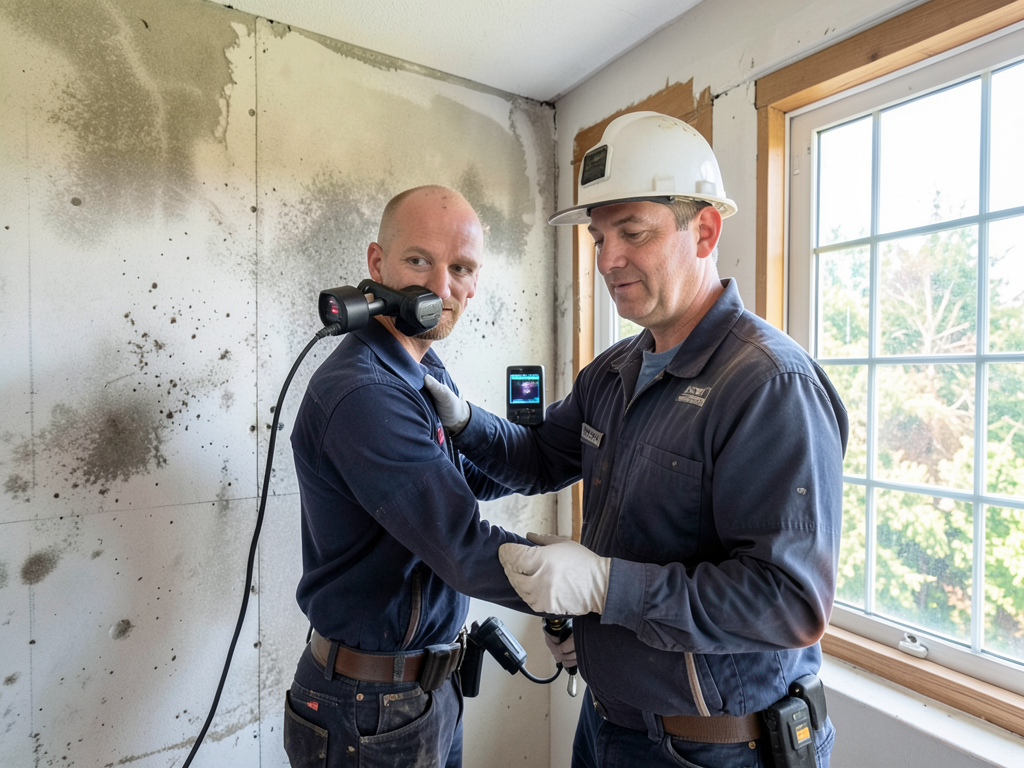
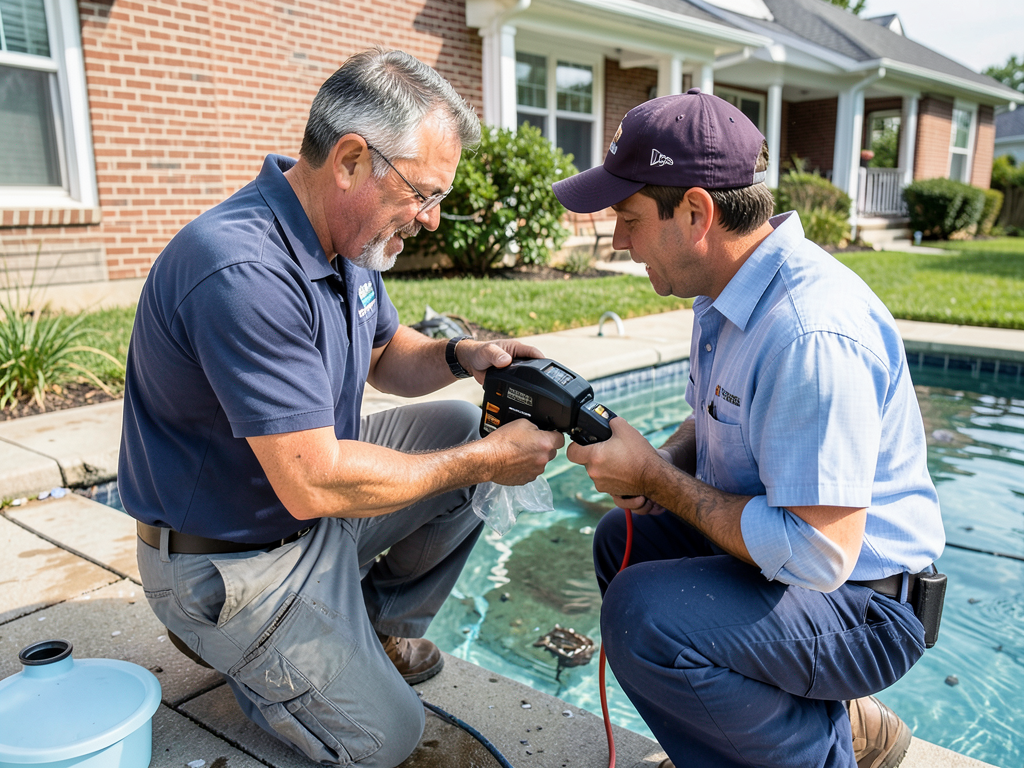
We arrive with moisture meters, thermal cameras, and ATP testing equipment. Moisture meters measure water saturation in materials. Thermal cameras reveal hidden migration patterns behind walls and under floors. ATP meters detect biological contamination levels that confirm category classification.

Category 1 clean water events get extracted immediately with truck-mount systems pulling 200 gallons per minute. We place air movers and dehumidifiers to dry structures within 72 hours. We monitor daily with moisture readings to prevent category escalation.

Category 2 greywater requires controlled demolition. We remove baseboards and drill weep holes to ventilate wall cavities. Carpet and pad get removed if contamination exceeds surface level. We apply antimicrobial agents to framing and subfloor before drying begins. Dehumidifiers run until wood moisture content drops below 15 percent.

Category 3 blackwater demands aggressive material removal. Drywall gets cut two feet above the waterline. Insulation comes out completely. We remove baseboards, trim, and any porous material that contacted floodwater. The cavity gets HEPA vacuumed, then treated with hospital-grade disinfectant. We install containment barriers and run negative air machines with HEPA filtration to prevent cross-contamination during demolition.

Jacksonville's clay soil creates hydrostatic pressure against foundation walls. We check crawlspaces and basements for groundwater intrusion that introduces soil bacteria. Even clear groundwater is Category 2 because it contacts contaminated soil before entering your home.

How We Determine Your Water Category and Build a Safe Restoration Plan

Understanding Categories of Water in Jacksonville – Your Guide to Water Contamination Classifications and Safe Restoration
01

Source Identification and Testing

We trace water to its origin point using moisture mapping and visual inspection. A thermal camera reveals temperature differentials showing water migration paths. We document the source, whether it's a clean supply line, contaminated appliance discharge, or external flooding. ATP testing measures biological contamination to confirm IICRC category classification. This testing determines which materials require removal versus restoration.
02

Category-Specific Material Assessment

We evaluate every affected material based on water category and saturation level. Hardwood can survive Category 1 exposure if dried quickly. Carpet pad must be removed in Category 2 events. Drywall gets replaced if blackwater contacted it. We measure moisture content in framing lumber to determine if structural drying is sufficient or if replacement is required. Porosity and contact duration drive these decisions.
03

Protocol Execution and Clearance

We execute the category-appropriate restoration protocol with extraction, controlled demolition, antimicrobial application, and structural drying. Daily moisture readings track progress until all materials reach dry standard. Final ATP testing confirms microbial levels are safe. We provide documentation showing IICRC compliance for your insurance claim and future property transfers. You get a restored space that meets safety standards for occupancy.

Why Jacksonville Property Owners Trust Our Water Category Expertise

Water damage restoration is not cleaning. It's applied microbiology and building science.

We hold IICRC Water Damage Restoration certification, which requires documented training in water contamination levels, psychrometrics, and antimicrobial theory. Our technicians understand vapor pressure, dew point calculation, and how Jacksonville's 75 percent average humidity affects drying times.

Most property damage happens when contractors misclassify water categories. A homeowner in Mandarin called us after another company tried to dry Category 2 dishwasher overflow without removing the pad. Three weeks later, black mold covered the subfloor. We removed 400 square feet of engineered hardwood and treated the cavity properly. Correct category identification the first time would have saved half the cost.

Jacksonville sits in flood zone AE along the river and coastal areas. We know FEMA requirements for substantial damage determinations. We document pre-loss condition, water category, and affected materials for your insurance adjuster. Our estimates separate Category 1 drying costs from Category 3 demolition costs so you understand exactly what you're paying for.

Hurricane season brings storm surge with Category 3 contamination from sewage backups and chemical storage failures. We respond to commercial properties within two hours because business interruption costs escalate fast. A Southside medical office lost patient records when blackwater sat for 36 hours. We extracted, demolished, disinfected, and restored operations in six days.

Local knowledge matters. The Ortega neighborhood has cast iron drain lines installed in the 1940s. These corrode from the inside and leak Category 3 sewage into wall cavities without visible symptoms. We check for hidden contamination that surface cleaning misses.

What to Expect During Water Category Assessment and Restoration

Response Time and Initial Assessment

We answer calls 24/7 and arrive on-site within 90 minutes for Jacksonville properties. The initial visit includes source identification, moisture mapping, and water category classification. We bring testing equipment to measure contamination levels, not just visual observation. You get a written assessment explaining the IICRC category, affected materials, and recommended protocol. Emergency extraction starts immediately for Category 1 and 2 events to prevent escalation. Category 3 blackwater gets contained first to prevent cross-contamination. The assessment takes 45 to 90 minutes depending on property size.

Category Testing and Documentation Process

We use ATP meters to measure biological contamination in questionable cases. A reading above 300 relative light units indicates Category 2 or higher. Thermal imaging reveals hidden moisture behind walls and under flooring that changes restoration scope. We photograph all affected areas and document moisture readings for insurance purposes. You receive a detailed report showing water category, contamination test results, moisture map, and affected material list. This documentation supports your claim and provides legal protection if category disputes arise. Testing adds 30 minutes but prevents misclassification that leads to health risks or insurance denial.

Material Removal and Antimicrobial Treatment

Category-specific protocols determine what gets saved versus removed. Category 1 events often preserve carpet if extraction happens within 24 hours. Category 2 requires pad removal and antimicrobial application to backing and subfloor. Category 3 demands removal of all porous materials including drywall, insulation, baseboards, and flooring. We contain work areas with plastic barriers and negative air pressure for blackwater events. HEPA filtration prevents airborne contamination spread during demolition. Antimicrobial foggers treat cavities after material removal. You get a clean, disinfected structure ready for reconstruction.

Drying Verification and Clearance Testing

We monitor moisture daily using pin and pinless meters until wood reads below 15 percent and concrete below 4 percent. Drying time ranges from three days for Category 1 surface water to ten days for Category 3 structural saturation. Dehumidifiers and air movers run continuously, adjusted based on psychrometric calculations for Jacksonville's humidity. Final ATP testing confirms microbial levels meet safe occupancy standards. You receive a completion certificate documenting dry standard achievement and contamination clearance. This protects your property value and provides proof of proper restoration if you sell within disclosure periods.

Frequently Asked Questions

You Have Questions,
We Have Answers

What are the 5 types of water? +

Water damage restoration professionals classify water into three main categories based on contamination level, not five. Category 1 is clean water from sanitary sources like supply lines. Category 2 is gray water with some contamination from appliances like dishwashers. Category 3 is black water, heavily contaminated from sewage or flooding. In Jacksonville, the high humidity and frequent storms make proper categorization critical. Standing water degrades quickly in Florida's heat, shifting from Category 1 to Category 2 within 48 hours. Misidentifying the water type during cleanup leads to health risks and mold growth.

What is category 1, 2, and 3 water? +

Category 1 water comes from clean sources like broken supply lines or faucets. It poses no immediate health risk but can degrade. Category 2 water, or gray water, contains contaminants from washing machines, dishwashers, or toilet overflow without feces. It can cause discomfort or illness if ingested. Category 3 water, or black water, is grossly contaminated from sewage backups, storm surge, or river flooding. In Jacksonville, storm events and aging infrastructure create frequent Category 3 situations. Black water requires specialized safety protocols and full structural drying. Always call professionals for Category 2 or 3 incidents.

What are the three categories of water? +

The three categories of water are based on contamination severity. Category 1 is clean water from sanitary sources. Category 2 is gray water with chemical or biological contaminants. Category 3 is black water containing dangerous pathogens from sewage or flooding. Jacksonville homes face all three types regularly. Summer storms bring Category 3 floodwater from the St. Johns River and drainage issues. Older homes in Riverside and Avondale deal with Category 1 supply line failures. The category determines the cleanup method, safety equipment needed, and whether materials can be saved or must be removed.

What are the 7 types of water? +

There are three industry-standard water categories for damage restoration, not seven. The confusion may come from mixing water damage categories with water hardness levels or drinking water classifications. For restoration purposes, you only need to know Categories 1, 2, and 3. Category 1 is clean. Category 2 is contaminated. Category 3 is grossly contaminated. Jacksonville restoration techs focus on these three classifications because they dictate the safety protocols, equipment, and disposal methods required. If someone mentions seven types, they are likely discussing a different water classification system unrelated to damage restoration work.

How Jacksonville's Coastal Climate and Storm Patterns Affect Water Category Classification

Jacksonville experiences 50 inches of annual rainfall and sits at sea level, creating persistent moisture intrusion risks. Hurricane season brings Category 3 storm surge contaminated with sewage from overwhelmed treatment plants and petroleum from flooded industrial sites. The St. Johns River flows north, which causes backflow during tropical systems that pushes brackish water into Riverside and Avondale neighborhoods. Summer humidity above 75 percent means Category 1 clean water becomes Category 2 greywater within 48 hours as bacterial populations explode in warm, wet conditions. Properties in flood zones AE and VE face regular exposure to contaminated floodwater requiring aggressive blackwater protocols.

Jacksonville's rapid development creates unique water damage patterns. New construction in Nocatee and Durbin uses EIFS exterior systems that trap moisture and elevate category classification when water penetrates. Historic homes in Springfield have galvanized supply lines that corrode and create pinhole leaks that saturate wall cavities before becoming visible. Local building codes require flood vents in coastal construction, but these same vents allow Category 3 storm surge to enter crawlspaces. Working with a restoration company that understands Jacksonville's construction methods, flood risks, and climate patterns ensures proper water category assessment and safe restoration protocols.
Water Damage Restoration Services in The Jacksonville Area

Conveniently located to serve the entire region, Fortress is committed to reaching you swiftly when water damage strikes. Our centralized presence allows us to deploy rapid response teams across the service area, ensuring that expert assistance is always just a call away. Explore our location and service radius to see how we can provide immediate, professional water damage restoration solutions directly to your doorstep, minimizing disruption and expediting recovery.

Address:
Fortress Water Damage Restoration Jacksonville, 10752 Deerwood Park Blvd Suit 100, Jacksonville, FL, 32256

Additional Services We Offer

Our news updates

Latest Articles & News from The Blogs

Why Your New Bidet Attachment Might Be Slowly Flooding Your Girvin Bathroom Floor Your bathroom floor feels damp and you…

Why Your New Bidet Attachment Might Be Slowly Flooding Your Girvin Bathroom Floor

Why Your New Bidet Attachment Might Be Slowly Flooding Your Girvin Bathroom Floor Your bathroom floor feels damp and you…

How to Properly Shut Down Your Plumbing Before Leaving Isle of Palms for the Summer

How to Properly Shut Down Your Plumbing Before Leaving Isle of Palms for the Summer Summer vacation should mean relaxation…

The Hidden Meaning Behind Peeling Wallpaper and Bubbling Paint in Lackawanna Homes

The Hidden Meaning Behind Peeling Wallpaper and Bubbling Paint in Lackawanna Homes Peeling wallpaper and bubbling paint in Lackawanna homes…

Contact Us

Water category determines your health risk and restoration cost. Call Fortress Water Damage Restoration Jacksonville now at (904) 839-6500 for 24/7 emergency response. We provide IICRC-certified water classification, contamination testing, and category-specific restoration protocols that protect your property and family.