




St. Augustine's coastal location and subtropical climate create perfect conditions for water damage year-round. Hurricane season brings torrential rain and storm surge that floods homes from Davis Shores to Vilano Beach. The city's high water table means saturated soil pushes groundwater through foundation cracks, especially in older neighborhoods like the Historic District where Spanish colonial structures sit on porous coquina stone.
Summer thunderstorms dump inches of rain in minutes, overwhelming aging drainage systems and causing flash flooding in low-lying areas near the Matanzas River and San Sebastian River. High humidity accelerates mold growth within 24 to 48 hours after any water intrusion. Saltwater exposure from coastal flooding corrodes pipes and HVAC systems faster than freshwater damage.
Properties near Anastasia Island and St. Augustine Beach face additional risks from tidal flooding and nor'easters. The city's tourism economy means vacation rentals and commercial properties cannot afford extended closures from water damage. Quick response and thorough remediation protect both property value and business continuity in this historic coastal community.
Fortress Water Damage Restoration Jacksonville specializes in coastal Florida water damage with response teams stationed to reach St. Augustine properties within 60 minutes of your call. We understand how saltwater, humidity, and tropical storms create unique challenges that generic restoration companies miss. Our technicians train specifically on coquina stone foundations, historic wood construction, and the mold species that thrive in Northeast Florida's climate.
We maintain relationships with every major insurance carrier serving St. Augustine and handle the entire claims process from documentation through final approval. You get a single point of contact who speaks both restoration science and insurance language. Most claims close faster because we provide the detailed moisture mapping, thermal imaging, and microbial testing that adjusters require for full approval.
Our truck-mounted extraction equipment removes water faster than portable units, cutting drying time by 40 percent and preventing secondary damage. We deploy commercial-grade dehumidifiers rated for Florida's humidity levels, not underpowered residential units that leave moisture trapped in walls. Every job includes moisture meter verification in floors, walls, and ceilings to confirm complete drying before we close the project.
We serve St. Augustine families and businesses with the same rapid response whether you need emergency flood extraction at 3 AM or scheduled mold remediation for a rental property. Our technicians arrive in marked vehicles with all equipment onboard, ready to start mitigation immediately. No waiting for supplies or subcontractors. We own our equipment, employ our crews, and stand behind every job with a written satisfaction guarantee.

Our dispatch center operates around the clock with crews stationed to reach any St. Augustine address within one hour. When water is actively flooding your property, 60 minutes can mean the difference between minor repairs and major reconstruction. We arrive fast, assess damage immediately, and begin extraction before mold takes hold.

We document every detail your insurance company requires with thermal imaging, moisture readings, and detailed photo records. Our estimators speak the language adjusters understand and negotiate directly with carriers to maximize your coverage. Most customers pay only their deductible because we handle the entire claims process from start to finish.
Every technician holds Institute of Inspection Cleaning and Restoration Certification in water damage restoration and applied structural drying. We follow IICRC S500 standards for all remediation work and maintain continuing education on the latest extraction and drying protocols. Your property gets restoration science, not guesswork.
We understand how coastal flooding affects coquina foundations, how humidity penetrates historic wood construction, and which mold species colonize fastest in Northeast Florida. Our experience with St. Augustine's unique architecture and climate means we catch problems other companies miss and dry your property completely the first time.
Fortress Water Damage Restoration Jacksonville handles every type of water intrusion from burst pipes to hurricane flooding. We provide emergency extraction, structural drying, mold remediation, and complete reconstruction under one roof. You work with a single company from the moment water enters your property through final repairs and paint.
Our services cover residential homes, commercial buildings, vacation rentals, and historic properties throughout St. Augustine. We respond to sudden disasters like appliance failures and sewage backups, plus chronic issues like foundation seepage and roof leaks. Every job begins with thorough moisture detection using thermal cameras and penetrating moisture meters to map all affected areas, including hidden water in wall cavities and under flooring.
We divide our services into emergency response, remediation, and restoration phases. Emergency response stops active water intrusion and extracts standing water. Remediation removes contaminated materials and treats mold growth. Restoration rebuilds your property to pre-loss condition with licensed contractors who match existing finishes. Most insurance policies cover all three phases when we document properly from the start.
When flooding strikes, we dispatch immediately with truck-mounted extractors that remove thousands of gallons per hour. Our crews pull standing water from floors, carpets, and crawl spaces before it spreads to unaffected areas. We place air movers and dehumidifiers within the first hour to begin structural drying. Emergency board-up and roof tarping protect your property from further weather damage while we work.
We deploy commercial dehumidifiers and high-velocity air movers in precise configurations to dry wood framing, drywall, insulation, and concrete to acceptable moisture levels. Daily moisture readings track progress in floors, walls, and ceilings. We remove baseboards and drill weep holes when necessary to dry wall cavities. Thermal imaging confirms no hidden moisture remains before we close the drying phase.
Our licensed mold remediators contain affected areas with negative air pressure and HEPA filtration. We remove contaminated drywall, insulation, and flooring that cannot be salvaged. All surfaces receive antimicrobial treatment to kill remaining spores. We follow Florida Department of Health protocols for mold assessment and remediation, including post-remediation verification testing to confirm your property is safe.
St. Augustine's location between the Atlantic Ocean and Intracoastal Waterway creates unique water damage risks. Coastal properties flood during king tides and storm surge. Inland areas near the San Sebastian River and tributaries flood when heavy rain overwhelms drainage systems. The city's aging infrastructure means many homes have cast iron pipes that corrode and burst, plus outdated electrical systems that fail when wet.
High humidity keeps building materials damp year-round, allowing mold to grow even without visible water damage. Historic homes have limited weatherproofing and foundations that crack as soil shifts. Modern construction faces problems too, with defective building envelopes that let water intrude during tropical storms. These issues compound during hurricane season when one property may experience multiple water events in a single year.
Tropical storms and hurricanes bring storm surge, wind-driven rain, and flash flooding that overwhelms properties in hours. Water enters through failed doors, windows, and roofs, saturating everything from insulation to personal belongings. Saltwater intrusion requires specialized cleaning to prevent ongoing corrosion and material degradation after floodwaters recede.
Corroded supply lines, failed water heaters, and broken washing machine hoses release hundreds of gallons before anyone notices. Upstairs failures cascade through floors and ceilings, damaging multiple levels. Winter cold snaps occasionally freeze exterior pipes in unheated spaces, causing ruptures that flood homes when temperatures rise.
Florida's year-round humidity creates mold problems even without flooding. Slow leaks in walls, condensation on ductwork, and poor ventilation allow colonies to spread behind drywall and inside cabinets. Musty odors, respiratory problems, and visible spots signal established growth that requires professional remediation to eliminate completely.
St. Augustine's high water table pushes groundwater through foundation cracks and into crawl spaces during heavy rain. Standing water under homes creates humidity that rises into living spaces, warping floors and promoting mold. Poor drainage around foundations concentrates water against walls, causing ongoing seepage that weakens structural elements.
From your first call through final repairs, we focus on clear communication and fast action. Our process eliminates confusion about what happens next and when you can return to normal life. You receive direct phone numbers for your project manager and after-hours emergency contact. We provide daily updates on drying progress, insurance claim status, and repair timelines.
Most customers need help immediately, so we dispatch within minutes and arrive within one hour for emergencies. Our crews come fully equipped to start work the moment they arrive. No waiting for equipment or supplies. We assess damage, explain what needs to happen, and begin mitigation while conditions are fresh. You know the scope and cost before we proceed with major work.
We handle insurance paperwork, take required photos, and submit detailed estimates your carrier needs for approval. Most customers find the claims process less stressful because we negotiate directly with adjusters. Our reputation with insurance companies means faster approvals and fewer disputes over coverage. You focus on your family while we manage the restoration.
When you call, we dispatch the nearest crew to your St. Augustine location. Technicians arrive within 60 minutes for emergencies with all extraction and drying equipment. We walk your property with moisture meters and thermal cameras to map all affected areas, including hidden water. You receive a clear explanation of damage scope, required services, and estimated timeline before any work begins.
We photograph every damaged area, record moisture readings, and document all affected materials for your insurance claim. Our estimators use Xactimate software that carriers recognize and accept. We submit detailed loss inventories, moisture maps, and drying logs that satisfy adjuster requirements. Most customers receive full approval because we provide documentation in the exact format insurance companies expect.
We monitor moisture levels daily in all affected materials and provide written logs showing progress to dry standards. Work continues until moisture meters confirm all areas meet IICRC acceptable levels. We guarantee complete drying because we verify results with calibrated instruments, not visual inspection. You receive final documentation showing your property is dry and safe before we demobilize equipment.
We follow a systematic approach that stops damage progression, removes all moisture, and restores your property completely. This three-phase process ensures nothing gets missed and every step builds toward full recovery.
Crews arrive with truck-mounted extractors and portable pumps to remove standing water immediately. We extract from carpets, tile, concrete, and crawl spaces using the most powerful equipment available. Air movers and dehumidifiers deploy within the first hour to begin evaporating moisture from surfaces. We document pre-mitigation conditions with photos and moisture readings for your insurance claim.
Commercial dehumidifiers run continuously to pull moisture from air and building materials. Technicians adjust air mover placement daily to optimize airflow across wet surfaces. We measure moisture in floors, walls, and ceilings twice daily and log results to track drying curves. Thermal imaging identifies any hidden moisture pockets. The drying phase continues until all materials reach acceptable moisture content.
Once your property is completely dry, our licensed contractors rebuild damaged areas to pre-loss condition. We replace drywall, flooring, baseboards, and any structural elements that sustained permanent damage. Paint, texture, and finishes match your existing materials. You receive a restored property that looks like water damage never happened, backed by our workmanship warranty.
Proper water damage restoration requires understanding psychrometrics, the science of air and moisture interaction. Florida's subtropical climate presents unique challenges because outdoor air often contains more moisture than we're trying to remove from buildings. Standard restoration protocols fail when technicians ignore vapor pressure differentials and relative humidity dynamics.
We follow IICRC S500 Standard and Reference Guide for Professional Water Damage Restoration, which establishes science-based procedures for structural drying. This includes calculating grain depression, the difference between indoor and outdoor moisture content that determines dehumidification effectiveness. St. Augustine's average relative humidity of 75 percent means we cannot rely on outdoor air exchange for drying. We create controlled drying chambers with commercial dehumidifiers that lower indoor humidity below outdoor levels.
Moisture meters measure water content in materials using electrical resistance or electromagnetic frequency. We use both pin-type and non-invasive meters to verify drying progress without damaging finished surfaces. IICRC guidelines specify acceptable moisture levels for each material type. Douglas fir framing should reach 12 to 15 percent moisture content. Gypsum drywall should measure below 1 percent on a moisture meter scale. Concrete slabs require calcium chloride testing to measure moisture vapor emission rates before installing new flooring.
Mold growth begins within 24 to 48 hours when relative humidity exceeds 60 percent and temperatures stay above 40 degrees Fahrenheit. Florida's year-round warmth means any water intrusion creates ideal mold conditions. We prevent growth by reducing humidity below 50 percent and drying all materials within 72 hours. When mold is already present, we follow Florida Department of Health mold-related services licensing requirements and use HEPA filtration to contain spores during removal.
Saltwater intrusion from coastal flooding requires different protocols than freshwater damage. Salt crystallizes as materials dry, causing ongoing moisture attraction and material degradation. We flush affected areas with fresh water before drying to remove salt deposits, then apply corrosion inhibitors to metal components. This prevents the long-term deterioration that ruins HVAC systems, electrical panels, and appliances after flood events.
We measure moisture content in all affected materials using calibrated meters and compare readings to IICRC acceptable levels for each material type. Daily monitoring tracks drying progress until all areas reach stable, dry readings. Thermal imaging verifies no hidden moisture remains in wall cavities or under flooring before we close the project.
Restoration costs depend on water category, affected square footage, and material replacement needs. Clean water from supply lines costs less to remediate than contaminated water from sewage or flooding. Hardwood floors and custom finishes increase replacement costs compared to standard materials. Most insurance policies cover reasonable and necessary restoration expenses when we document damage properly.
Most structures reach acceptable dryness within three to five days when we deploy adequate equipment immediately. Larger buildings, saturated insulation, or high outdoor humidity can extend drying to seven days or longer. We monitor continuously and adjust equipment until moisture meters confirm complete drying. Rushing the process leaves hidden moisture that causes mold growth later.
Florida requires mold assessors and remediators to hold state licenses for projects exceeding ten square feet. We maintain current Florida mold-related services licenses and follow Department of Health protocols for assessment, remediation, and post-remediation verification. All work includes containment, HEPA filtration, and antimicrobial treatment to eliminate mold safely.
This video explains water damage restoration processes specific to St. Augustine, Florida's coastal climate. Topics include emergency water extraction techniques, structural drying science, mold prevention protocols, and insurance claim documentation. Viewers learn how humidity affects drying timelines, why rapid response prevents permanent damage, and what professional remediation involves from initial assessment through final restoration.
Fortress Water Damage Restoration Jacksonville serves every neighborhood across St. Augustine and surrounding St. Johns County communities. Our crews know the Historic District's unique challenges with centuries-old coquina construction and wood-frame buildings that require specialized drying techniques to prevent permanent damage. We respond quickly to Davis Shores properties facing tidal flooding and storm surge, understanding how saltwater intrusion affects homes built on barrier islands.
West Augustine and San Marco neighborhoods see frequent plumbing failures in older housing stock, where we handle burst pipe cleanup and structural drying multiple times weekly. Vilano Beach and North Beach properties call us for hurricane preparation, emergency flood response, and mold remediation in coastal environments where humidity never drops. We serve Anastasia Island communities including St. Augustine Beach, Butler Beach, and Crescent Beach where oceanfront properties face wind-driven rain during nor'easters and tropical storms.
Our service area extends south along A1A to Marineland and Flagler Beach, where we assist vacation rental owners who need fast turnaround between guests. We travel west into residential developments around World Golf Village and Murabella, responding to water heater failures, AC condensate overflows, and roof leak damage common in newer construction. Northwest areas near Durbin Pavilion and Nocatee receive the same rapid response as downtown properties.
Properties along State Road 16 and County Road 208 trust us for rural water damage from well pump failures and septic system backups. We understand how the San Sebastian River, Pellicer Creek, and Matanzas River flood patterns affect adjacent properties during heavy rain. Our technicians recognize the difference between properties on high ground near Anastasia State Park and low-lying areas near Faver-Dykes State Park that flood regularly.
Commercial clients across the tourist corridor depend on us to restore hotels, restaurants, and retail spaces quickly to avoid lost revenue. We maintain relationships with property managers throughout St. Augustine who oversee vacation rentals, apartment complexes, and commercial buildings. When disaster strikes anywhere in St. Johns County, we dispatch immediately because we understand that water damage doesn't wait for business hours.
Water damage restoration costs vary based on severity, source, and affected area size. Minor leaks affecting one room may run lower, while major flooding across multiple rooms costs more. St. Augustine's high humidity often requires extended drying time and dehumidification, which impacts pricing. Category 3 water damage (sewage or contamination) requires specialized handling and disposal. Insurance typically covers sudden incidents like burst pipes or storm damage. Most companies offer free inspections to assess damage and provide detailed estimates before work begins.
Servpro's timeline depends on damage extent and job complexity. Minor water extraction and drying may take three to five days, while severe flooding can require one to two weeks. St. Augustine's coastal humidity can extend drying times compared to drier climates. The company follows industry-standard protocols using moisture meters to confirm complete drying before finishing work. Emergency response typically begins within hours of your call. The actual restoration timeline includes water removal, structural drying, antimicrobial treatment, and final repairs or reconstruction if needed.
Water damage restoration includes emergency water extraction, structural drying, moisture monitoring, and antimicrobial treatment to prevent mold growth. Technicians remove standing water using pumps and extractors, then place industrial dehumidifiers and air movers to dry affected materials. They monitor moisture levels in walls, floors, and ceilings until readings return to normal. The process includes removing damaged materials that cannot be saved, cleaning salvageable belongings, and documenting everything for insurance claims. In St. Augustine's humid climate, proper dehumidification is critical to prevent secondary damage and mold colonization.
Water damage restoration costs vary based on severity, source, and affected area size. Minor leaks affecting one room may run lower, while major flooding across multiple rooms costs more. St. Augustine's high humidity often requires extended drying time and dehumidification, which impacts pricing. Category 3 water damage (sewage or contamination) requires specialized handling and disposal. Insurance typically covers sudden incidents like burst pipes or storm damage. Most companies offer free inspections to assess damage and provide detailed estimates before work begins.
Servpro's timeline depends on damage extent and job complexity. Minor water extraction and drying may take three to five days, while severe flooding can require one to two weeks. St. Augustine's coastal humidity can extend drying times compared to drier climates. The company follows industry-standard protocols using moisture meters to confirm complete drying before finishing work. Emergency response typically begins within hours of your call. The actual restoration timeline includes water removal, structural drying, antimicrobial treatment, and final repairs or reconstruction if needed.
Water damage restoration includes emergency water extraction, structural drying, moisture monitoring, and antimicrobial treatment to prevent mold growth. Technicians remove standing water using pumps and extractors, then place industrial dehumidifiers and air movers to dry affected materials. They monitor moisture levels in walls, floors, and ceilings until readings return to normal. The process includes removing damaged materials that cannot be saved, cleaning salvageable belongings, and documenting everything for insurance claims. In St. Augustine's humid climate, proper dehumidification is critical to prevent secondary damage and mold colonization.
Stop the water source immediately if safe to do so. Turn off the main water valve for plumbing failures. Move valuables and furniture away from wet areas. Take photos and videos for insurance documentation before anything gets moved or cleaned. Contact your insurance company to report the claim. Call a professional water damage restoration company right away. St. Augustine's humidity means mold can begin growing within 24 to 48 hours, so speed matters. Do not use household vacuums on standing water. Avoid entering rooms with ceiling damage or electrical hazards.
Professional water damage restoration is worth it for most homeowners. DIY approaches miss hidden moisture in walls, subfloors, and insulation, leading to mold growth, structural rot, and costly repairs later. Professionals use thermal imaging and moisture meters to find problems you cannot see. They dry structures completely using commercial-grade equipment that prevents secondary damage. In St. Augustine's humid environment, improper drying creates perfect conditions for mold. Insurance often covers professional restoration, making the out-of-pocket cost minimal compared to long-term structural damage, health risks, and decreased property value from unaddressed water intrusion.
Most homeowners insurance policies cover water damage restoration if the source is sudden and accidental, like burst pipes, appliance malfunctions, or storm damage. Policies typically exclude gradual damage from poor maintenance, slow leaks, or flooding from external sources. You need separate flood insurance for rising water events common in coastal St. Augustine. Your restoration company should document everything and work directly with your adjuster. Review your policy's water damage coverage limits and deductibles. File claims promptly, as delays can result in denials. Keep all receipts and communication records.
Mold growth after water damage is extremely likely in St. Augustine's humid climate. Mold spores can colonize wet materials within 24 to 48 hours under the right conditions. Our coastal humidity accelerates this timeline compared to drier regions. Porous materials like drywall, insulation, and carpet provide ideal growth environments once saturated. Hidden moisture in wall cavities or under flooring creates invisible mold problems that spread quickly. Professional restoration prevents mold by extracting water fast, drying structures completely using dehumidifiers, and applying antimicrobial treatments. Skipping professional help almost guarantees mold issues within days.
Servpro offers nationwide brand recognition, 24/7 availability, and standardized training across franchises. They work directly with insurance companies and provide thorough documentation. The franchise model means service quality varies by location and ownership. Some customers report aggressive upselling or communication gaps between corporate and local crews. Pricing can run higher than independent local companies. Their equipment and processes follow industry standards, but so do many competitors. For St. Augustine residents, comparing multiple local certified restoration companies often yields better personalized service and competitive pricing while maintaining the same professional standards and insurance coordination.
Call a water restoration company immediately for any water intrusion beyond a small, contained spill you can dry within hours. Contact professionals for burst pipes, appliance failures, roof leaks, sewage backups, or storm flooding. If water has spread across multiple rooms, soaked into walls or flooring, or you see ceiling staining, call right away. St. Augustine's humidity means you have less time before mold starts growing compared to drier climates. Do not wait to see if things dry on their own. The 24 to 48 hour window is critical for preventing permanent damage and health hazards.
Do not delay calling professionals while water continues soaking into materials. Do not use household vacuums on standing water, which creates electrical hazards. Avoid entering rooms with sagging ceilings or visible electrical damage. Do not leave wet materials in place hoping they will air dry in St. Augustine's humidity. Never use fans without dehumidifiers, which just circulates moisture and spreads mold spores. Do not throw away damaged items before documenting them for insurance. Avoid using heat to speed drying, which can warp materials and bake in odors. Do not assume visible drying means hidden moisture is gone.
Stop the water source immediately if safe to do so. Turn off the main water valve for plumbing failures. Move valuables and furniture away from wet areas. Take photos and videos for insurance documentation before anything gets moved or cleaned. Contact your insurance company to report the claim. Call a professional water damage restoration company right away. St. Augustine's humidity means mold can begin growing within 24 to 48 hours, so speed matters. Do not use household vacuums on standing water. Avoid entering rooms with ceiling damage or electrical hazards.
Professional water damage restoration is worth it for most homeowners. DIY approaches miss hidden moisture in walls, subfloors, and insulation, leading to mold growth, structural rot, and costly repairs later. Professionals use thermal imaging and moisture meters to find problems you cannot see. They dry structures completely using commercial-grade equipment that prevents secondary damage. In St. Augustine's humid environment, improper drying creates perfect conditions for mold. Insurance often covers professional restoration, making the out-of-pocket cost minimal compared to long-term structural damage, health risks, and decreased property value from unaddressed water intrusion.
Most homeowners insurance policies cover water damage restoration if the source is sudden and accidental, like burst pipes, appliance malfunctions, or storm damage. Policies typically exclude gradual damage from poor maintenance, slow leaks, or flooding from external sources. You need separate flood insurance for rising water events common in coastal St. Augustine. Your restoration company should document everything and work directly with your adjuster. Review your policy's water damage coverage limits and deductibles. File claims promptly, as delays can result in denials. Keep all receipts and communication records.
Mold growth after water damage is extremely likely in St. Augustine's humid climate. Mold spores can colonize wet materials within 24 to 48 hours under the right conditions. Our coastal humidity accelerates this timeline compared to drier regions. Porous materials like drywall, insulation, and carpet provide ideal growth environments once saturated. Hidden moisture in wall cavities or under flooring creates invisible mold problems that spread quickly. Professional restoration prevents mold by extracting water fast, drying structures completely using dehumidifiers, and applying antimicrobial treatments. Skipping professional help almost guarantees mold issues within days.
Servpro offers nationwide brand recognition, 24/7 availability, and standardized training across franchises. They work directly with insurance companies and provide thorough documentation. The franchise model means service quality varies by location and ownership. Some customers report aggressive upselling or communication gaps between corporate and local crews. Pricing can run higher than independent local companies. Their equipment and processes follow industry standards, but so do many competitors. For St. Augustine residents, comparing multiple local certified restoration companies often yields better personalized service and competitive pricing while maintaining the same professional standards and insurance coordination.
Call a water restoration company immediately for any water intrusion beyond a small, contained spill you can dry within hours. Contact professionals for burst pipes, appliance failures, roof leaks, sewage backups, or storm flooding. If water has spread across multiple rooms, soaked into walls or flooring, or you see ceiling staining, call right away. St. Augustine's humidity means you have less time before mold starts growing compared to drier climates. Do not wait to see if things dry on their own. The 24 to 48 hour window is critical for preventing permanent damage and health hazards.
Do not delay calling professionals while water continues soaking into materials. Do not use household vacuums on standing water, which creates electrical hazards. Avoid entering rooms with sagging ceilings or visible electrical damage. Do not leave wet materials in place hoping they will air dry in St. Augustine's humidity. Never use fans without dehumidifiers, which just circulates moisture and spreads mold spores. Do not throw away damaged items before documenting them for insurance. Avoid using heat to speed drying, which can warp materials and bake in odors. Do not assume visible drying means hidden moisture is gone.
Conveniently located to serve the entire region, Fortress is committed to reaching you swiftly when water damage strikes. Our centralized presence allows us to deploy rapid response teams across the service area, ensuring that expert assistance is always just a call away. Explore our location and service radius to see how we can provide immediate, professional water damage restoration solutions directly to your doorstep, minimizing disruption and expediting recovery.
Address:
St. Augustine, FL, 32080
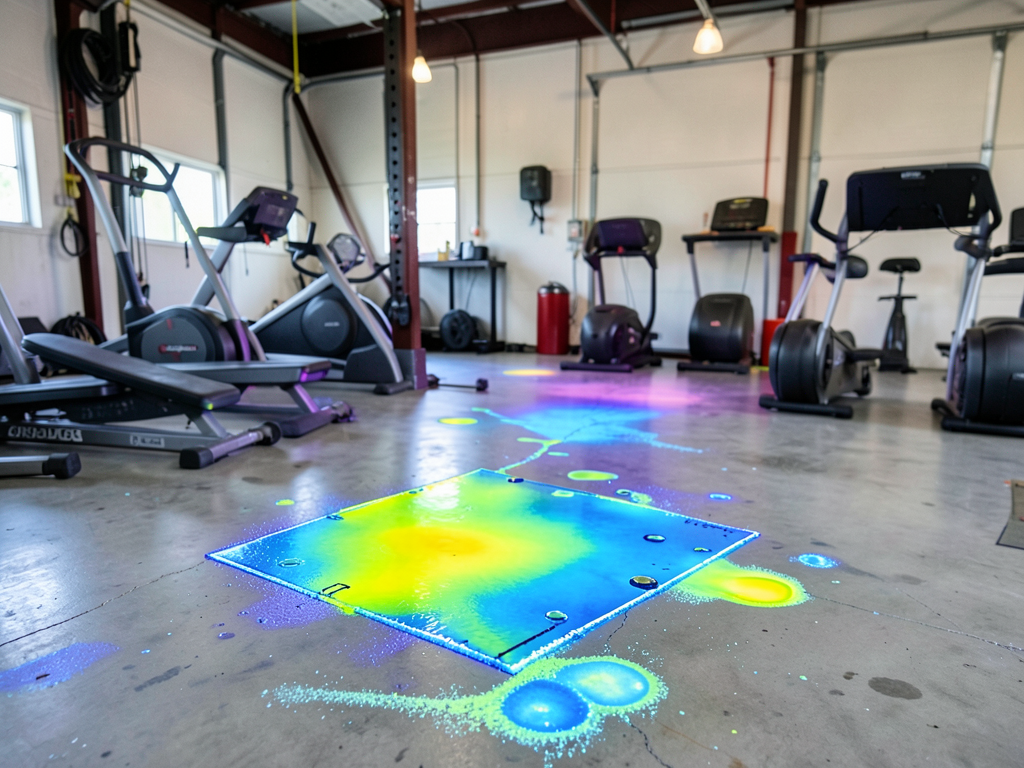
Why Your Garage Floor Is Sweating From Gym Equipment Your heavy gym equipment is creating a perfect storm for garage floor condensation in Jacksonville's humid climate. When you place large metal weights or rubber mats…
The truth about water damage and the resale value of your home in Shearwater\n\nWater damage…
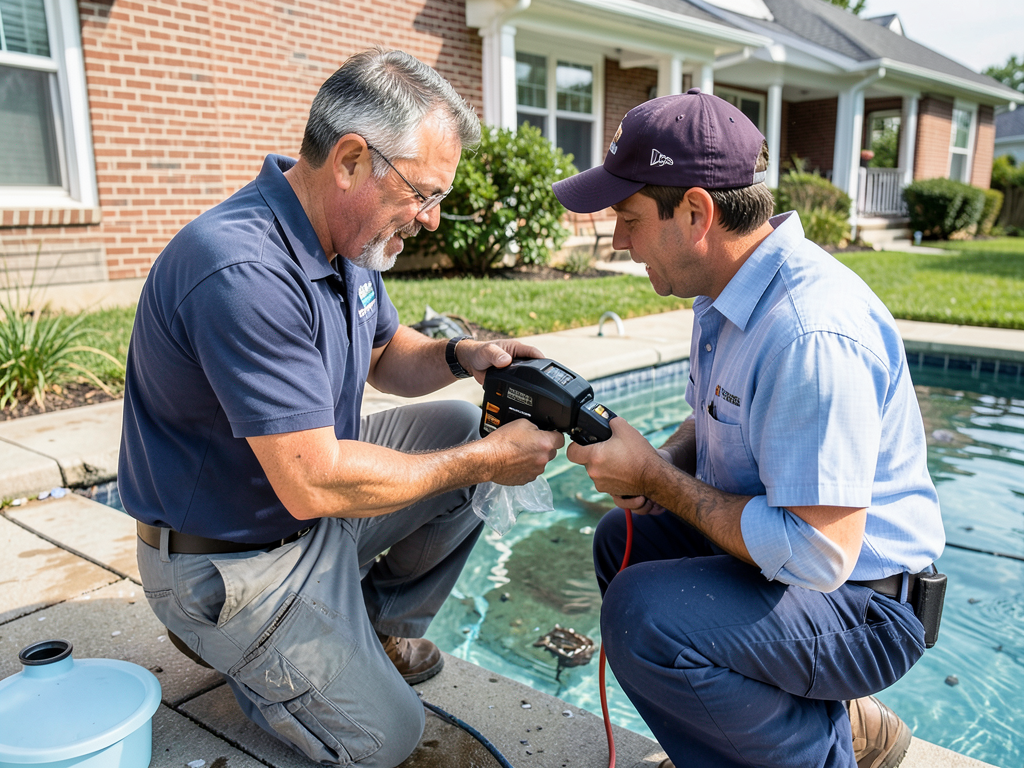
What to do if your neighbor’s pool bursts and floods your Arlington yard Your Arlington…
Handling the mess when your backyard koi pond overflows into your sunroom When your koi…
Water spreads fast and causes permanent damage within hours. Our crews are ready to respond immediately to your St. Augustine property. Call (904) 839-6500 now for emergency water extraction and expert restoration that prevents mold and structural failure.