




Menu

Efflorescence on Concrete in Jacksonville – Expert Diagnosis and Permanent Water Damage Solutions

When white powder on concrete appears in your Jacksonville property, it signals ongoing moisture migration. Our water damage specialists identify the source, stop the intrusion, and prevent recurring crystalline deposits.

Slider Image 1
Slider Image 2
Slider Image 3
Slider Image 4
Slider Image 5
Slider Image 7
Slider Image 8
Slider Image 9
Slider Image 10
Slider Image 11

Why Jacksonville Concrete Shows White Residue and Salt Deposits

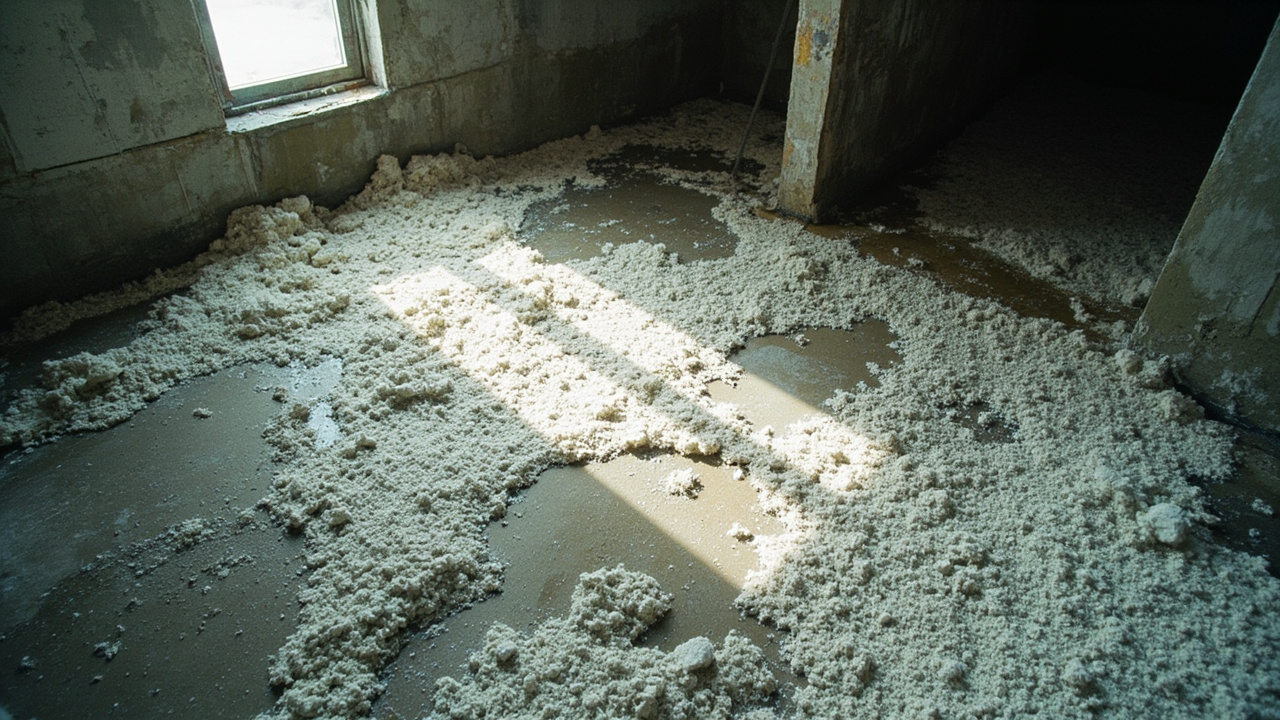
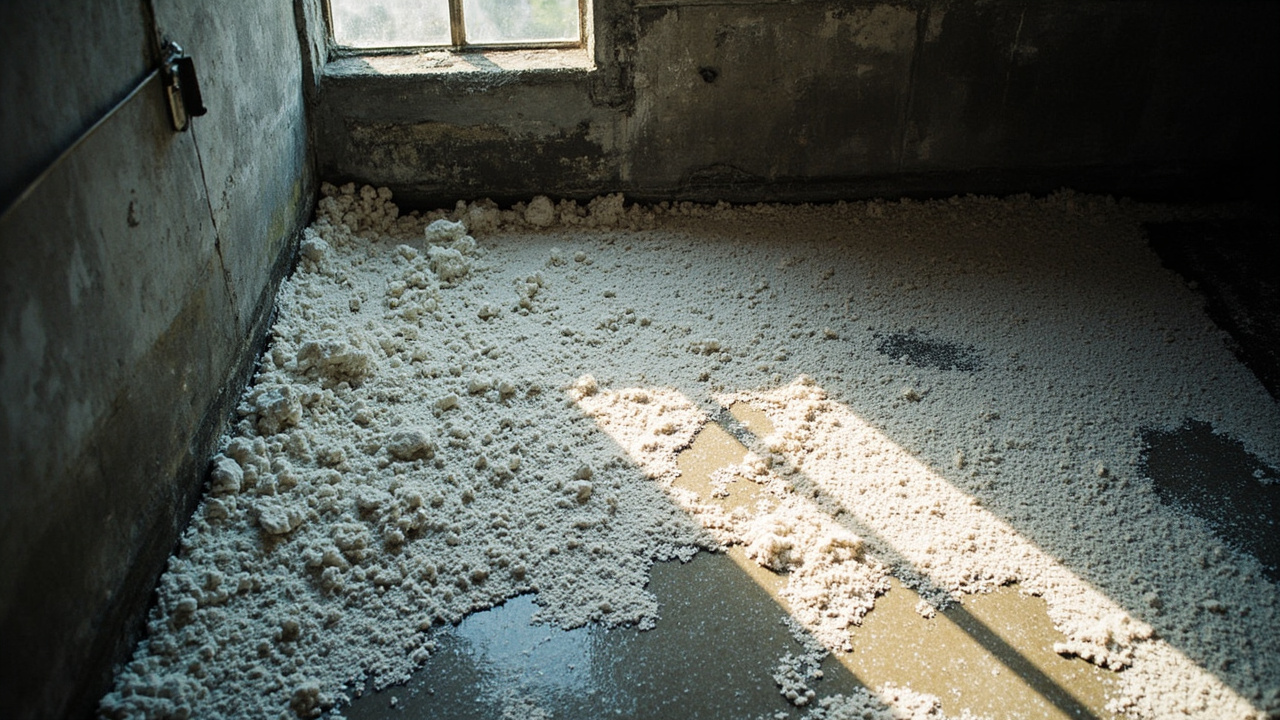
You walk into your garage, basement, or patio and notice a white, chalky powder coating the concrete. It looks like someone spilled baking soda. You try to wipe it away, but it returns within days. This is efflorescence, and it is not a cosmetic issue. It is a symptom of active water movement through your concrete.

Jacksonville's high water table and frequent heavy rains create ideal conditions for efflorescence. When groundwater saturates the soil beneath your slab, hydrostatic pressure forces moisture upward through the porous concrete. As this water evaporates at the surface, it leaves behind mineral salts that crystallize into the white residue you see. The problem intensifies during summer months when humidity slows evaporation, trapping moisture longer inside the concrete matrix.

Properties near the St. Johns River, in Riverside, or in low-lying areas like Ortega experience this more frequently due to elevated groundwater levels. Older homes built before modern vapor barrier standards are particularly vulnerable. The concrete salt deposits you see are calcium carbonate, sodium sulfate, or potassium salts leached from the concrete itself or the soil below.

Here is what most people miss: efflorescence is not the problem. It is the alarm bell. The real issue is the water source. If you only scrub away the white powder on concrete, you are ignoring why moisture is traveling through your foundation in the first place. Left unaddressed, this moisture migration leads to slab cracks, floor buckling, and mold growth in adjacent wall cavities.

Why Jacksonville Concrete Shows White Residue and Salt Deposits
How We Stop Moisture Migration and Remove Efflorescence Permanently

How We Stop Moisture Migration and Remove Efflorescence Permanently

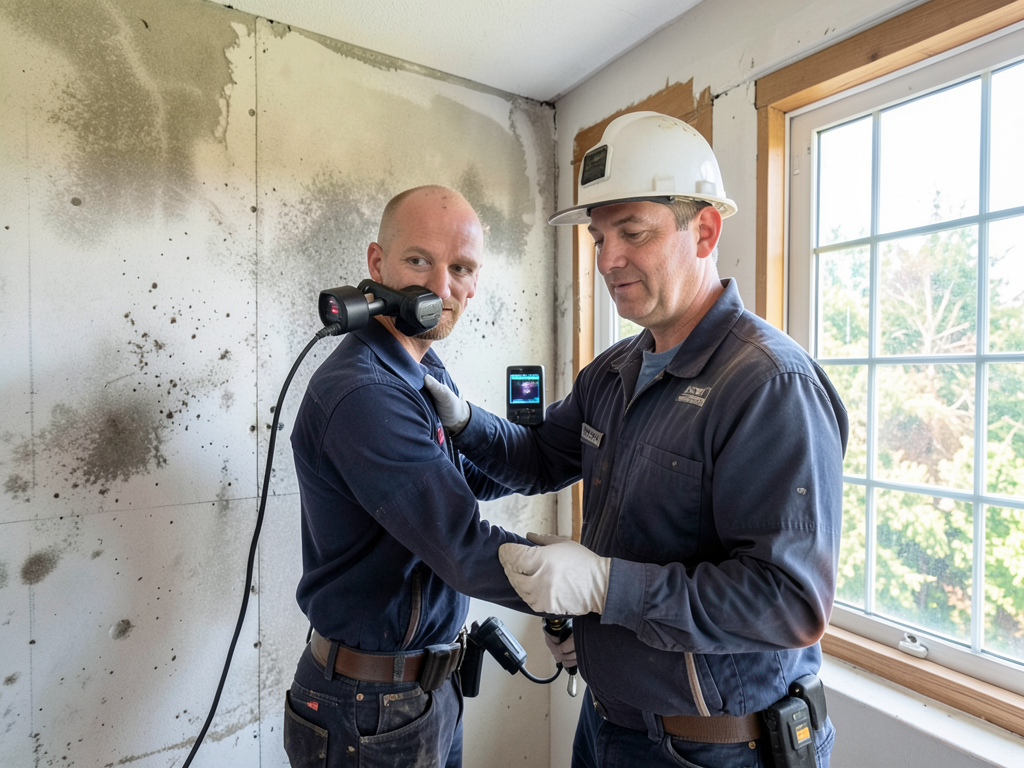
We do not just clean the surface. We trace the moisture pathway. Our process starts with a subsurface moisture scan using non-invasive thermal imaging and capacitance meters. These tools measure moisture content below the visible surface, revealing whether the water is rising from groundwater, lateral seepage, or a plumbing leak under the slab.

Once we pinpoint the source, we stop the intrusion. For groundwater issues, this means installing a perimeter drainage system or sump pump to relieve hydrostatic pressure. If the problem is a broken water line, we coordinate slab penetration repairs with precision leak detection. For lateral moisture from poor grading, we redirect surface water away from the foundation using French drains or regrading.

After stopping the source, we address the concrete itself. We apply a penetrating silane or siloxane sealer that chemically bonds to the concrete pores, creating a hydrophobic barrier without trapping interior moisture. This allows the slab to breathe while preventing further mineral salts on concrete from surfacing. For severe cases with structural compromise, we recommend epoxy injection to fill microcracks and restore slab integrity.

We also test for efflorescence composition using pH strips and conductivity meters. If we detect sulfate salts, it signals potential concrete deterioration that requires more aggressive intervention. This level of diagnostic specificity separates professional water damage restoration from basic handyman fixes. You get a solution engineered to your property's exact conditions, not a one-size-fits-all spray treatment.

What Happens When You Call About Crystalline Deposits

Efflorescence on Concrete in Jacksonville – Expert Diagnosis and Permanent Water Damage Solutions
01

Moisture Source Identification

We arrive with thermal cameras and moisture meters to map the water intrusion. You get a visual report showing exactly where moisture is entering and how far it has traveled through your concrete. This diagnostic phase typically takes 30 to 60 minutes and gives you clarity on whether this is a drainage issue, plumbing failure, or vapor barrier problem.
02

Water Intrusion Mitigation

We stop the water at its source. If it is groundwater, we install drainage or sump systems. If it is a slab leak, we coordinate precision excavation. For surface water issues, we redirect flow with grading corrections. This phase eliminates the conditions that cause white residue on concrete. You see immediate results as new efflorescence stops forming within days.
03

Surface Treatment and Prevention

After the moisture is controlled, we clean existing crystalline deposits with pH-neutral efflorescence removers that will not etch the concrete. We then apply a breathable penetrating sealer to prevent future mineral migration. You receive documentation of moisture levels before and after treatment, plus recommendations for ongoing monitoring if your property has known water table challenges.

Why Jacksonville Properties Need Local Expertise for Efflorescence

Efflorescence in Jacksonville is not the same as efflorescence in Phoenix or Seattle. Our water table sits just 8 to 15 feet below grade in many neighborhoods. Our soil is sandy and acidic. Our rainfall exceeds 50 inches per year. These factors create a unique moisture environment that requires local knowledge to solve correctly.

Fortress Water Damage Restoration Jacksonville has worked in every major neighborhood, from Springfield's historic bungalows to the newer developments in Nocatee. We know which areas flood during king tides. We know which subdivisions were built on reclaimed wetlands. We know where the St. Johns River influences groundwater behavior. This geographic literacy allows us to predict moisture patterns before we even arrive at your property.

We also understand local building practices. Homes built before 1985 rarely have adequate vapor barriers. Properties constructed during the 2000s boom often have drainage systems that were never properly graded. We have seen the same mistakes repeated across thousands of foundations, and we know how to correct them without guesswork.

When you hire a national franchise or out-of-state contractor, they apply generic solutions. They might seal your concrete without addressing the water source, which traps moisture and accelerates spalling. Or they might install a drainage system designed for clay soil when your property sits on sand. These errors cost you thousands and leave the problem unresolved.

We also work directly with local structural engineers when efflorescence indicates foundation movement. Jacksonville's sandy soils can shift under prolonged saturation, and we recognize when salt deposits are a secondary symptom of a larger structural issue. You get honest diagnostic work, not upselling.

What to Expect When You Choose Professional Efflorescence Remediation

Response Time and Availability

We schedule moisture assessments within 24 to 48 hours of your call. Efflorescence is not always an emergency, but the underlying water intrusion can escalate quickly. We prioritize properties showing active seepage, visible mold, or structural cracks. Most diagnostic visits happen the same day for urgent cases. For non-urgent evaluations, we offer flexible scheduling, including evenings and weekends, to accommodate your availability without disrupting your routine.

Diagnostic Process and Reporting

Our technicians use calibrated moisture meters, thermal imaging, and visual inspection to map the intrusion. You receive a written report with moisture readings, thermal images, and a source diagnosis. We explain whether you are dealing with capillary rise, lateral seepage, or a plumbing failure. This report is detailed enough to share with your insurance adjuster or structural engineer if needed. We answer your questions in plain language, not jargon.

Quality of Remediation Work

We use commercial-grade sealers, not consumer products from big-box stores. Our drainage installations meet or exceed local stormwater codes. When we perform slab repairs, we coordinate with licensed plumbers and ensure all excavation is backfilled with engineered fill, not just sand. You get work that passes inspection and holds up under Jacksonville's wet climate. We document moisture levels post-treatment to verify the problem is resolved, not just masked.

Post-Remediation Support and Monitoring

After treatment, we provide care instructions for maintaining your drainage system and recognizing early signs of moisture return. If your property has chronic groundwater challenges, we offer annual moisture inspections to catch problems before visible efflorescence reappears. We keep your service records on file, so if you sell your home, you can provide documentation of professional remediation. No ongoing contracts required, just available support when you need it.

Frequently Asked Questions

You Have Questions,
We Have Answers

Is efflorescence on concrete a problem? +

Efflorescence alone is not dangerous, but it signals a problem. Those white, chalky deposits form when water moves through concrete and brings soluble salts to the surface. In Jacksonville's humid climate, this happens frequently. The real issue is the moisture behind the efflorescence. Persistent water intrusion can weaken concrete, corrode rebar, and promote mold growth. If you see efflorescence on basement walls, garage floors, or foundation slabs, investigate the source. The deposits themselves are cosmetic, but the moisture causing them can lead to structural damage if ignored.

How to fix efflorescence in concrete? +

Start by identifying and stopping the water source. Check for poor drainage, clogged gutters, or groundwater intrusion common in Jacksonville's flat terrain. Once the area dries, use a stiff brush to remove loose deposits. For stubborn efflorescence, apply a diluted vinegar solution or a commercial efflorescence cleaner. Scrub thoroughly and rinse with clean water. Let the concrete dry completely. If efflorescence returns quickly, you have an active moisture problem that requires professional waterproofing or drainage correction. Fixing the symptom without addressing the cause wastes time and money.

Can you seal concrete over efflorescence? +

No. Sealing over efflorescence traps moisture and salts beneath the surface, which creates bigger problems. The seal will fail quickly as trapped salts crystallize and push the coating off. You must remove all efflorescence and confirm the concrete is completely dry before sealing. In Jacksonville's high humidity, drying can take longer than expected. Test moisture levels with a moisture meter. Only apply sealer after eliminating the water source and ensuring the surface is clean and dry. Sealing prematurely leads to blistering, peeling, and wasted money.

Should efflorescence be removed? +

Yes. Remove efflorescence before it damages coatings, traps moisture, or signals ongoing water intrusion. The salt deposits themselves are harmless, but they indicate active moisture movement through your concrete. In Jacksonville's climate, leaving efflorescence untreated allows continuous water migration, which weakens concrete over time. Removal also lets you assess the severity of the moisture problem. If deposits reappear within days, you need professional waterproofing or drainage repair. Clean surfaces also prepare concrete for proper sealing or repair work. Ignoring efflorescence means ignoring the root cause.

How do professionals remove efflorescence? +

Professionals first diagnose the moisture source using thermal imaging or moisture meters. They address drainage issues, install vapor barriers, or apply waterproof coatings to stop water intrusion at the source. For removal, they use specialized efflorescence cleaners, pressure washing, or dry brushing depending on surface type and severity. In Jacksonville, pros account for high groundwater tables and clay soil that retains moisture. They ensure concrete dries completely before applying sealers or treatments. Professional removal includes testing for ongoing moisture problems, not just cleaning visible deposits.

Should I worry about efflorescence? +

Worry about the cause, not the efflorescence itself. Those white deposits tell you water is moving through your concrete. In Jacksonville, where humidity stays high and afternoon storms are common, this moisture can lead to foundation cracks, mold growth, and structural damage. If efflorescence appears once and stops, it may just be residual salts from new concrete curing. If it keeps returning, you have an active water problem. Check your foundation, crawl space, or basement for other signs like dampness, musty odors, or visible water.

Does efflorescence indicate water damage? +

Yes. Efflorescence is a direct indicator of water movement through concrete. The white deposits form when water dissolves salts inside the concrete and carries them to the surface, where they crystallize as the water evaporates. In Jacksonville's high water table areas and clay soils, this often signals poor drainage, hydrostatic pressure, or foundation leaks. The damage is not from the efflorescence itself but from the ongoing moisture intrusion. Persistent water exposure weakens concrete, corrodes rebar, and creates conditions for mold growth in adjacent spaces.

How do I stop efflorescence from coming back? +

Stop the water source permanently. Install proper drainage around your foundation, extend downspouts away from the structure, and grade soil to direct water away from concrete surfaces. In Jacksonville's flat terrain, this may require French drains or sump pumps. Apply a quality waterproof membrane or crystalline waterproofing system to block moisture transmission. Ensure gutters stay clear during rainy season. Fix cracks in concrete that allow water entry. After waterproofing, apply a breathable sealer that prevents water intrusion while allowing vapor to escape. Stopping efflorescence means stopping water migration.

Does Drylok stop efflorescence? +

Drylok can reduce efflorescence if applied correctly, but it does not fix the underlying water problem. This masonry waterproofer creates a barrier that blocks some moisture transmission. However, if hydrostatic pressure or groundwater intrusion is severe, Drylok alone will fail. In Jacksonville's humid climate and high water table areas, you need proper exterior drainage and waterproofing first. Drylok works best as a secondary defense after fixing drainage issues. Apply it only to clean, dry surfaces after removing all existing efflorescence. It prevents future deposits but does not eliminate active moisture sources.

Will efflorescence keep coming back? +

Efflorescence will return if you do not fix the water source. Simply cleaning the deposits treats the symptom, not the cause. In Jacksonville, where afternoon storms and high humidity are constant, untreated moisture problems guarantee efflorescence reappears. The concrete contains salts that water will continue extracting and depositing on the surface until you stop water migration. Permanent solutions require drainage correction, waterproofing, and sometimes foundation repair. If efflorescence keeps coming back after cleaning, you need professional moisture diagnostics. Repeated deposits signal ongoing structural water intrusion.

How Jacksonville's Water Table and Rainfall Create Persistent Efflorescence Conditions

Jacksonville receives over 52 inches of rain annually, with the heaviest concentrations during June through September. This extended wet season saturates the shallow water table, which sits just 8 to 12 feet below grade in most residential areas. When the water table rises, hydrostatic pressure forces groundwater upward through slab foundations. The result is continuous capillary action that deposits mineral salts on concrete surfaces. Properties in Riverside, Ortega, and San Marco experience this more intensely due to proximity to the St. Johns River and lower elevation.

Local building codes now require vapor barriers under new concrete slabs, but the majority of Jacksonville's housing stock predates these standards. Homes built before 1985 have little to no subslab moisture protection, making them highly susceptible to efflorescence and moisture migration. We work with local engineers and building inspectors daily, and we understand the specific retrofitting techniques that comply with Duval County standards. Choosing a contractor who knows these local requirements ensures your repairs meet code and protect your property value long-term.

Water Damage Restoration Services in The Jacksonville Area

Conveniently located to serve the entire region, Fortress is committed to reaching you swiftly when water damage strikes. Our centralized presence allows us to deploy rapid response teams across the service area, ensuring that expert assistance is always just a call away. Explore our location and service radius to see how we can provide immediate, professional water damage restoration solutions directly to your doorstep, minimizing disruption and expediting recovery.

Address:
Fortress Water Damage Restoration Jacksonville, 10752 Deerwood Park Blvd Suit 100, Jacksonville, FL, 32256

Additional Services We Offer

Our news updates

Latest Articles & News from The Blogs

Why Your New Bidet Attachment Might Be Slowly Flooding Your Girvin Bathroom Floor Your bathroom floor feels damp and you…

Why Your New Bidet Attachment Might Be Slowly Flooding Your Girvin Bathroom Floor

Why Your New Bidet Attachment Might Be Slowly Flooding Your Girvin Bathroom Floor Your bathroom floor feels damp and you…

How to Properly Shut Down Your Plumbing Before Leaving Isle of Palms for the Summer

How to Properly Shut Down Your Plumbing Before Leaving Isle of Palms for the Summer Summer vacation should mean relaxation…

The Hidden Meaning Behind Peeling Wallpaper and Bubbling Paint in Lackawanna Homes

The Hidden Meaning Behind Peeling Wallpaper and Bubbling Paint in Lackawanna Homes Peeling wallpaper and bubbling paint in Lackawanna homes…

Contact Us

White powder on your concrete will not go away on its own. Call us at (904) 839-6500 for a professional moisture assessment. We diagnose the water source, stop the intrusion, and prevent future crystalline deposits. Available 24/7 for urgent water damage situations.