



Menu

Cupping or Buckling Wood Floors in Jacksonville – Expert Moisture Diagnosis and Structural Drying

When warped hardwood flooring threatens your home's value and safety, Fortress Water Damage Restoration Jacksonville delivers precision moisture mapping, structural drying, and floor system restoration to stop the damage before replacement becomes necessary.

Slider Image 1
Slider Image 2
Slider Image 3
Slider Image 4
Slider Image 5
Slider Image 7
Slider Image 8
Slider Image 9
Slider Image 10
Slider Image 11

Why Jacksonville's Climate Turns Hardwood Floors Into Wavy Landscapes

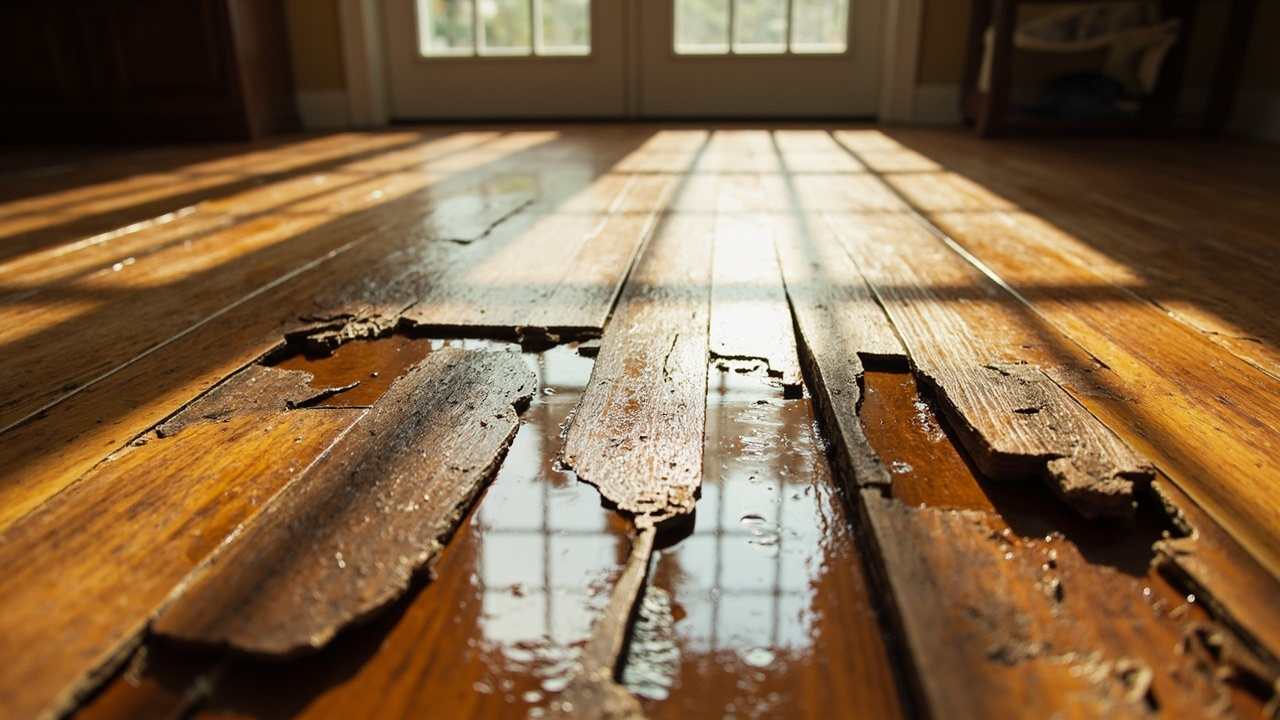
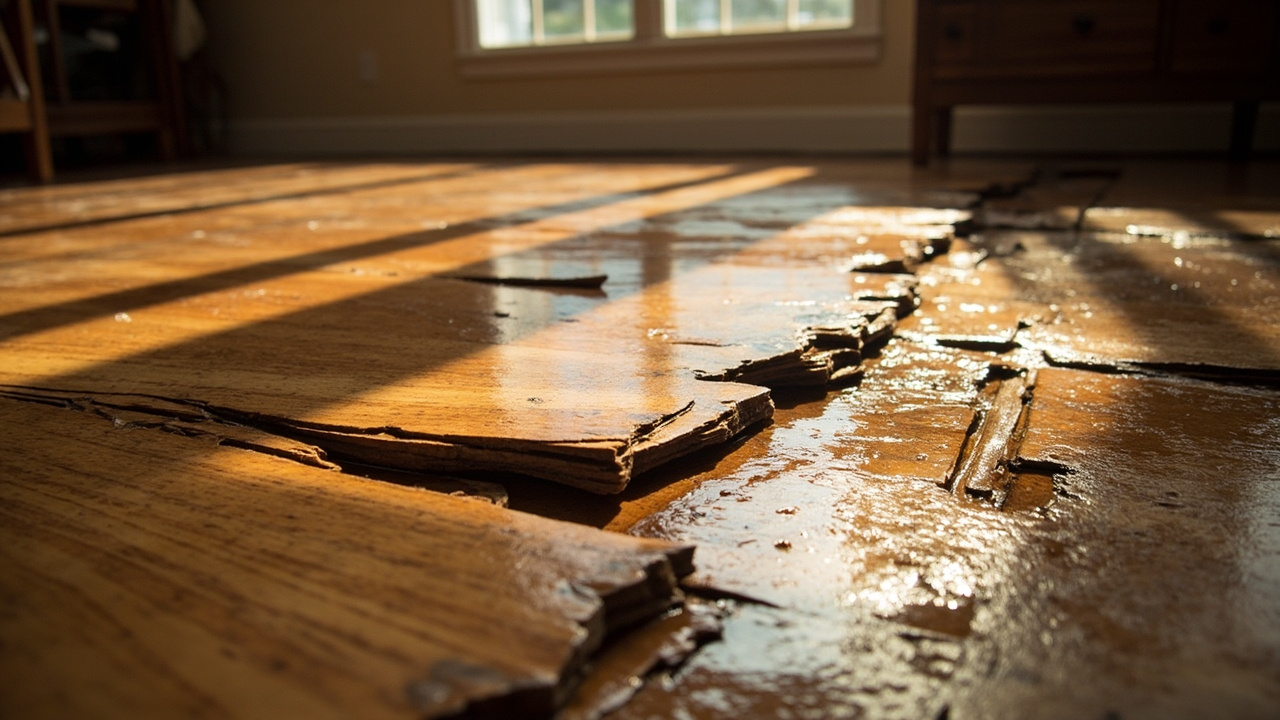
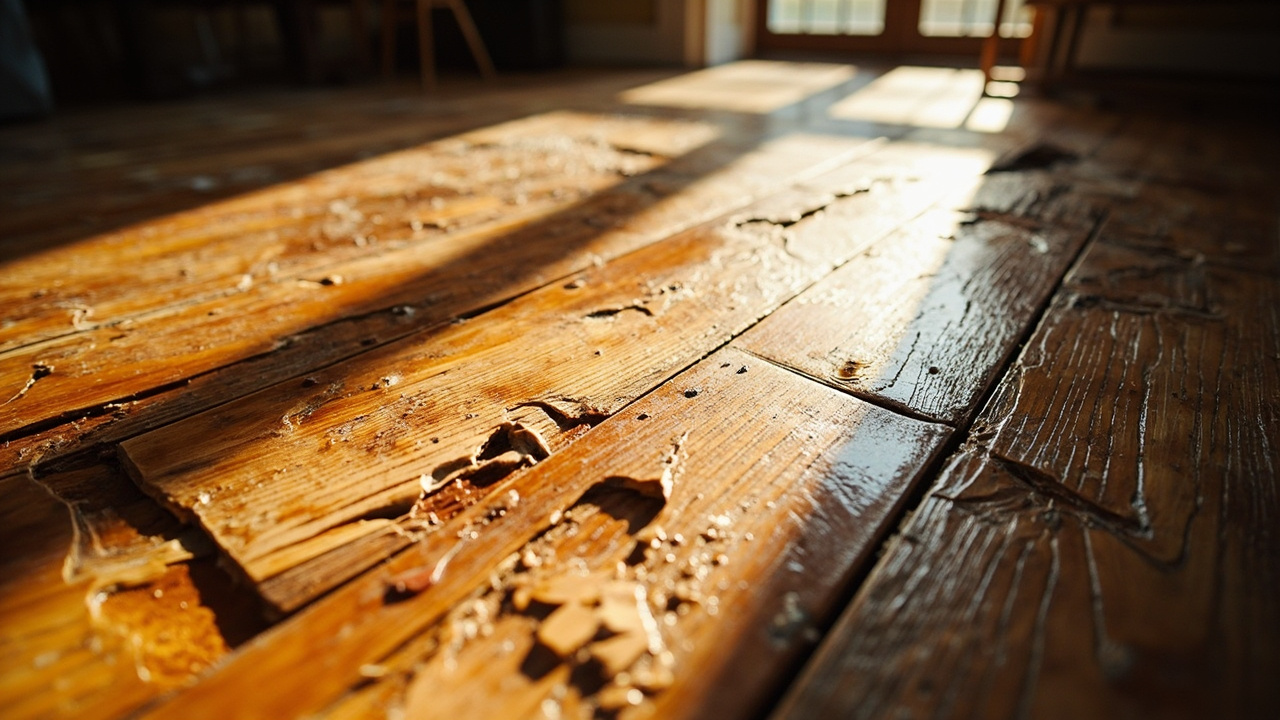
You walk across your living room and feel it. The floor dips and rises like a frozen wave. Swollen wood planks create pressure ridges where boards meet. Lifting floorboards pop loose from the subfloor. Peaking hardwood joints form tent-like peaks along the seams. This is not cosmetic damage. This is moisture intrusion actively destroying your floor system.

Jacksonville's combination of high humidity, afternoon thunderstorms, and proximity to the St. Johns River creates perfect conditions for moisture accumulation beneath flooring. When relative humidity stays above 60 percent for extended periods, hardwood absorbs moisture through the bottom faster than it releases it through the top. The wood expands. When it runs out of room to expand sideways, it moves up. That creates cupping. When expansion pressure becomes extreme, boards push against each other until they buckle completely, creating raised wood floor edges that can splinter underfoot.

The damage you see on the surface started weeks or months ago in places you cannot see. A small plumbing leak beneath the bathroom. Groundwater seepage through foundation cracks common in Riverside and Avondale's older homes. Poor crawlspace ventilation that traps humid air against floor joists. HVAC condensation dripping onto subfloors. Each source feeds the same problem: uncontrolled moisture in the wrong place.

Warped hardwood flooring does not fix itself. The longer moisture stays trapped in the wood and subfloor system, the more permanent the damage becomes. Fibers compress. Adhesives fail. Mold colonizes the dark, damp space between your floor and the earth. What starts as a cosmetic annoyance becomes a structural and health hazard that costs exponentially more to repair with each passing week.

Why Jacksonville's Climate Turns Hardwood Floors Into Wavy Landscapes
How We Reverse Moisture Damage Without Ripping Out Your Floors

How We Reverse Moisture Damage Without Ripping Out Your Floors

Most homeowners assume cupping means replacement. Most contractors agree because demo and reinstall is easier than precision drying. We take a different approach because we understand wood hygroscopy and equilibrium moisture content.

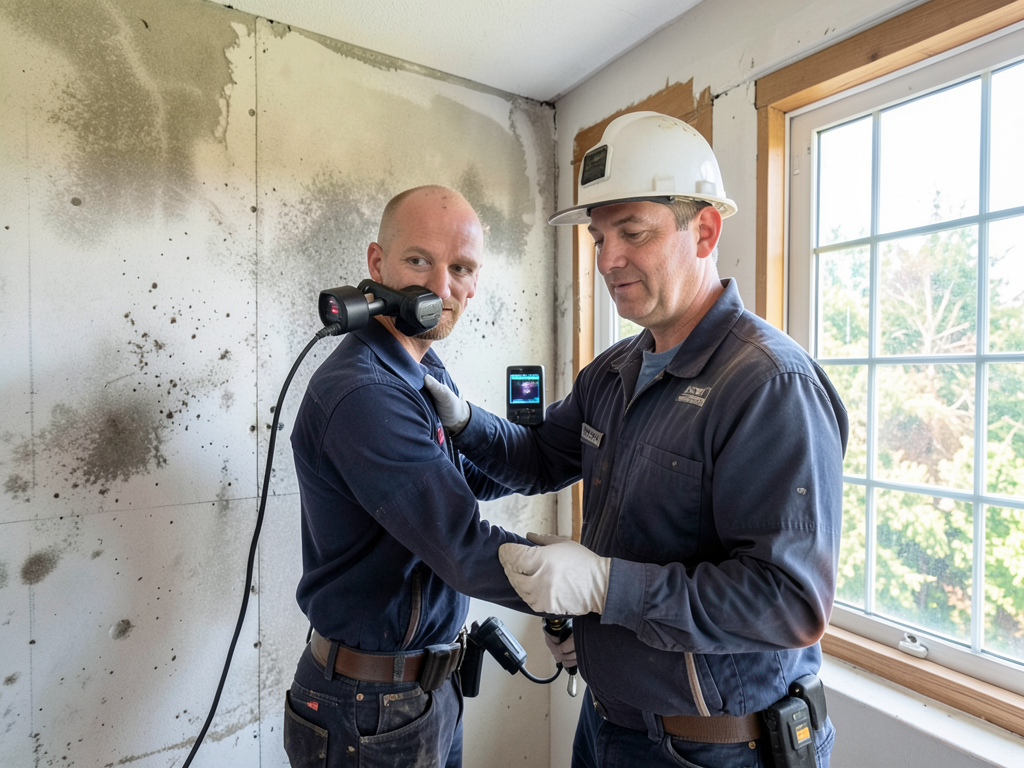
We start with a complete moisture survey using pin-type and pinless moisture meters. We measure moisture content in the flooring surface, then again at depth using penetrating probes. We check the subfloor, the joists, and the crawlspace or slab beneath. We map the wet zone. This tells us whether you have active intrusion or residual moisture from a past event. It tells us whether the subfloor is compromised. It tells us if mold remediation is necessary before drying begins.

Next, we identify and eliminate the source. Leaking supply lines get capped. Drainage issues get corrected. Crawlspace vapor barriers get installed if missing. We do not dry over an active leak. That wastes time and money.

Then we execute controlled structural drying. We place commercial dehumidifiers and air movers in a calculated grid pattern based on psychrometric principles. We create airflow across the floor surface and beneath it when possible. We do not blast heat. Rapid drying causes checking and cracking. We aim for gradual moisture reduction that allows wood fibers to relax back toward their original dimension. We monitor moisture levels every 24 hours and adjust equipment placement as needed.

For severe buckling, we sometimes need to relieve expansion pressure by removing baseboard and cutting relief gaps at the perimeter. This gives swollen wood planks room to contract without fracturing. Once moisture content returns to the 6 to 9 percent range typical for Jacksonville's climate, most cupping reverses. Buckling often requires selective board replacement, but the majority of the floor remains intact.

What Happens When You Call About Warped Floors

Cupping or Buckling Wood Floors in Jacksonville – Expert Moisture Diagnosis and Structural Drying
01

Emergency Moisture Assessment

We arrive with calibrated moisture detection equipment and map the affected area within the first hour. You get a written moisture report that identifies wet zones, moisture content percentages, and the likely intrusion source. We explain what the numbers mean and whether your floor is salvageable. Most calls in Mandarin, Southside, and Beaches areas get same-day response because moisture damage accelerates quickly in our climate.
02

Controlled Structural Drying

We deploy industrial dehumidifiers and air movers positioned based on airflow dynamics and moisture load calculations. Drying typically takes 3 to 7 days depending on saturation levels and subfloor material. We monitor progress with daily moisture readings and adjust equipment to prevent over-drying, which causes new problems. You receive daily updates. The process is loud but methodical. We explain why speed without precision causes more damage than it prevents.
03

Post-Dry Inspection and Documentation

Once moisture content stabilizes in the acceptable range, we remove equipment and reassess the floor. Minor cupping often disappears completely as wood fibers relax. Persistent buckling gets flagged for selective repair. We provide a final moisture report, photo documentation, and recommendations for preventing recurrence. If insurance is involved, we supply the detailed loss documentation adjusters require. You get a clear picture of what was saved and what needs replacement.

Why Jacksonville Homeowners Choose Local Moisture Experts Over Generic Contractors

Fortress Water Damage Restoration Jacksonville operates year-round in the specific conditions that cause your floor problems. We understand how afternoon humidity spikes interact with air conditioning cycles. We know which neighborhoods have high water tables and which have clay soil that holds moisture against foundation slabs. We have worked in the historic bungalows in Springfield where crawlspace access is difficult and in the newer builds in Nocatee where vapor barriers were sometimes skipped during construction.

We hold IICRC certifications in water damage restoration and applied structural drying. That means we follow science-based protocols, not guesswork. We calculate grain depression and vapor pressure differentials. We understand the relationship between temperature, relative humidity, and moisture content in building materials. This matters because improper drying creates secondary damage worse than the original problem.

We also understand local building codes and flood zone regulations. Homes in AE flood zones near the Intracoastal or St. Johns River have specific requirements for subfloor materials and ventilation. We know what the inspector will check when you file for a permit. We know which materials perform best in our climate and which fail within five years.

You also get transparent communication. We explain what we find in plain terms. We show you the moisture readings. We walk you through the drying plan before we start. If your floor is beyond saving, we tell you before you spend money on drying equipment. If it is salvageable, we give you realistic timelines and explain what normal looks like during each phase.

We work directly with insurance carriers and provide the documentation they require for claims. We know what Liberty Mutual, State Farm, and USAA adjusters expect to see in moisture logs and drying records. We photograph everything. That speeds up your claim and reduces the chance of denial due to incomplete documentation.

What to Expect During Floor Moisture Remediation

Response Time and Availability

We answer calls 24 hours a day because moisture does not wait for business hours. Most emergency assessments in Duval County happen within 4 hours of your call. Non-emergency inspections typically schedule within 24 hours. You speak to a technician, not an answering service. We provide a clear arrival window and call if we are running late. During hurricane season or after major storm events, response times may extend, but we prioritize active water intrusion over residual drying projects.

The Inspection and Diagnostic Process

The initial assessment takes 45 minutes to 90 minutes depending on home size and damage extent. We check every room adjacent to the affected area because moisture migrates through subfloor systems. We use thermal imaging cameras to identify temperature differentials that indicate hidden moisture. We probe behind baseboards and inside cabinets. We check crawlspaces and attics if necessary. You get a verbal summary on-site and a written report within 24 hours. The report includes moisture maps, equipment recommendations, and a projected drying timeline.

Final Results and Floor Recovery

Successful drying returns your floor to a stable moisture content between 6 and 9 percent, which is equilibrium for Jacksonville's climate. Minor cupping typically flattens within two weeks after equipment removal as wood fibers continue adjusting. Finish coatings may show dulling or minor scratches from equipment placement, but the structural integrity is restored. Severe cases require finish sanding and refinishing after the floor stabilizes. We coordinate with trusted flooring contractors if refinishing is necessary and provide them with our final moisture readings so they know the floor is ready.

Prevention and Long-Term Monitoring

After drying, we provide a maintenance plan tailored to your home's specific risk factors. That might include crawlspace dehumidifier installation, improved gutter drainage, or HVAC humidity controls. We recommend periodic moisture checks in high-risk areas, especially after heavy rain or plumbing work. We do not sell maintenance contracts, but we do offer discounted follow-up inspections for past clients. The goal is to catch problems early before you see warped floors again. We also educate you on warning signs so you know when to call before damage becomes visible.

Frequently Asked Questions

You Have Questions,
We Have Answers

What is the difference between cupping and buckling floors? +

Cupping occurs when the edges of wood planks rise higher than the center, creating a concave shape. This happens when moisture absorbs into the bottom of the board faster than the top. Buckling is more severe. The entire plank lifts away from the subfloor, creating gaps or dramatic warping. Jacksonville's high humidity and frequent water intrusion from AC leaks or storms trigger both issues. Cupping usually results from minor moisture imbalances. Buckling indicates serious water damage or prolonged saturation. You need fast water extraction and dehumidification to prevent cupping from progressing into buckling.

Will cupped hardwood floors flatten out? +

Cupped floors can flatten if you address the moisture source quickly. Once you remove standing water and run commercial dehumidifiers, the wood may return to its original shape as it dries evenly. Jacksonville's humid climate slows natural drying, so professional equipment speeds recovery. If cupping sits too long, the wood fibers may permanently distort. Some boards will need sanding after they dry to restore a flat surface. Never sand cupped floors while they are still wet. The boards will crown once moisture leaves, creating a worse problem. Always dry first, then assess.

What does a buckled hardwood floor look like? +

A buckled hardwood floor shows dramatic lifting or tenting where planks pull away from the subfloor. You will see raised peaks, gaps between boards and the underlayment, or entire sections that feel spongy underfoot. In severe cases, planks crack or splinter at stress points. Jacksonville homes with slab foundations or crawl spaces see buckling after pipe bursts, roof leaks, or flooding. The wood swells so much it has nowhere to expand, forcing it upward. Buckled floors often require full board replacement. You cannot sand or refinish wood that has separated from its base.

How to fix a hardwood floor that is cupping? +

Fixing cupped hardwood starts with identifying and stopping the moisture source. Check for leaks, high indoor humidity, or wet crawl spaces common in Jacksonville. Extract standing water immediately, then run commercial dehumidifiers and air movers for several days. Monitor moisture levels in the wood using a meter. Once the floor dries completely and sits stable for weeks, assess whether it flattened naturally. If cupping remains, you can sand the surface lightly to level it. Never rush this process. Sanding wet or partially dry wood will create crowning once moisture fully evaporates.

Will buckled hardwood floors go back to normal? +

Buckled floors rarely return to normal on their own. The warping is too severe. Once planks lift and separate from the subfloor, structural damage has occurred. You must dry the area completely using industrial dehumidifiers, then remove and replace affected boards. Jacksonville's humidity makes self-recovery unlikely. Even if buckling appears to settle, adhesive bonds and tongue-and-groove joints often remain compromised. Walking on buckled floors risks further cracking or splintering. Professional restoration involves pulling damaged planks, drying the subfloor, inspecting for mold, and installing new matching wood. Attempting DIY fixes usually fails and costs more long-term.

Can cupping hardwood floors be reversed? +

Cupping can reverse if you act fast and dry the floor properly. The key is removing moisture evenly from both sides of the plank. In Jacksonville, this requires professional-grade dehumidifiers and air movers, not just box fans. Once the wood returns to its pre-damage moisture content, many boards will flatten naturally. Patience is critical. Rushing the process or sanding too early causes crowning, where the center of the plank becomes higher than the edges. If cupping reverses but leaves surface irregularities, light sanding after full stabilization restores smoothness. Severe cupping may require board replacement.

How Jacksonville's High Water Table Accelerates Floor Moisture Problems

Jacksonville sits at an average elevation of 16 feet above sea level with large areas even lower near the river and coast. The water table rises within 3 to 5 feet of the surface in many neighborhoods, especially during summer rainy season. This creates hydrostatic pressure against foundation slabs and constant moisture in crawlspaces. Homes in Riverside, Ortega, and along Beach Boulevard see chronic floor moisture issues because groundwater seepage is persistent, not episodic. Standard vapor barriers degrade over time, and even small foundation cracks allow capillary action to pull moisture into the subfloor system. Cupping and buckling often appear gradually rather than suddenly, making early detection critical.

Fortress Water Damage Restoration Jacksonville has worked in every major neighborhood from the Northside to Ponte Vedra and understands the specific moisture challenges each area faces. We know which streets flood during king tides, which subdivisions have inadequate lot grading, and which older homes lack proper crawlspace ventilation. That local knowledge matters because effective moisture remediation requires understanding the source, not just treating the symptom. When you hire a company familiar with Jacksonville's hydrology, soil composition, and building practices across different eras of development, you get solutions that address the root cause and prevent recurrence.

Water Damage Restoration Services in The Jacksonville Area

Conveniently located to serve the entire region, Fortress is committed to reaching you swiftly when water damage strikes. Our centralized presence allows us to deploy rapid response teams across the service area, ensuring that expert assistance is always just a call away. Explore our location and service radius to see how we can provide immediate, professional water damage restoration solutions directly to your doorstep, minimizing disruption and expediting recovery.

Address:
Fortress Water Damage Restoration Jacksonville, 10752 Deerwood Park Blvd Suit 100, Jacksonville, FL, 32256

Additional Services We Offer

Our news updates

Latest Articles & News from The Blogs

Why Your New Bidet Attachment Might Be Slowly Flooding Your Girvin Bathroom Floor Your bathroom floor feels damp and you…

Why Your New Bidet Attachment Might Be Slowly Flooding Your Girvin Bathroom Floor

Why Your New Bidet Attachment Might Be Slowly Flooding Your Girvin Bathroom Floor Your bathroom floor feels damp and you…

How to Properly Shut Down Your Plumbing Before Leaving Isle of Palms for the Summer

How to Properly Shut Down Your Plumbing Before Leaving Isle of Palms for the Summer Summer vacation should mean relaxation…

The Hidden Meaning Behind Peeling Wallpaper and Bubbling Paint in Lackawanna Homes

The Hidden Meaning Behind Peeling Wallpaper and Bubbling Paint in Lackawanna Homes Peeling wallpaper and bubbling paint in Lackawanna homes…

Contact Us

Warped floors get worse every day moisture remains trapped in the wood. Call Fortress Water Damage Restoration Jacksonville at (904) 839-6500 now for same-day moisture assessment. We bring the equipment and expertise to save your floors when others say replace them.