




Menu

Fire Damage Safety Checklist in Jacksonville – Essential Post-Fire Safety Steps to Protect Your Family and Property

Comprehensive Fire Damage Safety Checklist covering structural hazards, air quality testing, electrical risks, and hidden water damage specific to Jacksonville homes and businesses after a fire emergency.

Slider Image 1
Slider Image 2
Slider Image 3
Slider Image 4
Slider Image 5
Slider Image 7
Slider Image 8
Slider Image 9
Slider Image 10
Slider Image 11

Why Fire Damage Creates Unique Hazards in Jacksonville Properties

A fire in your Jacksonville property leaves behind more than just visible charring and smoke stains. The combination of intense heat, water from firefighting efforts, and Jacksonville's humid subtropical climate creates a dangerous environment that can threaten your health and property for weeks after the flames are extinguished.

The immediate aftermath of a fire exposes you to structural instability, toxic particulates in the air, compromised electrical systems, and extensive water damage from fire suppression. Jacksonville's average humidity levels above 70 percent accelerate mold growth in waterlogged materials, often within 24 to 48 hours. What starts as a fire emergency quickly becomes a dual threat of fire and water damage.

Post-fire safety steps are not optional. They are critical to preventing secondary injuries, respiratory illness, and further property deterioration. The fire recovery safety guide begins with understanding what you are facing. Soot and ash contain carcinogens, heavy metals, and acidic compounds that corrode metals and damage porous materials like drywall and insulation. Water used to fight the fire penetrates subfloors, wall cavities, and HVAC systems, creating hidden pockets of moisture.

Jacksonville homes built on clay soils face additional risks. Fire-weakened foundations combined with water infiltration can lead to settling and cracking. The after fire safety precautions you take in the first hours determine whether your property can be saved or whether damage compounds into a total loss. A proper post-fire hazard checklist addresses immediate dangers first, then tackles the underlying contamination and moisture that threatens long-term safety.

Why Fire Damage Creates Unique Hazards in Jacksonville Properties
The Comprehensive Fire Damage Safety Protocol That Protects Jacksonville Properties

The Comprehensive Fire Damage Safety Protocol That Protects Jacksonville Properties

A fire damage safety protocol goes beyond simple visual inspection. It requires systematic evaluation of structural integrity, air quality, electrical systems, plumbing, and hidden water damage. Fortress Water Damage Restoration Jacksonville approaches every fire scene with a dual focus on immediate hazards and long-term contamination.

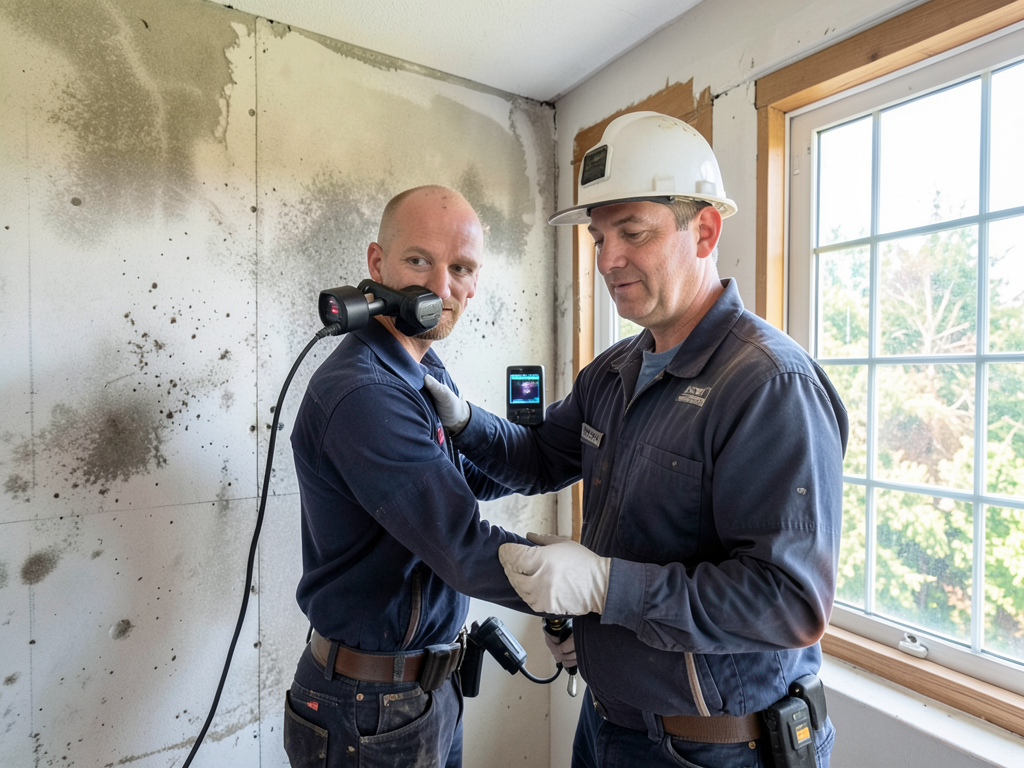
The first priority is structural assessment. We check for compromised load-bearing walls, weakened floor joists, and damaged roof trusses. Fire temperatures exceeding 1,000 degrees weaken steel fasteners and timber framing. We use thermal imaging to detect hot spots that indicate smoldering materials inside walls or attics. These hidden embers can reignite hours or days after the fire is declared out.

Air quality testing identifies toxic particulates. Burning plastics release dioxins and furans. Synthetic carpets and furniture produce hydrogen cyanide and benzene. We measure particulate levels and volatile organic compounds to determine if the air is safe to breathe. Without proper testing, you are exposing your family to carcinogens with every breath.

Electrical systems require complete inspection. Water and fire damage electrical panels, wiring, and outlets. We verify that circuits are de-energized and test for short circuits before any restoration begins. Plumbing systems also need evaluation. Firefighting water often overwhelms drainage systems, and heat can melt PVC pipes or crack copper lines.

The post-fire safety steps include complete moisture mapping. We use hygrometers and infrared cameras to find saturated materials hidden behind walls and under floors. Jacksonville's humidity makes rapid drying essential. We deploy commercial dehumidifiers and air movers to extract moisture before mold colonies establish. The fire recovery safety guide we follow eliminates both fire and water threats systematically.

How Fire Damage Safety Assessments Work in Jacksonville

Fire Damage Safety Checklist in Jacksonville – Essential Post-Fire Safety Steps to Protect Your Family and Property
01

Initial Hazard Survey

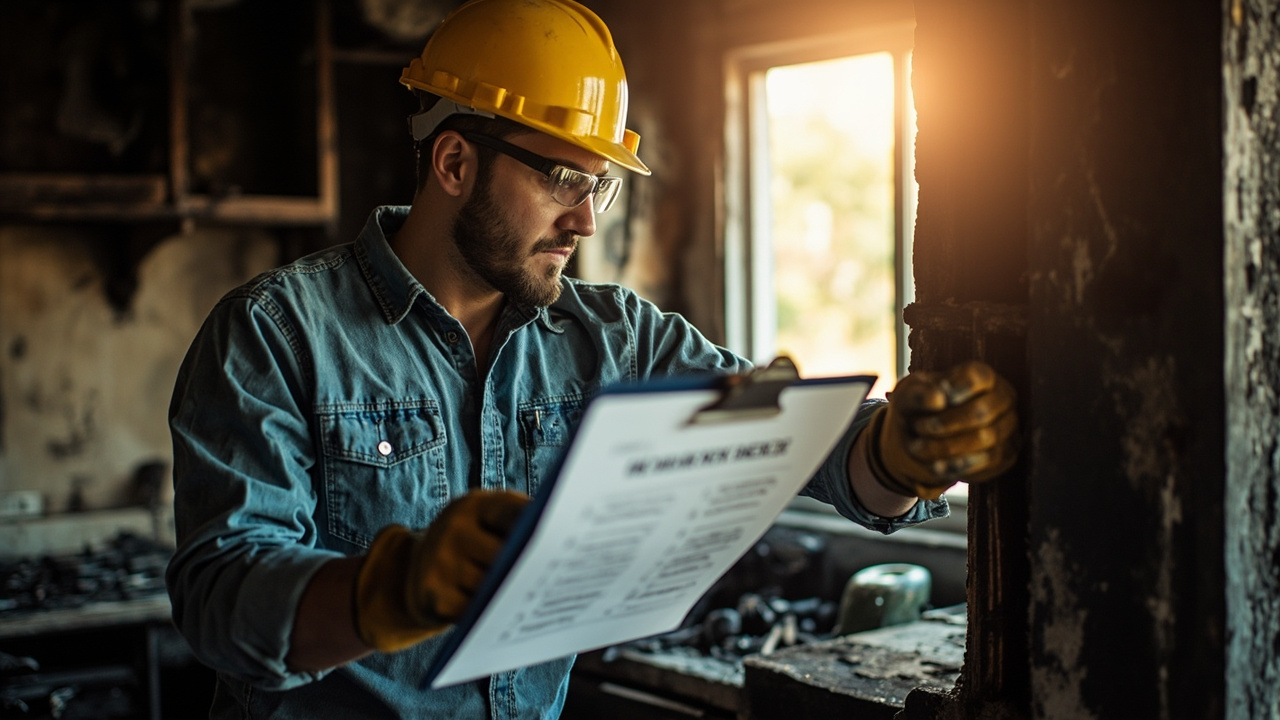
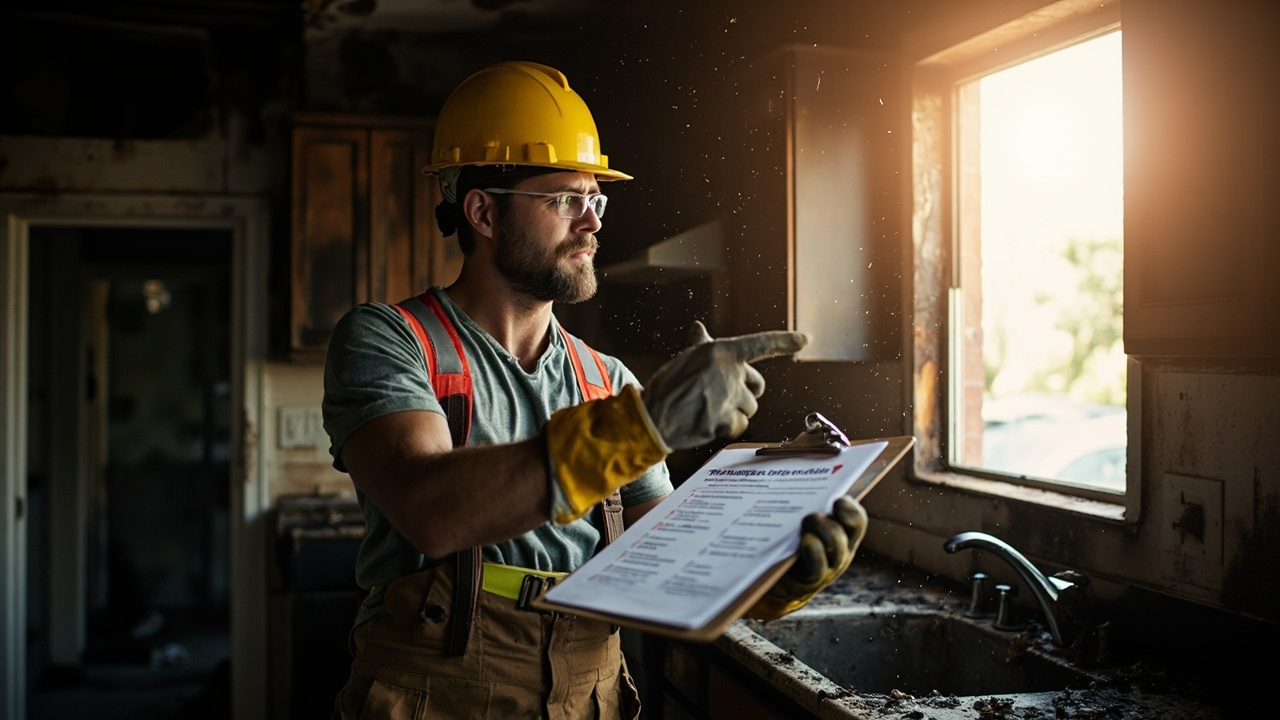
We conduct a complete walk-through to identify immediate dangers. This includes checking structural stability, marking unsafe zones, testing air quality, and documenting all visible damage. We verify that utilities are safely disconnected and that no smoldering materials remain active. You receive a preliminary safety report that identifies which areas are safe to enter and which require professional remediation before access.
02

Contamination and Moisture Testing

We use specialized equipment to measure soot contamination, airborne particulates, and hidden moisture throughout your property. Thermal imaging reveals water migration paths and saturated insulation. Air sampling identifies volatile organic compounds and particulate counts. Moisture meters detect elevated readings in walls, ceilings, and subfloors. This data drives the remediation plan and ensures nothing is missed that could threaten your health or property value.
03

Safety Clearance and Documentation

After remediation, we retest air quality and moisture levels to verify safe conditions. You receive a final safety clearance report documenting that your property meets health and safety standards. This documentation is critical for insurance claims and future property transactions. We provide a post-fire hazard checklist that outlines ongoing monitoring steps and maintenance recommendations to prevent secondary damage as your property fully stabilizes.

Why Jacksonville Property Owners Trust Fortress Water Damage Restoration for Fire Recovery

Fire damage restoration in Jacksonville requires understanding how local climate and construction methods affect recovery. Fortress Water Damage Restoration Jacksonville brings specific expertise in managing the unique challenges posed by North Florida's environment and building practices.

Jacksonville's coastal humidity accelerates both mold growth and corrosion after fire and water damage. We know that standard drying timelines do not apply here. Our teams adjust equipment deployment and monitoring schedules to account for ambient moisture levels that remain elevated year-round. We understand that properties near the St. Johns River or along the Atlantic coast face even higher humidity loads that demand aggressive dehumidification.

Local building codes and historical construction methods also shape our approach. Many Jacksonville neighborhoods feature older homes with pier and beam foundations, wood siding, and attic ventilation systems that require specialized drying techniques. We know how to address fire damage in these structures without causing additional harm to original materials or architectural details.

Our technicians are trained in Jacksonville-specific fire damage safety protocols. We coordinate with local fire marshals, building inspectors, and insurance adjusters who operate under Florida regulations. This familiarity speeds approvals and ensures compliance with all local requirements for re-occupancy.

We also understand the insurance landscape in Jacksonville. Florida homeowners policies have specific coverage limitations and claims processes. We document every phase of assessment and remediation to support your claim and maximize recovery. Our reports meet the standards required by carriers operating in this market.

Choosing a local restoration company means working with professionals who know Jacksonville properties, Jacksonville weather, and Jacksonville regulations. We respond faster because we are already here. We assess more accurately because we have seen these conditions before. We restore more effectively because we understand what works in this specific environment.

What to Expect During Fire Damage Safety Assessment and Recovery

Rapid Response and Initial Assessment Timeline

We arrive on-site within hours of your call to begin the safety assessment. The initial hazard survey takes two to four hours depending on property size. You receive a preliminary verbal report immediately and a written safety assessment within 24 hours. If structural concerns require engineering evaluation, we coordinate that consultation on an expedited basis. Our goal is to give you clear answers about safety and next steps as quickly as possible so you can make informed decisions about your property and your family.

Detailed Testing and Contamination Analysis

Comprehensive testing includes air quality sampling, moisture mapping, electrical system evaluation, and structural integrity checks. We use calibrated instruments to measure particulate counts, volatile organic compounds, and moisture content in building materials. Testing typically requires four to six hours for residential properties and longer for commercial buildings. You receive a detailed report with photographs, equipment readings, and specific remediation recommendations. This documentation supports insurance claims and provides a clear roadmap for restoration work.

Verified Safety and Quality Outcomes

The final deliverable is a property that meets or exceeds safety standards for re-occupancy. We retest air quality to verify particulate counts are within acceptable ranges. Moisture readings confirm that all materials are dry and mold growth has been prevented. Electrical systems are tested and certified safe. You receive photographic documentation showing before and after conditions, equipment readings proving safe levels, and written clearance for occupancy. This documentation protects your property value and provides peace of mind that your home or business is truly safe.

Ongoing Monitoring and Long-Term Protection

Fire and water damage can create conditions that evolve over weeks or months. We provide follow-up inspections at 30 and 90 days to verify that moisture levels remain stable and that no secondary issues have developed. You receive guidance on monitoring your property for signs of hidden damage or delayed effects. We remain available for questions and concerns as your property returns to normal use. If additional issues surface during the recovery period, we respond quickly to address them before they become major problems.

Frequently Asked Questions

You Have Questions,
We Have Answers

What are the 5 E's of fire safety? +

The 5 E's of fire safety are Education, Enforcement, Engineering, Emergency Response, and Evaluation. Education teaches you fire prevention and response. Enforcement ensures building codes and fire regulations are followed. Engineering designs fire-resistant structures and systems. Emergency Response covers how first responders handle fires. Evaluation reviews fire incidents to improve future safety. In Jacksonville, humid conditions can affect smoke detector performance, so test your alarms monthly. Keep exit routes clear in your home or business. After fire damage, professionals assess structural safety before you re-enter. Understanding these principles helps you protect your property and family year-round.

What are the 4 P's of fire safety? +

The 4 P's of fire safety are Prevention, Planning, Practice, and Protection. Prevention stops fires before they start through safe habits and equipment maintenance. Planning means creating escape routes and meeting points for your household or business. Practice involves conducting regular fire drills so everyone knows what to do. Protection includes installing smoke detectors, fire extinguishers, and sprinkler systems. Jacksonville properties face unique risks from summer storms and electrical surges. Check your electrical panels for corrosion from humidity. Create a fire safety plan that accounts for Florida's weather patterns. Keep fire extinguishers accessible in kitchens, garages, and near water heaters.

What are the 5 basic fire safety practices? +

Five basic fire safety practices include installing smoke alarms on every level, creating and practicing an escape plan, keeping exits clear, storing flammable materials properly, and maintaining electrical systems. Test smoke detectors monthly and replace batteries twice yearly. Identify two ways out of every room in your home. Never block doors or windows with furniture. Store gasoline, paint thinners, and chemicals in ventilated areas away from heat sources. In Jacksonville, high humidity can corrode electrical connections, increasing fire risk. Inspect outlets for discoloration or warmth. Have a professional check your electrical panel every few years, especially in older homes.

What are the 5 P's of fire evacuation? +

The 5 P's of fire evacuation are Path, People, Pets, Phone, and Prescriptions. Path means knowing your primary and secondary escape routes. People refers to accounting for everyone in your household at a designated meeting spot. Pets should have a carrier or leash ready for quick evacuation. Phone ensures you can call 911 once safely outside. Prescriptions mean keeping essential medications in a grab-and-go location. Jacksonville residents should consider hurricane preparedness overlaps with fire evacuation planning. Keep important documents in a waterproof, fireproof safe. Practice your escape plan at night when visibility is limited. Never go back inside a burning structure.

What does 5 5 5 mean to a firefighter? +

The 5-5-5 rule means firefighters have roughly five minutes to don gear, five minutes to reach the scene, and five minutes to make entry before fire conditions become critical. This timeline shows how fast structure fires escalate. For Jacksonville homeowners, this underscores why early detection matters. Once fire starts, you have minimal time to escape safely. Modern furnishings burn faster than older materials, producing toxic smoke quickly. Install interconnected smoke alarms so when one sounds, all sound. Create a family communication plan. Keep your address clearly visible from the street so emergency crews locate you fast.

What are 10 safety rules? +

Ten safety rules include testing smoke detectors monthly, having working fire extinguishers, creating escape plans, practicing drills, keeping exits clear, storing flammables safely, maintaining electrical systems, never leaving cooking unattended, sleeping with bedroom doors closed, and staying low in smoke. Jacksonville's older neighborhoods often have outdated wiring that poses fire risks. Check for flickering lights or frequently tripped breakers. Replace frayed cords immediately. Install ground fault circuit interrupters near water sources. Keep space heaters three feet from anything flammable. Turn off appliances when not in use. Teach children fire safety basics and designate an outside meeting spot everyone knows.

What are the 4 golden rules of fire safety? +

The four golden rules are never fight a fire larger than a wastebasket, keep an exit behind you, use the right extinguisher type, and aim at the fire's base. These rules prevent homeowners from becoming victims. Small grease fires need Class K extinguishers, not water. Electrical fires require Class C extinguishers. If smoke fills the room or fire spreads, evacuate immediately. Jacksonville properties may face fire damage from lightning strikes during summer storms. After any fire, even small ones, have professionals assess smoke and soot damage. Hidden structural damage or lingering smoke can cause health problems and decrease property value.

What are the 3 A's of fire safety? +

The 3 A's of fire safety are Activate, Assist, and Attempt. Activate the fire alarm or call 911 first. Assist others who need help evacuating, including elderly family members, children, and people with disabilities. Attempt to extinguish the fire only if it is small, contained, and you have the right equipment. Never put yourself at risk. In Jacksonville, coastal humidity can make smoke damage worse by accelerating corrosion and mold growth after fires. Once you evacuate, stay out. Firefighters will handle suppression. After the fire is out, contact restoration professionals before entering to assess safety and begin cleanup.

What is the 4 triangle of fire? +

The fire triangle consists of three elements needed for fire: fuel, oxygen, and heat. Remove any one element and fire cannot sustain. Fuel includes anything combustible like wood, paper, or fabric. Oxygen exists in air at roughly 21 percent. Heat provides the ignition source, whether from electrical sparks, open flames, or friction. Understanding this helps you prevent fires by controlling these factors. In Jacksonville homes, check dryer vents for lint buildup, a common fuel source. Keep combustibles away from water heaters and furnaces. Store propane tanks outside. After fire damage occurs, professionals eliminate heat sources and remove damaged fuel materials to prevent rekindling.

What is the 30/30/30 rule for fire? +

The 30/30/30 rule helps assess wildfire danger by monitoring temperature, humidity, and wind. If temperature exceeds 30 degrees Celsius (86°F), relative humidity drops below 30 percent, and wind speeds exceed 30 kilometers per hour (19 mph), wildfire risk increases dramatically. While Jacksonville faces less wildfire threat than western states, brushfires occur during dry spring months, especially in areas near wetlands or wooded lots. Clear vegetation within 30 feet of structures. Trim tree branches away from rooflines. Never burn yard waste on windy days. If fire damages your property, professionals will assess smoke penetration throughout the structure, even in areas that appear unaffected.

How Jacksonville's Humidity and Coastal Climate Complicate Fire Recovery Safety

Jacksonville's location on the Atlantic coast and the St. Johns River creates ambient humidity levels that average 74 percent year-round. After a fire, when firefighting water saturates your property, this high humidity prevents natural evaporation. Materials remain wet longer, mold spores germinate faster, and corrosion accelerates. The fire damage safety protocol must account for Jacksonville's climate by deploying more aggressive drying equipment than would be necessary in drier regions. Without rapid moisture extraction, a fire loss becomes a mold disaster within 48 hours.

Fortress Water Damage Restoration Jacksonville has managed fire recovery projects throughout Duval County, from Riverside and Avondale historic homes to Southside commercial properties and Arlington beach cottages. We understand how different neighborhoods and construction types respond to fire and water damage. Our technicians know local building inspectors, work with Jacksonville fire marshals regularly, and maintain relationships with structural engineers familiar with North Florida construction. This local expertise ensures your fire damage safety checklist addresses Jacksonville-specific challenges and meets all local code requirements for safe re-occupancy.

Water Damage Restoration Services in The Jacksonville Area

Conveniently located to serve the entire region, Fortress is committed to reaching you swiftly when water damage strikes. Our centralized presence allows us to deploy rapid response teams across the service area, ensuring that expert assistance is always just a call away. Explore our location and service radius to see how we can provide immediate, professional water damage restoration solutions directly to your doorstep, minimizing disruption and expediting recovery.

Address:
Fortress Water Damage Restoration Jacksonville, 10752 Deerwood Park Blvd Suit 100, Jacksonville, FL, 32256

Additional Services We Offer

Our news updates

Latest Articles & News from The Blogs

Why Your New Bidet Attachment Might Be Slowly Flooding Your Girvin Bathroom Floor Your bathroom floor feels damp and you…

Why Your New Bidet Attachment Might Be Slowly Flooding Your Girvin Bathroom Floor

Why Your New Bidet Attachment Might Be Slowly Flooding Your Girvin Bathroom Floor Your bathroom floor feels damp and you…

How to Properly Shut Down Your Plumbing Before Leaving Isle of Palms for the Summer

How to Properly Shut Down Your Plumbing Before Leaving Isle of Palms for the Summer Summer vacation should mean relaxation…

The Hidden Meaning Behind Peeling Wallpaper and Bubbling Paint in Lackawanna Homes

The Hidden Meaning Behind Peeling Wallpaper and Bubbling Paint in Lackawanna Homes Peeling wallpaper and bubbling paint in Lackawanna homes…

Contact Us

Do not enter a fire-damaged property without a professional safety assessment. Call Fortress Water Damage Restoration Jacksonville at (904) 839-6500 now for immediate response. We will evaluate structural integrity, test air quality, and identify all hazards so you can move forward safely.