

Menu

Sanitization & Odor Removal in Jacksonville – Complete Antimicrobial Treatment After Water Damage

Fortress Water Damage Restoration Jacksonville eliminates bacteria, mold spores, and stubborn odors with hospital-grade disinfection and deodorization protocols designed for Florida's humid, microbial-friendly climate.

Slider Image 1
Slider Image 2
Slider Image 3
Slider Image 4
Slider Image 5
Slider Image 7
Slider Image 8
Slider Image 9
Slider Image 10
Slider Image 11

Why Water Damage in Jacksonville Creates Persistent Odor and Health Risks

Jacksonville's subtropical humidity turns every water intrusion into a breeding ground for bacteria, mold, and mildew. When water sits in drywall, subfloors, or HVAC ducts for more than 48 hours, microbial growth accelerates. You smell it first: that musty, sour odor that permeates furniture, carpets, and clothing. That smell is not just unpleasant. It signals active microbial colonization releasing mycotoxins and volatile organic compounds into your indoor air.

Most homeowners think drying out the structure solves the problem. It does not. Even after visible water disappears, contamination remains embedded in porous materials. Floodwater from the St. Johns River or storm surge from the Atlantic carries sewage, chemicals, and organic matter. Category 2 and Category 3 water events require antimicrobial treatment, not just extraction and airflow. Without proper sanitizing and deodorizing, you are left with a space that looks dry but remains biologically compromised.

Odor abatement is not about masking smells with air fresheners. It requires identifying contamination sources, removing affected materials when necessary, and applying disinfection protocols that kill pathogens at the molecular level. In Jacksonville's year-round warmth, skipping this step guarantees recontamination. You deserve odor control services that address the root cause, not surface symptoms.

Why Water Damage in Jacksonville Creates Persistent Odor and Health Risks
Our Multi-Phase Sanitization and Deodorization Process

Our Multi-Phase Sanitization and Deodorization Process

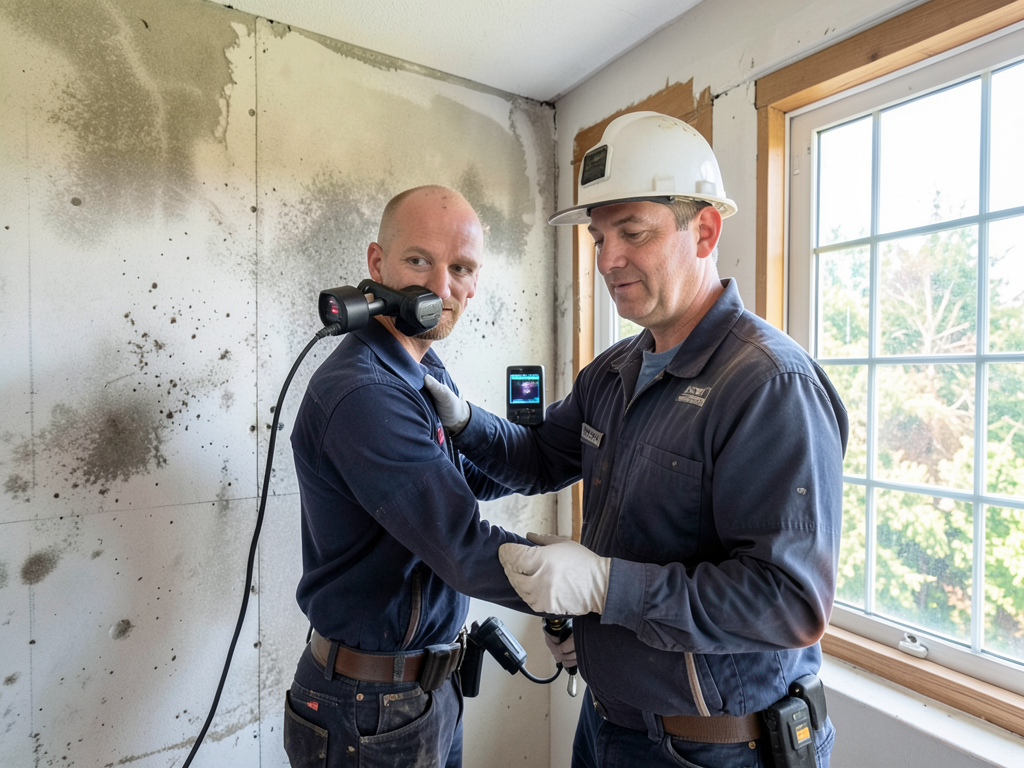
We do not spray and walk away. Our sanitization protocol begins with microbial load assessment using moisture meters and thermal imaging to map hidden water intrusion. We test airborne spore counts and surface contamination to determine treatment intensity. This diagnostic phase separates amateur water damage work from professional restoration.

Once we identify contamination zones, we deploy EPA-registered antimicrobial agents designed for porous and non-porous surfaces. These are not household disinfectants. We use quaternary ammonium compounds, hydrogen peroxide vapor systems, and ozone generators calibrated for cubic footage and contamination type. For Category 3 water events, we follow IICRC S500 standards, which mandate specific contact times and application methods to achieve pathogen kill rates above 99.9%.

Odor removal happens in parallel. We use hydroxyl generators and vapor phase odor counteractants that bond with odor molecules at the chemical level, neutralizing them rather than covering them up. For severe cases involving decomposition, sewage, or long-term mold growth, we implement thermal fogging with deodorizing agents that penetrate deep into structural cavities and HVAC systems.

After treatment, we conduct post-remediation verification. We retest air quality, verify moisture levels below 15%, and document microbial clearance. You receive a written report showing before and after contamination levels. This documentation is critical for insurance claims and future property transactions. We do not consider the job complete until lab results confirm your space is biologically safe.

What Happens During Our Sanitization Visit

Sanitization & Odor Removal in Jacksonville – Complete Antimicrobial Treatment After Water Damage
01

Contamination Mapping and Testing

We arrive with moisture detection equipment, thermal cameras, and air sampling tools. Our technicians map every wet area, even behind walls and under flooring. We collect air and surface samples to identify bacterial strains, mold species, and contamination severity. This data determines which antimicrobial agents we deploy and how long they must remain in contact with surfaces to achieve complete pathogen elimination.
02

Application of Antimicrobial Agents

Using electrostatic sprayers and ULV foggers, we apply hospital-grade disinfectants to all affected surfaces. Porous materials like drywall and insulation receive deep saturation treatment. Non-porous surfaces get quaternary ammonium applications with timed contact periods. We treat HVAC systems, crawl spaces, and wall cavities to prevent recontamination. Every chemical we use is EPA-registered and safe for occupied spaces once dry.
03

Verification and Clearance Documentation

After treatment and drying, we retest air quality and surface contamination. Moisture levels must read below 15% on our hygrometers. Microbial counts must fall below IICRC and EPA thresholds. You receive a detailed clearance report showing lab-confirmed results. This documentation proves your property is safe for reoccupation and protects you during insurance negotiations or future property sales.

Why Jacksonville Property Owners Trust Fortress for Disinfection and Deodorization

Jacksonville's coastal geography creates unique microbial challenges. Storm surge from hurricanes brings saltwater contamination that corrodes building materials and accelerates mold growth. The St. Johns River floods low-lying neighborhoods in Riverside, San Marco, and Ortega with Category 3 water carrying sewage and chemical runoff. These events demand more than residential-grade cleaning products.

Fortress Water Damage Restoration Jacksonville specializes in biological remediation for Florida's climate. Our technicians hold IICRC certifications in water damage restoration and applied microbial remediation. We understand how Jacksonville's clay soil retains moisture under slab foundations, creating hidden mold colonies that standard drying equipment misses. We know which antimicrobial formulations work in high-humidity environments where surface treatments evaporate before achieving pathogen kill.

We also understand local building codes. Jacksonville requires permits for certain demolition and reconstruction activities after Category 3 water events. We coordinate with city inspectors to ensure compliance, preventing delays that extend your displacement. Our relationships with local environmental testing labs mean faster turnaround on air quality results, getting you back into your property sooner.

You need a company that treats sanitization as a science, not a checklist. We document every step, provide transparent lab results, and stand behind our work with post-remediation verification. When your insurance adjuster questions the scope of microbial treatment, our detailed reports provide the evidence you need. We have restored properties across Mandarin, Southside, and Arlington, handling everything from minor mold outbreaks to catastrophic sewage backups.

What to Expect During Sanitization and Odor Removal Services

Response Time and Availability

We operate 24/7 because microbial growth does not wait for business hours. Call us at (904) 839-6500, and we dispatch a crew within two hours for emergency situations. During hurricane season, we pre-stage equipment and personnel to handle Jacksonville's elevated demand. For non-emergency projects like post-renovation sanitization or pre-sale mold remediation, we schedule within 48 hours. Our vans carry full antimicrobial treatment systems, so we start work the same day we assess your property.

Initial Assessment and Scope Development

Our assessment takes 60 to 90 minutes. We use moisture meters to scan walls, floors, and ceilings. Thermal imaging reveals hidden water intrusion. We collect air samples and surface swabs for lab analysis. You receive a written scope of work detailing contamination zones, recommended antimicrobial agents, treatment duration, and post-remediation testing protocols. We explain which materials can be salvaged and which require removal. You approve the scope before we start treatment, so there are no surprises.

Treatment Results and Air Quality Standards

After treatment, your property will smell neutral, not chemically masked. We achieve this through molecular odor neutralization, not perfumes. Air quality testing confirms microbial counts below EPA and IICRC thresholds for safe reoccupation. Surfaces test negative for bacterial and fungal contamination. We provide written clearance reports from independent labs, not self-certified checklists. Your property becomes biologically clean, meeting standards required for sensitive occupants like children, elderly residents, and individuals with respiratory conditions.

Post-Treatment Monitoring and Warranties

We offer post-treatment monitoring for high-risk properties. This includes follow-up moisture readings at 30 and 60 days to confirm drying stability. If microbial growth reappears within 90 days due to treatment failure, we retreat affected areas at no charge. This does not cover new water intrusions or occupant-caused issues, but it protects you from incomplete remediation. We also provide maintenance recommendations, including humidity control strategies and HVAC filter upgrade schedules to prevent future contamination.

Frequently Asked Questions

You Have Questions,
We Have Answers

What is the most powerful odor eliminator? +

The most powerful odor eliminators target the source chemically, not just masking smells. Hydroxyl generators and ozone machines are industry-grade tools that break down odor molecules at the molecular level. For Jacksonville homes dealing with mold or flood damage from storms, these machines neutralize embedded smells in carpets, drywall, and HVAC systems. Enzymatic cleaners work well for organic odors like pet urine or food spills. Avoid air fresheners that only cover smells temporarily. Professional restoration teams use thermal fogging or vapor modification for smoke and fire odors. The right eliminator depends on the odor source, material affected, and Jacksonville's high humidity, which can trap smells longer.

What do nursing homes use to get rid of pee smell? +

Nursing homes use enzymatic cleaners designed to break down uric acid crystals that cause lingering urine smells. These cleaners contain bacteria that digest organic waste at the source. Facilities also use oxidizing agents like hydrogen peroxide-based solutions to sanitize surfaces without harsh chemical residues. In Jacksonville's humid climate, moisture control is critical because humidity reactivates dried urine salts, bringing back odors. Commercial-grade air scrubbers with HEPA and carbon filtration remove airborne particles. Some facilities apply encapsulants that seal odor molecules into surfaces. For severe cases, hydroxyl generators run continuously to oxidize odor compounds without evacuating residents.

How do I permanently get rid of a bad smell in my house? +

Permanently removing bad smells requires identifying and eliminating the source, not masking it. Check for hidden mold growth behind walls or under flooring, common in Jacksonville homes after water intrusion from heavy rains. Remove contaminated materials like water-damaged drywall or padding. Clean HVAC ducts where odors circulate throughout your home. Use enzymatic cleaners for organic sources like pet accidents. Seal porous surfaces like concrete with odor-blocking primers. Run dehumidifiers to keep humidity below 50 percent, preventing mold reactivation. For persistent odors embedded in materials, professionals use hydroxyl generators or ozone treatments. Surface cleaning alone will not work if the source remains.

What do nurses use to block smells? +

Nurses use mentholated ointments like Vicks VapoRub applied under the nose to block strong odors during patient care. Some wear surgical masks with a few drops of peppermint or eucalyptus oil on the exterior. Nasal clips that limit airflow through the nose are also used in extreme situations. These methods provide temporary relief but do not address the odor source. In Jacksonville healthcare facilities, proper ventilation and enzymatic cleaners handle the root problem. Activated charcoal pouches placed near workstations absorb ambient odors passively. Professionals focus on source removal and air purification rather than personal blocking techniques for long-term odor control.

What is the hardest smell to get rid of? +

Decomposition odors from biological matter are the hardest to eliminate because they penetrate porous materials deeply and contain complex volatile organic compounds. Skunk spray, fire and smoke damage, and severe mold infestations also rank high due to molecular bonding with surfaces. In Jacksonville, flood-damaged homes often trap decomposition smells in insulation and subflooring where humidity accelerates bacterial growth. These odors require removal of contaminated materials, not just cleaning. Ozone treatment or hydroxyl generation breaks down odor molecules chemically. Thermal fogging reaches hidden areas. Surface treatments fail because the smell originates deep within building materials. Professional remediation is necessary for permanent removal.

What do hotels use to make the room smell good? +

Hotels use a combination of HVAC filtration, regular deep cleaning, and subtle scent diffusion systems. Commercial-grade air purifiers with carbon filters remove stale odors between guests. Housekeeping uses enzymatic cleaners on carpets and upholstery to eliminate organic residues. Many hotels install automated scent diffusers that release light fragrances through HVAC systems or standalone units. In Jacksonville properties, controlling humidity is critical to prevent musty smells from returning. Fresh linens, thorough vacuuming, and ozone treatments between deep cleans maintain freshness. Hotels avoid heavy perfumes that cause headaches. The goal is a neutral, clean baseline with light, consistent scenting that guests barely notice.

How do professionals remove urine smells? +

Professionals remove urine smells by treating the source with enzymatic cleaners that break down uric acid crystals. Standard cleaners only address the water-soluble components, leaving crystals that reactivate with humidity. In Jacksonville homes, moisture from the air can bring back old pet odors months later. Technicians use UV blacklights to locate hidden urine spots on subfloors and baseboards. Contaminated padding and subflooring often require replacement. Hydroxyl generators or ozone machines oxidize remaining odor molecules after cleaning. Sealing treated concrete or wood with odor-blocking primers prevents smell migration. Professionals also address ventilation to remove airborne odor particles that settle elsewhere.

What do morticians use to block smells? +

Morticians use formaldehyde-based embalming fluids that preserve tissue and neutralize decomposition odors at the source. Facilities maintain negative air pressure ventilation systems that exhaust odors outside rather than circulating them indoors. Activated charcoal filters in HVAC systems trap volatile organic compounds. Morticians apply mentholated ointments under their noses during preparation work. Industrial air scrubbers with HEPA and carbon filtration run continuously in embalming rooms. Chemical absorbents like calcium chloride or baking soda are placed near bodies to capture gases. Jacksonville funeral homes also manage humidity levels to slow decomposition and reduce odor production. Professional odor control focuses on ventilation, chemical neutralization, and source containment.

How do hospitals get rid of smells? +

Hospitals use multi-layered odor control systems including high-efficiency HVAC filtration, negative air pressure in isolation rooms, and medical-grade disinfectants. Enzymatic cleaners break down organic waste in patient areas. Activated charcoal filters trap volatile compounds before air recirculates. Jacksonville hospitals manage humidity to prevent mold and bacterial growth that cause musty smells. Ultraviolet germicidal irradiation in air handlers kills odor-causing bacteria. Housekeeping follows strict protocols using hydrogen peroxide-based cleaners that sanitize without harsh chemical smells. Waste is removed frequently and stored in sealed containers. Air exchanges per hour are regulated by code to constantly refresh indoor air and dilute odor concentrations.

How do rich people make their house smell good? +

Wealthy homeowners invest in whole-home HVAC filtration with activated charcoal and HEPA filters that remove particles and odors continuously. They hire professional housekeeping services that deep clean regularly using steam and enzymatic treatments. Custom scent diffusion systems distribute subtle fragrances through air handlers or standalone units in each room. Many install air purifiers in closets and bathrooms. In Jacksonville, controlling humidity with whole-home dehumidifiers prevents mold and musty smells in luxury properties. Fresh flowers, linen sprays, and high-quality candles add finishing touches. The foundation is cleanliness and air quality management, not masking odors with heavy perfumes. Professional duct cleaning and regular HVAC maintenance prevent stale air.

How Jacksonville's Humidity and Flood Zones Make Sanitization Critical After Water Events

Jacksonville averages 75% relative humidity year-round, creating ideal conditions for mold spore germination within 48 hours of water exposure. Properties in flood zones near the St. Johns River, Arlington River, and Ortega River face repeated intrusion events during king tides and tropical storms. Each flood deposits organic sediment that feeds microbial growth. Without antimicrobial treatment, these properties develop chronic mold colonies in wall cavities and subfloor spaces. Residents experience persistent respiratory symptoms, allergy flares, and property value decline. Proper disinfection and deodorization protocols break this cycle, eliminating spore reservoirs before they colonize.

Jacksonville's Building Inspection Division enforces strict remediation standards for commercial properties and multi-family housing after Category 2 and Category 3 water events. Compliance requires documented antimicrobial treatment and third-party air quality testing before reoccupation permits are issued. Fortress Water Damage Restoration Jacksonville works directly with city inspectors and environmental consultants to streamline this process. Our familiarity with local code requirements prevents delays and ensures your property meets legal standards. Choosing a local company means faster permit approvals, better communication with municipal authorities, and restoration teams who understand Jacksonville's unique flood risks.
Water Damage Restoration Services in The Jacksonville Area

Conveniently located to serve the entire region, Fortress is committed to reaching you swiftly when water damage strikes. Our centralized presence allows us to deploy rapid response teams across the service area, ensuring that expert assistance is always just a call away. Explore our location and service radius to see how we can provide immediate, professional water damage restoration solutions directly to your doorstep, minimizing disruption and expediting recovery.

Address:
Fortress Water Damage Restoration Jacksonville, 10752 Deerwood Park Blvd Suit 100, Jacksonville, FL, 32256

Additional Services We Offer

Our news updates

Latest Articles & News from The Blogs

Why Your New Bidet Attachment Might Be Slowly Flooding Your Girvin Bathroom Floor Your bathroom floor feels damp and you…

Why Your New Bidet Attachment Might Be Slowly Flooding Your Girvin Bathroom Floor

Why Your New Bidet Attachment Might Be Slowly Flooding Your Girvin Bathroom Floor Your bathroom floor feels damp and you…

How to Properly Shut Down Your Plumbing Before Leaving Isle of Palms for the Summer

How to Properly Shut Down Your Plumbing Before Leaving Isle of Palms for the Summer Summer vacation should mean relaxation…

The Hidden Meaning Behind Peeling Wallpaper and Bubbling Paint in Lackawanna Homes

The Hidden Meaning Behind Peeling Wallpaper and Bubbling Paint in Lackawanna Homes Peeling wallpaper and bubbling paint in Lackawanna homes…

Contact Us

Do not let contamination linger. Call Fortress Water Damage Restoration Jacksonville at (904) 839-6500 for immediate assessment and antimicrobial treatment. We provide lab-verified disinfection, complete odor abatement, and written clearance documentation. Available 24/7 across Jacksonville.