




Menu

Fire Sprinkler Water Cleanup in Jacksonville – Emergency Response in Under 60 Minutes

When a fire sprinkler discharges unexpectedly, you need immediate fire sprinkler water cleanup to stop secondary damage. Our Jacksonville crews dispatch fast, extract water before it destroys floors and walls, and work directly with your insurance adjuster.

Slider Image 1
Slider Image 2
Slider Image 3
Slider Image 4
Slider Image 5
Slider Image 7
Slider Image 8
Slider Image 9
Slider Image 10
Slider Image 11

What Happens When Fire Sprinklers Discharge Without Warning

A single fire sprinkler head releases 15 to 50 gallons per minute. In Jacksonville's commercial buildings and multi-story residential complexes, an accidental discharge can flood an entire floor in under ten minutes. You did not start a fire. You just walked in to find inches of standing water.

Fire suppression system water extraction is not the same as storm flooding cleanup. Sprinkler water often mixes with ceiling dust, insulation fibers, and debris from older piping systems. That cocktail drives contamination deep into drywall, subfloors, and HVAC ductwork. In Jacksonville's humid climate, mold colonization starts in 24 to 48 hours. You cannot wait.

Most accidental sprinkler discharge happens because someone bumps a head during maintenance, a contractor hangs something heavy from the sprinkler piping, or extreme heat warps a fusible link. The system worked as designed. The problem is the water release was unintended.

Emergency sprinkler water removal requires industrial extraction equipment and rapid air movement. You need a team that understands fire code compliance, insurance documentation, and how to document pre-loss conditions. Fortress Water Damage Restoration Jacksonville responds to burst fire sprinkler flood remediation calls across Riverside, San Marco, and Southside 24 hours a day. We extract, dry, and document so your claim stays clean and your property reopens fast.

What Happens When Fire Sprinklers Discharge Without Warning
How Professional Fire Sprinkler Water Damage Restoration Works

How Professional Fire Sprinkler Water Damage Restoration Works

Fire sprinkler water cleanup is a containment and extraction operation. The first goal is stopping migration. Water from overhead sprinklers flows into wall cavities, elevator shafts, and stairwells. We establish containment zones with vapor barriers and negative air pressure to isolate affected areas.

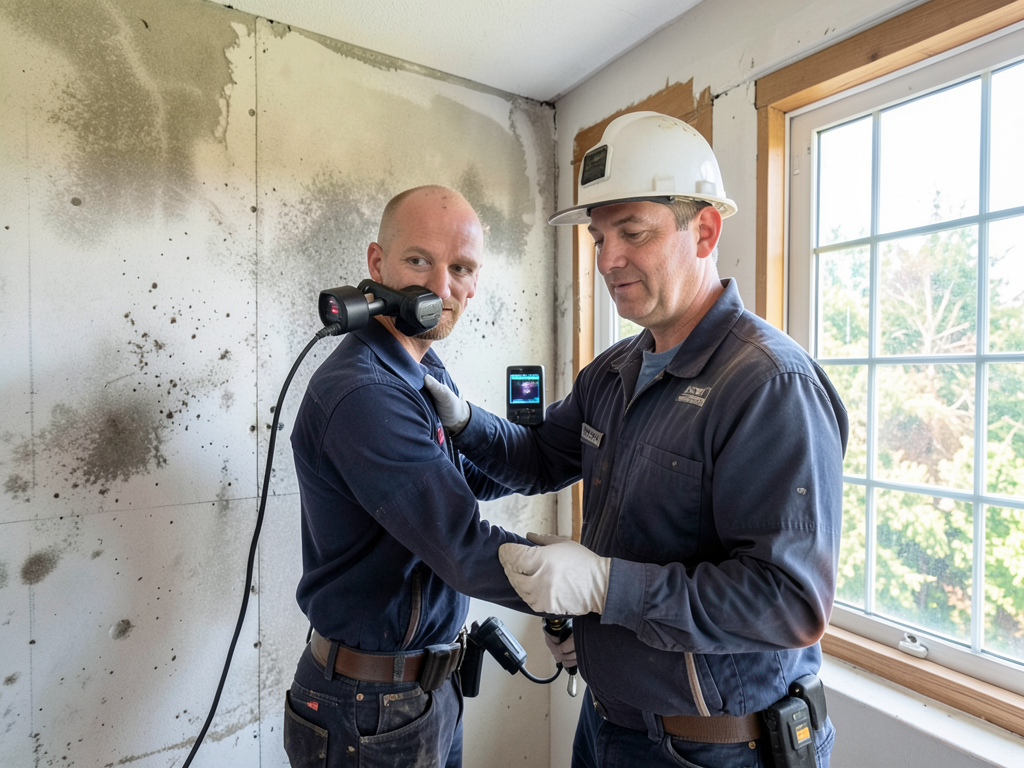
Extraction starts with truck-mounted vacuums rated for high-volume commercial floods. We pull standing water first, then use weighted extraction tools on carpets and upholstery. Wall cavities get flood cuts if water wicked higher than two feet. We do not guess at moisture levels. Thermal imaging cameras and pin-type moisture meters map saturation in real time.

Drying requires layered airflow. We position axial air movers in a vortex pattern to create cyclonic drying conditions. Commercial-grade dehumidifiers pull moisture from the air while inline heaters accelerate evaporation rates. In Jacksonville's summer humidity, exterior ambient moisture fights your drying process. We seal the structure and control the environment until moisture readings hit 12 percent or lower.

Documentation starts the moment we arrive. We photograph pre-drying conditions, log equipment placement, and track daily moisture readings. Insurance carriers require psychrometric charts showing grain depression and temperature differentials. We deliver that data in real time through your adjuster portal. Our fire suppression system water extraction process meets IICRC S500 standards and Jacksonville's commercial property restoration guidelines. You get certified dry conditions and a complete evidence package for your claim.

What Happens When You Call for Fire Sprinkler Water Cleanup

Fire Sprinkler Water Cleanup in Jacksonville – Emergency Response in Under 60 Minutes
01

Immediate Water Extraction

We arrive with truck-mounted extraction units and portable pumps. Standing water gets removed first to stop downward migration into subfloors and structural decking. We photograph water levels, document affected materials, and establish containment zones. You get an initial damage assessment within the first hour so you can notify your insurance carrier with accurate loss details.
02

Controlled Environment Drying

High-velocity air movers and commercial dehumidifiers create a closed drying environment. We monitor moisture levels twice daily using thermal imaging and moisture meters. Wall cavities, insulation, and structural framing get targeted drying. Jacksonville's humidity requires precise grain depression management. We adjust equipment based on psychrometric data to ensure complete drying without overdrying or material cracking.
03

Certification and Clearance

Drying is complete when all materials read below 12 percent moisture content for three consecutive days. We provide a certificate of drying with moisture maps, equipment logs, and psychrometric charts. You get a clear path to reconstruction and a complete claim file. Our documentation meets IICRC standards and satisfies Jacksonville commercial property underwriting requirements for claim approval.

Why Jacksonville Properties Need Local Fire Sprinkler Flood Remediation Experts

Fire sprinkler water damage restoration in Jacksonville is complicated by ambient humidity and mixed-use building construction. A discharge on the third floor of a Riverside apartment building does not just affect that unit. Water migrates through old plaster walls, wood lath, and shared ceiling spaces. You need a team that understands pre-1960s construction methods and modern fire suppression integration.

Fortress Water Damage Restoration Jacksonville operates across Duval County's commercial corridors and historic residential districts. We work inside San Marco's brick mixed-use buildings, Southside's mid-rise office parks, and Arlington's industrial warehouses. We know where fire sprinkler risers run, how ceiling plenums are framed, and which materials absorb water fastest in Florida's climate.

Local expertise matters when your insurance adjuster asks about depreciation schedules and replacement costs. We document pre-loss conditions using Jacksonville's building permit history and tax assessor records. That context protects your claim value and speeds approval.

We also coordinate with local fire marshals and building inspectors when sprinkler system failures require code compliance reviews. Jacksonville's commercial properties must meet NFPA 13 and Florida Building Code standards. If your discharge was caused by a system defect, we preserve evidence and work with your legal team or property engineer. You get restoration and documentation that protects your liability position.

Emergency sprinkler water removal is time-sensitive. Our trucks stage in Riverside, Mandarin, and Southside. You call, we roll. Average response time is under 60 minutes for commercial emergencies.

What to Expect During Fire Sprinkler Water Cleanup

Response Time and Availability

We dispatch emergency sprinkler water removal crews 24 hours a day, seven days a week. When you call, you reach a live technician, not an answering service. We ask for your property type, estimated water volume, and whether the sprinkler system is still discharging. Our trucks carry containment supplies, extraction equipment, and drying units. Average arrival time is 45 to 60 minutes in Riverside, San Marco, Southside, and Arlington. For outlying areas in Duval County, expect 75 to 90 minutes. We begin water extraction immediately and provide an initial damage estimate within the first hour.

Initial Assessment and Insurance Coordination

The first step is documenting pre-drying conditions. We photograph affected areas, measure moisture levels, and identify contamination sources. You receive a written scope of work within four hours. We contact your insurance carrier directly and upload initial documentation to the adjuster portal. Our fire suppression system water extraction estimates include line-item breakdowns for extraction, drying, demolition, and antimicrobial treatment. Jacksonville adjusters trust our documentation because it meets IICRC standards and includes psychrometric data. You get claim transparency and faster approval.

Drying Results and Final Conditions

Complete drying takes three to seven days depending on material types and saturation depth. We monitor moisture levels twice daily and adjust equipment placement as readings drop. You get daily progress updates with moisture maps and photos. Final moisture content must read below 12 percent for wood framing and below 15 percent for concrete. We provide a certificate of drying with thermal images, moisture logs, and equipment runtime data. Your property is cleared for reconstruction and your insurance claim closes with verified dry conditions.

Post-Restoration Monitoring and Follow-Up

After equipment removal, we schedule a 30-day follow-up inspection. Moisture can rebound if hidden pockets were missed or if exterior humidity drives condensation. We re-scan affected areas with thermal imaging and moisture meters at no charge. If readings have increased, we redeploy drying equipment and investigate the source. Jacksonville's summer humidity makes post-drying monitoring critical. You get peace of mind that mold will not develop after we leave. Our follow-up reports also satisfy insurance carriers that require 30-day clearance documentation.

Frequently Asked Questions

You Have Questions,
We Have Answers

Is fire sprinkler water clean? +

No. Fire sprinkler water sits in pipes for months or years, collecting rust, debris, bacteria, and stagnant sediment. When a sprinkler discharges in your Jacksonville property, the water is often black or brown and smells foul. It contains contaminants that can stain floors, walls, and furniture. This is not potable water. After a fire sprinkler activation, you need immediate extraction and professional cleaning. The longer contaminated water sits, especially in Jacksonville's humid climate, the faster mold grows. Call a water damage restoration team right away to prevent secondary damage.

What is the 3 times rule for fire sprinklers? +

The 3 times rule means fire sprinkler heads must maintain at least 3 times the standard spacing distance from obstructions. For example, if your sprinkler spacing is 10 feet, you need at least 30 feet of clearance horizontally from walls or large objects. This ensures proper water distribution during activation. Violating this rule creates dead zones where fire can spread. In Jacksonville commercial buildings, improper storage or renovations often block sprinkler coverage. If your system activates and fails to control a fire due to blocked heads, you face liability and massive water damage from prolonged discharge.

How often do sprinkler systems need to be flushed? +

Fire sprinkler systems should be flushed every 1 to 3 years, depending on water quality and system type. In Jacksonville, corrosion and sediment buildup happen faster due to high humidity and aging infrastructure. Flushing removes rust, scale, and biological growth that clog pipes and heads. Neglected systems discharge dirtier water during activation, worsening contamination and cleanup costs. Regular maintenance reduces the risk of accidental discharge and ensures reliability. If your system has not been flushed in years, schedule an inspection before you face an emergency cleanup situation with filthy, stagnant water flooding your property.

How to drain water from a fire sprinkler system? +

Draining a fire sprinkler system requires shutting off the water supply, opening drain valves at the system's low points, and using air pressure to clear remaining water from pipes. This is not a DIY job. Improper draining can damage the system or leave water trapped, leading to freezing or corrosion. In Jacksonville, most systems are wet pipe designs that stay pressurized year-round. If your system discharged accidentally or during a fire, call a licensed fire protection contractor to drain and reset it properly. Simultaneously, contact a water damage restoration company to extract standing water and prevent mold.

Why does fire sprinkler water smell bad? +

Fire sprinkler water smells bad because it sits stagnant in pipes for years, allowing bacteria, algae, rust, and decomposing organic matter to accumulate. When a sprinkler activates in your Jacksonville building, this rotten mixture discharges with the water. The smell is often described as sewage-like or metallic. High humidity in Jacksonville accelerates microbial growth inside pipes. The odor permeates walls, carpets, and HVAC systems, requiring professional deodorization and antimicrobial treatment. Standard mopping will not remove the contamination. You need extraction, disinfection, and air scrubbing to eliminate the smell and health risks.

Should you still water your lawn in October? +

This question is not related to fire sprinkler water cleanup. However, in Jacksonville, October lawn watering depends on rainfall and grass type. Typically, October sees reduced rainfall as dry season begins. Water warm-season grasses like St. Augustine or Bahia 1 to 2 times per week if rain is scarce. Avoid overwatering, which creates soggy soil and invites fungal growth. If you experienced fire sprinkler discharge on your lawn or landscaping, excess water may already saturate the soil. Focus on drainage and cleanup first. For emergency fire sprinkler water damage, contact a restoration professional immediately.

What is the 18 rule for fire sprinklers? +

The 18-inch rule requires maintaining at least 18 inches of clear space below fire sprinkler heads. This clearance ensures water disperses correctly during activation. Stacking boxes, installing shelving, or hanging decorations closer than 18 inches obstructs the spray pattern and reduces fire suppression effectiveness. In Jacksonville warehouses and retail spaces, inventory often creeps too close to sprinkler heads. Violations can trigger accidental discharge or allow fire to spread unchecked, resulting in catastrophic water damage and liability. Inspect your space regularly. If a sprinkler activates and floods your property, shut off the water and call for emergency extraction immediately.

How often do fire sprinklers need to be checked? +

Fire sprinklers require professional inspection annually, per NFPA 25 standards. Inspections check for leaks, corrosion, pressure levels, and obstructions. In Jacksonville, high humidity accelerates pipe corrosion and valve degradation. Skipping inspections increases the risk of accidental discharge or system failure during a fire. If your system is not inspected regularly and suddenly discharges, you face extensive water damage from contaminated, stagnant water. Annual inspections catch problems early. If you experience an unexpected sprinkler activation, contact a water damage restoration company immediately to extract water and prevent mold growth in Jacksonville's humid climate.

How many gallons of water per minute does a home fire sprinkler use to put out a fire? +

A residential fire sprinkler head discharges approximately 13 to 26 gallons per minute. This flow rate is designed to control a fire quickly with minimal water use compared to fire hoses, which discharge 80 to 125 gallons per minute. While sprinklers save lives and property, they still release significant water volume. In Jacksonville homes, even a single activated head can flood rooms within minutes, damaging floors, walls, and belongings. If a sprinkler activates accidentally or during a fire, shut off the water supply immediately and call a restoration team to extract standing water before mold develops in the humid climate.

What is the life expectancy of a fire sprinkler system? +

Fire sprinkler systems typically last 50 to 100 years, but components like sprinkler heads, valves, and seals require replacement every 10 to 25 years. In Jacksonville, high humidity and saltwater proximity accelerate corrosion, reducing lifespan. Older systems with galvanized steel pipes are prone to leaks and accidental discharge. If your building has an aging system, schedule regular inspections and upgrades. When old sprinkler systems fail or discharge unexpectedly, you face severe water damage from corroded, contaminated water. If this happens, shut off the system and contact a water damage restoration company immediately to prevent structural damage and mold.

Why Jacksonville's Humidity Makes Fire Sprinkler Discharge Cleanup Urgent

Jacksonville averages 75 to 85 percent relative humidity from May through September. When fire sprinkler water soaks drywall, insulation, and wood framing, that moisture does not evaporate naturally. The exterior air is already saturated. Mold colonization begins in 24 to 48 hours. In older Riverside and San Marco buildings with limited HVAC circulation, that window shrinks to 18 hours. Fire sprinkler water damage restoration cannot wait for business hours. You need immediate extraction and controlled drying to stop microbial growth before it becomes a health code violation or an insurance exclusion.

Fortress Water Damage Restoration Jacksonville operates under Florida's strict mold remediation and water damage restoration standards. We hold IICRC certifications and follow ANSI/IICRC S500 protocols for fire suppression system water extraction. Our technicians understand Jacksonville's building codes, insurance claim requirements, and how local adjusters document commercial water losses. When you hire a local team, you get documentation that matches what your insurance carrier expects. That speeds claim approval and protects your coverage. National franchises often miss local compliance details. We do not.

Water Damage Restoration Services in The Jacksonville Area

Conveniently located to serve the entire region, Fortress is committed to reaching you swiftly when water damage strikes. Our centralized presence allows us to deploy rapid response teams across the service area, ensuring that expert assistance is always just a call away. Explore our location and service radius to see how we can provide immediate, professional water damage restoration solutions directly to your doorstep, minimizing disruption and expediting recovery.

Address:
Fortress Water Damage Restoration Jacksonville, 10752 Deerwood Park Blvd Suit 100, Jacksonville, FL, 32256

Additional Services We Offer

Our news updates

Latest Articles & News from The Blogs

Why Your New Bidet Attachment Might Be Slowly Flooding Your Girvin Bathroom Floor Your bathroom floor feels damp and you…

Why Your New Bidet Attachment Might Be Slowly Flooding Your Girvin Bathroom Floor

Why Your New Bidet Attachment Might Be Slowly Flooding Your Girvin Bathroom Floor Your bathroom floor feels damp and you…

How to Properly Shut Down Your Plumbing Before Leaving Isle of Palms for the Summer

How to Properly Shut Down Your Plumbing Before Leaving Isle of Palms for the Summer Summer vacation should mean relaxation…

The Hidden Meaning Behind Peeling Wallpaper and Bubbling Paint in Lackawanna Homes

The Hidden Meaning Behind Peeling Wallpaper and Bubbling Paint in Lackawanna Homes Peeling wallpaper and bubbling paint in Lackawanna homes…

Contact Us

Every minute counts. Call Fortress Water Damage Restoration Jacksonville now at (904) 839-6500. Our emergency crews are ready to dispatch. We extract water, document your loss, and coordinate directly with your insurance carrier. Do not let fire sprinkler water destroy your property.