





Menu

Does Insurance Cover Mold in Jacksonville? Your Policy Questions Answered by Local Water Damage Experts

Get Clear Answers About Homeowners Insurance Mold Coverage in Jacksonville Before You File a Claim – Expert Guidance on What's Covered, What's Not, and How to Navigate Your Policy

Slider Image 1
Slider Image 2
Slider Image 3
Slider Image 4
Slider Image 5
Slider Image 7
Slider Image 8
Slider Image 9
Slider Image 10
Slider Image 11

Why Jacksonville Homeowners Face Constant Mold Questions After Water Damage

Jacksonville's subtropical humidity creates a perfect breeding ground for mold. When water intrusion happens, whether from a burst pipe, roof leak, or the aftermath of a tropical storm rolling in from the Atlantic, spores start colonizing wet surfaces within 24 to 48 hours. You panic. You call your insurance company. Then you hear the words no homeowner wants to hear: "It depends."

Homeowners insurance mold coverage is not straightforward. Most policies cover mold only if it results from a sudden, accidental event like a burst washing machine hose or a failed water heater. If the mold grew because you ignored a slow leak for months, your claim gets denied. Jacksonville's older homes in Riverside and Avondale often have hidden moisture problems in crawl spaces where humidity sits trapped under historic pier-and-beam foundations. Insurance adjusters look for maintenance neglect.

Is mold damage covered by insurance? The answer lives in your policy's exclusions section. Standard policies cap mold remediation at $10,000 or less. Some exclude it entirely. If Hurricane season flooding saturated your drywall, you need flood insurance, not your homeowner's policy, to cover mold remediation insurance claims. Most residents do not know this until it is too late.

Does home insurance pay for mold removal? Only when you can prove the water source was sudden and you acted fast. Documentation matters. Photos, moisture meter readings, and a timeline showing you called a professional within hours strengthen property insurance mold coverage claims. Without proof, you are paying out of pocket.

Why Jacksonville Homeowners Face Constant Mold Questions After Water Damage
How Insurance Adjusters Evaluate Mold Claims in Jacksonville

How Insurance Adjusters Evaluate Mold Claims in Jacksonville

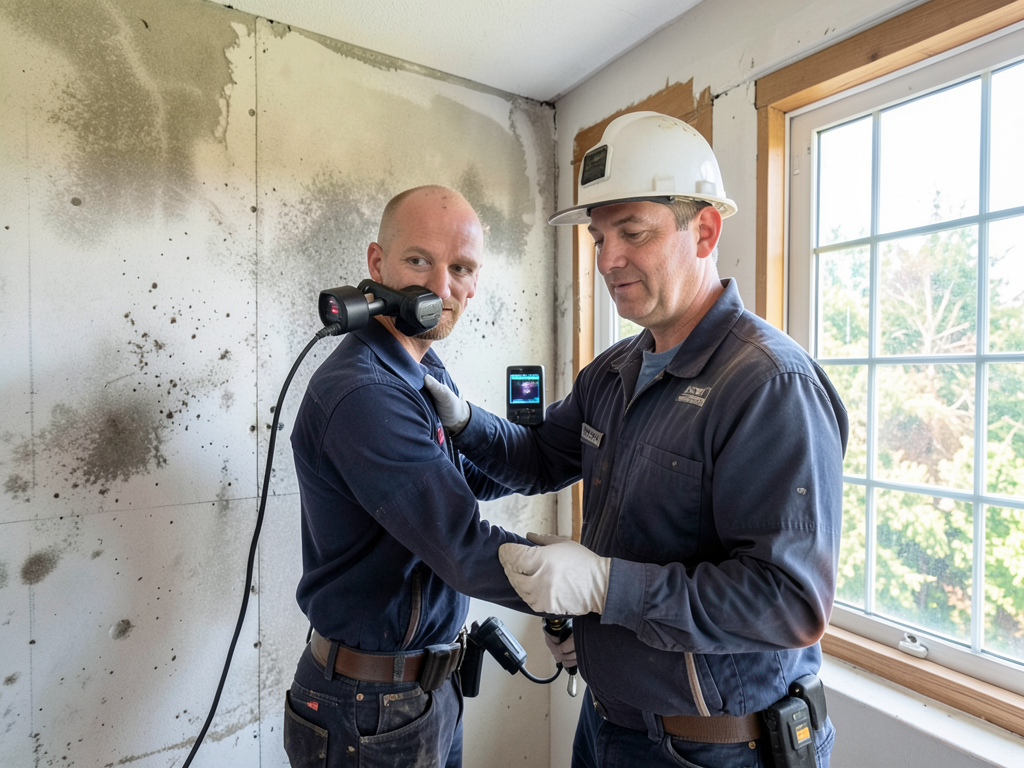
Insurance companies send adjusters trained to minimize payouts. They arrive with moisture meters, thermal imaging cameras, and a checklist designed to find policy exclusions. Their job is to determine if the water damage was sudden or gradual. Gradual means denied.

When we work with Jacksonville homeowners on mold remediation insurance claims, we document everything before the adjuster arrives. We map the moisture intrusion path using infrared thermography to show the water source. We log psychrometric data proving the environment turned conducive to mold growth only after the covered event, not before. We photograph unaffected areas to show you maintained the property. This evidence turns a maybe into a yes.

Adjusters look for three things: causation, timeline, and mitigation effort. Causation means proving the mold came from a covered peril. Timeline means showing the mold is new, not old growth from chronic issues. Mitigation effort means you acted reasonably to stop damage from spreading. If you waited a week to call someone, they argue you failed to mitigate, which voids coverage.

We also pull the moisture history of your area. Jacksonville's Southside neighborhoods near the St. Johns River sit in flood zones. If your home flooded during a named storm, standard homeowners insurance mold coverage does not apply. You need a flood policy. Many residents assume their policy covers everything. It does not. The National Flood Insurance Program requires separate enrollment, and mold from flooding falls under that umbrella, not your HO-3 policy. We explain these distinctions before you file, saving you a denied claim on your record.

What Happens When You Contact Us About Insurance and Mold

Does Insurance Cover Mold in Jacksonville? Your Policy Questions Answered by Local Water Damage Experts
01

Policy Review and Coverage Analysis

We start by reviewing your declarations page and policy exclusions. Most homeowners never read past the first page. We identify your mold coverage cap, whether you have endorsements that expand coverage, and if your deductible applies per occurrence or annually. We also verify if you have actual cash value or replacement cost coverage. This determines whether depreciation gets deducted from your payout. We explain every clause in plain language so you know what to expect before calling your carrier.
02

Evidence Collection and Documentation

We photograph the damage, log moisture levels using calibrated hygrometers, and create a written timeline linking the water event to the mold growth. We document the source, whether it is a failed supply line, a roof penetration from recent storms, or an HVAC condensate overflow. We also check for exclusions like earth movement or flood. This packet becomes your claim foundation. Without it, adjusters deny based on assumptions. We remove the guesswork and build a defensible case before you file.
03

Claim Filing and Adjuster Liaison

We walk you through filing and coordinate directly with your adjuster during the inspection. We provide our findings, answer technical questions, and clarify industry standards for mold remediation. If the adjuster undervalues the scope, we submit a detailed rebuttal with line-item costs and ICC guidelines. Many claims get approved only after we intervene with documentation the homeowner could not produce alone. We do not negotiate on your behalf, but we provide the technical clarity that prevents lowball settlements.

Why Jacksonville Homeowners Trust Fortress Water Damage Restoration Jacksonville for Insurance Guidance

We have worked with every major carrier operating in Duval County. We know how State Farm, Allstate, and regional carriers like Florida Peninsula handle mold claims. We know which adjusters approve based on moisture data and which demand invasive testing. This local knowledge matters because insurance practices vary by region. What works in Orlando does not always work here.

Jacksonville's building codes also play a role. After Hurricane Irma, the city updated wind mitigation and moisture barrier requirements for new construction. If your home was built before these updates, adjusters sometimes argue the damage resulted from code noncompliance, not a covered event. We counter this by showing the water intrusion exceeded what any code-compliant structure could withstand. We reference wind speed data from Jacksonville International Airport weather stations and compare it to your roof's rated capacity.

We also understand Jacksonville's unique housing stock. The historic bungalows in Springfield have different vulnerabilities than the block construction common in Mandarin. Adjusters unfamiliar with local architecture sometimes misattribute damage. We educate them. When an adjuster claims your pier-and-beam foundation allowed moisture intrusion due to poor maintenance, we show them how seasonal water table fluctuations in Jacksonville create hydrostatic pressure no sump pump can fully prevent. This shifts liability back to the covered event.

Fortress Water Damage Restoration Jacksonville does not file claims for you. We provide the technical documentation and expert perspective that turns a weak claim into a strong one. We have seen homeowners lose thousands because they could not articulate causation. We bridge that gap.

What You Can Expect When Working With Us on Mold and Insurance Issues

Immediate Policy Assessment

We review your policy within hours of your call. You email or text a photo of your declarations page, and we identify coverage gaps, caps, and exclusions. Most mold claims fail because homeowners assume coverage exists when it does not. We tell you upfront if your policy will cover the damage or if you will pay out of pocket. This prevents the frustration of filing a claim that gets denied weeks later. Speed matters because mold spreads while you wait. If coverage exists, we move fast. If it does not, we discuss financing options and prioritize containment to stop the damage from becoming uninsurable later.

On-Site Inspection and Moisture Mapping

We arrive with professional-grade moisture detection equipment. We use pin-type and pinless meters to measure moisture content in drywall, insulation, and framing. We map the affected area and identify the source. If the water came from a covered peril, we document it. If it came from an excluded cause like ground seepage or long-term condensation, we tell you immediately. Adjusters respect data. We create a moisture map that shows the extent of saturation and the timeline of intrusion. This report becomes the centerpiece of your claim. Without it, adjusters deny based on visual assumptions.

Remediation That Meets Insurance Standards

Insurance companies require remediation to follow IICRC S520 standards. We follow these protocols exactly. We establish containment barriers, use HEPA-filtered negative air machines, and remove contaminated materials according to EPA guidelines. We also document every step with photos and logs. If your claim gets approved, the insurer reimburses based on our scope of work. If you hire an unqualified contractor who skips steps, the insurer can deny payment for improper remediation. We eliminate that risk. You get a professional job that satisfies both the adjuster and the health department if an inspection is required.

Post-Remediation Clearance and Prevention

After remediation, we conduct clearance testing to confirm mold levels returned to normal. Some policies require third-party verification before closing a claim. We coordinate this. We also identify the root cause and recommend repairs to prevent recurrence. If your claim covered the mold but not the underlying roof leak, we refer you to a qualified roofer. Insurance pays for damage, not prevention. But if you fix the source, future mold growth becomes a new, separate event that may be covered again. We help you avoid repeat denials by addressing what caused the problem in the first place.

Frequently Asked Questions

You Have Questions,
We Have Answers

Should I tell my insurance company about mold? +

Yes, you should report mold to your insurance company if it results from a covered peril like a sudden pipe burst or storm damage. Jacksonville's high humidity creates mold quickly, so document everything with photos and timestamps. However, be strategic. If mold stems from gradual leaks or maintenance neglect, your claim may be denied. Review your policy first to understand coverage limits and exclusions. Never start remediation before the adjuster inspects unless it's an emergency. Delaying notification can void your claim, but filing a denied claim can still affect your record.

Can you claim for mold on house insurance? +

You can claim mold on house insurance only if it resulted from a covered event. Most policies cover mold when a sudden water intrusion like a storm, burst pipe, or appliance failure is the direct cause. Jacksonville policies often exclude mold from slow leaks, flooding, or poor ventilation due to our humid subtropical climate. Check your policy's mold endorsement. Some carriers cap mold remediation at five thousand to ten thousand dollars unless you purchased additional coverage. Document the water source immediately and act fast before the carrier argues the damage is maintenance-related.

Is mold exposure covered by insurance? +

Mold exposure itself is rarely covered by homeowners insurance. Policies address property damage, not health claims. If mold caused by a covered water event damages your structure or belongings, remediation may be covered. However, medical bills, relocation costs, or personal injury from mold exposure typically fall outside standard policies. Jacksonville's humidity accelerates mold growth after water damage, so speed matters. If you develop health symptoms, those claims route through health insurance. Always read your policy's mold exclusions carefully. Liability coverage might apply if a guest is harmed, but expect scrutiny.

What is an example of a mold claim? +

A common mold claim example involves a burst washing machine hose flooding a laundry room. Water seeps into drywall and subflooring. The homeowner contacts their insurer within 24 hours, documents the damage, and hires a licensed remediation company. The adjuster confirms the burst hose as a sudden event. The carrier covers water extraction, drying, mold removal, and reconstruction up to the policy's mold limit. In Jacksonville, claims tied to hurricane roof leaks are frequent. The key is proving the water event was sudden and accidental, not gradual neglect.

How expensive is mold removal? +

Mold removal costs vary widely based on extent and location. Small areas under ten square feet may cost a few hundred dollars for DIY or minor professional help. Larger infestations in walls, crawlspaces, or HVAC systems in Jacksonville homes can run several thousand dollars. Severe cases requiring structural demolition and full remediation may exceed ten thousand dollars. Jacksonville's humid climate and older homes with poor ventilation often escalate costs. Insurance may cover part of it if tied to a covered peril. Always get multiple quotes from licensed contractors before proceeding.

Will my rates go up if I file a mold claim? +

Filing a mold claim can increase your rates, but the impact depends on your carrier, claims history, and the event's cause. Jacksonville insurers view mold claims skeptically due to our climate. A single claim may trigger a rate hike or policy non-renewal, especially if your home has prior water damage claims. Some carriers track claims through databases shared across the industry. If mold resulted from a catastrophic event like a hurricane, the impact may be less severe. Weigh the claim payout against potential long-term premium increases before filing.

What to do if you can't afford mold removal? +

If you cannot afford mold removal, prioritize immediate containment to prevent spread. Isolate affected areas with plastic sheeting and improve ventilation. Contact your local health department in Jacksonville for guidance on low-cost resources. Some remediation companies offer payment plans or financing options. Apply for disaster assistance if mold resulted from a federally declared event. Check if your homeowners policy includes any coverage you missed. For minor mold, cleaning with detergent and water may suffice. Do not ignore it. Mold worsens over time and damages your home's structure and your health.

What are the signs of mold in a house? +

Signs of mold in a Jacksonville home include visible black, green, or white patches on walls, ceilings, or grout. You may notice a musty, earthy odor, especially in bathrooms, basements, or crawlspaces. Water stains, peeling paint, or warped drywall indicate moisture issues that breed mold. Increased allergy symptoms like sneezing, coughing, or eye irritation can signal hidden mold. Check behind appliances, under sinks, and around windows. Jacksonville's humidity accelerates growth after any water intrusion. If you see or smell mold, investigate immediately before it spreads.

What are my rights if my insurance denies a mold claim? +

If your insurance denies a mold claim, review the denial letter for the specific reason. Common denials cite gradual damage, maintenance neglect, or policy exclusions. Gather evidence proving the water event was sudden and covered. Jacksonville homeowners can request a re-inspection or file an appeal with their carrier. Hire a public adjuster to negotiate on your behalf. If the denial seems unjustified, consult an attorney specializing in insurance disputes. Florida law requires carriers to act in good faith. Document all communication and keep copies of your policy, photos, and repair estimates.

How do I test for mold in my home? +

You can test for mold in your Jacksonville home using DIY kits from hardware stores or hiring a licensed mold inspector. DIY kits collect air or surface samples you mail to a lab, costing around fifty dollars. Professional inspections include moisture meters, thermal imaging, and lab analysis, providing detailed reports on mold type and concentration. Inspectors identify hidden mold in walls or HVAC systems. Given Jacksonville's humidity, professionals often find mold where homeowners miss it. If you suspect mold after water damage, skip DIY and hire a certified inspector for accuracy before remediation.

How Jacksonville's Humidity and Flood Risk Complicate Mold Insurance Claims

Jacksonville averages 77 percent relative humidity year-round. Coastal proximity and the St. Johns River create microclimates where indoor humidity spikes during summer months. Even without water intrusion, homes in Riverside, Ortega, and San Marco experience condensation inside wall cavities. Insurance adjusters use this against you. They argue the mold resulted from ambient humidity, not a covered event. We counter this with hygrometer data showing your indoor humidity was normal before the water intrusion. We also reference ASHRAE standards proving that mold does not colonize in 24 hours from humidity alone. It requires standing water or saturation, which only happens during a covered event like a pipe failure.

Jacksonville sits in FEMA flood zones that require separate flood insurance. Many homeowners in Arlington and Northside assume their standard policy covers hurricane-related mold. It does not. If storm surge or rain intrusion caused the mold, your HO-3 policy excludes it. Only a flood policy through NFIP or a private carrier covers that scenario. We verify your coverage before you file and prevent the confusion that leads to denied claims. Local expertise matters because adjusters from out of state do not always understand Jacksonville's flood dynamics. We do. We have worked claims after every major storm since Irma. We know how to separate wind damage, which is covered, from flood damage, which requires separate coverage.

Water Damage Restoration Services in The Jacksonville Area

Conveniently located to serve the entire region, Fortress is committed to reaching you swiftly when water damage strikes. Our centralized presence allows us to deploy rapid response teams across the service area, ensuring that expert assistance is always just a call away. Explore our location and service radius to see how we can provide immediate, professional water damage restoration solutions directly to your doorstep, minimizing disruption and expediting recovery.

Address:
Fortress Water Damage Restoration Jacksonville, 10752 Deerwood Park Blvd Suit 100, Jacksonville, FL, 32256

Additional Services We Offer

Our news updates

Latest Articles & News from The Blogs

Why Your New Bidet Attachment Might Be Slowly Flooding Your Girvin Bathroom Floor Your bathroom floor feels damp and you…

Why Your New Bidet Attachment Might Be Slowly Flooding Your Girvin Bathroom Floor

Why Your New Bidet Attachment Might Be Slowly Flooding Your Girvin Bathroom Floor Your bathroom floor feels damp and you…

How to Properly Shut Down Your Plumbing Before Leaving Isle of Palms for the Summer

How to Properly Shut Down Your Plumbing Before Leaving Isle of Palms for the Summer Summer vacation should mean relaxation…

The Hidden Meaning Behind Peeling Wallpaper and Bubbling Paint in Lackawanna Homes

The Hidden Meaning Behind Peeling Wallpaper and Bubbling Paint in Lackawanna Homes Peeling wallpaper and bubbling paint in Lackawanna homes…

Contact Us

Do not file a claim blind. Call Fortress Water Damage Restoration Jacksonville at (904) 839-6500 for a free policy review and on-site assessment. We will tell you what your insurance covers and document everything to maximize your claim.