


Menu

Commercial Fire & Smoke Cleanup in Jacksonville – Minimize Downtime and Protect Your Business Assets

Fortress Water Damage Restoration Jacksonville delivers industrial-grade commercial fire damage restoration and business fire cleanup services that restore operational capacity fast, protect your property value, and meet strict Florida fire code compliance requirements.

Slider Image 1
Slider Image 2
Slider Image 3
Slider Image 4
Slider Image 5
Slider Image 7
Slider Image 8
Slider Image 9
Slider Image 10
Slider Image 11

Fire Damage in Jacksonville Commercial Properties Creates Compounding Liability

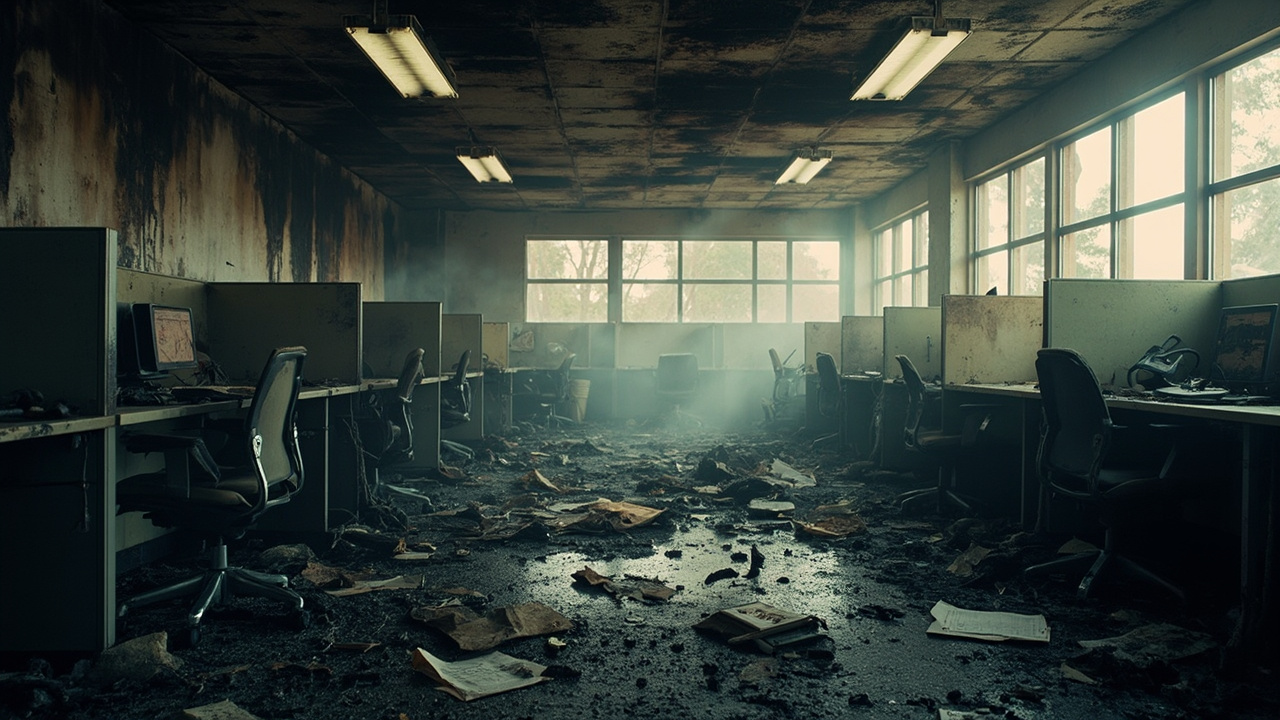
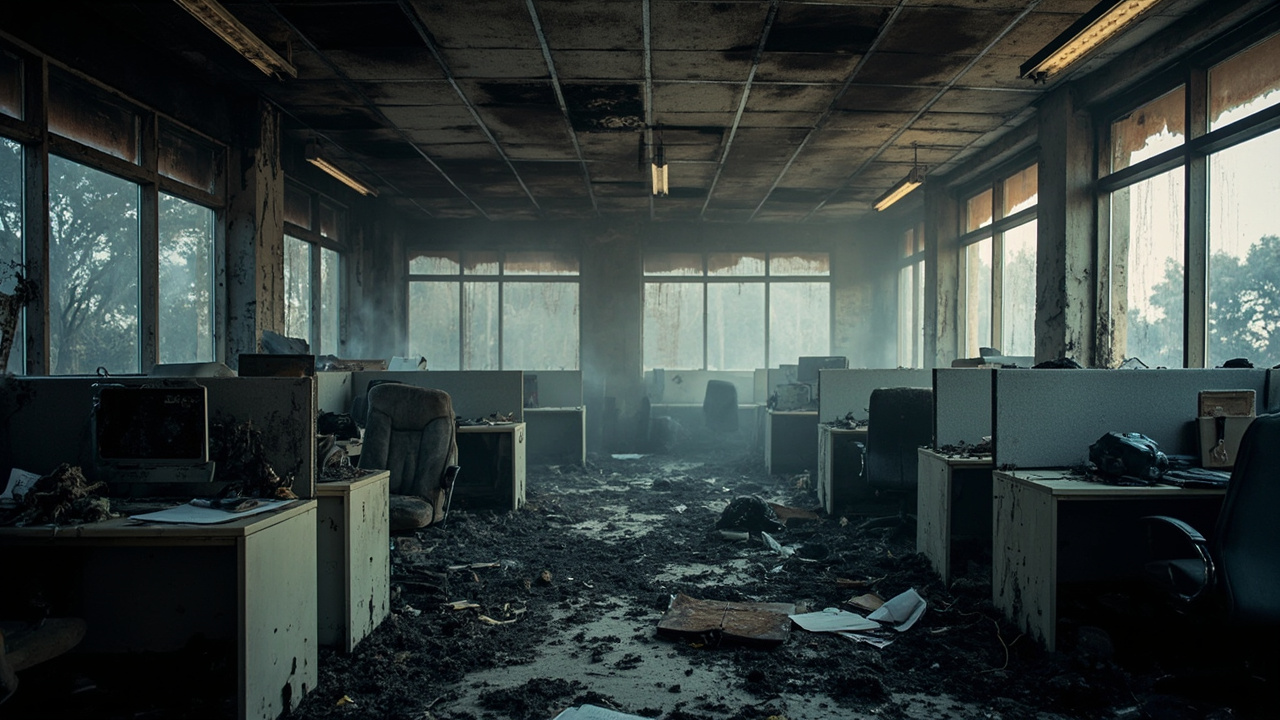
A fire in your Jacksonville commercial facility does not end when the flames go out. Soot embeds into HVAC ductwork, smoke residue corrodes metal fixtures, and acidic particulates degrade structural materials. In Jacksonville's humid subtropical climate, the combination of fire damage and ambient moisture accelerates corrosion and secondary contamination.

You face immediate business interruption losses, potential lease violations, and liability exposure if occupants or employees are exposed to airborne contaminants. Commercial smoke remediation is time-sensitive. Every hour of delayed response increases the cost of industrial fire mitigation and extends your downtime window.

Jacksonville properties near the St. Johns River or Timucquana area face additional risk. High humidity levels cause hygroscopic soot to absorb moisture, which spreads acidic residue deeper into porous surfaces like drywall, ceiling tiles, and insulation. This creates long-term odor problems and structural degradation that standard janitorial cleaning cannot address.

The regulatory landscape compounds the urgency. Florida fire code requires commercial properties to meet specific air quality and structural safety thresholds before reoccupancy. You cannot simply repaint walls and resume operations. Commercial soot removal and full decontamination are non-negotiable steps to avoid penalties, insurance disputes, and occupant health complaints.

Your priority is restoring business continuity and protecting capital investment. Commercial fire damage restoration requires capacity, equipment, and technical precision that residential-focused providers cannot deliver.

Fire Damage in Jacksonville Commercial Properties Creates Compounding Liability
Commercial-Grade Fire and Smoke Restoration Methodology

Commercial-Grade Fire and Smoke Restoration Methodology

Business fire cleanup services follow a different protocol than residential work. You need containment, decontamination, and documentation that meet commercial insurance standards and satisfy regulatory inspection.

We deploy negative air machines with HEPA filtration to prevent cross-contamination during active remediation. This is critical in multi-tenant facilities or properties with active operations in unaffected zones. Smoke particulates are microscopic and travel through ventilation systems. Standard exhaust fans push contaminants into adjacent spaces, expanding the damage footprint. Negative pressure containment isolates the affected zone and directs airflow through filtration before exhaust.

Commercial soot removal uses dry chemical sponges and HEPA vacuuming for initial particulate removal, followed by alkaline or solvent-based cleaning agents matched to surface type. We do not use generic all-purpose cleaners. Soot chemistry varies based on what burned. Protein-based fires require enzymatic treatments. Synthetic material fires leave oily residues that need solvent degreasing. Incorrect cleaning agents smear residue deeper into substrates or cause discoloration.

HVAC systems receive dedicated attention. Ductwork and air handlers become distribution channels for smoke residue. We inspect, vacuum, and seal ducts to prevent recontamination after the space is cleaned. Filters are replaced, and blower assemblies are degreased.

Industrial fire mitigation includes odor neutralization using hydroxyl generators or thermal fogging with odor counteractants. Ozone is sometimes used in unoccupied spaces, but hydroxyl technology allows simultaneous occupancy in unaffected areas, which reduces downtime.

Every step is documented with photo evidence and air quality readings to satisfy your insurance adjuster and provide a defensible record for lease compliance or future sale disclosures.

How We Execute Large-Scale Fire Cleanup for Jacksonville Businesses

Commercial Fire & Smoke Cleanup in Jacksonville – Minimize Downtime and Protect Your Business Assets
01

Emergency Containment and Assessment

We arrive on-site within hours to establish containment barriers and conduct a room-by-room damage assessment. Our crew documents the extent of smoke migration, identifies affected building systems, and creates a scope of work that separates demolition needs from cleanable surfaces. You receive a preliminary timeline and resource allocation plan before we begin full-scale remediation.
02

Decontamination and Structural Cleaning

We execute commercial soot removal using HEPA vacuums, media blasting for heavily affected masonry, and chemical cleaning for finished surfaces. HVAC systems are disassembled, cleaned, and reassembled. Contents are inventoried, cleaned, or disposed of per your direction. All work follows IICRC S500 and S520 standards for fire and smoke restoration to ensure insurance compliance and occupant safety.
03

Air Quality Verification and Turnover

After cleaning, we conduct air quality testing using particle counters and volatile organic compound meters to verify the space meets safe reoccupancy thresholds. You receive a final report with before-and-after documentation, equipment logs, and clearance certification. This package supports your insurance claim and satisfies lease or regulatory requirements for commercial occupancy in Jacksonville.

Why Jacksonville Businesses Choose Fortress for Fire Damage Restoration

Commercial fire damage restoration in Jacksonville requires familiarity with local building stock and regulatory expectations. Many Jacksonville commercial properties were constructed during the 1980s and 1990s building boom, particularly in the Southside and Arlington areas. These buildings often feature suspended ceiling systems, raised floor HVAC plenums, and extensive ductwork that creates hidden pathways for smoke migration. A crew unfamiliar with these architectural features will miss contaminated zones, leading to persistent odor and failed air quality tests.

We maintain relationships with Jacksonville fire inspectors and understand the specific documentation requirements for reoccupancy permits in Duval County. This familiarity prevents delays caused by incomplete submissions or non-compliant remediation methods.

Capacity is another differentiator. A 10,000-square-foot warehouse fire requires multiple crews, industrial air scrubbers, and enough equipment to complete the work in days, not weeks. We stock trailer-mounted negative air machines, truck-mount extraction units, and sufficient personnel to scale operations to your facility size. Residential-focused companies lack this equipment depth and cannot mobilize the necessary resources on short notice.

Our team includes IICRC-certified fire and smoke restoration technicians who understand the chemistry of combustion byproducts and the correct neutralization methods for different material types. This is not general cleaning work. It requires training in soot composition, pH testing, and surface-specific treatment protocols.

Jacksonville businesses in healthcare, food service, and manufacturing face additional scrutiny from regulatory agencies. We provide documentation that satisfies OSHA, Florida Department of Health, and insurance underwriters. You receive a turnkey package that allows you to reopen without compliance gaps or lingering liability.

What Jacksonville Businesses Should Expect from Commercial Fire Cleanup

Rapid Mobilization and Transparent Timelines

We deploy to your Jacksonville facility within two hours of your call. Initial containment and assessment begin immediately. You receive a written timeline within 24 hours that outlines demolition, cleaning, and verification phases. Large facilities may require phased restoration to allow partial occupancy in unaffected zones while work continues in damaged areas. We coordinate with your operations team to sequence work around business needs and minimize revenue loss. Updates are provided daily, and timelines are adjusted in real time if concealed damage is discovered during demolition.

Detailed Damage Assessment and Scope Documentation

Our initial assessment includes moisture mapping, soot pH testing, and HVAC inspection to identify all affected systems and materials. You receive a photo-documented report that categorizes damage by severity and identifies items requiring disposal versus cleaning. This report supports your insurance claim and allows you to make informed decisions about content restoration versus replacement. We separate structural damage from cosmetic damage, which prevents unnecessary demolition and controls costs. The scope document includes material quantities, labor hours, and equipment rental schedules for full budget transparency.

Insurance-Grade Documentation and Claims Support

We generate the documentation your insurance adjuster requires to process your claim without delays or disputes. This includes timestamped photos, moisture and air quality readings, itemized loss inventories, and equipment logs. Many commercial policies require third-party verification of decontamination before reoccupancy. We coordinate with independent hygienists to conduct clearance testing and provide certified reports. You receive a bound final report that includes all chain-of-custody documentation, material disposal records, and compliance certificates required for Duval County reoccupancy permits.

Post-Restoration Monitoring and Follow-Up

Fire damage creates latent issues that may not appear until weeks after initial cleanup. We schedule follow-up inspections at 30 and 90 days to verify no odor reoccurrence or secondary staining. If issues emerge, we return to address them at no additional cost. This follow-up protocol is particularly important in Jacksonville's humid climate, where concealed moisture can reactivate smoke residue in porous materials. You receive direct contact information for the project manager who oversaw your restoration, ensuring accountability and continuity if questions arise after turnover.

Frequently Asked Questions

You Have Questions,
We Have Answers

How much does professional smoke remediation cost? +

Professional smoke remediation costs vary based on damage severity, square footage, and contamination type. Commercial properties in Jacksonville typically face higher costs due to liability concerns, equipment replacement, and business interruption losses. Factors include HVAC system cleaning, structural deodorization, content removal, and code compliance restoration. Protein-based smoke from kitchen fires requires different treatment than synthetic material combustion. Insurance adjusters evaluate pre-loss condition and document mitigation expenses. Request a detailed scope of work that separates emergency services, cleaning, reconstruction, and third-party testing. Focus on ROI through minimized downtime and proper documentation for claims processing.

How do professionals get rid of smoke smell? +

Professionals eliminate smoke odor through thermal fogging, hydroxyl generation, and ozone treatment after removing source materials. Technicians clean all surfaces with alkaline cleaners to neutralize acidic soot particles. HVAC systems require duct cleaning and filter replacement to prevent recirculation. Porous materials like drywall, insulation, and ceiling tiles often need replacement, not cleaning. Activated carbon filtration removes airborne particulates. Jacksonville's humidity complicates smoke remediation because moisture reactivates dormant odor molecules. Commercial spaces demand ATP testing to verify sanitation levels before reopening. Professional remediation addresses both visible soot and invisible volatile organic compounds that penetrate building materials.

How much does ServPro charge for cigarette smoke removal? +

Pricing structures vary by franchise location and project scope. National chains operate on different cost models than local contractors. Commercial smoke removal requires itemized estimates covering assessment, equipment deployment, labor hours, disposal fees, and post-remediation verification. Jacksonville businesses should compare multiple vendors and review their IICRC certifications, insurance coverage, and response protocols. Focus on comprehensive documentation for your commercial property insurer rather than brand recognition. Request specific line items for surface cleaning, thermal fogging, air scrubbing, and content restoration. Verify if emergency board-up, security, and temporary climate control appear as separate charges. Compare scope accuracy, not just bottom-line numbers.

How much does it cost to clean up a burned down house? +

Complete fire loss cleanup involves structural stabilization, hazardous material removal, debris hauling, and site preparation for reconstruction. Commercial properties face additional costs for environmental remediation, asbestos abatement in older Jacksonville buildings, and utility disconnection fees. Demolition permits, engineering assessments, and contractor licensing requirements affect total expenditures. Insurance coverage depends on policy limits, depreciation calculations, and actual cash value versus replacement cost provisions. Budget for temporary fencing, security monitoring, and stormwater management during cleanup phases. Jacksonville's building department requires inspections before demolition begins. Professional estimators separate cleanup from reconstruction to clarify insurance claim components and avoid coverage disputes.

What does SERVPRO use to remove smoke smell? +

Professional restoration companies use hydroxyl generators, thermal foggers, and ozone machines depending on contamination severity and occupancy requirements. Hydroxyl technology works in occupied spaces without evacuation protocols. Enzyme-based cleaners break down organic smoke residues on hard surfaces. HEPA filtration captures particulate matter during cleaning operations. Specific brands matter less than proper application protocols and technician training. Jacksonville businesses should verify IICRC certification and ask about air quality testing procedures. Commercial remediation requires documented processes that satisfy insurance adjusters and health inspectors. Equipment selection depends on smoke type, whether from protein, synthetic materials, or wood combustion. Professionals combine multiple methods for complete odor elimination.

Is professional detailing worth it for smoke? +

Professional fire cleanup provides documented remediation that satisfies commercial insurance requirements and liability concerns. DIY methods cannot address smoke penetration in HVAC systems, wall cavities, or subfloor materials. Jacksonville businesses risk code violations, employee health complaints, and lease disputes without certified restoration. Professional teams use industrial equipment unavailable to building maintenance staff. Documentation includes moisture readings, air quality tests, and photo evidence for claims adjusters. The investment protects against future liability claims from employees or customers exposed to residual contaminants. Professional remediation minimizes business interruption through faster, more thorough cleaning. Consider the cost of lost revenue during extended closure versus proper initial restoration.

Will the smell of smoke ever go away? +

Smoke odor persists indefinitely without professional intervention because particles penetrate porous materials and reactivate with humidity changes. Jacksonville's climate exacerbates this issue through seasonal moisture fluctuations. Commercial properties cannot mask smoke damage with air fresheners or surface cleaning. Volatile organic compounds remain in carpets, insulation, drywall, and concrete. Professional remediation removes contaminated materials and treats structural components with sealing agents. Incomplete cleaning leads to recurring odors, employee complaints, and decreased property values. Insurance policies require prompt professional mitigation to prevent secondary damage claims denials. Proper remediation eliminates odor permanently when technicians address all affected building materials and mechanical systems through documented protocols.

What do hotels use to get rid of smoke smell? +

Commercial hospitality properties use multi-stage protocols including ozone treatment during vacancy periods, HVAC system sanitization, and complete soft goods replacement. Hotels replace carpets, drapes, bedding, and upholstered furniture rather than attempting restoration. Hard surfaces receive enzymatic cleaning followed by sealing treatments. Air handling systems get deep cleaning with antimicrobial applications. Jacksonville hotels must meet health code requirements and brand standards that exceed residential expectations. Professional services include pre-treatment and post-treatment air quality testing. Commercial operations cannot risk guest complaints or online review damage from lingering odors. Hotels prioritize speed and documentation to minimize revenue loss from room unavailability.

Can air purifiers remove smoke? +

Air purifiers reduce airborne particulates but cannot eliminate smoke odor embedded in building materials and furnishings. HEPA filters capture particles but do not address volatile organic compounds absorbed by porous surfaces. Commercial spaces require industrial air scrubbers with activated carbon filtration during active remediation. Portable units provide supplemental filtration after professional cleaning but cannot replace source removal and surface treatment. Jacksonville businesses dealing with fire damage need comprehensive remediation that addresses contamination in HVAC systems, wall cavities, and structural components. Air purifiers work as maintenance tools post-remediation, not primary cleanup solutions. Professional assessment determines contamination levels that exceed portable equipment capabilities.

How do you clean a house that has been smoked in for years? +

Long-term smoke contamination requires complete interior demolition of porous materials including drywall, insulation, carpeting, and ceiling tiles. Professional remediation starts with HVAC system replacement or intensive cleaning. Hard surfaces need alkaline washing, primer sealing, and repainting with odor-blocking products. Jacksonville's humidity drives smoke particles deeper into building materials over time. Commercial properties face additional challenges with contaminated concrete floors requiring grinding or sealing. Ductwork often needs replacement rather than cleaning after years of exposure. Professional teams test air quality before and after remediation to verify complete decontamination. Budget for extensive reconstruction, not surface-level cleaning, when addressing chronic smoke exposure.

Why Jacksonville's Coastal Climate Intensifies Commercial Fire Damage Restoration Challenges

Jacksonville's average relative humidity exceeds 70 percent year-round, and properties near the Intracoastal Waterway or St. Johns River experience even higher ambient moisture levels. This humidity causes hygroscopic soot to absorb water vapor, which reactivates acidic residues and spreads them deeper into walls, insulation, and ceiling cavities. Commercial properties with flat or low-slope roofing systems common in Jacksonville industrial parks are particularly vulnerable. Trapped moisture under roofing membranes combines with smoke residue to create persistent odor and corrosion that standard cleaning cannot eliminate. Industrial fire mitigation in Jacksonville requires dehumidification protocols and vapor barrier inspection that are unnecessary in arid climates.

Jacksonville's commercial building codes align with Florida Building Code requirements, which mandate specific air quality and structural safety thresholds before reoccupancy after fire events. Duval County inspectors require third-party verification of decontamination for properties exceeding 5,000 square feet or facilities with public occupancy. Fortress Water Damage Restoration Jacksonville maintains relationships with local inspectors and understands the documentation requirements that satisfy permit issuance. We coordinate with certified industrial hygienists to conduct clearance testing and provide reports that meet county standards. Choosing a provider unfamiliar with Jacksonville's regulatory environment creates delays, failed inspections, and extended downtime that erode your revenue and damage tenant relationships.
Water Damage Restoration Services in The Jacksonville Area

Conveniently located to serve the entire region, Fortress is committed to reaching you swiftly when water damage strikes. Our centralized presence allows us to deploy rapid response teams across the service area, ensuring that expert assistance is always just a call away. Explore our location and service radius to see how we can provide immediate, professional water damage restoration solutions directly to your doorstep, minimizing disruption and expediting recovery.

Address:
Fortress Water Damage Restoration Jacksonville, 10752 Deerwood Park Blvd Suit 100, Jacksonville, FL, 32256

Additional Services We Offer

Our news updates

Latest Articles & News from The Blogs

Why Your New Bidet Attachment Might Be Slowly Flooding Your Girvin Bathroom Floor Your bathroom floor feels damp and you…

Why Your New Bidet Attachment Might Be Slowly Flooding Your Girvin Bathroom Floor

Why Your New Bidet Attachment Might Be Slowly Flooding Your Girvin Bathroom Floor Your bathroom floor feels damp and you…

How to Properly Shut Down Your Plumbing Before Leaving Isle of Palms for the Summer

How to Properly Shut Down Your Plumbing Before Leaving Isle of Palms for the Summer Summer vacation should mean relaxation…

The Hidden Meaning Behind Peeling Wallpaper and Bubbling Paint in Lackawanna Homes

The Hidden Meaning Behind Peeling Wallpaper and Bubbling Paint in Lackawanna Homes Peeling wallpaper and bubbling paint in Lackawanna homes…

Contact Us

Every day your facility remains offline costs revenue and risks permanent tenant or customer loss. Call Fortress Water Damage Restoration Jacksonville at (904) 839-6500 now for immediate mobilization and a transparent restoration plan.