




Menu

Steps to Take After a Flood in Jacksonville – Your Complete Recovery Checklist From Water Damage Experts

Flooding doesn't wait, and neither should your recovery. Get expert guidance on what to do after a house flood, from immediate water extraction to full structural drying, specifically designed for Jacksonville's unique flood risks and humid climate.

Slider Image 1
Slider Image 2
Slider Image 3
Slider Image 4
Slider Image 5
Slider Image 7
Slider Image 8
Slider Image 9
Slider Image 10
Slider Image 11

Why Jacksonville Homeowners Face Unique Flood Recovery Challenges

Jacksonville sits at the confluence of the St. Johns River, the Atlantic Ocean, and the Intracoastal Waterway. This geography makes flooding a recurring threat, not a rare event. When storm surge combines with heavy rainfall and tidal flooding, entire neighborhoods from Riverside to San Marco can experience standing water within hours.

Your immediate actions after flooding determine whether you face a manageable cleanup or months of mold remediation and structural repairs. Jacksonville's subtropical climate creates a 72-hour window before mold colonization accelerates. High humidity, often above 70 percent year-round, means moisture penetrates deeper into drywall, subflooring, and insulation faster than in drier climates.

The clay soil common throughout Duval County compounds the problem. Water pools rather than drains, creating hydrostatic pressure against foundation walls. This pressure forces contaminated floodwater up through basement floors and slab cracks, introducing sewage bacteria and soil contaminants into your living space.

Most homeowners focus on visible water but miss the critical hidden damage. Wet insulation loses R-value permanently. Soaked electrical systems create fire hazards. Subfloor moisture warps hardwood and creates delamination in engineered flooring. Without a systematic post-flood recovery checklist, you address symptoms while structural damage accelerates behind walls.

The first 24 hours after a house flood dictate your total recovery cost. Delayed action transforms a water damage clean up project into a full gut and rebuild. Jacksonville residents need immediate water damage clean up steps that account for our specific flood patterns, building codes, and climate realities.

Why Jacksonville Homeowners Face Unique Flood Recovery Challenges
Professional Flood Recovery Protocol for Jacksonville Properties

Professional Flood Recovery Protocol for Jacksonville Properties

Effective flood recovery follows a specific sequence. Skip steps or execute them in the wrong order, and you create new problems while solving old ones.

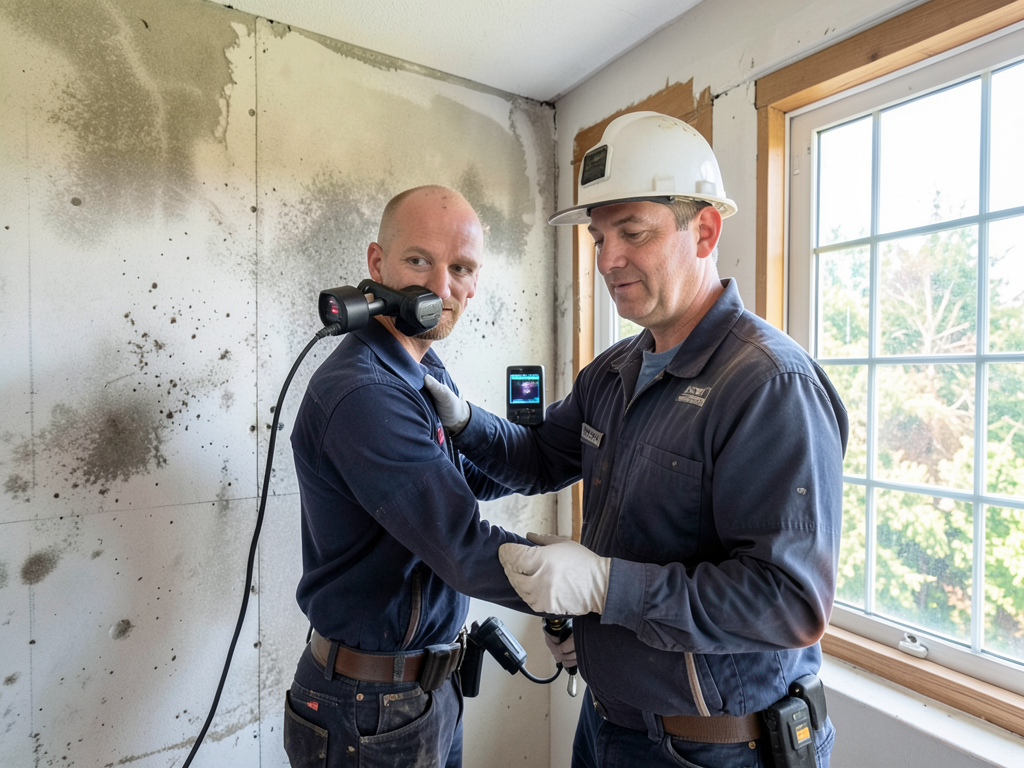
Fortress Water Damage Restoration Jacksonville uses thermal imaging cameras to map moisture intrusion patterns. We don't guess where water traveled. We measure. Infrared technology reveals moisture in wall cavities, under flooring, and within ceiling assemblies before visible damage appears. This prevents the common mistake of drying surface materials while trapped moisture breeds mold in hidden spaces.

We classify floodwater by contamination level. Category 1 water comes from clean sources like supply line breaks. Category 2 contains biological contaminants from washing machines or toilet bowls. Category 3, the most common in Jacksonville flooding, includes sewage, storm surge, and river water carrying bacteria, chemicals, and physical hazards. Each category requires different extraction methods, antimicrobial treatments, and disposal protocols.

Our extraction process uses truck-mounted pumps capable of removing thousands of gallons per hour, not shop vacuums that spread contamination. We establish negative air pressure to prevent cross-contamination to unaffected areas. Industrial dehumidifiers and air movers create the airflow patterns needed to dry structural cavities, not just surfaces.

We monitor moisture content using pin-type and pinless meters, taking daily readings until materials reach equilibrium moisture content specific to Jacksonville's humidity levels. The goal is not zero moisture but appropriate moisture for our climate. Over-drying creates different structural problems.

Documentation drives insurance claims. We photograph damage progression, log equipment placement and runtime, track moisture readings, and maintain chain of custody for disposed materials. This creates the evidence adjusters need to approve full restoration costs.

What Happens During Your Flood Recovery

Steps to Take After a Flood in Jacksonville – Your Complete Recovery Checklist From Water Damage Experts
01

Emergency Water Removal

We arrive within hours of your call and immediately begin extracting standing water using truck-mounted pumps. Our team identifies the water source, stops ongoing intrusion, and establishes containment barriers to protect unaffected areas. We remove saturated contents, pull baseboards, and document initial damage for insurance purposes. Speed matters because every hour increases drying time exponentially.
02

Structural Drying and Monitoring

After extraction, we deploy commercial-grade dehumidifiers and air movers positioned according to psychrometric calculations specific to your property layout. We remove wet insulation, drill weep holes in wall cavities, and pull carpet padding. Our technicians take moisture readings twice daily, adjusting equipment placement as materials dry. This phase typically runs five to seven days depending on saturation depth and affected materials.
03

Sanitization and Restoration

Once moisture levels reach acceptable thresholds, we apply EPA-registered antimicrobial treatments to all affected surfaces. We HEPA vacuum to remove settled contaminants, then begin reconstruction. This includes replacing drywall, insulation, flooring, and trim. We coordinate with your insurance adjuster throughout the process, ensuring claim documentation supports full restoration to pre-loss condition. You receive detailed moisture reports and certificates of completion.

Why Jacksonville Residents Trust Fortress Water Damage Restoration for Flood Recovery

Flood recovery requires local knowledge. National franchise operators follow corporate protocols designed for average conditions. Jacksonville isn't average.

We understand how the St. Johns River floods differently than oceanfront storm surge. We know which neighborhoods in Mandarin and Ortega experience repetitive loss because of outdated drainage infrastructure. We recognize how historic homes in Springfield and Avondale use different construction methods than post-2000 subdivisions in Nocatee, requiring different drying strategies.

Our technicians train specifically on Florida Building Code requirements for flood-damaged structures. We know when remediation allows repair and when code triggers replacement. This knowledge prevents failed inspections and project delays. We maintain relationships with local building inspectors, which speeds permit approvals and final inspections.

Jacksonville's flood insurance landscape is complex. We work with Citizens Property Insurance, private carriers, and the National Flood Insurance Program daily. We speak the language adjusters use. We document to their requirements. We understand the difference between flood policy coverage and homeowners policy coverage, helping you maximize benefits across both policies when applicable.

Our equipment stays in Jacksonville. When tropical systems threaten, we don't pull crews to higher-demand markets. We commit our resources to local residents who trust us year-round. This means faster response when you need it most.

We also handle the contamination risks specific to Jacksonville flooding. Our crews are OSHA-certified for sewage cleanup and bloodborne pathogen exposure. We dispose of category 3 water-damaged materials according to Duval County waste management regulations, not generic protocols that create liability.

Fortress Water Damage Restoration Jacksonville operates as your advocate throughout recovery. We communicate with adjusters, document delays, and escalate claim disputes when carriers undervalue damage. You focus on your family while we manage the technical and administrative recovery process.

What to Expect During Your Flood Damage Recovery

Rapid Response and Assessment

We answer calls 24 hours a day, 365 days a year. When you contact us, we dispatch a crew immediately, not the next business day. Most Jacksonville properties receive response within two to four hours. Our initial assessment identifies safety hazards, stops ongoing water intrusion, and develops a scope of work. We provide verbal estimates on-site and written proposals within 24 hours. Emergency mitigation begins before paperwork finalizes because time is your most valuable asset after flooding. You receive a dedicated project manager who coordinates all phases from extraction through final reconstruction.

Comprehensive Damage Evaluation

Our technicians use moisture meters, thermal cameras, and hygrometers to map the full extent of water intrusion. We inspect hidden areas including wall cavities, subfloors, attic spaces, and HVAC ductwork. We test for elevated moisture content in framing, insulation, and finish materials. This evaluation identifies damage you cannot see but will cause problems later. We classify water contamination levels and develop appropriate remediation protocols. You receive detailed documentation including photos, moisture maps, and equipment lists. This report serves as your insurance claim foundation and project roadmap. We explain findings in clear language so you understand what happened and why specific repairs are necessary.

Complete Structural Restoration

We don't stop at drying. Fortress Water Damage Restoration Jacksonville provides full reconstruction services, eliminating the need to coordinate multiple contractors. Our team handles demolition, framing repairs, drywall installation, texture matching, painting, flooring replacement, and trim work. We source materials to match existing finishes when possible or help you select upgrades when replacement is necessary. All work meets current Florida Building Code requirements and passes inspection. We coordinate electrical, plumbing, and HVAC contractors when systems suffer flood damage. The goal is seamless restoration where you cannot identify where damage occurred. You move back into a safe, dry, code-compliant home.

Post-Restoration Verification

After restoration completes, we conduct final moisture testing to verify all materials have reached appropriate equilibrium levels. We provide certificates of completion documenting successful drying and contamination remediation. You receive comprehensive project documentation including all moisture logs, equipment deployment records, and final inspection reports. We offer guidance on preventing future flood damage including sump pump installation, backflow preventer upgrades, and grading improvements. Our team remains available for questions after project completion. If issues arise related to our restoration work, we address them promptly. You also receive maintenance recommendations specific to Jacksonville's climate to protect your investment long-term.

Frequently Asked Questions

You Have Questions,
We Have Answers

What steps to take after a flood? +

Shut off electricity at the breaker box to prevent shock hazards. Document all damage with photos and videos for insurance claims. Contact your insurance company immediately. Remove standing water using pumps or wet vacuums. Move salvageable items to dry areas. In Jacksonville's humid climate, start drying within 24 hours to prevent mold. Wear protective gear like boots and gloves when entering flooded areas. Do not touch electrical equipment while standing in water. Extract wet carpets, padding, and porous materials quickly. Call a water damage restoration professional to assess structural damage and begin professional drying.

What should be done after the flood? +

After flooding subsides, prioritize safety and damage mitigation. Ventilate your property by opening windows and doors. Remove wet drywall, insulation, and baseboards to prevent hidden mold growth in wall cavities. Disinfect all hard surfaces with antimicrobial cleaners. Jacksonville's subtropical humidity accelerates moisture penetration, so use industrial dehumidifiers and air movers. Inspect HVAC systems before restarting them. Check for sewage contamination, which requires professional biohazard cleanup. Keep detailed records of all repairs and expenses for insurance reimbursement. Monitor indoor humidity levels, keeping them below 60 percent to discourage microbial growth.

What are the 5 steps of disaster recovery? +

The five disaster recovery steps are assessment, mitigation, restoration, reconstruction, and prevention. Assessment identifies the extent of flood damage and safety hazards. Mitigation stops further damage through water extraction and structural drying. Restoration returns affected areas to pre-loss condition by cleaning, sanitizing, and dehumidifying. Reconstruction rebuilds damaged structural elements like drywall, flooring, and cabinetry. Prevention implements measures to reduce future flood risk, such as improved drainage or sump pump installation. In Jacksonville, these steps must account for high ambient humidity and frequent tropical storms. Professional restoration companies complete this process systematically to ensure thorough recovery.

What precautions should be taken after a flood? +

Avoid contact with floodwater, which often contains sewage, chemicals, and debris. Wear rubber boots, gloves, and eye protection when entering affected areas. Test air quality before spending extended time indoors. Watch for structural damage like sagging ceilings, warped floors, or foundation cracks. Jacksonville properties often experience hidden moisture in concrete slab foundations. Do not use gas or electrical appliances until inspected by professionals. Discard food, medicine, and cosmetics exposed to floodwater. Keep children and pets away from contaminated areas. Monitor for signs of mold growth over the following weeks. Document everything for insurance purposes.

What to spray on walls after a flood? +

Spray antimicrobial solutions designed for flood remediation on walls after removing wet materials. Products containing quaternary ammonium compounds or hydrogen peroxide effectively kill bacteria and inhibit mold. Do not spray over wet surfaces. First, dry walls thoroughly using dehumidifiers and air movers. In Jacksonville's climate, moisture trapped in wall cavities creates ideal mold conditions. Remove baseboards and drill small weep holes to ventilate wall interiors. For porous materials like drywall that absorbed contaminated water, replacement beats treatment. Professionals use EPA-registered disinfectants and follow IICRC standards for safe, effective antimicrobial application.

How quickly does mold grow after a flood? +

Mold can begin growing within 24 to 48 hours after flooding in Jacksonville's warm, humid environment. Spores need only moisture, oxygen, and organic material to colonize. The combination of standing water and 80-plus degree temperatures accelerates growth dramatically. Visible mold colonies often appear within three to five days on drywall, wood, and fabric. Hidden mold develops inside wall cavities, under flooring, and within HVAC systems even faster. This narrow window makes immediate water extraction and drying critical. Professional restoration companies use moisture meters to detect hidden dampness and prevent unseen mold infestations.

What are the 5 steps of preparedness? +

The five preparedness steps are planning, organizing, equipping, training, and exercising. Planning creates a household emergency response strategy. Organizing assigns roles and establishes communication methods. Equipping involves gathering supplies like flashlights, first aid kits, and emergency contacts. Training ensures family members understand evacuation routes and safety procedures. Exercising tests your plan through drills. For Jacksonville residents, preparedness should address hurricane-driven flooding. Know your flood zone, purchase flood insurance, and identify evacuation routes. Store important documents in waterproof containers. Keep emergency contractors like water damage restoration professionals in your phone. Review and update your plan annually.

Do you have to throw everything away after a flood? +

You do not need to discard everything after a flood, but porous materials often require disposal. Hard surfaces like metal, glass, and solid wood furniture can be cleaned and disinfected. Nonporous items withstand proper sanitization. However, drywall, insulation, carpeting, padding, and upholstered furniture absorb contaminated water and harbor bacteria. In Jacksonville, where floodwater often mixes with sewage or runoff, contaminated porous items pose health risks. Documents and photos can sometimes be freeze-dried and restored. Electronics require specialized evaluation. A restoration professional helps determine what can be salvaged versus what needs replacement for safety.

How long to dry out a house after a flood? +

Drying a flooded house takes three to five days with professional equipment in ideal conditions. Jacksonville's high humidity can extend this to seven days or longer. Factors include water volume, affected materials, outdoor humidity, and air circulation. Extraction removes standing water first. Industrial dehumidifiers and air movers then pull moisture from building materials. Concrete foundations and hardwood floors require extended drying. Moisture meters track progress until materials reach acceptable levels, typically 12 to 15 percent moisture content for wood. Rushing this process invites mold growth and structural damage. Professional monitoring ensures complete, documented drying.

What are the 4 C's of disaster recovery? +

The four C's of disaster recovery are coordination, communication, continuity, and control. Coordination aligns restoration efforts among contractors, insurance adjusters, and property owners. Communication keeps all parties informed about progress, timelines, and issues. Continuity maintains essential functions during recovery, minimizing disruption to daily life or business operations. Control manages scope, budget, and quality standards throughout the process. In Jacksonville flood situations, these principles ensure systematic recovery. Professional restoration companies implement the four C's by providing clear timelines, regular updates, documented procedures, and quality control checkpoints. This framework transforms chaos into organized, effective recovery.

How Jacksonville's Flood Zones and Hurricane Risk Shape Your Recovery Strategy

Jacksonville contains over 150 square miles of Special Flood Hazard Areas, more than most Florida cities. The combination of coastal storm surge, riverine flooding from the St. Johns, and inadequate drainage in older neighborhoods creates unique recovery challenges. Homes in Riverside, Ortega, and Arlington frequently experience multiple flood events over their lifespan, making proper initial recovery critical. If you cut corners during cleanup, residual moisture and contamination compound with each subsequent flood. Jacksonville's average annual humidity of 75 percent means materials stay wet longer than national averages, requiring extended drying times and more aggressive dehumidification. What works for flood recovery in Phoenix fails in Jacksonville.

Local building codes reflect our flood reality. Post-Irma and post-Ian regulations require higher standards for rebuilt flood-damaged structures in designated zones. Choosing a restoration contractor unfamiliar with Jacksonville permitting creates expensive delays and failed inspections. Fortress Water Damage Restoration Jacksonville maintains relationships with City of Jacksonville building officials and stays current on evolving floodplain management regulations. We pull permits correctly the first time, schedule inspections appropriately, and ensure your restored property meets current code for future insurability. This local expertise protects your property value and ensures your flood insurance remains valid after restoration.

Water Damage Restoration Services in The Jacksonville Area

Conveniently located to serve the entire region, Fortress is committed to reaching you swiftly when water damage strikes. Our centralized presence allows us to deploy rapid response teams across the service area, ensuring that expert assistance is always just a call away. Explore our location and service radius to see how we can provide immediate, professional water damage restoration solutions directly to your doorstep, minimizing disruption and expediting recovery.

Address:
Fortress Water Damage Restoration Jacksonville, 10752 Deerwood Park Blvd Suit 100, Jacksonville, FL, 32256

Additional Services We Offer

Our news updates

Latest Articles & News from The Blogs

Why Your New Bidet Attachment Might Be Slowly Flooding Your Girvin Bathroom Floor Your bathroom floor feels damp and you…

Why Your New Bidet Attachment Might Be Slowly Flooding Your Girvin Bathroom Floor

Why Your New Bidet Attachment Might Be Slowly Flooding Your Girvin Bathroom Floor Your bathroom floor feels damp and you…

How to Properly Shut Down Your Plumbing Before Leaving Isle of Palms for the Summer

How to Properly Shut Down Your Plumbing Before Leaving Isle of Palms for the Summer Summer vacation should mean relaxation…

The Hidden Meaning Behind Peeling Wallpaper and Bubbling Paint in Lackawanna Homes

The Hidden Meaning Behind Peeling Wallpaper and Bubbling Paint in Lackawanna Homes Peeling wallpaper and bubbling paint in Lackawanna homes…

Contact Us

Every hour of delay increases damage and recovery costs. Call Fortress Water Damage Restoration Jacksonville now at (904) 839-6500 for immediate dispatch. Our crews are standing by 24/7 to begin your emergency water extraction and damage assessment. Your recovery starts with one phone call.