




Menu

Water Mitigation vs Restoration in Jacksonville – Know the Difference Before You Pay Twice

Understanding whether you need water mitigation or full restoration after flooding protects your Jacksonville home from mold growth, structural decay, and inflated repair bills that come from skipping critical steps.

Slider Image 1
Slider Image 2
Slider Image 3
Slider Image 4
Slider Image 5
Slider Image 7
Slider Image 8
Slider Image 9
Slider Image 10
Slider Image 11

Why Jacksonville Homeowners Confuse Water Cleanup with Water Repair

When water floods your home, you want it gone fast. But here's the problem: Most Jacksonville homeowners think water cleanup and water repair are the same thing. They are not.

Water mitigation is the emergency response. It stops the damage from getting worse. Technicians extract standing water, remove soaked materials, and dry the structure before mold takes hold. This happens within 24 to 48 hours of the initial water intrusion.

Water damage restoration is the rebuild. It repairs what mitigation could not save. Drywall replacement, subfloor reconstruction, cabinet reinstallation, and repainting all fall under restoration. This phase starts after the structure is dry and safe.

Jacksonville's subtropical humidity makes this distinction critical. When temperatures sit above 70 degrees and relative humidity hovers near 75 percent for most of the year, mold spores germinate in as little as 24 hours. If you skip mitigation and jump straight to restoration, you are sealing mold and moisture inside your walls.

The difference between water mitigation and restoration is not semantic. Mitigation saves the structure. Restoration makes it livable again. Confusing the two delays drying, inflates costs, and turns a manageable water loss into a total gut job.

Many Jacksonville residents also mix up water remediation vs restoration. Remediation is another term for mitigation. It means removing the hazard. Restoration means rebuilding after the hazard is gone. The order matters. You cannot restore what has not been properly mitigated.

Why Jacksonville Homeowners Confuse Water Cleanup with Water Repair
How Mitigation and Restoration Work Together to Save Your Property

How Mitigation and Restoration Work Together to Save Your Property

Water damage repair is a two-phase process. Phase one is mitigation. Phase two is restoration. Both are required, but they happen in sequence, not simultaneously.

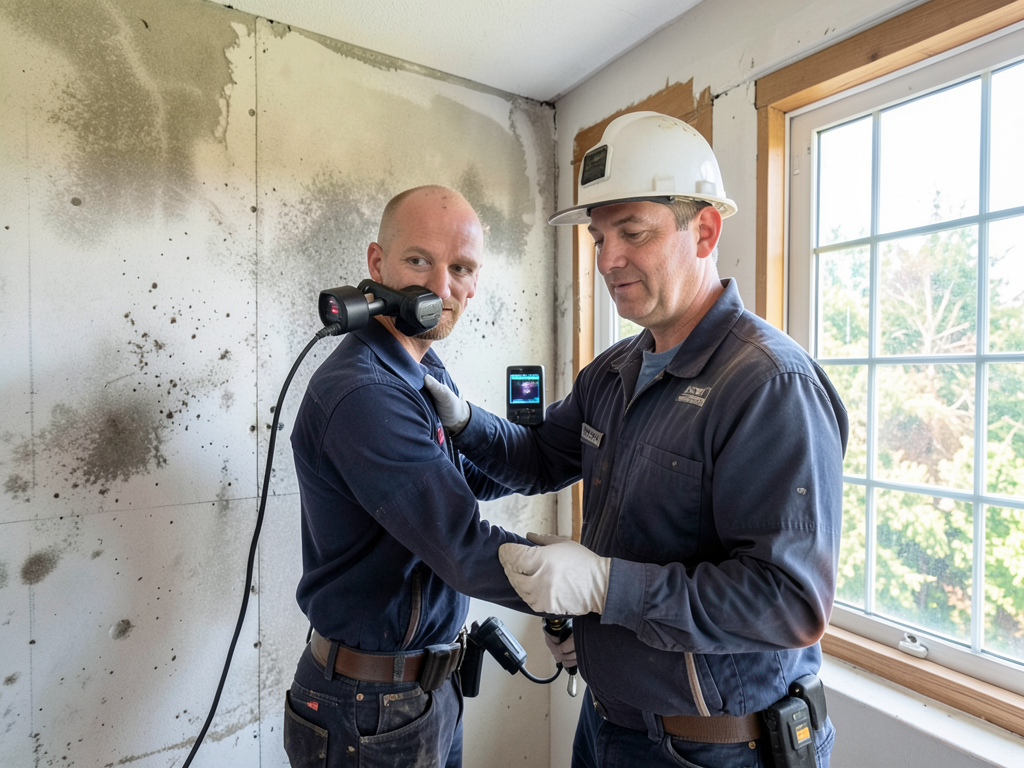
Mitigation starts the moment you call. Technicians arrive with truck-mounted extractors, thermal imaging cameras, and commercial dehumidifiers. They document moisture readings in your walls, subfloor, and ceiling cavities using non-invasive moisture meters. Standing water is removed first. Then air movers and dehumidifiers run for three to five days until moisture content drops below 15 percent.

During mitigation, technicians also remove unsalvageable materials like soaked carpet pad, water-damaged drywall, and saturated insulation. This is not demolition for the sake of reconstruction. It is selective removal to prevent secondary damage. If the drywall wicks moisture above the floodline, it gets cut at the contamination boundary and removed.

Restoration begins only after a final moisture reading confirms the structure is dry. Carpenters replace framing members weakened by prolonged exposure. Drywall installers hang and finish new panels. Flooring contractors install new subfloor and finished flooring. Electricians reconnect outlets that were removed during mitigation.

The difference between mitigation vs reconstruction is timing and intent. Mitigation is defensive. Reconstruction is offensive. One stops the bleeding. The other rebuilds what was lost.

Fortress Water Damage Restoration Jacksonville manages both phases under one roof. You do not need to coordinate multiple contractors or explain your situation twice. Mitigation transitions into restoration seamlessly because the same team handles both.

What Happens When You Call for Water Damage Help in Jacksonville

Water Mitigation vs Restoration in Jacksonville – Know the Difference Before You Pay Twice
01

Emergency Assessment and Extraction

Within 60 minutes of your call, technicians arrive to assess the source of water intrusion, document the affected areas, and begin extracting standing water. Thermal imaging identifies hidden moisture in wall cavities and subfloor spaces. Truck-mounted extractors remove thousands of gallons in the first hour. Speed here determines whether you save your hardwood floors or replace them entirely.
02

Drying and Monitoring

Commercial dehumidifiers and air movers run 24 hours a day for three to five days. Technicians take moisture readings twice daily to track drying progress. If readings plateau or climb, equipment is repositioned or upgraded. The goal is to drop moisture content below 15 percent before mold spores activate. This phase is pure mitigation. Nothing gets rebuilt until drying is complete and verified.
03

Rebuild and Final Inspection

Once the structure is dry, restoration begins. Damaged drywall, insulation, and framing are replaced. Subfloors are reinstalled. Flooring, cabinetry, and trim work are restored to pre-loss condition. A final walkthrough ensures all work meets local building codes and insurance documentation requirements. This is when your home transitions from a construction zone back to a living space. Restoration is complete only when you can move back in safely.

Why Jacksonville Homeowners Trust Local Water Damage Experts

Water damage does not wait for business hours. Neither do we. Fortress Water Damage Restoration Jacksonville operates 24 hours a day, seven days a week, because water intrusion in Jacksonville happens during thunderstorms, burst pipes, and hurricane-driven flooding at all hours.

Our technicians know Jacksonville's building patterns. Homes built before 1980 often have galvanized steel pipes that corrode from the inside out. Post-2000 construction in Riverside and San Marco uses PEX plumbing, which fails differently. We adjust our mitigation strategy based on your home's age, plumbing type, and foundation style.

We also understand how the St. Johns River and local tributaries affect flood risk. Properties near the river or in low-lying areas like Arlington and Ortega require faster mitigation because floodwater carries contaminants that accelerate material degradation. Clean water from a burst pipe is Category 1. River water is Category 3. The difference changes how we handle removal and disposal.

Local building codes in Duval County require permits for structural repairs that exceed a certain scope. We handle permitting, inspections, and code compliance so you do not have to navigate city hall while managing a water loss. Our relationships with local inspectors speed approvals and keep your project on schedule.

Insurance companies want documentation. We provide it. Moisture maps, daily logs, photographic evidence, and detailed estimates are standard. We work directly with adjusters to substantiate claims and prevent lowball settlements. You hired us to restore your home, not to fight your insurance company, but we do both when necessary.

Choosing a local company means choosing someone who understands Jacksonville's unique challenges and has the infrastructure to respond immediately.

What to Expect During Water Mitigation and Restoration in Jacksonville

Response Time and Availability

We dispatch crews within 60 minutes of your call, 24 hours a day. Emergency mitigation cannot wait until morning. Every hour water sits in your home increases the likelihood of permanent damage and mold growth. Our trucks are equipped and staged throughout Jacksonville to minimize response time. If you call at 2 a.m., we arrive at 3 a.m. Speed during mitigation saves thousands in restoration costs later.

Initial Assessment and Moisture Mapping

Technicians use thermal imaging and moisture meters to map affected areas before extraction begins. This documentation establishes the scope of damage for insurance purposes and guides our drying strategy. We measure moisture content in walls, subfloors, and ceilings. Readings are logged daily to track drying progress. If an area is not drying as expected, we adjust equipment placement or increase airflow. Assessment is not a one-time event. It is continuous throughout mitigation.

The Quality of the Final Rebuild

Restoration is not about patching holes and slapping on paint. It is about returning your home to pre-loss condition or better. We match existing materials whenever possible. If your hardwood floor was hand-scraped oak, we replace it with hand-scraped oak, not laminate. Drywall is finished to a Level 4 or Level 5 standard depending on lighting and wall location. Trim work is coped, not mitered, for tighter joints. Quality shows in the details.

Post-Restoration Follow-Up and Documentation

After restoration is complete, we provide a final moisture report and photographic documentation of all repairs. This protects you if questions arise during insurance audits or home sales. We also offer guidance on preventing future water damage, including gutter maintenance, sump pump installation, and pipe insulation for freeze protection. If an issue arises after we leave, we come back. Our goal is a dry, safe, restored home, not just a completed invoice.

Frequently Asked Questions

You Have Questions,
We Have Answers

What is the difference between water restoration and mitigation? +

Water mitigation is the immediate response to stop ongoing damage. Technicians extract standing water, set up drying equipment, and prevent further harm within hours of your call. Water restoration is the rebuild phase. After your property dries completely, crews repair drywall, replace flooring, and return your space to pre-loss condition. In Jacksonville's humid climate, fast mitigation prevents mold growth within 24 to 48 hours. You need both services, but mitigation always comes first. Think of mitigation as emergency medicine and restoration as surgery. Most companies handle both phases under one roof.

What is mitigation and restoration? +

Mitigation reduces the severity of damage before it spreads. For water events, this means extracting water, removing wet materials, and deploying air movers and dehumidifiers. Restoration rebuilds what the damage destroyed. Crews install new drywall, paint walls, and replace carpeting or cabinets. Jacksonville homeowners face high humidity year-round, making rapid mitigation critical to avoid secondary damage like mold or warped wood floors. Mitigation typically takes three to five days. Restoration timing depends on damage scope, ranging from a few days to several weeks for major flooding.

What is the difference between restoration and remediation? +

Restoration returns your property to its original state through reconstruction. Remediation removes contamination or hazards, like mold colonies or sewage pathogens. After a pipe burst in Jacksonville, you need restoration to replace wet drywall and flooring. If mold grew during delays, you need remediation first. Remediation requires containment barriers, HEPA filtration, and antimicrobial treatments. Restoration focuses on carpentry, painting, and finishing work. Some water damage jobs require both services. Category 3 water from storm surge or toilet overflows always demands remediation before restoration begins.

What does water restoration mean? +

Water restoration is the complete process of returning your property to pre-damage condition after water intrusion. It includes mitigation (water extraction, drying, dehumidification), remediation (mold treatment if needed), and reconstruction (drywall repair, flooring replacement, painting). In Jacksonville, restoration companies handle everything from hurricane flooding to burst water heaters. The goal is to eliminate moisture, repair structural damage, and restore your home or business to a safe, livable state. Professional restoration prevents long-term issues like foundation damage or persistent mold growth common in Florida's subtropical climate.

What is the average cost of water mitigation? +

Water mitigation costs vary based on damage extent, water category, and affected square footage. Typical ranges span hundreds to several thousand dollars. A small bathroom leak might cost less than a flooded basement requiring extensive extraction and drying equipment. Jacksonville's humidity extends drying time, which increases equipment rental costs. Insurance often covers mitigation expenses minus your deductible. Get a detailed estimate before work begins. Professionals assess structural damage, moisture levels, and contamination risks. Delaying mitigation to save money allows mold growth and structural rot, which multiply repair costs significantly.

What are the three types of mitigation? +

Water mitigation follows three main types based on contamination level. Category 1 involves clean water from supply lines or rainwater with no health risk. Category 2 is gray water from appliances like dishwashers, containing some contaminants. Category 3 is black water from sewage backups or storm surge, carrying dangerous pathogens. Jacksonville properties face Category 3 events during hurricanes when storm drains overflow. Each category requires different safety protocols and disposal methods. Category 3 demands full remediation with antimicrobial treatments. Your mitigation company assesses water source immediately to determine proper response.

Is water restoration worth it? +

Water restoration is absolutely worth the investment. Untreated water damage leads to mold growth, wood rot, foundation settling, and electrical hazards. Jacksonville's year-round humidity accelerates these problems. Professional restoration removes hidden moisture in wall cavities and subfloors that DIY methods miss. Insurance typically covers restoration costs, making out-of-pocket expenses minimal. Skipping restoration tanks your property value and creates health risks for occupants. The alternative is watching your home deteriorate while repair costs multiply. Quick professional response protects your largest financial asset and prevents displacement from your property.

What are 5 examples of mitigation? +

Five common water mitigation examples include emergency water extraction using truck-mounted pumps, structural drying with industrial dehumidifiers and air movers, moisture monitoring using thermal cameras and hygrometers, content pack-out to salvage belongings, and antimicrobial application to prevent mold. In Jacksonville, mitigation teams also handle hurricane preparedness like sandbagging and emergency board-up. After a washing machine overflow, technicians extract standing water, remove baseboards to dry wall cavities, and monitor moisture levels daily. Each step prevents secondary damage. Commercial properties add document drying and electronics restoration to minimize business interruption.

Can I do water restoration myself? +

You can handle minor water cleanup yourself, like mopping a small spill. Serious water damage requires professional equipment and expertise. Jacksonville's humidity makes complete drying nearly impossible without commercial dehumidifiers and air movers. Hidden moisture in wall cavities, under flooring, and in insulation breeds mold within 48 hours. Professionals use thermal imaging to find moisture you cannot see. Insurance companies often require professional documentation for claims. Category 2 and 3 water contain contaminants demanding proper disposal and safety gear. DIY restoration risks incomplete drying, mold growth, and claim denial.

What is water mitigation? +

Water mitigation is the immediate emergency response to stop water damage from worsening. Technicians arrive within hours to extract standing water, remove saturated materials, and deploy drying equipment. The goal is damage control, not reconstruction. In Jacksonville, quick mitigation prevents mold in Florida's humid climate and stops wood floors from warping. Mitigation includes water extraction, moisture detection using specialized meters, structural drying with dehumidifiers, and content protection. It is the critical first phase before restoration begins. Fast mitigation response determines whether you face minor repairs or total reconstruction.

How Jacksonville's Humidity and Rainfall Patterns Affect Water Mitigation Timelines

Jacksonville receives an average of 52 inches of rain per year, with the heaviest downpours occurring between June and September. When outdoor humidity sits at 75 percent and indoor moisture spikes from a water intrusion, drying times extend. Standard drying protocols assume low ambient humidity. In Jacksonville, dehumidifiers work harder and longer to achieve target moisture levels. This is why water damage mitigation in Jacksonville takes three to five days instead of two to three. The difference between water mitigation and restoration becomes critical when extended drying delays reconstruction and forces families out of their homes longer than expected.

Duval County building codes require permits for repairs exceeding $500 in value or involving structural elements. Water damage restoration projects almost always trigger permitting requirements. Fortress Water Damage Restoration Jacksonville handles all permitting, inspections, and code compliance as part of our service. We know which repairs require a licensed contractor, which materials meet Florida Building Code standards, and how to document work for final inspection. Choosing a local company means choosing someone who understands local regulations and has working relationships with city inspectors. This speeds approvals and keeps your project moving.

Water Damage Restoration Services in The Jacksonville Area

Conveniently located to serve the entire region, Fortress is committed to reaching you swiftly when water damage strikes. Our centralized presence allows us to deploy rapid response teams across the service area, ensuring that expert assistance is always just a call away. Explore our location and service radius to see how we can provide immediate, professional water damage restoration solutions directly to your doorstep, minimizing disruption and expediting recovery.

Address:
Fortress Water Damage Restoration Jacksonville, 10752 Deerwood Park Blvd Suit 100, Jacksonville, FL, 32256

Additional Services We Offer

Our news updates

Latest Articles & News from The Blogs

Why Your New Bidet Attachment Might Be Slowly Flooding Your Girvin Bathroom Floor Your bathroom floor feels damp and you…

Why Your New Bidet Attachment Might Be Slowly Flooding Your Girvin Bathroom Floor

Why Your New Bidet Attachment Might Be Slowly Flooding Your Girvin Bathroom Floor Your bathroom floor feels damp and you…

How to Properly Shut Down Your Plumbing Before Leaving Isle of Palms for the Summer

How to Properly Shut Down Your Plumbing Before Leaving Isle of Palms for the Summer Summer vacation should mean relaxation…

The Hidden Meaning Behind Peeling Wallpaper and Bubbling Paint in Lackawanna Homes

The Hidden Meaning Behind Peeling Wallpaper and Bubbling Paint in Lackawanna Homes Peeling wallpaper and bubbling paint in Lackawanna homes…

Contact Us

Water damage does not pause while you research contractors. Call Fortress Water Damage Restoration Jacksonville at (904) 839-6500 right now. We will be on-site within 60 minutes to begin mitigation and protect what matters most.