




Menu

Swollen Baseboards & Trim in Jacksonville – Expert Diagnosis and Permanent Moisture Solutions

When water damaged baseboards and warped baseboard molding appear in your Jacksonville home, you need precision moisture detection and targeted remediation that addresses the source, not just the symptom.

Slider Image 1
Slider Image 2
Slider Image 3
Slider Image 4
Slider Image 5
Slider Image 7
Slider Image 8
Slider Image 9
Slider Image 10
Slider Image 11

Why Your Jacksonville Baseboards Are Swelling and What It Really Means

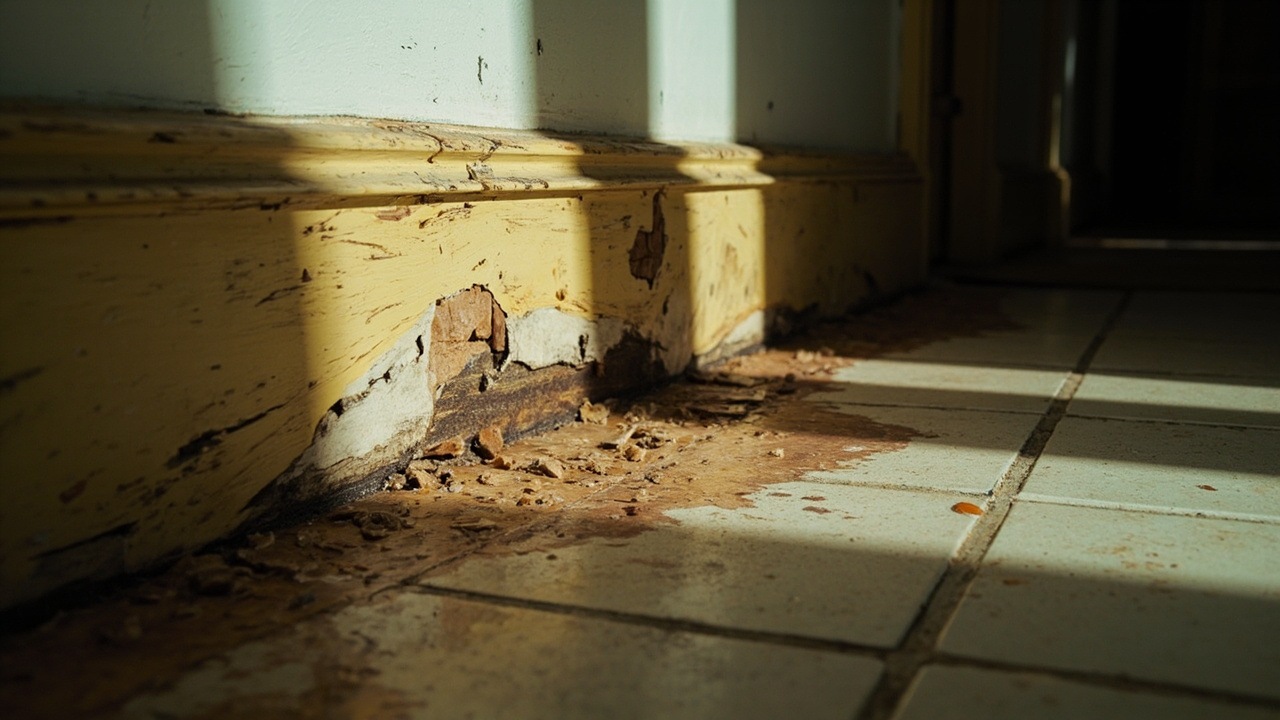
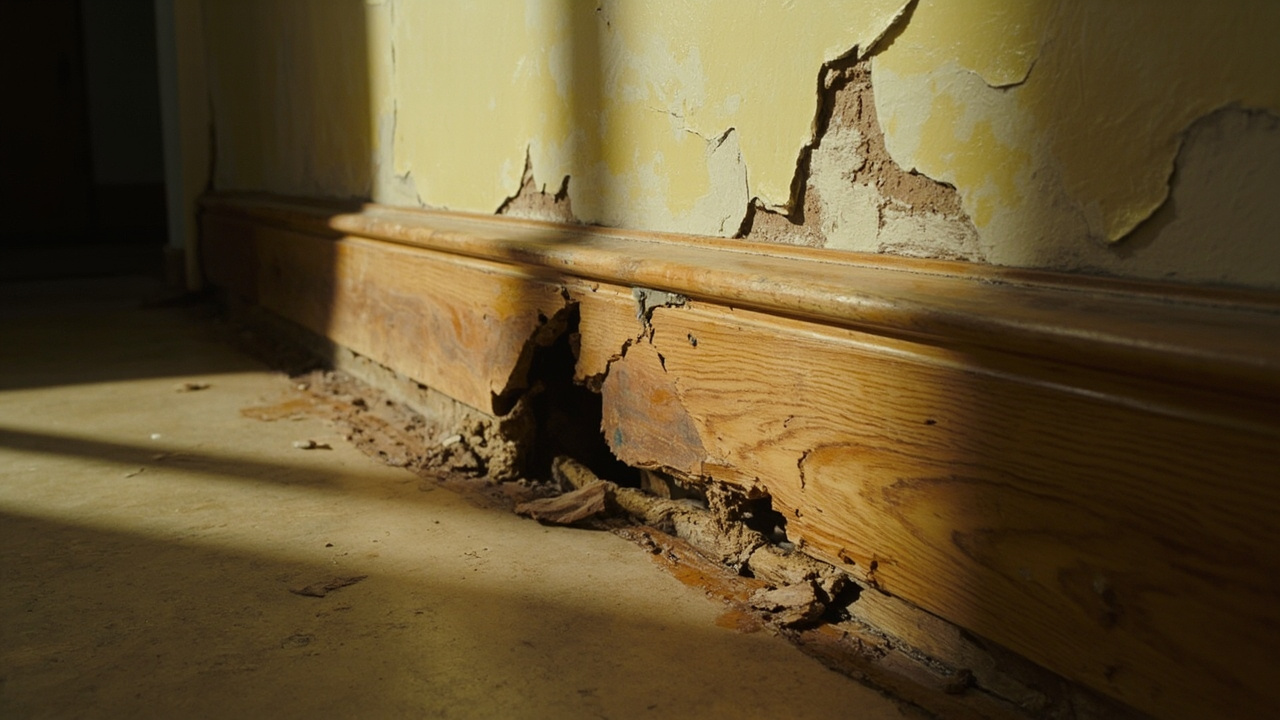
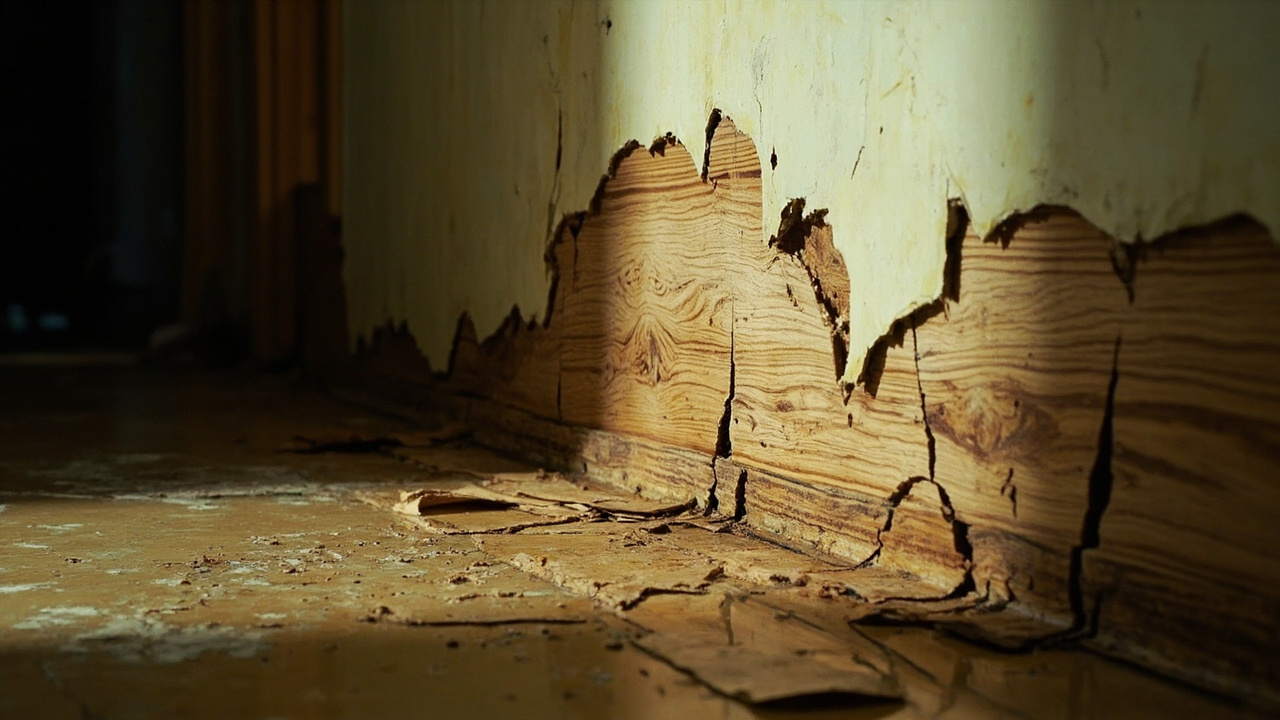
You notice the telltale signs first along exterior walls or near bathrooms. The once-crisp edges of your baseboard molding now bulge outward. Paint cracks along the seams. When you press the wood, it feels spongy, almost bloated. This is not normal wear. This is active water intrusion.

Jacksonville's unique climate creates the perfect storm for moisture swollen baseboards. Our average annual humidity hovers around 75 percent. We sit at sea level along the St. Johns River and Intracoastal Waterway, with a water table that runs shallow across most of Duval County. Summer afternoon thunderstorms dump inches of rain in minutes. That water has to go somewhere.

When it finds a crack in your foundation, a failed window seal, or aging exterior cladding, it migrates inward. It wicks up through concrete slabs common in Riverside, San Marco, and Beaches neighborhoods. It condenses behind walls in older homes without vapor barriers. The wood absorbs it like a sponge.

Expanded MDF trim is particularly vulnerable. MDF, or medium-density fiberboard, is compressed wood fibers and resin. Once moisture penetrates the factory seal, those fibers swell irreversibly. Solid wood baseboards warp and cup. Both are symptoms of the same root problem: sustained moisture exposure.

Ignoring bloated wood trim invites secondary damage. Mold colonizes damp surfaces within 48 hours. Subfloor rot spreads beneath finished floors. Termites are drawn to moisture-compromised wood. What starts as a cosmetic eyesore becomes a structural and health liability. The clock is ticking from the moment you first notice the swelling.

Why Your Jacksonville Baseboards Are Swelling and What It Really Means
How We Locate and Eliminate the Moisture Source Behind Warped Trim

How We Locate and Eliminate the Moisture Source Behind Warped Trim

Replacing swollen baseboards without addressing the moisture source is cosmetic theater. The new trim will swell within months. Fortress Water Damage Restoration Jacksonville starts with forensic moisture mapping.

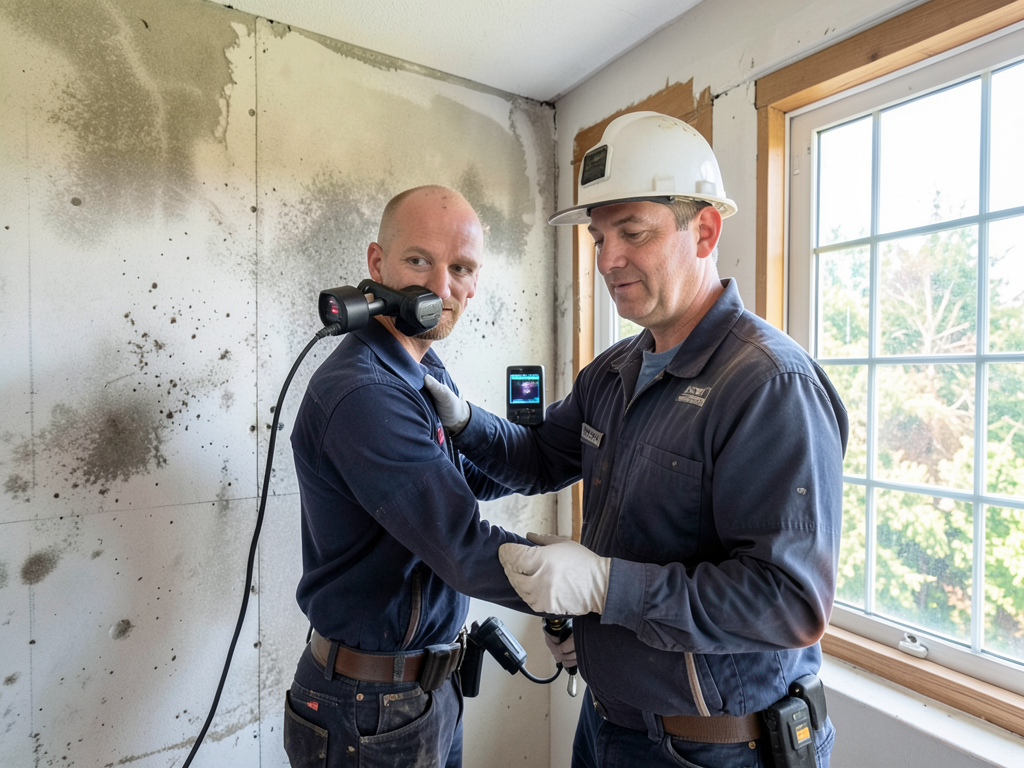
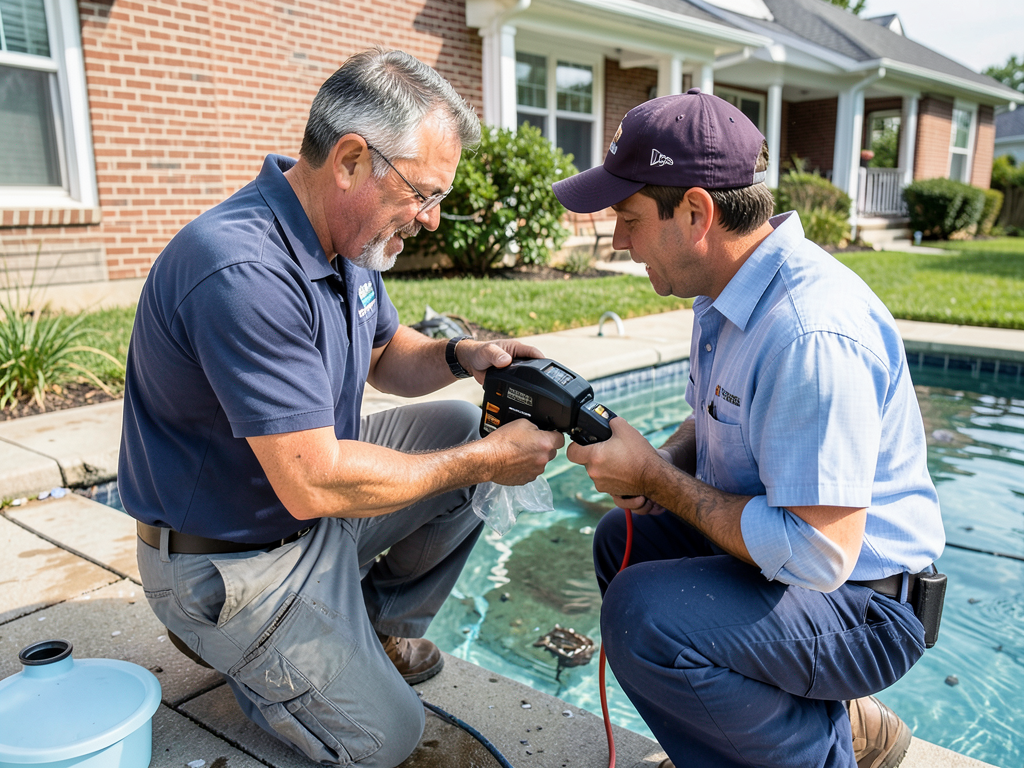
We deploy thermal imaging cameras to scan wall cavities and identify temperature differentials that indicate hidden water. Penetrating moisture meters measure water content deep within framing lumber and drywall, not just surface readings. Hygrometers track ambient humidity levels to differentiate between chronic high humidity and active leaks. This is diagnostic precision, not guesswork.

Once we map the moisture intrusion path, we identify the entry point. Common culprits in Jacksonville include failed slab perimeter grading that directs roof runoff toward the foundation, deteriorated exterior caulking around windows and doors, and HVAC condensate line failures that leak behind walls. Older homes in Springfield and Murray Hill often have cast iron drain stacks that corrode and seep inside wall cavities.

We then deploy targeted extraction and drying. Commercial-grade dehumidifiers pull moisture from the air. Air movers create convective drying across wall surfaces and subfloors. We monitor drydown daily with moisture readings until all materials return to baseline dry standards, typically 12 to 15 percent moisture content for wood framing.

Only after confirmed drydown do we address the damaged trim. We remove and dispose of all compromised materials. We treat exposed framing with antimicrobial agents to prevent mold reactivation. We verify subfloor integrity before any finish work begins. This is the methodology that prevents recurrence. This is how you solve the problem permanently.

What Happens During Your Baseboard Moisture Remediation

Swollen Baseboards & Trim in Jacksonville – Expert Diagnosis and Permanent Moisture Solutions
01

Diagnostic Moisture Assessment

We arrive with thermal imaging and moisture detection equipment. Every affected wall section gets scanned. We document moisture readings in wall cavities, subfloors, and adjacent materials. You receive a detailed moisture map showing exactly where water is hiding and how far it has traveled. This baseline data drives every decision in the remediation process and provides documentation for insurance claims.
02

Source Identification and Containment

We trace the moisture intrusion back to its origin point. Is it exterior water penetration, a plumbing leak, or HVAC condensation? We contain the source immediately to stop further damage. This may involve temporary repairs, shutoff of water supply lines, or sealing exterior breaches with waterproof membranes. No drying begins until the active intrusion is stopped. Otherwise, we are bailing a boat with the drain plug open.
03

Controlled Drying and Restoration

We install drying equipment calibrated to your specific moisture load and room volume. Daily monitoring ensures steady progress toward dry standards. Once materials hit target moisture levels, we remove damaged baseboards and inspect underlying framing. We treat all surfaces with antimicrobial solutions. You get new trim installed over verified dry substrates. The final walkthrough includes post-remediation moisture verification and photo documentation showing the complete restoration.

Why Jacksonville Homeowners Choose Local Moisture Remediation Experts

Water damage in Jacksonville is not the same as water damage in Phoenix or Minneapolis. Our humidity does not drop below 60 percent, even in winter. Our homes sit on shallow foundations, many poured before modern moisture barrier standards existed. Our soil composition, heavy clay and sand mix, shifts with seasonal water table fluctuations. These factors demand local expertise.

Fortress Water Damage Restoration Jacksonville understands the construction methods common to different eras and neighborhoods across Duval County. We know that homes in Avondale built in the 1920s have pier and beam foundations vulnerable to ground moisture. We know that 1970s-era homes in Mandarin often have inadequate exterior grading that directs water toward slab perimeters. We know that newer construction in Nocatee uses oriented strand board sheathing that delaminates when wet.

This knowledge informs our remediation approach. We do not apply generic solutions. We customize drying protocols based on your home's specific construction, the extent of moisture intrusion, and the materials affected. We communicate directly with local insurance adjusters who recognize our documentation standards and trust our moisture readings.

When you call a national franchise or an out-of-town contractor, you get technicians reading from a manual. When you call us, you get professionals who have remediated hundreds of Jacksonville homes and understand the specific failure points common to this region. We respond faster because we are local. We source materials faster because we have established relationships with local suppliers. We know the building inspectors and code requirements because we work with them regularly.

You want the swelling fixed right the first time. That requires someone who knows why it happened in the first place.

What to Expect When You Call Us About Swollen Trim

Rapid Response and Same-Day Assessment

We dispatch within two hours of your call for emergency situations. Non-emergency assessments are scheduled within 24 hours. You will speak directly with a technician, not an answering service. We arrive with diagnostic equipment ready to begin moisture mapping immediately. The initial assessment takes 45 to 90 minutes depending on the extent of visible damage. You receive a verbal summary on-site and a written report within 24 hours detailing findings, recommended remediation scope, and estimated timeline. No waiting, no ambiguity, no pressure tactics.

Comprehensive Moisture Detection and Documentation

Our assessment goes beyond the visible swelling. We scan adjacent walls, check subfloors, and inspect attic spaces above affected areas. Thermal imaging reveals hidden moisture patterns invisible to the naked eye. Moisture meter readings are recorded room by room, creating a baseline moisture profile. Every reading is photographed and logged. This documentation is critical for insurance claims and provides you with a clear understanding of the full scope of damage. We explain findings in plain language and answer every question before any work begins.

Verified Dry Restoration with No Shortcuts

We do not rush the drying process to meet arbitrary timelines. Materials are monitored daily until moisture content reaches industry-standard dry levels. This typically takes three to seven days depending on initial saturation and ambient conditions. You receive progress updates every 24 hours. Only after verified drydown do we proceed with trim removal and replacement. New baseboards are primed on all six sides before installation to prevent future moisture absorption. The final product is not just cosmetically restored. It is structurally sound and protected against reoccurrence.

Post-Remediation Monitoring and Prevention Guidance

After restoration is complete, we provide a final moisture verification report showing all areas have returned to normal levels. We walk you through prevention strategies specific to your home, including maintenance schedules for exterior caulking, gutter cleaning, and HVAC condensate line inspections. We offer optional follow-up moisture checks at 30 and 90 days post-remediation at no additional charge. If new moisture issues develop related to the original source, we address them immediately. You are not abandoned once the work is done. You have a local partner who stands behind the remediation.

Frequently Asked Questions

You Have Questions,
We Have Answers

How to fix a swollen baseboard? +

First, identify and stop the water source. Remove the swollen baseboard carefully to prevent further wall damage. Inspect the wall framing and subfloor for hidden moisture or mold growth. In Jacksonville's humid climate, allow affected areas to dry completely using fans and dehumidifiers for 48-72 hours minimum. Check moisture levels with a meter before proceeding. If the baseboard shows warping, cracking, or mold staining, replace it entirely. Patch and prime the wall, then install new trim. Paint-grade MDF baseboards are vulnerable to moisture in Florida homes, so consider moisture-resistant materials for replacement.

What is the 7 rule for baseboards? +

The 7 rule states your baseboard height should be roughly seven percent of your ceiling height for balanced proportions. For standard 8-foot ceilings common in Jacksonville homes, this means 5-7 inch baseboards. Taller 9-10 foot ceilings in newer builds warrant 7-9 inch boards. This guideline helps maintain visual balance between floor trim and crown molding. However, water damage eliminates aesthetics as the priority. If your baseboards show swelling or staining, focus on identifying the moisture source first. Proper proportion matters only after you address the underlying water infiltration problem.

Why do baseboards swell? +

Baseboards swell when moisture penetrates the material and causes the wood fibers or composite core to expand. Common causes in Jacksonville include plumbing leaks from bathroom fixtures, HVAC condensation drips, roof leaks traveling down walls, and foundation moisture wicking up through concrete slabs. Florida's high humidity accelerates absorption in porous materials like MDF and particleboard. Even small amounts of standing water from mopping or pet accidents can cause swelling if the baseboard lacks proper sealing. Caulk gaps between the board and flooring create a moisture trap. Poor attic ventilation can cause condensation inside exterior walls.

What does water damage on baseboards look like? +

Water damage on baseboards appears as bubbling paint, dark staining along the bottom edge, warping that pulls the trim away from the wall, or a spongy texture when pressed. You may notice white chalky deposits from mineral migration or black mold spots in textured areas. Caulk lines often crack and separate. The baseboard may show vertical expansion with gaps opening at mitered corners. In Jacksonville homes with slab foundations, you might see a tideline about 2-4 inches up from the floor. Paint may peel in sheets. The wood develops a musty odor even after surface drying.

How to shrink swollen wood? +

You cannot reliably shrink swollen wood back to its original dimensions. Once moisture expands the cellular structure, drying causes unpredictable warping and cracking rather than uniform shrinkage. In Jacksonville's humid environment, wood rarely returns to pre-damage condition. You can attempt slow drying in a climate-controlled space with dehumidifiers, but expect permanent distortion. The wood fibers remain stressed and weakened even if dimensions appear close to original. For baseboards, trim, and molding, replacement provides the only guaranteed solution. Attempting to reinstall swollen material leads to gaps, poor paint adhesion, and recurring moisture problems.

What happens if water gets under baseboards? +

Water under baseboards creates hidden mold growth on wall studs and drywall, damages the bottom plate framing, and spreads moisture into adjacent rooms. In Jacksonville homes, this trapped moisture attracts termites and creates ideal conditions for subterranean termite entry. The drywall wicks water vertically, causing interior wall damage that appears weeks after the initial leak. Insulation inside walls becomes saturated and loses R-value. Electrical outlets in baseboards face corrosion and short-circuit risks. The longer water remains trapped, the more extensive the damage to structural framing and the higher the mold remediation costs.

What is the new trend for baseboards? +

Taller baseboards in the 6-8 inch range continue trending in new Jacksonville construction, creating a modern, substantial appearance. Many homeowners choose square-edge profiles over traditional ornate designs for cleaner lines. Painted white remains popular, but stained wood baseboards are returning in coastal and historic Springfield neighborhoods. Moisture-resistant PVC and composite materials gain traction in Florida due to humidity concerns. Some designers skip baseboards entirely in contemporary builds, using recessed wall bases instead. However, trends become irrelevant when dealing with water damage. Address moisture problems before considering aesthetic upgrades to avoid repeating the same damage cycle.

What are common baseboard installation mistakes? +

Common installation mistakes include failing to caulk the top edge where the baseboard meets the wall, which allows moisture infiltration. Installing boards too tight to flooring prevents expansion and traps water during mopping. Using MDF or particleboard in Jacksonville bathrooms and laundry rooms invites swelling problems. Painters often skip priming the back and bottom edges before installation, leaving wood vulnerable to moisture absorption. Nail placement too close to edges causes splitting. Failing to acclimate trim to indoor humidity before installation leads to gaps. Not sealing end cuts before installation allows moisture entry through exposed grain.

Should baseboards be flush with the floor? +

Baseboards should sit slightly above the finished floor, typically with a 1/8 inch gap, not flush. This gap accommodates flooring expansion, prevents moisture wicking from mopping, and allows clearance for carpet or padding. In Jacksonville homes with tile or luxury vinyl flooring, this gap gets filled with color-matched caulk to block moisture and pests. Quarter-round or shoe molding often covers this transition. Flush installation creates a moisture trap and prevents proper cleaning. If your baseboards sit directly on flooring and show bottom-edge swelling, improper installation likely contributed to the water damage you are experiencing.

Will a swollen wood floor go back to normal? +

Swollen wood floors rarely return to normal after water exposure. The planks may appear to flatten as they dry, but internal stress, cupping, and micro-fractures remain permanent. In Jacksonville's humid climate, wood flooring absorbs and releases moisture constantly, and water-damaged boards continue cycling through expansion even after professional drying. Engineered flooring with particleboard cores becomes permanently compromised. Solid hardwood has better recovery potential if dried within 48 hours, but expect some residual cupping. Laminate flooring always requires replacement after swelling. Professional moisture testing determines if subfloor replacement is necessary to prevent recurring problems and mold growth.

How Jacksonville's High Water Table and Clay Soil Accelerate Baseboard Swelling

Jacksonville sits barely above sea level with a water table that fluctuates seasonally between three and ten feet below grade. During summer rainy season, that table rises. In older neighborhoods like Ortega and Riverside, homes built on slab foundations experience hydrostatic pressure pushing groundwater upward through microscopic cracks in concrete. The clay-heavy soil common throughout Duval County expands when saturated, exerting lateral pressure against foundation walls and creating new entry points for moisture. This is not a problem you can caulk away. It requires understanding subsurface hydrology and how water migrates through foundation systems specific to our geography.

Fortress Water Damage Restoration Jacksonville has remediated water intrusion in every neighborhood from the Beaches to Westside. We work directly with local structural engineers when foundation issues contribute to moisture problems. We understand Jacksonville Building Inspection Division requirements for moisture barriers and vapor retarders in remediation work. Our technicians hold IICRC certifications in water damage restoration and applied structural drying. When you hire us, you hire professionals who have seen every variation of moisture failure common to this region and know the correct fix for each one. Local knowledge is not a marketing claim. It is the foundation of effective remediation.

Water Damage Restoration Services in The Jacksonville Area

Conveniently located to serve the entire region, Fortress is committed to reaching you swiftly when water damage strikes. Our centralized presence allows us to deploy rapid response teams across the service area, ensuring that expert assistance is always just a call away. Explore our location and service radius to see how we can provide immediate, professional water damage restoration solutions directly to your doorstep, minimizing disruption and expediting recovery.

Address:
Fortress Water Damage Restoration Jacksonville, 10752 Deerwood Park Blvd Suit 100, Jacksonville, FL, 32256

Additional Services We Offer

Our news updates

Latest Articles & News from The Blogs

Dealing with a leaking wet bar in your Queen’s Harbour entertainment room Water pooling under your custom wet bar cabinets…

Dealing with a leaking wet bar in your Queen’s Harbour entertainment room

Dealing with a leaking wet bar in your Queen’s Harbour entertainment room Water pooling under your custom wet bar cabinets…

Recovering from a water-soaked self-storage unit in Southside Jacksonville

Recovering from a water-soaked self-storage unit in Southside Jacksonville Finding your self-storage unit flooded in Southside Jacksonville creates immediate panic.…

What happens to your e-town home warranty if you don't report water damage fast enough

What happens to your e-town home warranty if you don’t report water damage fast enough When water starts seeping through…

Contact Us

Every day you wait, the moisture spreads. Call Fortress Water Damage Restoration Jacksonville now at (904) 839-6500. We will have a technician on-site today to diagnose the source and stop the damage.