




Menu

Understanding Mold Toxicity in Jacksonville – Recognize the Health Risks Before They Escalate

Comprehensive Resource Guide to Identifying Mold Illness Symptoms, Black Mold Health Risks, and Mycotoxin Exposure in Jacksonville's High-Humidity Climate

Slider Image 1
Slider Image 2
Slider Image 3
Slider Image 4
Slider Image 5
Slider Image 7
Slider Image 8
Slider Image 9
Slider Image 10
Slider Image 11

Jacksonville's Climate Creates Perfect Conditions for Toxic Mold Growth

Jacksonville sits in a subtropical zone where humidity levels regularly exceed 75 percent between May and September. This persistent moisture creates ideal conditions for mold colonization inside homes and businesses. When water intrusion occurs from roof leaks, plumbing failures, or flooding, mold can establish itself within 24 to 48 hours.

Not all mold is toxic, but certain species produce mycotoxins that trigger serious health problems. Black mold health risks are well-documented. Stachybotrys chartarum, the species commonly called black mold, releases mycotoxins that affect respiratory function, neurological health, and immune response.

Mold illness symptoms often mimic other conditions, which makes diagnosis difficult. You might experience chronic fatigue, brain fog, persistent coughing, sinus congestion, skin rashes, or joint pain. Signs of mold poisoning include headaches that worsen at home, difficulty concentrating, and respiratory distress that improves when you leave the building.

Effects of mold exposure accumulate over time. Short-term exposure causes irritation. Long-term exposure to mycotoxin illness can result in chronic inflammatory response syndrome, a condition where your immune system stays in a heightened state of alert. Children, elderly residents, and people with compromised immune systems face greater risks.

Jacksonville's older housing stock, combined with frequent thunderstorms and occasional tropical systems, increases the likelihood of hidden moisture problems. Water can seep through compromised building envelopes, collect in crawl spaces, or saturate drywall behind finished walls. You might not see visible mold but still experience health symptoms from hidden growth.

Understanding the connection between moisture, mold growth, and health effects helps you make informed decisions about remediation and medical care.

Jacksonville's Climate Creates Perfect Conditions for Toxic Mold Growth
How Mold Produces Mycotoxins and Affects Human Health

How Mold Produces Mycotoxins and Affects Human Health

Mold reproduces through microscopic spores that travel through air. When these spores land on damp surfaces with organic material like drywall paper, wood, or insulation, they germinate and form colonies. Certain mold species produce secondary metabolites called mycotoxins as part of their growth cycle.

Mycotoxins serve as chemical defense mechanisms for the mold. When you inhale these compounds, they enter your respiratory system and can cross into your bloodstream. Your body recognizes mycotoxins as foreign invaders and triggers an immune response. For some people, this response becomes chronic and disproportionate to the actual threat.

The trichothecene mycotoxins produced by Stachybotrys are particularly problematic. These compounds inhibit protein synthesis at the cellular level, which disrupts normal biological functions. They also trigger inflammatory cascades that affect multiple organ systems.

Mold illness symptoms vary based on exposure duration, mycotoxin concentration, and individual susceptibility. Your genetics play a role. About 24 percent of the population has a genetic variation that impairs their ability to clear mycotoxins efficiently. These individuals develop more severe symptoms from the same exposure level.

Signs of mold poisoning extend beyond respiratory issues. Neurological symptoms occur because mycotoxins can cross the blood-brain barrier. You might notice memory problems, difficulty finding words, mood changes, or sensitivity to light. Digestive issues, unexplained weight changes, and temperature regulation problems also occur.

Professional mold assessment involves air sampling, surface sampling, and moisture mapping. ERMI testing analyzes dust samples for mold DNA. This data helps identify specific species and estimate the scale of contamination. Medical diagnosis of mycotoxin illness requires specialized testing through environmental medicine physicians who understand the complex relationship between mold exposure and systemic health effects.

Steps to Address Suspected Mold Toxicity

Understanding Mold Toxicity in Jacksonville – Recognize the Health Risks Before They Escalate
01

Environmental Assessment

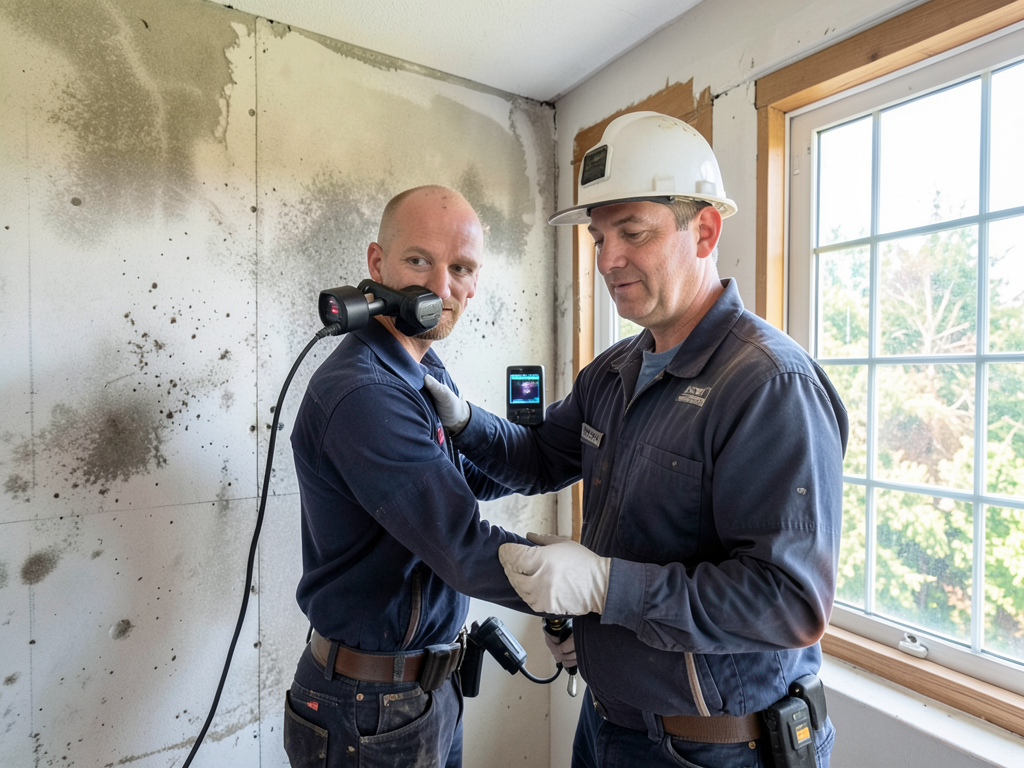
Document your symptoms and when they occur. Track whether symptoms worsen in specific rooms or improve when you leave the property. Hire a certified mold inspector to conduct moisture mapping using thermal imaging and moisture meters. Air quality testing identifies airborne spore counts and species present. Surface sampling from suspected growth areas provides additional data about colonization levels.
02

Medical Evaluation

Schedule an appointment with a physician trained in environmental medicine or functional medicine. Standard allergists may not recognize mycotoxin illness. Diagnostic testing includes urine mycotoxin panels, visual contrast sensitivity testing, and inflammatory markers like C4a and TGF-beta-1. Genetic testing for HLA-DR gene variations helps determine if you have impaired mold detoxification pathways. These results guide treatment protocols.
03

Remediation and Recovery

Professional remediation removes the mold source and contaminated materials. This process involves containment, HEPA filtration, antimicrobial treatment, and verification testing. You may need to relocate temporarily during extensive remediation. Recovery protocols include binders that attach to mycotoxins, supporting detoxification pathways, reducing inflammation, and addressing secondary infections. Full recovery can take months to years depending on exposure severity.

Why Jacksonville Residents Need Local Mold Expertise

Fortress Water Damage Restoration Jacksonville understands the specific challenges our climate presents. We respond to water damage calls throughout Duval County, from Riverside and Avondale's historic homes to the newer construction in Nocatee and Bartram Park. Each neighborhood has distinct vulnerability points.

Older Jacksonville homes often have inadequate vapor barriers and outdated plumbing systems. The Historic Springfield and San Marco districts feature pier and beam foundations that create crawl spaces where moisture accumulates unnoticed. We frequently find mold growth on floor joists and subfloors in these areas.

Coastal neighborhoods like Atlantic Beach and Neptune Beach face salt air corrosion that compromises building envelopes. Wind-driven rain during tropical systems forces water through microscopic gaps in siding and flashing. This moisture becomes trapped in wall cavities where mold colonizes out of sight.

Jacksonville's flat topography and clay soil create drainage challenges. Properties in low-lying areas like Arlington and Northside experience periodic flooding. Even minor flooding can saturate insulation and drywall, creating conditions for mold growth long after visible water recedes.

We use moisture meters calibrated for Jacksonville's typical humidity levels. Our thermal imaging identifies temperature differentials that indicate hidden moisture. We understand local building codes and work with insurance adjusters familiar with Northeast Florida claim procedures.

Our team recognizes that mold toxicity is a serious health concern, not just a cosmetic issue. We document findings thoroughly and communicate clearly about what we find. When remediation is necessary, we follow IICRC S520 standards for mold remediation. We also coordinate with indoor environmental professionals and medical providers when clients need comprehensive testing and treatment.

Local expertise matters because generic approaches miss location-specific risk factors.

What to Expect When Addressing Mold Toxicity Concerns

Response Time and Availability

We provide consultations within 24 hours for suspected mold issues. Time matters when you are experiencing health symptoms. Our team arrives with moisture detection equipment and can perform preliminary visual assessment immediately. We schedule comprehensive testing based on initial findings. If active water intrusion is occurring, we stop the moisture source first, then address mold growth. Emergency water extraction prevents additional colonization. We maintain relationships with certified mold inspectors who can conduct independent testing when documentation is needed for medical or legal purposes.

Assessment and Testing Process

Our assessment begins with a detailed interview about your symptoms, when they started, and where they occur. We inspect the entire property, not just obvious problem areas. Thermal imaging reveals temperature anomalies that indicate moisture. Moisture meters provide quantitative data about material saturation levels. We document findings with photographs and detailed notes. Air sampling captures airborne spore counts. Surface sampling identifies species on suspected growth areas. We explain findings in clear terms and provide written reports. If testing reveals elevated spore counts or toxic species, we develop a remediation plan that addresses both visible growth and hidden contamination.

Remediation Outcomes

Proper remediation eliminates the mold source and prevents recurrence. We remove contaminated materials that cannot be cleaned, including drywall, insulation, and carpeting. Structural components like framing lumber can often be treated and retained. We use HEPA filtration during the entire process to prevent spore dispersal. Antimicrobial treatments kill remaining surface mold. After remediation, we conduct clearance testing to verify spore counts have returned to normal levels. We also address the underlying moisture problem through repairs, improved ventilation, or drainage solutions. The goal is creating a dry environment where mold cannot re-establish.

Post-Remediation Support

We provide documentation of all work performed, which is valuable for medical providers treating mold illness. Our reports include before and after photos, moisture readings, and clearance test results. We educate you about maintaining proper humidity levels and recognizing early warning signs of moisture problems. We recommend using dehumidifiers in Jacksonville's humid climate, especially during summer months. Regular HVAC maintenance prevents condensation in ductwork. We remain available for follow-up questions and can conduct periodic moisture checks to ensure problems have not returned. Understanding mold toxicity includes knowing how to prevent future exposure.

Frequently Asked Questions

You Have Questions,
We Have Answers

What are the 10 warning signs of mold toxicity? +

Common warning signs include persistent respiratory issues like coughing or wheezing, chronic fatigue that doesn't improve with rest, unexplained headaches, difficulty concentrating or brain fog, skin rashes or irritation, sinus congestion, watery or itchy eyes, mood changes like anxiety or depression, muscle aches, and digestive problems. In Jacksonville's humid climate, mold grows fast in poorly ventilated spaces after water damage or flooding. If you notice multiple symptoms appearing after moving into a home or following water intrusion, take it seriously. Document your symptoms and contact a medical professional while addressing the moisture source immediately.

How do you know if you have mold toxicity in your body? +

Your body sends clear signals when exposed to mold. Watch for respiratory symptoms that worsen at home but improve when you leave. Chronic sinus issues, persistent coughs, unexplained fatigue, and cognitive difficulties like memory problems are red flags. Jacksonville residents often experience intensified symptoms during humid summer months when mold thrives. Pay attention to timing. Do symptoms appear after spending time in specific rooms like basements or bathrooms? Does breathing feel easier outside your home? A functional medicine doctor or allergist can order specific blood tests measuring mycotoxins or inflammatory markers to confirm mold exposure and guide treatment.

Can mold cause heartburn? +

Yes, mold exposure can trigger heartburn and acid reflux symptoms. Mold spores and mycotoxins irritate your digestive tract lining, causing inflammation that leads to stomach acid issues. The immune response to mold creates systemic inflammation affecting your entire gastrointestinal system. Some people experience worsening heartburn when sleeping in mold-contaminated bedrooms because lying down allows stomach acid to move up the esophagus while breathing concentrated spores overnight. If your heartburn medications stop working or symptoms suddenly worsen without dietary changes, inspect your home for hidden water damage. Jacksonville's humidity creates perfect conditions for mold growth behind walls and under flooring.

Can mold cause migraines? +

Mold exposure frequently triggers migraines and severe headaches. Mycotoxins produced by certain mold species cause neurological inflammation affecting your brain's pain receptors. The immune system's inflammatory response to mold spores also dilates blood vessels, a known migraine trigger. Jacksonville residents dealing with post-hurricane water damage or chronic air conditioning condensation issues often report increased migraine frequency. If your migraines intensify at home, occur more often in specific rooms, or improve when you leave the house for extended periods, mold could be the culprit. Address moisture problems immediately and consult a neurologist familiar with environmental triggers for proper migraine management.

How to flush mold out of your system? +

Flushing mold from your system requires a multi-step approach. First, eliminate the exposure source by professionally remediating mold in your home. Increase water intake to help kidneys filter toxins. Eat fiber-rich foods and consider activated charcoal or bentonite clay binders that trap mycotoxins for elimination. Support liver detoxification with cruciferous vegetables. Sweating through exercise or sauna sessions helps release toxins through skin. Work with a functional medicine doctor who can prescribe specific binders, recommend appropriate supplements, and monitor detox progress through lab work. Recovery timelines vary based on exposure duration and individual health. Never attempt aggressive detox protocols without medical supervision.

Can air purifiers remove mold spores? +

Air purifiers with true HEPA filters capture mold spores from circulating air, reducing airborne concentrations significantly. However, purifiers do not remove mold growing on surfaces or hidden behind walls. They provide symptom relief by reducing spore inhalation but never substitute for proper mold remediation. In Jacksonville's humid climate, pair air purifiers with dehumidifiers to prevent new growth. Position purifiers in bedrooms and main living areas for maximum benefit. Choose units with activated carbon filters to absorb musty odors. Replace filters according to manufacturer schedules since saturated filters lose effectiveness. Air purifiers work best as part of comprehensive moisture control and professional mold removal strategies.

What kills mold permanently? +

Nothing kills mold permanently without addressing the moisture source. Mold spores exist everywhere and will regrow wherever water and organic materials meet. Professional remediation involves removing contaminated materials, HEPA vacuuming spores, treating surfaces with antimicrobial solutions, and fixing water problems. Concrobium, hydrogen peroxide, and professional-grade biocides kill surface mold effectively. However, porous materials like drywall and insulation require removal, not cleaning. After treatment, control indoor humidity below 50 percent using dehumidifiers. Fix roof leaks, improve ventilation, and redirect exterior drainage. Jacksonville's year-round humidity demands constant vigilance. Professional remediation ensures thorough treatment that DIY approaches miss, preventing costly recurring problems.

How do I test myself for mold toxicity? +

Testing for mold toxicity requires working with a healthcare provider familiar with environmental illness. Request a mycotoxin urine test from specialty labs like Great Plains Laboratory or RealTime Laboratories. These tests detect specific mold toxins your body excretes. Blood tests measuring inflammatory markers, immune system reactions, or specific antibodies to mold species provide additional data. Some doctors order visual contrast sensitivity tests since mold toxins affect optic nerve function. Before testing, document your symptoms, photograph visible mold in your home, and note when symptoms worsen. Functional medicine doctors and environmental medicine specialists offer the most comprehensive testing and treatment protocols for mold-related illness.

What does mold in a house make you feel like? +

Living in a moldy house often feels like having constant flu symptoms that never resolve. You might experience persistent fatigue no matter how much you sleep, brain fog making concentration difficult, and respiratory irritation causing coughing or throat clearing. Many people describe feeling worse at home but better after spending time elsewhere. Jacksonville residents frequently report allergy-like symptoms year-round, worsening headaches, unexplained muscle aches, and mood changes like increased anxiety or irritability. You might notice musty odors in certain rooms or see visible growth on walls, ceilings, or around windows. If you feel consistently unwell without clear cause, inspect your home for water damage or excessive humidity.

Can mold affect your bowel movements? +

Yes, mold exposure disrupts digestive function and bowel movements. Mycotoxins damage intestinal lining, causing inflammation that leads to diarrhea, constipation, or alternating patterns. Some people develop increased bowel urgency or cramping. Mold exposure also alters gut bacteria balance, worsening digestive symptoms. The inflammatory response affects your entire gastrointestinal tract from stomach to colon. If you notice sudden changes in bowel habits without dietary explanations, especially alongside other symptoms like fatigue or respiratory issues, consider environmental mold exposure. Jacksonville's humid conditions promote rapid mold growth after water events. Address moisture problems quickly and consult a gastroenterologist if digestive symptoms persist after mold remediation.

Jacksonville's Subtropical Climate and Mold Growth Patterns

Jacksonville receives an average of 52 inches of rain annually, concentrated between June and September. Afternoon thunderstorms during these months create repeated cycles of high humidity. Indoor relative humidity above 60 percent supports mold growth. Our proximity to the Atlantic Ocean and St. Johns River adds moisture to the air. Hurricane season brings additional risks. Even tropical storms that do not make direct landfall can produce heavy rain and wind that drives water into buildings. These climate factors make Jacksonville residents particularly vulnerable to mold colonization and mycotoxin exposure.

Fortress Water Damage Restoration Jacksonville has served this community for years, responding to flood events, plumbing failures, and storm damage. We understand how mold behaves in our climate and building types. We work with local indoor environmental professionals who conduct independent mold testing. We maintain relationships with physicians in the area who treat mold illness. This network approach ensures you receive comprehensive support. Choosing a local restoration company means working with people who understand Jacksonville-specific challenges and have established relationships with other professionals you may need during recovery.

Water Damage Restoration Services in The Jacksonville Area

Conveniently located to serve the entire region, Fortress is committed to reaching you swiftly when water damage strikes. Our centralized presence allows us to deploy rapid response teams across the service area, ensuring that expert assistance is always just a call away. Explore our location and service radius to see how we can provide immediate, professional water damage restoration solutions directly to your doorstep, minimizing disruption and expediting recovery.

Address:
Fortress Water Damage Restoration Jacksonville, 10752 Deerwood Park Blvd Suit 100, Jacksonville, FL, 32256

Additional Services We Offer

Our news updates

Latest Articles & News from The Blogs

Why Your New Bidet Attachment Might Be Slowly Flooding Your Girvin Bathroom Floor Your bathroom floor feels damp and you…

Why Your New Bidet Attachment Might Be Slowly Flooding Your Girvin Bathroom Floor

Why Your New Bidet Attachment Might Be Slowly Flooding Your Girvin Bathroom Floor Your bathroom floor feels damp and you…

How to Properly Shut Down Your Plumbing Before Leaving Isle of Palms for the Summer

How to Properly Shut Down Your Plumbing Before Leaving Isle of Palms for the Summer Summer vacation should mean relaxation…

The Hidden Meaning Behind Peeling Wallpaper and Bubbling Paint in Lackawanna Homes

The Hidden Meaning Behind Peeling Wallpaper and Bubbling Paint in Lackawanna Homes Peeling wallpaper and bubbling paint in Lackawanna homes…

Contact Us

If you are experiencing unexplained health symptoms and suspect mold exposure, contact Fortress Water Damage Restoration Jacksonville at (904) 839-6500. We provide thorough assessments and clear explanations of what we find. Do not wait while symptoms worsen.