




Menu

Soggy Insulation in Jacksonville | Fast Detection and Complete Removal Before Mold Takes Hold

Jacksonville homeowners face a hidden threat when soggy insulation goes undetected. Our restoration team identifies saturated materials fast, removes contaminated fibers, and restores your attic or crawlspace before structural damage spreads.

Slider Image 1
Slider Image 2
Slider Image 3
Slider Image 4
Slider Image 5
Slider Image 7
Slider Image 8
Slider Image 9
Slider Image 10
Slider Image 11

Why Jacksonville's Climate Turns Wet Insulation into a Health Hazard

Jacksonville's humid subtropical climate creates the perfect conditions for insulation problems. When roof leaks, plumbing failures, or storm intrusion allow water to reach your attic or crawlspace, fiberglass and cellulose fibers absorb moisture like a sponge. The combination of high humidity and temperatures above 80 degrees for much of the year means damp insulation rarely dries on its own.

Water damaged insulation loses its thermal resistance within hours. Your HVAC system works harder, utility bills spike, and the saturated material becomes a breeding ground for mold spores. In Jacksonville's coastal air, mold can colonize soaked insulation within 24 to 48 hours. You may notice a musty odor, discolored ceiling patches, or unexplained respiratory irritation before you even realize the problem exists.

The St. Johns River corridor and proximity to the Atlantic bring additional moisture challenges. Homes in Riverside, San Marco, and the Beaches neighborhoods face elevated risk from both storm surge and chronic humidity. When insulation becomes saturated, the weight can compromise ceiling drywall, damage electrical wiring, and create liability issues if left untreated.

Most homeowners discover soggy insulation too late. By the time visible staining appears, the contamination has often spread across multiple bays. The key is rapid response. The longer wet insulation remains in contact with framing members, the greater the risk of wood rot and structural compromise.

Why Jacksonville's Climate Turns Wet Insulation into a Health Hazard
How We Remove and Replace Contaminated Insulation

How We Remove and Replace Contaminated Insulation

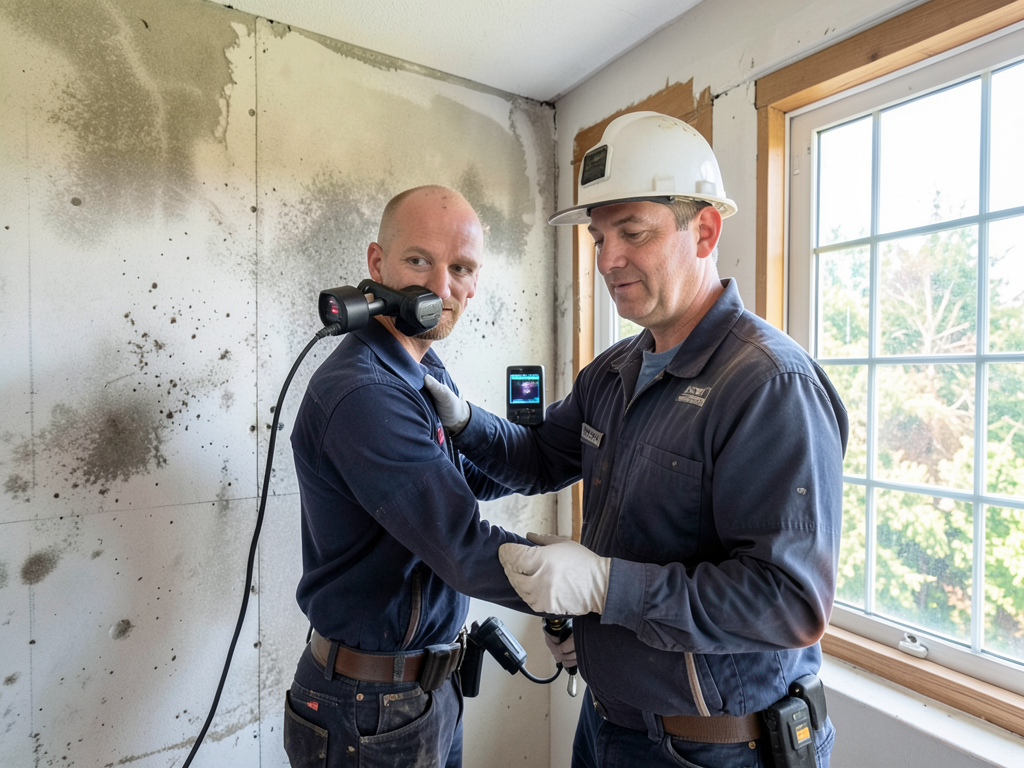
Our process begins with moisture mapping using thermal imaging cameras and penetrating moisture meters. We identify not just the visible damage, but the full extent of saturation hidden behind drywall and sheathing. In Jacksonville homes, we often find secondary wetting in wall cavities where condensation has tracked down from attic spaces.

We establish containment barriers before removal begins. Wet insulation releases particulates and potential mold spores during extraction, so we use negative air machines with HEPA filtration to protect living spaces. Our technicians wear respirators and protective suits, treating all saturated insulation as contaminated material.

Fiberglass batts and blown cellulose come out in sealed bags. We inspect the underlying structure for staining, mold growth, and moisture retention in the wood framing. If we find active mold, we apply antimicrobial treatments to studs, joists, and sheathing before proceeding. In many Jacksonville homes built before 1990, we discover inadequate vapor barriers that contributed to the original moisture intrusion.

Once the cavity is clean and dry, we verify moisture content below 15 percent using pin-type meters. We never install new insulation over damp framing. If necessary, we deploy commercial dehumidifiers and air movers for 24 to 72 hours to bring the space to acceptable levels.

Replacement insulation is selected based on the specific application. Spray foam works well in crawlspaces with persistent humidity issues. Blown fiberglass suits most attic applications. We match or exceed the original R-value and ensure proper ventilation to prevent future moisture problems. Every installation includes documentation for insurance claims and future home sales.

What Happens When We Handle Your Insulation Emergency

Soggy Insulation in Jacksonville | Fast Detection and Complete Removal Before Mold Takes Hold
01

Immediate Damage Assessment

We arrive within hours of your call and deploy thermal imaging to map moisture distribution across the affected area. Our technicians measure humidity levels in the cavity space and document the saturation pattern. You receive photos and moisture readings before we begin extraction, so you understand the scope and can file accurate insurance claims.
02

Contaminated Material Removal

We set up HEPA-filtered containment and extract all saturated insulation, bagging it for proper disposal. Our team inspects framing members for mold colonization and applies antimicrobial treatments where needed. If we find compromised wood, we notify you immediately so structural repairs can be coordinated. The affected space is left clean, dry, and ready for restoration.
03

Dry Installation and Verification

After confirming moisture levels are acceptable, we install new insulation to match or exceed your home's original thermal rating. We verify proper ventilation, seal any air leaks, and document the final installation. You receive a completion report with photos, moisture readings, and material specifications for your records. We follow up within two weeks to confirm no new moisture issues have appeared.

Why Jacksonville Homeowners Trust Fortress Water Damage Restoration

Jacksonville's building codes and climate demand specific knowledge. We understand how moisture moves through homes in Mandarin, Southside, and Arlington. We know which roof designs shed water poorly, which HVAC installations create condensation problems, and how inadequate attic ventilation accelerates insulation failure.

Our technicians hold IICRC certifications in water damage restoration and applied structural drying. We are not general contractors who handle insulation as a side service. We specialize in moisture intrusion, which means we identify and correct the source problem, not just the symptom. If your soggy insulation resulted from a roof leak, failed flashing, or plumbing failure, we coordinate with licensed contractors to ensure the issue is fixed before we close up the space.

We work directly with insurance adjusters throughout Duval County. Our documentation meets carrier requirements for coverage, and we provide detailed estimates that align with Xactimate pricing. Most homeowners find their insulation replacement is covered under their policy, and we handle the paperwork to streamline your claim.

Fortress Water Damage Restoration Jacksonville operates 24 hours a day because water does not wait for business hours. When you call our emergency line, you reach a trained technician, not an answering service. We dispatch crews immediately, often arriving on-site within 90 minutes.

We have restored homes across Jacksonville's diverse neighborhoods, from historic bungalows in Springfield to modern builds in Nocatee. We understand the construction methods, materials, and moisture challenges specific to each era and area. That local knowledge translates to faster diagnosis, more accurate repairs, and fewer callbacks. You get it done right the first time.

What to Expect When You Call Us for Soggy Insulation

Rapid Response Time

We dispatch crews 24 hours a day, 7 days a week, with most teams arriving on-site within 90 minutes. Emergency calls receive priority scheduling. Our technicians carry full diagnostic equipment in every truck, so assessment begins immediately. You do not wait days for a consultation while mold colonizes your home. We understand that damp insulation becomes a health hazard fast, especially in Jacksonville's heat and humidity. Weekend and after-hours calls receive the same rapid response as weekday service.

Comprehensive Moisture Evaluation

Our initial assessment includes thermal imaging, moisture meter readings, and humidity testing in affected cavities. We identify the moisture source, whether it is roof intrusion, plumbing leaks, or HVAC condensation. You receive a written evaluation with photos and measurements before work begins. We explain what caused the saturation, what materials need removal, and what structural concerns exist. This diagnostic precision prevents surprises and ensures your insurance claim is accurate. Most evaluations are completed within 60 minutes.

Clean, Code-Compliant Installation

Once the space is verified dry, we install insulation that meets or exceeds Florida Building Code requirements for thermal resistance and fire safety. We use materials appropriate for Jacksonville's climate, including moisture-resistant options for crawlspaces and high-humidity areas. Every installation is photographed and documented. You receive a completion report with R-values, material specifications, and warranty information. Our work passes third-party inspections, and we stand behind the quality. If issues arise, we return to address them at no additional cost.

Post-Restoration Follow-Up

We schedule a follow-up inspection within two weeks of project completion to verify moisture levels remain stable and no new issues have developed. If we identified ventilation deficiencies or other contributing factors during the initial assessment, we confirm those corrections were made. You receive a final moisture report for your records. We also provide maintenance recommendations specific to your home's construction and location. Our goal is to prevent recurrence, not just treat the immediate problem. You have direct access to our team if questions arise after the job is complete.

Frequently Asked Questions

You Have Questions,
We Have Answers

Will wet insulation ever dry out? +

Wet insulation rarely dries properly on its own, especially in Jacksonville's high humidity climate. Fiberglass and cellulose insulation absorb water like a sponge and hold moisture against framing and drywall. Even if the surface dries, moisture trapped inside creates perfect conditions for mold growth and wood rot. Jacksonville's average 75% humidity slows evaporation dramatically. Attic temperatures can hit 140 degrees in summer, but humidity still prevents complete drying. The insulation loses R-value permanently once saturated. You need professional extraction, structural drying, and likely replacement to prevent long-term damage to your home.

Will mold grow in wet insulation? +

Yes, mold will grow in wet insulation. Jacksonville's warm, humid climate accelerates this process significantly. Wet insulation provides three things mold needs: moisture, organic material to feed on, and warm temperatures. Fiberglass insulation itself resists mold, but the paper backing, dust, and dirt trapped in the fibers become food sources. Cellulose insulation is even more vulnerable because it's made from recycled paper. Once mold colonizes insulation, it spreads to wood framing, drywall, and ductwork. The spores become airborne through your HVAC system, affecting indoor air quality throughout your home.

How long does it take for mold to grow on wet insulation? +

Mold can begin growing on wet insulation within 24 to 48 hours in Jacksonville's climate. The combination of 80-degree average temperatures and high humidity creates ideal conditions for rapid colonization. You won't see visible mold immediately, but microscopic spores start reproducing quickly. Within 72 hours, colonies establish and begin spreading. Attics and crawl spaces see even faster growth because temperatures spike higher and ventilation is limited. The paper backing on fiberglass batts molds first, followed by organic debris trapped in the material. Speed matters. Professional water extraction and drying within the first 24 hours prevents mold establishment.

Does insulation need to be replaced after water damage? +

Yes, insulation almost always needs replacement after water damage. Saturated insulation loses its R-value permanently and becomes a mold incubator in Jacksonville's humid climate. Fiberglass batts compress when wet and never regain their insulating properties. Cellulose insulation clumps and deteriorates. Even if you dry the area, contamination from floodwater, sewage, or mold makes the material unsafe. Wet insulation also damages surrounding materials by holding moisture against wood framing and drywall, causing rot and structural issues. Replacement costs less than dealing with mold remediation, energy loss, and hidden structural damage down the road.

How to fix wet insulation? +

Fixing wet insulation requires complete removal in most cases. First, identify and stop the water source, whether it's a roof leak, burst pipe, or HVAC condensation issue common in Jacksonville homes. Remove all saturated insulation immediately to prevent mold growth. Inspect framing and sheathing for moisture damage or rot. Use commercial dehumidifiers and air movers to dry structural components thoroughly. Treat any visible mold with antimicrobial solutions. Test moisture levels in wood framing with a moisture meter before installing new insulation. Replace with appropriate insulation type for Jacksonville's climate, ensuring proper vapor barriers to prevent future moisture problems.

Can mold grow on blown-in insulation? +

Yes, mold can grow on blown-in insulation. While cellulose blown-in insulation is treated with fire retardants and sometimes mold inhibitors, these treatments lose effectiveness when saturated. The recycled paper content provides food for mold spores. Jacksonville's attic humidity and heat create perfect growth conditions. Blown-in fiberglass resists mold better, but organic debris, dust, and dirt mixed in the material support mold colonization. Water intrusion from roof leaks, HVAC condensation, or hurricane damage saturates blown-in insulation quickly. The material compresses, loses R-value, and becomes difficult to dry thoroughly without professional extraction equipment.

Why is it hard to sell a house with spray foam insulation? +

Spray foam insulation concerns some Jacksonville buyers because of moisture trapping issues and inspection limitations. When improperly installed, closed-cell foam can seal in roof leaks or plumbing problems, hiding water damage until rot becomes severe. Buyers worry about removal costs if electrical or plumbing work is needed later. Some lenders require additional inspections because foam conceals structural issues inspectors normally check. In Jacksonville's hurricane zone, buyers want visible roof decking inspection capability. Open-cell foam can absorb water and hold moisture against framing. Proper installation with ventilation paths resolves most concerns, but buyer education remains challenging.

What are the symptoms of insulation sickness? +

Insulation sickness symptoms mirror mold exposure and indoor air quality issues common in Jacksonville homes. You may experience persistent respiratory problems, including coughing, wheezing, and shortness of breath. Headaches, fatigue, and difficulty concentrating occur frequently. Skin irritation, rashes, and itchy eyes develop from airborne fiberglass particles or mold spores. Some people experience sinus congestion that won't clear. Symptoms worsen when you're home and improve when you leave. Contaminated insulation releases particulates and mold spores through HVAC systems. If multiple family members show these symptoms simultaneously, inspect your insulation for water damage or mold growth.

How do Japanese bathrooms not get mold? +

Japanese bathrooms resist mold through superior ventilation, drainage, and materials uncommon in Jacksonville construction. They separate wet and dry zones completely, keeping moisture contained. Exhaust fans run continuously, not just during showers. Walls use water-resistant panels instead of drywall. Floors slope to central drains that remove standing water immediately. Heated floors and walls dry surfaces quickly after use. They apply antimicrobial coatings to grout and caulk. Most importantly, they prioritize air circulation and immediate moisture removal rather than relying on absorption. Jacksonville's building codes don't require these features, but homeowners can adopt ventilation and drainage principles.

What are the first signs of mold sickness? +

The first signs of mold sickness include persistent respiratory symptoms and unexplained fatigue. You'll notice a cough that won't go away, especially worse at night or morning. Sinus congestion, headaches, and itchy, watery eyes occur frequently. Many Jacksonville residents dismiss these as allergies to pollen or humidity. You may feel tired regardless of sleep quality. Skin rashes or irritation develop without clear cause. Symptoms improve significantly when you leave home for extended periods. Children and elderly family members often show symptoms first because their immune systems are more vulnerable. If multiple household members experience similar symptoms, inspect for hidden water damage and mold growth.

How Jacksonville's Hurricane Season Makes Soggy Insulation a Recurring Threat

Jacksonville sits in a high-risk zone for tropical storms and hurricanes, with wind-driven rain penetrating roof valleys, soffit vents, and aging flashing. Storm surge from the Intracoastal and St. Johns River can push water into crawlspaces and low-lying attics. Even near-miss storms bring sustained winds that force rain through gaps most homeowners never notice. Once water saturates insulation during a weather event, the high ambient humidity prevents drying. Homes in Riverside, San Marco, and the Beaches face compounded risk from both storm exposure and year-round moisture. If your insulation gets wet during hurricane season, it stays wet without professional extraction.

Fortress Water Damage Restoration Jacksonville has restored homes after every major storm event in the past decade. We understand how water moves through Jacksonville's diverse housing stock, from concrete block construction in older neighborhoods to wood-frame builds in newer developments. Our technicians are trained in Florida-specific building codes and work closely with local adjusters who know the regional claim process. When you choose a local restoration company, you get expertise shaped by the same climate challenges you face. We are not learning on your property. We have seen these problems hundreds of times and know exactly how to fix them.

Water Damage Restoration Services in The Jacksonville Area

Conveniently located to serve the entire region, Fortress is committed to reaching you swiftly when water damage strikes. Our centralized presence allows us to deploy rapid response teams across the service area, ensuring that expert assistance is always just a call away. Explore our location and service radius to see how we can provide immediate, professional water damage restoration solutions directly to your doorstep, minimizing disruption and expediting recovery.

Address:
Fortress Water Damage Restoration Jacksonville, 10752 Deerwood Park Blvd Suit 100, Jacksonville, FL, 32256

Additional Services We Offer

Our news updates

Latest Articles & News from The Blogs

Why Your New Bidet Attachment Might Be Slowly Flooding Your Girvin Bathroom Floor Your bathroom floor feels damp and you…

Why Your New Bidet Attachment Might Be Slowly Flooding Your Girvin Bathroom Floor

Why Your New Bidet Attachment Might Be Slowly Flooding Your Girvin Bathroom Floor Your bathroom floor feels damp and you…

How to Properly Shut Down Your Plumbing Before Leaving Isle of Palms for the Summer

How to Properly Shut Down Your Plumbing Before Leaving Isle of Palms for the Summer Summer vacation should mean relaxation…

The Hidden Meaning Behind Peeling Wallpaper and Bubbling Paint in Lackawanna Homes

The Hidden Meaning Behind Peeling Wallpaper and Bubbling Paint in Lackawanna Homes Peeling wallpaper and bubbling paint in Lackawanna homes…

Contact Us

Do not wait for visible mold or structural damage. Call Fortress Water Damage Restoration Jacksonville at (904) 839-6500 right now. Our emergency crews are standing by to assess your home, remove contaminated insulation, and restore your attic or crawlspace before the problem spreads.