




Menu

Flood Cleanup & Extraction in Jacksonville – Fast Response Teams Dispatched 24/7 to Prevent Structural Loss

When floodwater invades your property, immediate flood cleanup and extraction services stop secondary damage. Our Jacksonville teams arrive fast with industrial-grade water removal equipment to protect your structure and belongings from permanent harm.

Slider Image 1
Slider Image 2
Slider Image 3
Slider Image 4
Slider Image 5
Slider Image 7
Slider Image 8
Slider Image 9
Slider Image 10
Slider Image 11

Why Jacksonville Homes and Businesses Face Urgent Flood Damage Risks

Jacksonville sits at the confluence of the St. Johns River and the Atlantic coast, making flooding a recurring threat. Tropical storms, hurricanes, and king tides regularly push water into neighborhoods like Riverside, San Marco, and the Southside. The city's low elevation and aging stormwater infrastructure compound the problem. When floodwater breaches your property, you have a narrow window to prevent catastrophic damage.

Standing water soaks into drywall, subflooring, and framing within hours. Jacksonville's year-round humidity accelerates microbial growth. Within 24 to 48 hours, mold colonies establish themselves behind walls and under flooring. Porous materials like insulation and carpet padding trap moisture, creating hidden reservoirs that continue damaging the structure long after visible water recedes.

Flood cleanup and extraction services target this critical early window. Emergency water extraction removes standing water before it migrates deeper into building materials. Water mitigation services include rapid drying, dehumidification, and antimicrobial treatment to halt secondary damage. Every hour you delay increases restoration costs and decreases the chance of salvaging contents. Professional water removal services use truck-mounted extractors, commercial air movers, and thermal imaging to find hidden moisture pockets that household equipment misses. Flood damage restoration is not a cleanup task. It is a race against physics, biology, and time.

Why Jacksonville Homes and Businesses Face Urgent Flood Damage Risks
Our Systematic Approach to Flood Cleanup and Water Extraction

Our Systematic Approach to Flood Cleanup and Water Extraction

Fortress Water Damage Restoration Jacksonville uses a phased extraction protocol designed for Jacksonville's specific flood conditions. We do not just remove visible water. We target moisture saturation in building assemblies, measure vapor pressure differentials, and adjust drying strategies based on real-time psychrometric data.

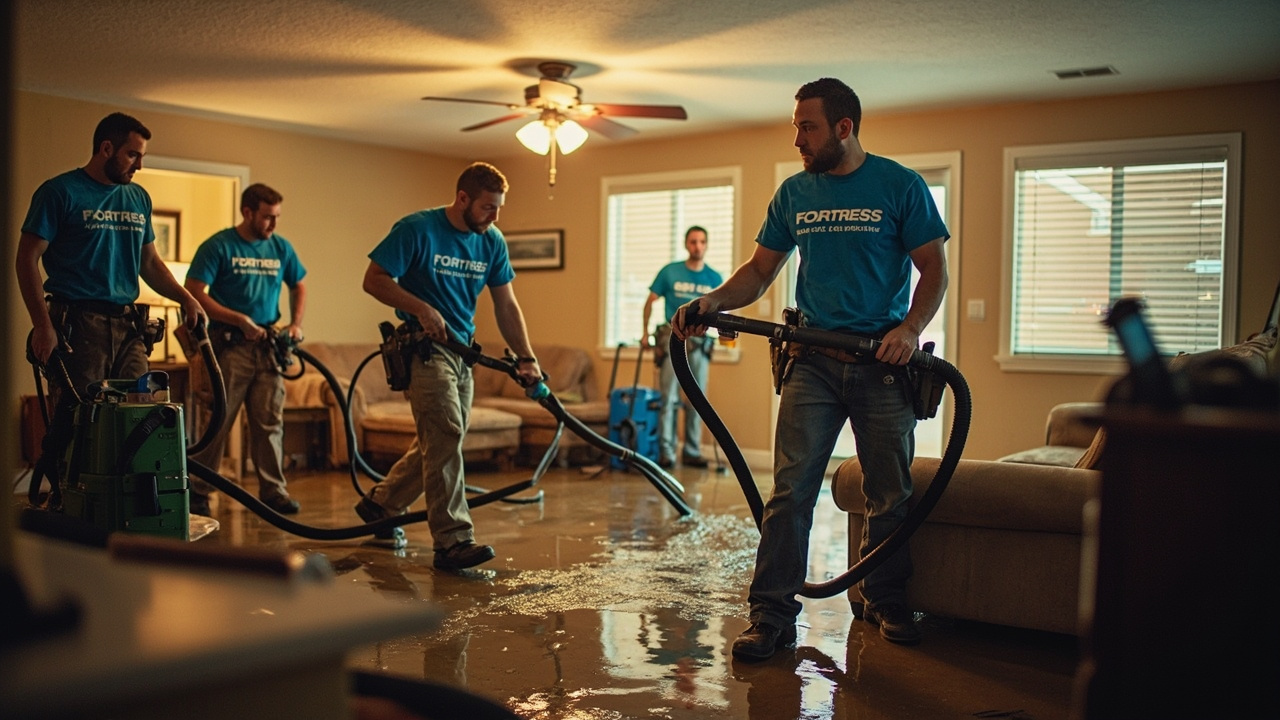
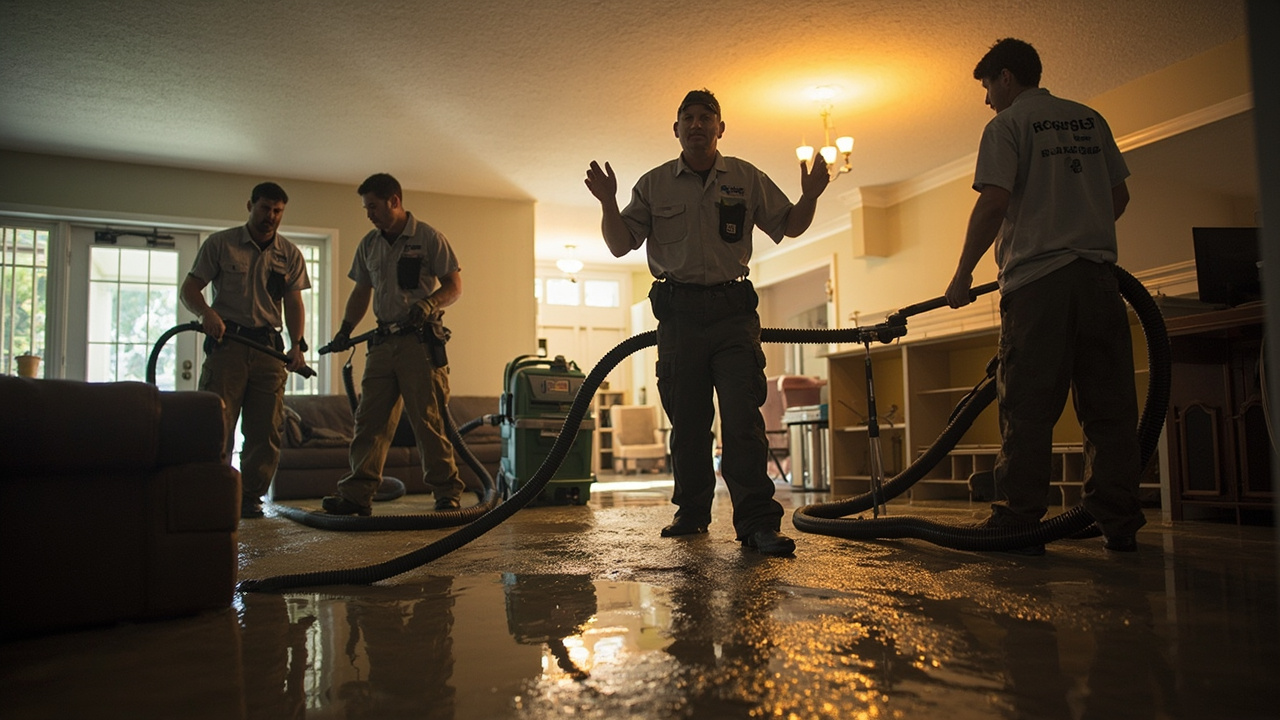
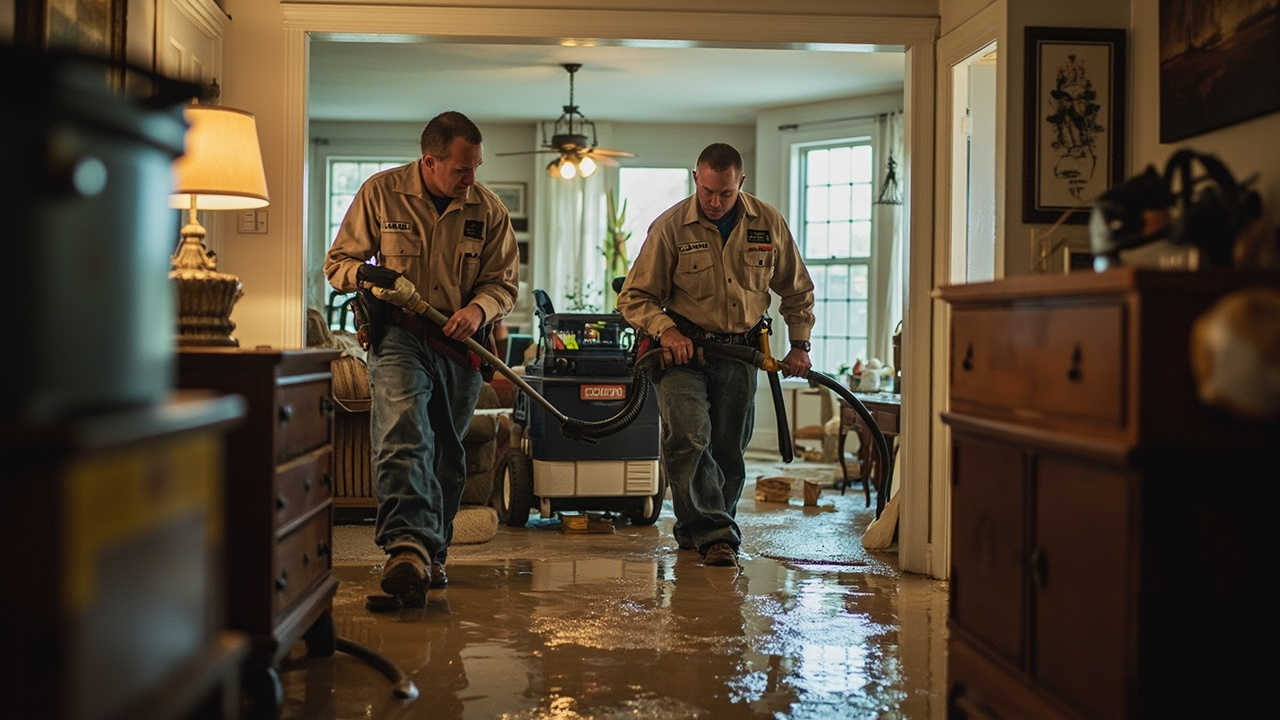
Our technicians arrive with truck-mounted extractors capable of pulling thousands of gallons per hour. We use weighted extraction wands for carpeting and hard surface squeegees for tile and concrete. For category three floodwater containing sewage or chemical contaminants, we deploy containment barriers and negative air machines to prevent cross-contamination during extraction.

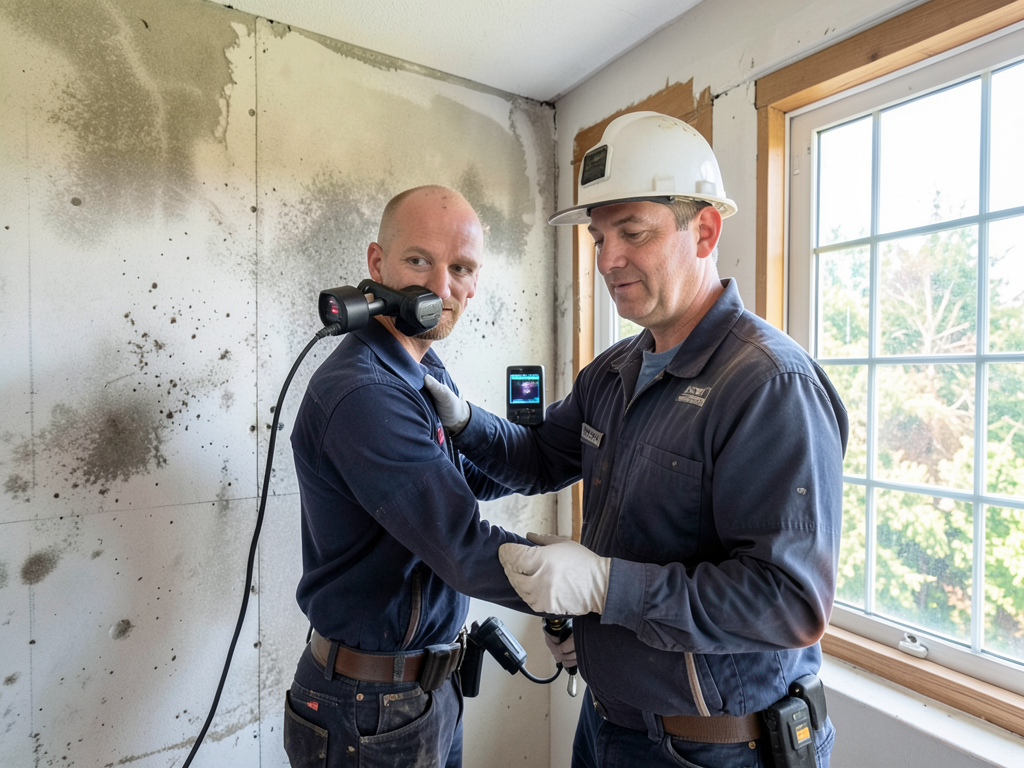
After bulk water removal, we measure moisture content in structural materials using penetrating pin meters and non-invasive thermal imaging. Drywall, subflooring, and framing each have specific moisture thresholds. We map these readings to create a drying plan tailored to your structure. High-velocity air movers create airflow across wet surfaces while commercial dehumidifiers pull moisture from the air. We monitor the drying process every 12 to 24 hours, adjusting equipment placement and airflow patterns until materials reach equilibrium moisture content.

We treat affected areas with EPA-registered antimicrobials to inhibit microbial amplification. In cases where category three water contacted porous materials like drywall or insulation, we remove and dispose of contaminated materials per IICRC S500 standards. This prevents hidden mold growth and ensures your property meets safe reoccupancy standards. Water damage cleanup is forensic work requiring precision, not speed alone.

What Happens During Your Flood Extraction Service

Flood Cleanup & Extraction in Jacksonville – Fast Response Teams Dispatched 24/7 to Prevent Structural Loss
01

Emergency Water Extraction

We arrive with truck-mounted extractors and portable pumps to remove standing water immediately. Our teams work room by room, extracting water from carpets, hard surfaces, and structural cavities. We document water depth and contamination level to determine salvageability of affected materials. This first step prevents further absorption into walls and subflooring, limiting the scope of structural damage.
02

Structural Drying and Monitoring

After extraction, we place commercial air movers and dehumidifiers to create controlled drying conditions. We measure moisture levels in walls, flooring, and ceilings using calibrated meters and thermal cameras. Our technicians return daily to monitor progress, adjusting equipment placement and airflow to target areas with high moisture retention. This phase typically runs three to five days depending on saturation levels and material types.
03

Final Verification and Documentation

Once moisture readings return to normal, we conduct a final inspection to verify all structural materials have reached safe moisture levels. We document pre-loss conditions, extraction activities, and final readings for your insurance claim. We provide a detailed scope of remaining restoration work, including drywall replacement, flooring reinstallation, and antimicrobial treatment. This documentation ensures transparency and supports your claim submission.

Why Jacksonville Property Owners Choose Local Flood Restoration Experts

Fortress Water Damage Restoration Jacksonville responds to flood calls across Duval County, from the beaches to the Westside. We understand how the St. Johns River behaves during storm surges and how tidal flooding impacts homes near the Intracoastal. Our technicians know which Jacksonville neighborhoods have aging cast iron plumbing that fails during floods and which areas have high water tables that complicate drying.

We maintain relationships with local insurance adjusters, engineers, and building inspectors. This network accelerates your claim process and ensures restoration work meets local code requirements. Jacksonville amended its flood ordinances after Hurricane Irma, requiring specific reconstruction standards for properties in Special Flood Hazard Areas. We design restoration plans that comply with these updated codes, preventing future permitting issues or insurance disputes.

Our equipment fleet includes specialized tools for Jacksonville's climate. High-grain refrigerant dehumidifiers handle the ambient humidity that slows drying in coastal areas. We use low-grain desiccant dehumidifiers for situations requiring aggressive moisture removal, such as concrete slab drying or crawl space flooding. Our truck-mounted extractors handle the volume of water typical in riverfront flooding, where water depths can exceed 12 inches.

We prioritize communication during the chaos of flood recovery. You receive daily updates on drying progress, moisture readings, and timeline adjustments. We coordinate with your insurance carrier, providing documentation and answering technical questions about the restoration process. This reduces your administrative burden during an already stressful situation. Local expertise matters when floodwater threatens your largest asset.

What to Expect When You Call for Flood Extraction Services

Immediate Dispatch and Arrival Time

When you call (904) 839-6500, we dispatch a crew immediately. Most Jacksonville locations see arrival within 60 to 90 minutes, depending on traffic and weather conditions. Our trucks carry extraction equipment, moisture meters, and containment supplies, eliminating the need for return trips. We work through the night if necessary to remove standing water before it causes irreversible damage. Speed matters in flood situations. Every hour of delayed extraction increases restoration costs and decreases the likelihood of salvaging structural materials and contents.

Comprehensive Damage Assessment and Moisture Mapping

After extraction, we conduct a detailed assessment using moisture meters, thermal imaging, and hygrometers. We measure moisture content in walls, ceilings, and flooring to identify hidden saturation. We classify water damage by contamination level (category one, two, or three) and document affected areas with photographs and diagrams. This assessment forms the basis for your drying plan and insurance claim. We provide a written scope detailing equipment needs, estimated drying time, and any required demolition of non-salvageable materials.

Controlled Drying to Industry Standards

We do not guess when materials are dry. We use IICRC S500 drying standards, which specify target moisture content for wood, drywall, concrete, and other materials. Our technicians monitor conditions daily, recording temperature, humidity, and moisture readings. We adjust air mover placement and dehumidifier output based on these readings. The result is thorough drying that prevents mold growth and structural weakening. You receive documentation showing moisture levels dropped to safe thresholds, which satisfies insurance requirements and provides peace of mind.

Post-Drying Support and Reconstruction Coordination

Once drying is complete, we coordinate reconstruction activities. This includes drywall replacement, flooring reinstallation, and paint restoration. We work with licensed contractors who understand Jacksonville building codes and flood resilience requirements. If your insurance claim requires additional documentation or supplemental estimates, we provide detailed breakdowns and photographic evidence. Our goal is to return your property to pre-loss condition while ensuring all work meets code and manufacturer specifications for materials exposed to flood conditions.

Frequently Asked Questions

You Have Questions,
We Have Answers

How much does it cost to clean up a flooded basement? +

Flooded basement cleanup in Jacksonville typically ranges from several hundred to several thousand dollars, depending on water volume, contamination level, and structural damage. Clean water extraction costs less than sewage backup cleanup. Key cost factors include water category (clean, gray, or black water), square footage, extent of mold growth, and materials needing removal. Jacksonville's high humidity accelerates mold spread, often increasing costs if you delay. Many restoration companies offer free inspections and work directly with your insurance carrier to minimize out-of-pocket expenses. Get multiple estimates and confirm the company uses commercial-grade extraction equipment and thermal imaging to detect hidden moisture in foundation walls.

How much does disaster cleanup cost? +

Disaster cleanup costs vary widely based on damage type and scope. Water damage extraction and drying typically cost less than fire or hurricane restoration. In Jacksonville, storm surge flooding from coastal hurricanes often involves contaminated water, increasing cleanup costs due to necessary sanitization and material disposal. Factors affecting price include square footage, water category, structural damage, mold remediation needs, and content restoration. Emergency callouts after hurricanes may have premium rates. Most licensed restoration companies provide itemized estimates and document damage for insurance claims. The faster you act, the lower your total costs, as Jacksonville's climate promotes rapid mold colonization within 24 to 48 hours of water exposure.

Does flood insurance pay for clean up? +

Flood insurance through the National Flood Protection Program covers structural cleanup and repairs from external flooding events, including extraction, drying, and restoration of covered building elements. Standard flood policies cover the building structure but limited contents unless you purchased separate contents coverage. Cleanup from internal sources like burst pipes falls under homeowners insurance, not flood insurance. In Jacksonville, properties in FEMA flood zones near the St. Johns River or coastal areas should carry flood coverage. File your claim immediately with photos and documentation. Flood policies typically have a 30-day waiting period, so purchase before hurricane season. Review your specific policy language, as coverage limits and deductibles vary.

What's the best way to clean up after a flood? +

The best flood cleanup starts with safety. Turn off electricity and gas if safe to do so. Document all damage with photos before touching anything. In Jacksonville, remove standing water immediately using pumps or wet vacuums to prevent mold in the humid climate. Remove soaked materials like carpet padding, drywall below the waterline, and insulation. Use commercial dehumidifiers and air movers to dry structural elements completely. Disinfect all surfaces exposed to floodwater, especially if contaminated. Monitor moisture levels with meters, not guesswork. Jacksonville's humidity demands aggressive drying, often taking three to five days minimum. For significant flooding, hire certified restoration professionals with truck-mounted extraction equipment and thermal imaging cameras.

Will homeowners insurance cover a flooded basement? +

Homeowners insurance typically covers basement flooding from sudden internal failures like burst pipes, water heater leaks, or sump pump malfunctions, but excludes external groundwater seepage or surface flooding. Read your policy carefully. Many carriers add specific basement coverage limits or exclude finished basements entirely. In Jacksonville, where basements are rare due to high water tables and sandy soil, this question often applies to ground-level flooding. Coverage depends on the water source. Sudden pipe breaks are covered. Slow seepage from poor drainage is not. Sewer backup requires separate endorsement. File claims promptly with detailed documentation and avoid admitting negligence or deferred maintenance when speaking with adjusters.

How long does it take to dry out a basement after a flood? +

Proper basement drying takes three to seven days using professional equipment, though Jacksonville's climate and specific conditions affect timelines. Concrete foundations absorb water deeply, requiring extended drying. Variables include water volume, humidity levels, airflow, temperature, and affected materials. Standing water removal is just the start. Structural drying involves eliminating moisture trapped in walls, floors, and framing. Jacksonville's average 75 percent humidity slows evaporation, demanding commercial dehumidifiers and air movers running continuously. Insulated walls take longer. Monitor progress with moisture meters, targeting readings below 15 percent. Rushing the process invites mold growth. Cold weather extends drying time. Never rely on feeling surfaces or visual inspection alone.

How much does Servpro cost to clean a basement? +

Servpro pricing varies by location, damage scope, and required services. Like most restoration companies, they charge based on water category, square footage, equipment needed, and labor hours. Jacksonville market rates for basement water extraction typically align with industry standards. They provide free inspections and work with insurance companies on direct billing. Expect costs to increase for contaminated water, extensive mold remediation, or emergency overnight services. Alternative local Jacksonville restoration companies often provide comparable service at competitive rates. Request itemized written estimates from multiple providers. Compare equipment quality, response time, and technician certifications. The cheapest bid may not deliver the fastest drying or most thorough documentation for your insurance claim.

Does insurance pay for storm clean up? +

Homeowners insurance covers storm cleanup from wind damage, such as fallen trees on your roof or debris removal, but excludes flood damage from rising water. In Jacksonville, hurricane damage often combines both. Wind-driven rain entering through roof damage is covered. Storm surge flooding requires separate flood insurance. Review your policy's debris removal limits, which cap reimbursement for tree and wreckage cleanup. Many Jacksonville policies include hurricane deductibles, often a percentage of your dwelling coverage rather than a flat amount. Document all damage immediately with photos. Separate wind damage from flood damage in your claim. Temporary tarping and emergency mitigation are typically covered to prevent additional damage after the initial storm event.

How much does it cost to remove water from a basement? +

Water removal from basements costs anywhere from a few hundred to several thousand dollars depending on volume, contamination level, and equipment required. Simple clean water extraction with minimal standing water costs less than sewage-contaminated flooding requiring disposal and sanitization. Jacksonville properties rarely have true basements due to high water tables, but ground-level flooding follows similar pricing. Costs include extraction equipment rental or service fees, labor, disposal, antimicrobial treatment, drying equipment, and moisture monitoring. Emergency services outside business hours carry premium rates. Many companies bill insurance directly. The faster you remove water, the lower your total restoration costs, as Jacksonville's humidity accelerates secondary damage like mold and wood rot.

What should you not say when making an insurance claim? +

Never tell insurance adjusters you delayed maintenance, ignored previous leaks, or knew about pre-existing damage. Avoid admitting fault or speculating about causes. Do not say damage happened weeks ago if filing now. Never exaggerate losses or submit false documentation. Refrain from accepting the first settlement without reviewing policy coverage limits. Do not sign forms releasing the carrier from further obligation until restoration is complete. In Jacksonville, never claim external flooding is internal pipe damage to bypass flood insurance requirements. Stick to facts. Provide documentation. Let evidence speak. Avoid casual conversations that get recorded and used against you. Consider hiring a public adjuster for large, complex claims involving structural damage or mold remediation.

How Jacksonville's Coastal Geography Intensifies Flood Cleanup Urgency

Jacksonville's position along the St. Johns River and Atlantic coast creates unique flood dynamics. The river flows north, making it susceptible to storm surge pushback during hurricanes. King tides and seasonal rainfall combine to flood low-lying neighborhoods like Ortega, Avondale, and Jacksonville Beach. The city's flat topography means water spreads horizontally rather than draining quickly, extending contact time with structures. Salt intrusion from coastal flooding accelerates corrosion of metal fasteners, electrical systems, and HVAC components. Emergency water extraction must happen within hours to prevent this accelerated deterioration, which is far more costly to repair than freshwater damage.

Fortress Water Damage Restoration Jacksonville has serviced flood events across Duval County for years, from tropical storm flooding in Riverside to tidal surge damage on the beaches. We understand how the local water table affects drying times and how Jacksonville's building stock, which includes many pre-1980s homes with poor vapor barriers, complicates moisture removal. Our technicians are trained in Florida-specific moisture control challenges, including the interaction between exterior humidity and interior drying conditions. This local expertise ensures faster, more effective flood damage restoration than out-of-area contractors unfamiliar with Jacksonville's environmental conditions.

Water Damage Restoration Services in The Jacksonville Area

Conveniently located to serve the entire region, Fortress is committed to reaching you swiftly when water damage strikes. Our centralized presence allows us to deploy rapid response teams across the service area, ensuring that expert assistance is always just a call away. Explore our location and service radius to see how we can provide immediate, professional water damage restoration solutions directly to your doorstep, minimizing disruption and expediting recovery.

Address:
Fortress Water Damage Restoration Jacksonville, 10752 Deerwood Park Blvd Suit 100, Jacksonville, FL, 32256

Additional Services We Offer

Our news updates

Latest Articles & News from The Blogs

Why water is leaking through your shower grout and ruining the Cedar Hills subfloor Water leaking through shower grout is…

Why water is leaking through your shower grout and ruining the Cedar Hills subfloor

Why water is leaking through your shower grout and ruining the Cedar Hills subfloor Water leaking through shower grout is…

How a leaking pool deck can secretly undermine the foundation of your Lakeshore property

When water seeps beneath a pool deck, it can quietly erode the soil beneath your home’s foundation. In Lakeshore, where…

Which pieces of water damaged furniture are actually worth saving in your Sunbeam home

Which Pieces of Water Damaged Furniture Are Actually Worth Saving in Your Sunbeam Home When water invades your Sunbeam home,…

Contact Us

Floodwater damages your property more with every passing hour. Call Fortress Water Damage Restoration Jacksonville at (904) 839-6500 for immediate dispatch. Our crews are standing by 24/7 with industrial extraction equipment ready to deploy. Stop the damage now.