Why Your Garage Floor Is Sweating From Gym Equipment
Your heavy gym equipment is creating a perfect storm for garage floor condensation in Jacksonville’s humid climate. When you place large metal weights or rubber mats on your concrete floor, they absorb heat from the room during the day. At night, when the concrete slab cools below the dew point, moisture in the air condenses on these cold surfaces, creating puddles that can lead to mold growth and structural damage. Water Damage Restoration Neptune Beach.
This phenomenon, called Sweating Slab Syndrome, is particularly common in Northeast Florida where average relative humidity stays above 75% year-round. The concrete acts like a sponge, pulling moisture from the ground below while your gym equipment creates thermal bridges that concentrate condensation in specific spots.
Call (904) 839-6500 today to schedule your inspection before the next storm hits.
The Science Behind Garage Floor Condensation
Concrete is a porous material that naturally absorbs and releases moisture based on environmental conditions. In Jacksonville’s coastal climate, the combination of high humidity and temperature fluctuations creates ideal conditions for condensation. When warm, moisture-laden air contacts the cold surface of your concrete slab or gym equipment, water vapor turns to liquid. Fast Flood Water Extraction for Jacksonville Beach Homeowners.
Heavy gym equipment exacerbates this problem by creating thermal mass that stays cooler than the surrounding air. Steel weight plates, dumbbells, and even rubber flooring can drop 10-15 degrees below ambient temperature overnight, especially in uninsulated garages. This temperature differential is what triggers condensation on your garage floor.
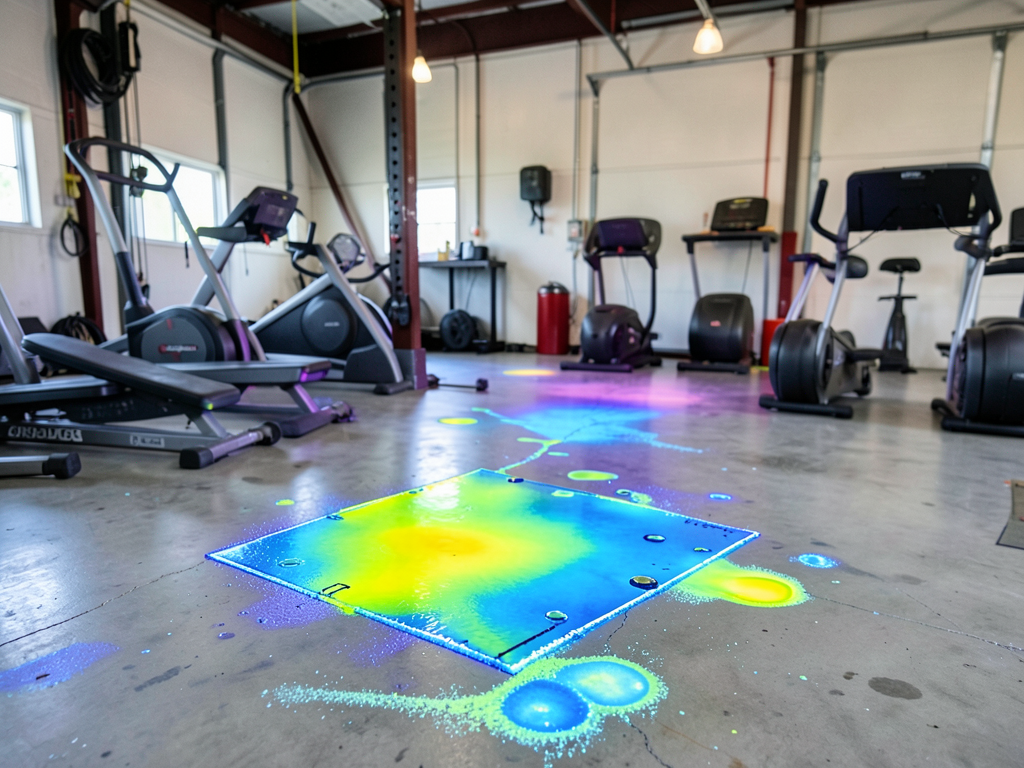
A thermal imaging diagram showing temperature differences between gym equipment and surrounding concrete, highlighting condensation hotspots.
Condensation vs. Seepage: How to Tell the Difference
Not all garage moisture is created equal. Surface condensation from humidity looks different from groundwater seepage through your concrete slab. Understanding the difference helps you choose the right solution. Water Damage Restoration Green Cove Springs.
The Plastic Sheet Test, recommended by the American Society for Testing and Materials (ASTM D4263), can diagnose your moisture problem. Tape a 2×2 foot plastic sheet to your garage floor with duct tape around all edges. Wait 24-48 hours. If moisture appears under the plastic, you have hydrostatic pressure forcing water up through the slab. If moisture appears on top of the plastic, you have condensation from humidity.
Jacksonville’s high water table, often just 3-5 feet below grade in many neighborhoods, means hydrostatic pressure is common. Areas near the St. Johns River or in low-lying zones like San Marco and Riverside are particularly susceptible to groundwater intrusion.
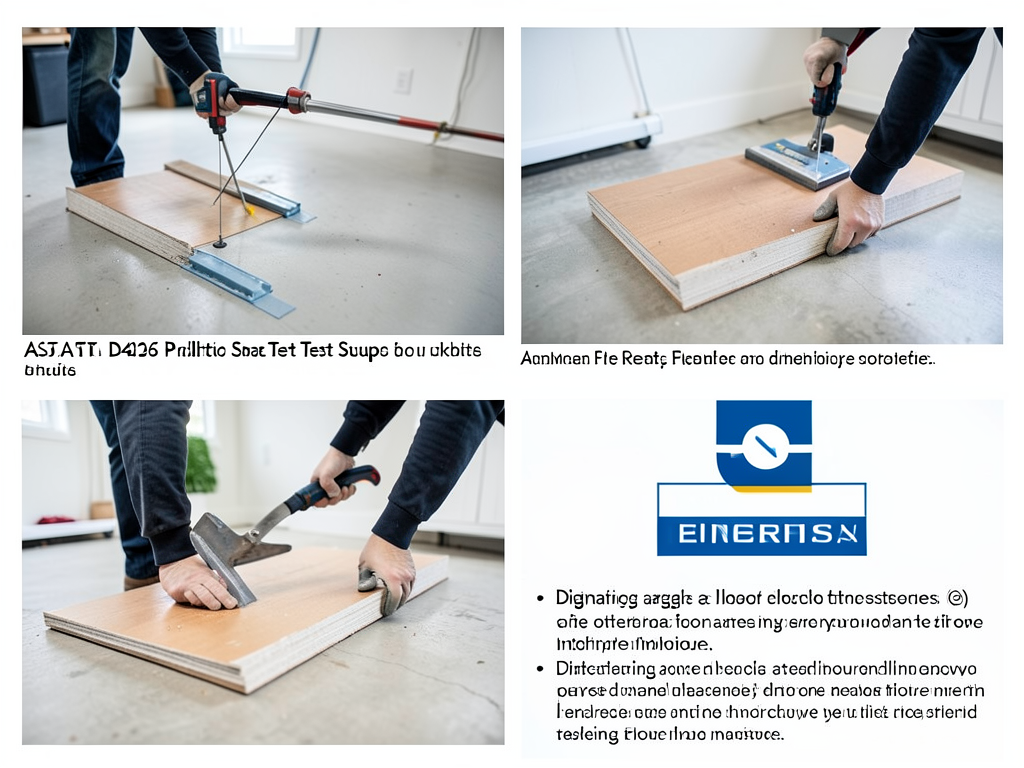
A step-by-step photo series showing the Plastic Sheet Test setup and results interpretation for Jacksonville homeowners.
Why Jacksonville’s Climate Makes Garage Sweating Worse
Jacksonville’s subtropical climate creates unique challenges for garage moisture control. The city experiences an average of 221 sunny days per year, but also receives about 52 inches of rainfall annually. This combination of heat, humidity, and occasional heavy downpours keeps moisture levels consistently high.
During summer months, Jacksonville’s dew point regularly reaches 70-75 degrees Fahrenheit. When your uninsulated garage floor drops below this temperature at night, condensation becomes inevitable. The problem intensifies in neighborhoods like Atlantic Beach and Neptune Beach where salt air can accelerate corrosion of metal equipment while increasing humidity levels.
Florida Building Code Section 1203.3 requires proper vapor barriers in new construction, but many older Jacksonville homes built before the 1990s lack adequate moisture protection. If your home was built before 1995, you likely have minimal vapor barrier protection beneath your garage slab.
The Dangers of Ignored Garage Moisture
Surface condensation might seem harmless, but in Jacksonville’s climate it can escalate quickly. Within 24-48 hours, standing moisture creates ideal conditions for mold growth. Common garage molds like Aspergillus and Cladosporium can colonize drywall, cardboard boxes, and even concrete surfaces when humidity stays above 60%.
Beyond health concerns, moisture damages your property value. Rust forms on metal equipment within days of exposure to condensation. Wooden weight benches warp and delaminate. Rubber flooring develops mildew that’s nearly impossible to remove. Over time, constant moisture exposure can cause concrete spalling, where the surface begins to flake and deteriorate.
According to the Environmental Protection Agency, mold can begin growing on damp surfaces within 24-48 hours. In Jacksonville’s warm climate, this timeline shrinks to as little as 12-24 hours, making rapid response critical.
Proactive Solutions to Stop Garage Floor Moisture
Dehumidification and Airflow Strategies
The first line of defense against garage condensation is humidity control. A properly sized dehumidifier can reduce relative humidity from 75% to 45-50%, eliminating the conditions that cause condensation. For a typical two-car garage in Jacksonville, you’ll need a unit rated for at least 50-70 pints per day.
Mechanical ventilation provides another layer of protection. Installing a small exhaust fan that runs on a humidistat automatically removes moisture-laden air when humidity rises above your set point. This is particularly effective in garages with poor natural ventilation or those surrounded by other structures that block airflow.
Simple habits help too. Keep garage doors closed during high humidity periods, especially during early morning when dew points are highest. Store gym equipment on elevated platforms rather than directly on concrete floors. Use rubber mats with drainage channels to prevent water accumulation.
Professional Concrete Sealing and Vapor Barriers
For persistent moisture problems, professional sealing provides long-term protection. Penetrating sealers like silane or siloxane create hydrophobic barriers within the concrete without forming a surface film that can peel. These sealers reduce moisture absorption by 85-90% while maintaining the concrete’s breathability.
Surface coatings like epoxy provide maximum moisture protection but require proper surface preparation. The International Concrete Repair Institute recommends shot-blasting concrete to CSP-3 profile before applying epoxy coatings. This process removes surface contaminants and opens the concrete pores for optimal adhesion.
For severe cases, installing a new vapor barrier system may be necessary. This involves cleaning the existing concrete, applying a moisture-mitigating primer, then installing a 10-15 mil vapor barrier membrane. This system can reduce moisture vapor transmission from 20+ pounds per 1,000 square feet per day to less than 3 pounds.
Managing Exterior Drainage and Gutters
Water intrusion often starts outside your garage. Ensure downspouts direct water at least 5-6 feet away from your foundation. Grade soil away from your garage walls at a slope of 1/4 inch per foot for at least 6 feet. This simple landscaping adjustment can reduce hydrostatic pressure against your foundation by 60-70%.
Check for cracks in your garage floor where water might enter. Even hairline cracks can allow significant water intrusion during Jacksonville’s heavy summer storms. Professional concrete repair using epoxy injection can seal these cracks and prevent future moisture problems.
Consider installing a French drain system if your property sits in a low area. These drainage systems collect subsurface water and redirect it away from your foundation before it can cause problems. For properties near the St. Johns River or in flood-prone zones, this investment often pays for itself within 2-3 years through prevented damage.
When to Call a Jacksonville Water Damage Specialist
Some moisture problems require professional intervention. Call a specialist if you notice any of these warning signs: persistent standing water that returns within 24 hours of cleaning, visible mold growth on walls or stored items, musty odors that don’t dissipate with ventilation, or white powdery deposits (efflorescence) on your concrete floor.
Professional water damage restoration companies use moisture meters and thermal imaging cameras to detect hidden moisture problems. They can identify whether you’re dealing with simple condensation or more serious issues like slab leaks or foundation cracks that require immediate attention. Removing Hidden Mold from Your Historic Riverside Home Safely.
Time matters when dealing with garage moisture. The longer water sits on your concrete, the more likely you are to develop mold, rust damage, and structural problems. Professional assessment typically takes 30-45 minutes and can save you thousands in prevented damage.
Frequently Asked Questions
Is a sweating garage floor dangerous?
Yes, garage floor condensation creates slip hazards and promotes mold growth within 24-48 hours in Jacksonville’s climate. It can also damage stored items and gym equipment through rust and warping.
How much does it cost to fix garage floor moisture?
DIY solutions like dehumidifiers cost $200-500. Professional sealing ranges from $3-8 per square foot. Complete moisture mitigation systems cost $2,000-5,000 depending on garage size and problem severity.
Can I use a regular fan to stop garage condensation?
Fans help by increasing airflow, but they don’t reduce humidity. In Jacksonville’s high humidity climate, a dehumidifier is more effective than fans alone for preventing condensation.
How long does professional moisture treatment last?
Quality penetrating sealers last 5-10 years. Epoxy coatings can last 10-15 years with proper maintenance. Vapor barrier systems typically carry 10-25 year warranties when professionally installed.
Will homeowners insurance cover garage moisture damage?
Most policies don’t cover gradual moisture damage or maintenance issues. However, if the moisture results from a sudden plumbing failure or storm damage, you may have coverage. Check your specific policy details. Sump Pump Failure Cleanup.
Take Action Before Moisture Becomes a Major Problem
Garage floor condensation from gym equipment is more than just a nuisance—it’s a warning sign of potential water damage that can escalate quickly in Jacksonville’s humid climate. The combination of heavy equipment creating thermal bridges and our coastal humidity creates perfect conditions for moisture problems that can damage your property and health.
Don’t wait until you see mold growing on your stored items or notice rust forming on your expensive gym equipment. Early intervention prevents costly repairs and protects your investment. Simple steps like using a dehumidifier, elevating equipment off concrete floors, and ensuring proper exterior drainage can make a significant difference.
If you’re dealing with persistent garage moisture, professional assessment can identify the root cause and recommend targeted solutions. Whether you need moisture testing, concrete sealing, or comprehensive water damage restoration, acting quickly prevents small problems from becoming major expenses.
Call (904) 839-6500 today to schedule your free garage moisture inspection. Our Jacksonville-based specialists understand the unique challenges of our coastal climate and can recommend solutions that actually work in our humidity levels. Don’t let another night of condensation damage your property—take action now.
Additional Resources
For more information about moisture control and water damage prevention in Jacksonville, visit these authoritative sources:
- EPA Mold and Moisture Control Guidelines
- Florida Building Code Official Site
- ASTM D4263 Standard Test Method for Moisture in Concrete
Understanding and addressing garage floor moisture is crucial for Jacksonville homeowners. With the right knowledge and professional help when needed, you can protect your property from water damage while maintaining your home gym setup.
Before and after photos showing a professionally sealed garage floor with moisture mitigation system installed in a Jacksonville home.