Professional Mold Testing and Removal Services in Ponte Vedra
Living in Ponte Vedra means dealing with Florida’s high humidity and salt air year-round. These conditions create the perfect environment for mold to grow inside homes and businesses. If you smell a musty odor or see dark spots on walls or ceilings, you need professional mold testing and removal right away.
Mold spreads quickly through spores that travel in the air. Once it takes hold, it damages building materials and can cause health problems like allergies, asthma attacks, and respiratory infections. The longer mold grows, the more expensive and extensive the cleanup becomes. Sump Pump Failure Cleanup.
Professional mold remediation in Ponte Vedra follows strict EPA guidelines and Florida Department of Business and Professional Regulation (DBPR) standards. Certified technicians use specialized equipment to find hidden moisture sources, contain the affected area, and remove contaminated materials safely. The process includes thorough cleaning, HEPA filtration, and post-remediation testing to ensure your property is completely safe. EPA Mold Resources.
Call (904) 839-6500 today to schedule your mold inspection. Fast action prevents further damage and protects your family’s health. Water Damage Restoration Neptune Beach.
Common Mold Problems in Ponte Vedra Homes
Ponte Vedra’s coastal location creates unique challenges for homeowners. Salt air accelerates moisture buildup in building materials, while the area’s high water table keeps foundations damp. Recent storms have caused flooding in neighborhoods near the Intracoastal Waterway, leading to hidden mold growth in crawl spaces and wall cavities. Fast Flood Water Extraction for Jacksonville Beach Homeowners.
Older homes in Marsh Landing and Sawgrass often have inadequate ventilation in attics and crawl spaces. This trapped moisture creates ideal conditions for black mold (Stachybotrys) to thrive. New construction in Nocatee faces different challenges – tight building envelopes can trap humidity if not properly managed.
Water damage from hurricanes, plumbing leaks, or roof failures provides the moisture mold needs to grow. Within 24-48 hours of water exposure, mold spores can colonize drywall, wood framing, and insulation. Professional testing identifies the specific mold types present and determines the extent of contamination. Water Damage Restoration Green Cove Springs.
Regular inspections catch problems early. Look for water stains on ceilings, warped floorboards, or peeling paint – these often indicate moisture problems that lead to mold growth. Water Damage Restoration Fleming Island.
Our Professional Mold Testing Process
Professional mold testing in Ponte Vedra starts with a comprehensive visual inspection. Technicians examine all accessible areas for signs of water damage, moisture intrusion, and visible mold growth. They use moisture meters to detect hidden dampness in walls, floors, and ceilings.
Air quality testing measures airborne mold spore levels inside your home compared to outdoor levels. This helps identify if mold is actively growing indoors. Surface sampling collects material from visible growth or suspected contaminated areas for laboratory analysis.
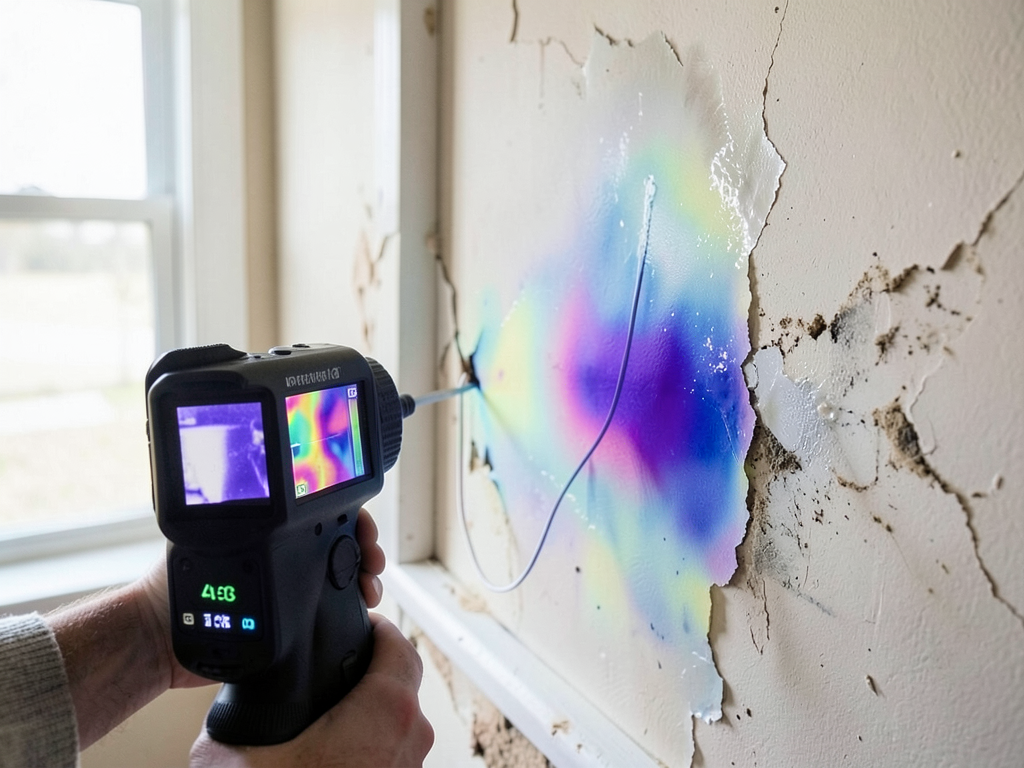
Thermal imaging cameras detect temperature differences that indicate moisture behind walls or under floors. This non-invasive technology helps locate water sources without destructive testing. Moisture mapping creates a detailed picture of affected areas.
Laboratory results identify specific mold species and their concentrations. Some molds produce mycotoxins that pose serious health risks. The testing report includes recommendations for remediation based on contamination levels and building material types.
Professional testing follows IICRC S520 standards for mold remediation. This industry standard ensures consistent, effective procedures that protect both workers and occupants during the cleanup process. IICRC S520 Standard.
Complete Mold Removal and Remediation
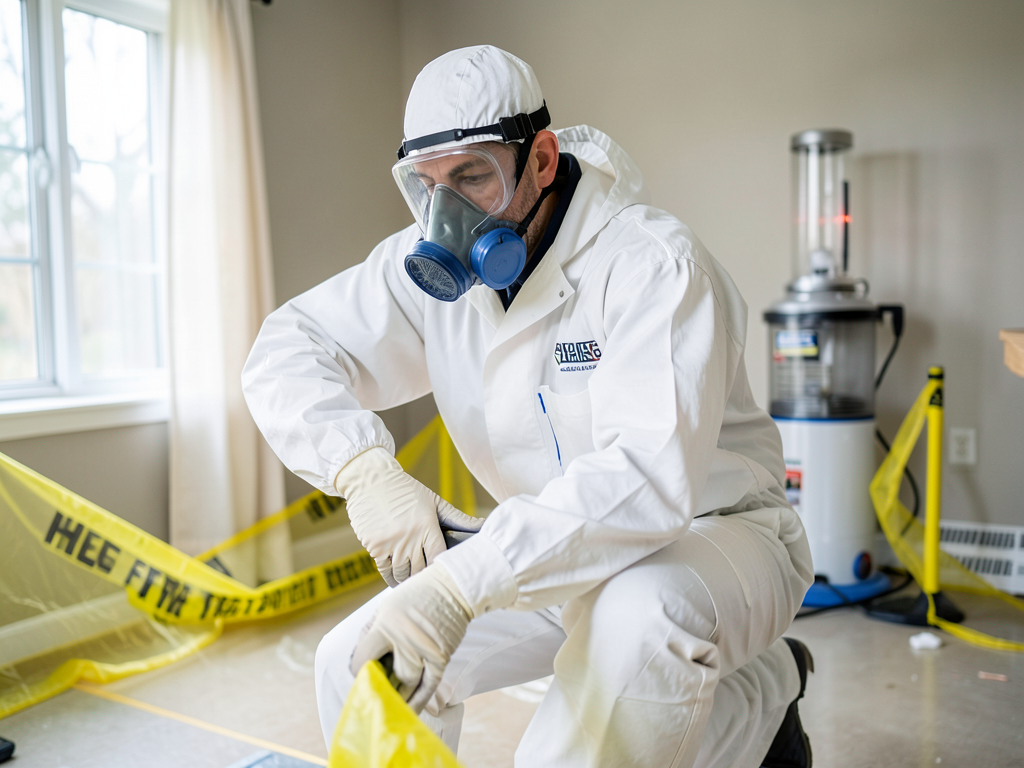
Effective mold removal requires more than just cleaning visible growth. The process starts with containing the affected area using plastic sheeting and negative air pressure. This prevents mold spores from spreading to clean areas during removal.
HEPA air scrubbers filter the air continuously during remediation. These high-efficiency filters capture 99.97% of particles 0.3 microns or larger, including mold spores. The filtered air creates negative pressure that keeps contaminated air contained.
Contaminated materials like drywall, insulation, and carpeting require careful removal and disposal. Porous materials with extensive mold growth cannot be effectively cleaned and must be replaced. Non-porous surfaces can be cleaned with antimicrobial treatments.
After removal, all surfaces receive treatment with EPA-registered antimicrobial solutions. These products kill remaining mold and prevent regrowth. The area then undergoes thorough cleaning to remove dust and debris.
Post-remediation verification testing confirms the mold has been successfully removed. Air samples are collected and compared to pre-remediation levels. Only when test results show safe levels can the containment be removed.
The entire process follows Florida DBPR mold remediation guidelines. Licensed contractors must complete the work and provide documentation of proper procedures.
Health Risks of Untreated Mold Exposure
Living with mold exposure causes various health problems. Common symptoms include coughing, sneezing, runny nose, itchy eyes, and skin rashes. People with allergies or asthma often experience more severe reactions when exposed to mold spores.
Certain mold types produce mycotoxins that can cause neurological symptoms. These include headaches, memory problems, dizziness, and fatigue. Long-term exposure may lead to more serious respiratory conditions and immune system suppression.
Black mold (Stachybotrys chartarum) receives the most attention, but many mold species can cause health problems. The severity of reactions depends on individual sensitivity, mold type, and exposure duration. Children, elderly people, and those with compromised immune systems face higher risks.
Mold also damages building materials. It breaks down organic materials like wood and paper, weakening structural components. Over time, this damage can lead to costly repairs and decreased property values.
Professional remediation eliminates these health risks by completely removing mold and its sources. The process includes cleaning HVAC systems to prevent spore recirculation throughout the building.
Insurance Coverage for Mold Remediation
Insurance coverage for mold remediation varies significantly between policies. Most standard homeowner’s policies exclude mold damage unless it results from a covered peril like a burst pipe or storm damage. Gradual moisture problems that lead to mold are typically not covered.
Documenting the source of moisture is crucial for insurance claims. If mold results from a covered water damage event, the remediation may be covered. However, if poor maintenance or construction defects caused the moisture problem, coverage is unlikely.
Professional mold remediation companies work with insurance providers to document damage and provide necessary reports. This includes moisture mapping, lab test results, and detailed remediation plans that meet insurance requirements.
Some policies offer limited mold coverage as an add-on endorsement. These typically have sub-limits ranging from $5,000 to $25,000 for mold remediation. Review your policy carefully to understand your coverage limits and exclusions.
Preventive measures like proper ventilation and moisture control may qualify for insurance discounts in some areas. Ask your insurance provider about available discounts for mold prevention systems.
Preventing Future Mold Growth
Preventing mold requires controlling moisture levels in your home. Keep indoor humidity below 60% using dehumidifiers in problem areas like basements and crawl spaces. Proper ventilation in bathrooms, kitchens, and laundry rooms removes moisture at the source.
Fix water leaks immediately. Even small drips from pipes or fixtures create conditions for mold growth. Check under sinks, around toilets, and near water heaters regularly for signs of moisture.. Read more about Immediate Cleanup for Overflowing Toilets and Bathroom Floods in Nocatee.
Maintain your roof and gutters to prevent water intrusion. Clean gutters twice yearly and ensure downspouts direct water away from your foundation. Inspect your roof annually for damaged shingles or flashing.
Improve air circulation in your home. Use ceiling fans and keep furniture away from walls to allow air movement. This prevents moisture buildup in corners and behind furniture.
Consider installing a whole-house dehumidifier if you live in a particularly humid area. These systems work with your HVAC to maintain optimal humidity levels throughout your home.
Regular professional inspections can catch moisture problems before they lead to mold growth. Schedule annual inspections of your HVAC system, roof, and plumbing to identify potential issues early.
Why Choose Professional Mold Remediation
DIY mold removal often makes problems worse. Without proper containment, mold spores spread throughout your home during cleaning. Household cleaning products cannot kill all mold types, and dead mold still causes allergic reactions.
Professional remediation follows established protocols that ensure complete removal. Technicians wear protective equipment and use specialized tools that homeowners don’t have access to. The process includes verification testing that confirms the mold has been eliminated.
Professional services provide documentation for insurance claims and future property sales. This documentation proves the mold was properly removed and the underlying moisture problem was addressed.
Experienced technicians understand building science and can identify hidden moisture sources that cause recurring mold problems. They address the root cause, not just the symptoms.
Professional remediation includes warranties on the work performed. This provides peace of mind that the problem has been properly resolved.
Call (904) 839-6500 now to speak with a certified mold specialist. Don’t wait until mold spreads throughout your home.
Frequently Asked Questions
How long does professional mold remediation take?
Most residential mold remediation projects take 3-5 days depending on the extent of contamination. Small areas may be completed in 1-2 days, while extensive contamination requiring major demolition can take longer.
Is black mold more dangerous than other types?
All mold types can cause health problems, but some produce more potent mycotoxins. Black mold (Stachybotrys) is concerning because it produces trichothecene mycotoxins, but proper remediation eliminates the risk regardless of mold species.
Will my insurance cover mold removal?
Coverage depends on your policy and the cause of mold growth. Mold from covered water damage events is often covered, but gradual moisture problems from poor maintenance are typically excluded. Review your policy or contact your insurance provider for specific coverage details.
How can I tell if I have hidden mold?
Signs of hidden mold include musty odors, unexplained allergy symptoms, water stains on walls or ceilings, and warped building materials. Professional testing using moisture meters and air quality sampling can detect hidden mold growth.
What should I do if I find mold in my home?
Stop the moisture source if possible, avoid disturbing the area, and contact a professional mold remediation company. Don’t attempt to clean large areas yourself, as this can spread spores throughout your home.
Comparing DIY vs Professional Mold Removal
| Factor | DIY Removal | Professional Remediation |
|---|---|---|
| Safety Equipment | Basic gloves and mask | Full PPE including respirators, Tyvek suits |
| Containment | None or minimal | Negative air pressure, plastic barriers |
| Effectiveness | Surface cleaning only | Complete removal including hidden growth |
| Verification | Visual inspection only | Lab testing before and after |
| Cost Range | $50-$500 for supplies | $500-$10,000 depending on scope |
| Time Required | 1-2 days | 3-5 days typical |
| Insurance Documentation | None | Complete reports for claims |
Steps in Professional Mold Remediation
- Initial Inspection and Testing
Certified technicians conduct visual inspection and air/surface sampling to identify mold types and contamination levels.
- Moisture Source Identification
Using thermal imaging and moisture meters to locate water sources feeding mold growth.
- Containment Setup
Installing plastic barriers and creating negative air pressure to prevent spore spread during remediation.
- Material Removal
Carefully removing contaminated porous materials like drywall and insulation following EPA guidelines.
- Cleaning and Treatment
Applying EPA-registered antimicrobial solutions to remaining surfaces and cleaning with HEPA filtration.
- Post-Remediation Testing
Conducting air quality testing to verify mold levels are safe before removing containment.
Local Mold Remediation Success Stories
Recent projects in Ponte Vedra demonstrate the effectiveness of professional remediation. A home in Sawgrass experienced extensive mold growth after Hurricane Irma caused roof damage. Professional testing revealed contamination throughout the attic and upper floors. Complete remediation restored the home to safe conditions within two weeks.
A Marsh Landing property had recurring mold problems due to poor attic ventilation. Professional assessment identified inadequate airflow as the root cause. Remediation included mold removal, ventilation improvements, and installation of humidity controls. The homeowner reported no further issues after one year.
New construction in Nocatee faced mold growth in the first year due to construction moisture trapped in building materials. Professional drying and remediation prevented long-term damage. The builder implemented improved moisture management procedures for future projects.
These cases show how professional remediation addresses both immediate mold problems and underlying causes. This comprehensive approach prevents recurrence and protects your investment.
Environmental Factors Affecting Mold Growth
Ponte Vedra’s climate creates year-round mold challenges. Summer temperatures regularly exceed 90 degrees with humidity levels above 80%. These conditions allow mold to grow rapidly whenever moisture is present.
Coastal proximity means salt air deposits moisture-attracting particles on building surfaces. This accelerates corrosion of metal components and creates additional moisture retention in exterior materials.
Seasonal rainfall patterns affect mold risk. Summer thunderstorms can cause sudden water intrusion through roof leaks or foundation cracks. Hurricane season brings the highest risk of major water damage and subsequent mold growth.
Building age influences mold vulnerability. Homes built before 1980 often lack modern moisture barriers and ventilation systems. These properties require more frequent inspections and maintenance to prevent mold problems.
Soil composition in Ponte Vedra affects foundation moisture. Sandy soils drain well but can allow water to move toward foundations during heavy rains. Proper grading and drainage systems are essential for mold prevention.
Advanced Mold Detection Technologies
Modern mold detection goes beyond visual inspection. Infrared cameras identify temperature variations that indicate moisture behind walls or under floors. This technology locates problems without destructive testing.
Particle counters measure airborne mold spore concentrations in real-time. This helps identify active mold growth areas and track remediation progress. Digital moisture meters provide precise readings of material moisture content.
Air sampling pumps collect air samples for laboratory analysis. These samples identify specific mold species and their concentrations. Surface sampling using swabs or tape lifts collects material from visible growth for identification.
Relative humidity and temperature data loggers track environmental conditions over time. This information helps identify patterns that contribute to mold growth and verify that remediation conditions are maintained.
Professional testing equipment provides accurate, reliable results that guide effective remediation strategies. This technology ensures that all mold sources are identified and properly addressed.
Health and Safety During Remediation
Professional mold remediation prioritizes occupant and worker safety. Containment barriers prevent mold spores from spreading during removal. Negative air pressure systems ensure contaminated air flows out of the work area through HEPA filtration.
Technicians wear personal protective equipment including respirators, gloves, and Tyvek suits. This protection prevents exposure to mold spores and cleaning chemicals during the remediation process.
Air quality monitoring continues throughout the project. This ensures that containment remains effective and that spore levels stay within safe limits outside the work area.
Proper disposal of contaminated materials follows EPA and local regulations. This includes sealing materials in plastic bags and disposing of them at approved facilities.
Post-remediation cleaning removes all dust and debris from the work area. This final cleaning ensures that no mold spores remain to cause future problems.
Cost Factors in Mold Remediation
Mold remediation costs vary based on several factors. The extent of contamination determines the amount of material that must be removed and replaced. Larger areas require more labor and disposal fees.
Building material types affect costs. Removing mold from concrete or tile is less expensive than removing it from drywall or wood framing. Some materials can be cleaned, while others must be replaced.
Accessibility impacts labor costs. Mold in crawl spaces or attics requires more time and specialized equipment than mold in accessible areas. Complex removal scenarios increase overall project costs.
Testing and verification add to project costs but ensure complete remediation. These services provide documentation for insurance claims and verify that the work was successful.
Emergency services cost more than scheduled remediation. After-hours calls and rapid response requirements increase labor rates and may require additional personnel.
Professional remediation provides value through guaranteed results and prevention of future problems. The investment protects your property value and your family’s health.
Call for Professional Mold Testing Today
Mold problems don’t improve on their own – they get worse. Every day you wait allows mold to spread further and cause more damage. Professional testing identifies problems early when remediation is less expensive and more effective.
Our certified technicians understand Ponte Vedra’s unique mold challenges. We use advanced detection equipment and follow strict remediation protocols to ensure complete removal. Our work is guaranteed and fully documented for your records.
Don’t risk your family’s health or your property value. Call (904) 839-6500 now to schedule your professional mold inspection. We offer same-day service for urgent situations and provide clear, upfront pricing with no hidden fees.
Protect your home and your health with professional mold testing and removal. Call (904) 839-6500 today. Fast action prevents expensive repairs and health problems later.