Saving Your Water Damaged Hardwood Floors in Ortega
When water invades your Ortega home’s hardwood floors, every minute counts. The coastal humidity that makes our neighborhood beautiful can also turn a small spill into a major restoration project within hours. At Fortress Water Damage Restoration Jacksonville, we’ve saved countless hardwood floors throughout the greater Jacksonville area by acting fast and using the right techniques. Fast Flood Water Extraction for Jacksonville Beach Homeowners.
Hardwood floors represent a significant investment in your Ortega home. Whether you have the classic oak floors common in mid-century homes along San Juan Drive or the Brazilian cherry flooring found in newer riverfront properties, proper restoration can save you thousands in replacement costs. The key is understanding that water damage doesn’t just affect the surface—it penetrates the wood grain and can compromise the structural integrity of your entire floor system. Water Damage Restoration Neptune Beach.
The first 24-48 hours after water exposure are critical. During this “golden window,” professional intervention can often reverse cupping, warping, and discoloration without requiring board replacement. After this period, the damage becomes increasingly permanent, and the risk of mold growth under your flooring rises dramatically. Water Damage Restoration Green Cove Springs.
Immediate Response for Jacksonville Homeowners
When you discover water on your hardwood floors in Ortega, your first instinct might be to grab towels and start mopping. While this helps, it’s only the first step. Professional water extraction equipment can remove moisture that’s already begun to seep between boards and into the subfloor—areas you can’t reach with household methods.
Our emergency response team arrives within 60 minutes of your call to (904) 839-6500. We bring industrial-grade water extractors that can pull gallons of water from your flooring in minutes. These machines use powerful suction combined with specialized wands designed for hardwood surfaces, preventing further damage that standard wet vacs might cause. Getting 24 Hour Emergency Water Extraction in Downtown Jacksonville.
Time is your enemy when dealing with water-damaged hardwood. The longer moisture remains, the more the wood expands, the greater the risk of permanent warping, and the higher the chance of mold developing in your subfloor. In Ortega’s humid climate, where relative humidity often exceeds 80%, this process accelerates significantly compared to drier regions.
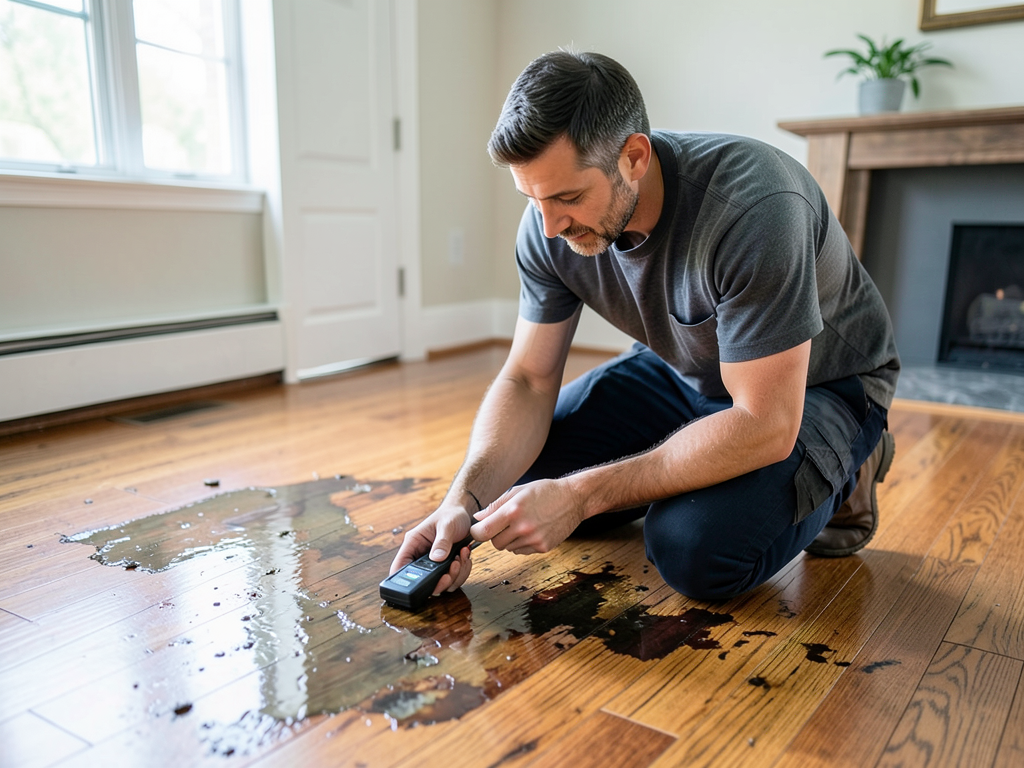
During our initial assessment, we use moisture meters to map the extent of water penetration. These readings tell us whether the damage is surface-level or has reached the subfloor—a crucial distinction that determines whether we can save your floors or if replacement becomes necessary.
Signs of Water Damage in Your Wood Floors
Understanding what water damage looks like helps you identify problems early. The most common sign is cupping, where the edges of individual boards rise higher than the center, creating a concave shape. This occurs when moisture causes the bottom of the board to expand more than the top. In Ortega homes, cupping often appears first near exterior doors or in rooms adjacent to plumbing fixtures.
Crowning is the opposite—the center of the board rises above the edges. This typically happens when the top surface remains wetter than the bottom, or when previously cupped boards are sanded too soon during amateur restoration attempts. Crowning is particularly problematic because it can’t be fixed through normal refinishing methods.
Buckling represents the most severe form of water damage. This occurs when boards completely pull away from the subfloor, often rising several inches. Buckling usually results from prolonged water exposure or flooding and indicates that the adhesive bond has failed. In Ortega’s older homes with pier-and-beam foundations, buckling can also indicate subfloor rot that requires immediate attention.
Discoloration manifests as dark spots or stains on your flooring. These can result from water mineral deposits, mold growth within the wood, or chemical reactions between the water and floor finish. Some discoloration fades with proper drying, while other stains require sanding and refinishing to remove completely.
Our Professional Hardwood Drying Process
Saving water-damaged hardwood requires more than just removing visible water. Our restoration process follows the IICRC S500 standards for professional water damage restoration, ensuring your floors return to their proper moisture content without causing additional damage. IICRC.
First, we conduct a comprehensive moisture mapping using penetrating and non-penetrating moisture meters. These devices measure moisture content at different depths, allowing us to identify problem areas that aren’t visible to the naked eye. In Ortega homes, we often find that moisture wicks up from the slab foundation or spreads laterally through tongue-and-groove connections.
Next, we extract standing water using truck-mounted extraction units. These systems generate 150+ inches of water lift, removing moisture from deep within the wood grain. We use specialized hardwood floor wands that distribute suction evenly across the surface, preventing the suction marks that standard carpet wands might leave. Removing Hidden Mold from Your Historic Riverside Home Safely.
High-velocity air movers then create airflow across the floor surface. We position these strategically to maximize evaporation without causing the wood to dry too quickly, which can lead to additional cracking or splitting. The airflow pattern is critical—we create a vortex effect that pulls moisture from the floor and exhausts it through dehumidifiers.
Specialized floor-drying systems complete the process. These mat systems connect to powerful vacuum units that create negative pressure under the flooring. The mats pull moisture from between boards and from the subfloor, accelerating the drying process while preventing the cupping that can occur with traditional air drying methods.
Why Jacksonville Humidity Matters
Ortega’s location along the St. Johns River means our homes face unique moisture challenges. The river’s proximity creates a microclimate with higher humidity levels than inland areas of Jacksonville. During summer months, our relative humidity often exceeds 85%, creating conditions where wood naturally absorbs moisture from the air.
This constant moisture exposure affects how we approach hardwood restoration. In drier climates, we might aim for a final moisture content of 6-8%. In Ortega, we target 9-11% to account for the local climate and prevent the wood from shrinking and creating gaps once we reinstall it. This climate-specific approach prevents the seasonal gapping that homeowners often experience when floors are dried to inappropriate moisture levels.
The subfloor presents another challenge unique to our area. Many Ortega homes sit on concrete slabs, which can transmit moisture from the ground. When water damages your hardwood, it often indicates that moisture has already been present in the slab. We use calcium chloride tests to measure vapor emissions from the concrete, ensuring we address all moisture sources before reinstalling your flooring.
Seasonal weather patterns also impact restoration timing. Summer thunderstorms can delay outdoor equipment setup, while winter cold snaps affect drying times. We adjust our process based on current weather conditions, sometimes extending drying times or adding supplemental heating to maintain optimal restoration conditions.
Insurance Claims Assistance
Navigating insurance claims for water-damaged hardwood floors can be confusing. Many homeowners in Ortega discover that their policies have specific exclusions or limitations for flooring damage. We work directly with insurance adjusters to document damage, provide detailed restoration estimates, and ensure you receive appropriate coverage.
Our documentation process includes moisture mapping reports, photographic evidence of damage progression, and detailed drying logs that track moisture content changes over time. This documentation satisfies insurance requirements and provides evidence if you need to appeal a denied claim. We’ve successfully helped Ortega homeowners recover costs for both the restoration work and temporary housing when extensive repairs were necessary. EPA Mold Resources.
Some insurance policies distinguish between sudden damage and gradual damage. A burst pipe causing immediate flooding is typically covered, while slow leaks that cause damage over months may be excluded. We help you understand your policy’s specific language and work with your adjuster to present your claim in the most favorable light.
Direct insurance billing simplifies the process for you. Once we agree on the scope of work with your insurance company, we bill them directly, eliminating the need for you to pay upfront and wait for reimbursement. This service is particularly valuable for extensive restoration projects where costs can reach several thousand dollars.
Before and After: Real Ortega Projects
Understanding the restoration process is easier when you see real results. In one Ortega home on Pinehurst Road, we responded to a dishwasher leak that had gone unnoticed for 48 hours. The kitchen hardwood showed significant cupping, and moisture meters indicated water had spread to the dining room. Using our floor-drying system, we saved 90% of the affected boards, saving the homeowner over $8,000 in replacement costs.
Another project on San Juan Drive involved a second-floor bathroom leak that damaged the ceiling below and the hardwood floor above. The water had traveled through the floor system, affecting both levels. Our team coordinated with plumbers to stop the leak, then implemented a two-stage drying process that addressed both the upper and lower damage simultaneously.
In a riverfront property on Ortega Boulevard, saltwater intrusion during a tropical storm caused unique challenges. The salt had crystallized in the wood grain, requiring specialized cleaning before the drying process could begin. We used a mild acid wash to neutralize the salt, then followed our standard restoration protocol. The floors required additional refinishing to restore their original luster, but the structural integrity was preserved.
Preventing Future Water Damage
After restoring your hardwood floors, preventing future damage becomes your next priority. Simple maintenance steps can significantly extend the life of your restored floors. We recommend installing water sensors near appliances, checking plumbing connections annually, and maintaining proper humidity levels in your home year-round.
Waterproof mats at entry points catch moisture from shoes and umbrellas before it reaches your hardwood. In Ortega’s rainy climate, this simple step prevents the gradual moisture accumulation that can lead to cupping and warping over time. We also suggest using felt pads under furniture legs to prevent scratches that can compromise the floor’s protective finish.
Regular professional inspections can identify potential problems before they cause damage. Our technicians can check for early signs of moisture problems, assess the condition of your floor’s finish, and recommend preventive measures specific to your home’s construction and location. For homes near the river, we might suggest additional vapor barriers or dehumidification systems.
Understanding your home’s plumbing system helps prevent unexpected leaks. Know where your main water shutoff valve is located, and consider installing individual shutoff valves for high-risk areas like laundry rooms and bathrooms. Quick action during a leak can mean the difference between saving your floors and facing extensive replacement.
Choosing the Right Restoration Partner
Not all water damage restoration companies have experience with hardwood floors. The techniques that work for carpet or drywall can destroy expensive wood flooring. When selecting a restoration partner in Ortega, look for companies with specific hardwood restoration experience and proper certifications.
IICRC certification in water damage restoration demonstrates that technicians understand the science behind moisture removal and material drying. Companies should also carry liability insurance and be familiar with local building codes. In Jacksonville, restoration work must comply with Florida Building Code requirements for moisture mitigation and mold prevention.
Ask potential contractors about their equipment and processes. Do they use floor-drying systems specifically designed for hardwood? Do they monitor moisture content throughout the drying process? Can they provide references from other Ortega homeowners with similar restoration needs? A reputable company will welcome these questions and provide detailed answers.
Response time matters significantly. Companies that promise 24-hour response times may be too late to save your floors. Look for services offering emergency response within 60-90 minutes, as this timing aligns with the critical window for successful hardwood restoration. Also verify that they provide direct insurance billing to simplify the claims process.
The Cost of Inaction
Delaying professional intervention after water damage can multiply your restoration costs exponentially. What might cost $2,000-$4,000 to save through professional drying could cost $10,000-$15,000 for complete floor replacement if you wait too long. The financial impact extends beyond just the flooring—water damage can affect baseboards, drywall, and even structural elements if left untreated.
Health considerations add another dimension to the cost equation. Mold can begin growing within 24-48 hours in Ortega’s humid climate. Once established, mold remediation adds thousands to your restoration costs and may require temporary relocation during the remediation process. The health risks of mold exposure, particularly for children and elderly residents, make quick action essential.
Property value represents the third cost factor. Water-damaged hardwood that’s improperly restored or left unrepaired can reduce your home’s market value by 5-10%. In Ortega’s competitive real estate market, where homes often sell at premium prices due to their historic character and river views, maintaining your property’s condition protects your investment.
The emotional cost of extensive restoration shouldn’t be overlooked. Living through a major floor replacement disrupts your daily routine for weeks or months. Professional restoration that saves your existing floors minimizes this disruption, allowing you to return to normal life much sooner.
Your Next Steps
If you’re facing water-damaged hardwood floors in your Ortega home, taking the right steps immediately can save your floors and your sanity. First, stop the water source if possible. Then, remove any standing water with towels or a wet vac, but avoid walking on the damaged area more than necessary to prevent further damage.
Document the damage with photos before any restoration work begins. These images help with insurance claims and provide a baseline for assessing the restoration’s success. Avoid the temptation to speed-dry the floors with heaters or fans, as this can cause additional damage like cracking or splitting.
Call (904) 839-6500 immediately to reach our emergency response team. We’ll arrive quickly to assess the damage and begin professional drying procedures. Our technicians will explain the restoration process, provide a detailed estimate, and coordinate with your insurance company if needed.
Remember that successful hardwood restoration depends on quick action, proper equipment, and experienced technicians who understand the unique challenges of Jacksonville’s climate. Don’t trust your valuable flooring to general contractors or DIY methods that might cause more harm than good.
Fortress Water Damage Restoration Jacksonville has saved thousands of square feet of hardwood flooring throughout the greater Jacksonville area. Our combination of advanced equipment, certified technicians, and local experience makes us the trusted choice for Ortega homeowners facing water damage emergencies.
Don’t wait until it’s too late. Call (904) 839-6500 now for immediate assistance with your water-damaged hardwood floors. Our team is ready to respond 24/7 and begin the restoration process that could save your floors and protect your home’s value.
Frequently Asked Questions
How long does the hardwood floor drying process take?
Most hardwood floor drying projects take 3-5 days, depending on the extent of damage, wood type, and environmental conditions. We monitor moisture content daily and continue the process until your floors reach the target moisture level specific to Ortega’s climate.
Can all water-damaged hardwood floors be saved?
Not all water-damaged floors can be saved. The success rate depends on the water category (clean vs. contaminated), exposure duration, and how quickly professional drying begins. Floors with minimal cupping and damage under 48 hours old have the highest success rates.
Will my insurance cover hardwood floor water damage?
Most homeowner’s insurance policies cover sudden and accidental water damage to hardwood floors. However, coverage varies by policy and the water source. We work with insurance companies daily and can help you understand your coverage and navigate the claims process.
How can I tell if mold is growing under my hardwood floors?
Signs of mold under hardwood include musty odors, increased allergy symptoms, visible discoloration that doesn’t match water patterns, and elevated moisture readings in affected areas. Professional moisture testing can confirm whether mold is present before it becomes visible.