Saltwater vs freshwater flooding and what it means for your Mayport property
When storm surge hits Mayport, the damage isn’t just about how much water enters your home. Saltwater flooding brings a unique set of destructive forces that freshwater flooding does not. Understanding these differences can save you thousands in repair costs and prevent long-term structural issues. Fast Flood Water Extraction for Jacksonville Beach Homeowners.
Saltwater is significantly more corrosive than rainwater. It contains dissolved sodium chloride that accelerates metal oxidation and creates electrolytic conditions that can cause electrical fires within 24 to 48 hours of exposure. In Mayport’s coastal environment, where Atlantic storm surges can push several feet of seawater into homes, this corrosive effect is amplified by the region’s high humidity and salt-air exposure. Water Damage Restoration Neptune Beach.
The immediate risks include rapid corrosion of electrical panels, HVAC components, and plumbing fixtures. Saltwater also leaves behind hygroscopic salt residues that continue to attract moisture from the air, creating ongoing humidity problems and promoting mold growth even after the visible water is gone. These residues can remain active for months if not properly neutralized. Water Damage Restoration Green Cove Springs.
The science behind saltwater corrosion in coastal flooding
Saltwater flooding is fundamentally different from freshwater flooding because of its chemical composition and electrical properties. When saltwater contacts metal surfaces, it creates an electrolyte solution that accelerates galvanic corrosion through an electrochemical process.
According to the National Oceanic and Atmospheric Administration, saltwater contains approximately 35 grams of dissolved salts per liter, compared to less than 0.5 grams in freshwater. This high conductivity allows electrical currents to flow more easily, which means metal components in your home can begin corroding within hours of saltwater exposure. National Oceanic and Atmospheric Administration.
The hygroscopic nature of salt is particularly problematic in Mayport’s climate. Even after visible water is removed, salt residues continue to attract moisture from the humid coastal air. This creates a persistent dampness that can lead to secondary mold growth and ongoing material degradation.
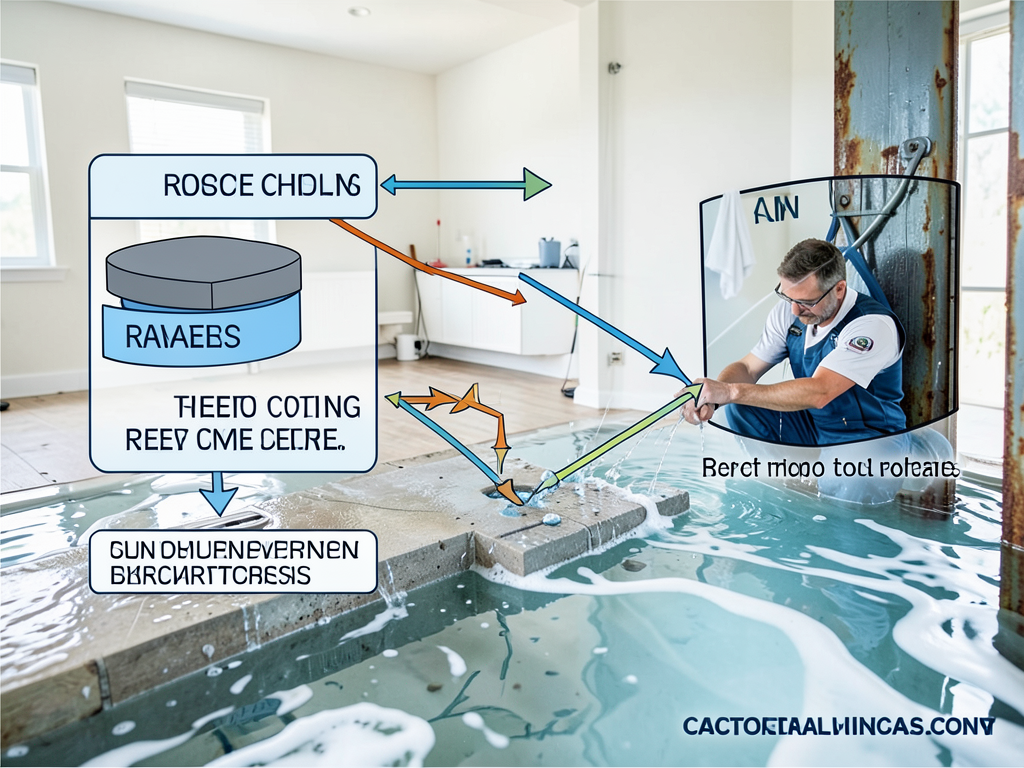
Diagram showing the electrochemical process of galvanic corrosion when saltwater contacts metal surfaces in a flooded home.
Mayport’s unique flood risks and building vulnerabilities
Mayport’s location at the mouth of the St. Johns River and along the Atlantic coast makes it particularly vulnerable to storm surge flooding. The area’s low elevation and proximity to both river and ocean mean that during hurricanes and tropical storms, saltwater can inundate properties quickly and with significant force.
Many homes in Mayport were built before current flood-resistant building codes were implemented. According to the Florida Building Code, structures in coastal high-hazard areas must be elevated above the base flood elevation, but many existing homes do not meet these standards. This leaves them exposed to both the initial surge and the corrosive effects of saltwater.
The area’s sandy soil composition, while providing good drainage for freshwater, actually allows saltwater to penetrate more deeply into foundations and underground structures. Once saltwater reaches these areas, it can cause long-term damage to concrete, rebar, and wooden support structures through a process called salt crystallization.. Read more about Can you actually save wet electronics and documents after a flood in Southpoint?.
Specialized restoration techniques for saltwater damage
Restoring a property after saltwater flooding requires specialized techniques that go far beyond standard water damage restoration. The process must address both immediate damage and the unique chemical properties of saltwater that continue to cause problems long after visible water is gone.
The first critical step is immediate desalination. This involves thoroughly flushing all affected surfaces with fresh water to remove salt residues before they can crystallize and cause permanent damage. This process must begin within the first 24 hours to prevent irreversible corrosion of electrical systems and metal components.
Industrial-grade dehumidification is essential in Mayport’s high-humidity environment. Standard refrigerant dehumidifiers often struggle to achieve the low humidity levels needed to prevent secondary mold growth and salt residue reactivation. Desiccant dehumidifiers, which can achieve humidity levels below 40%, are typically required for effective saltwater restoration.
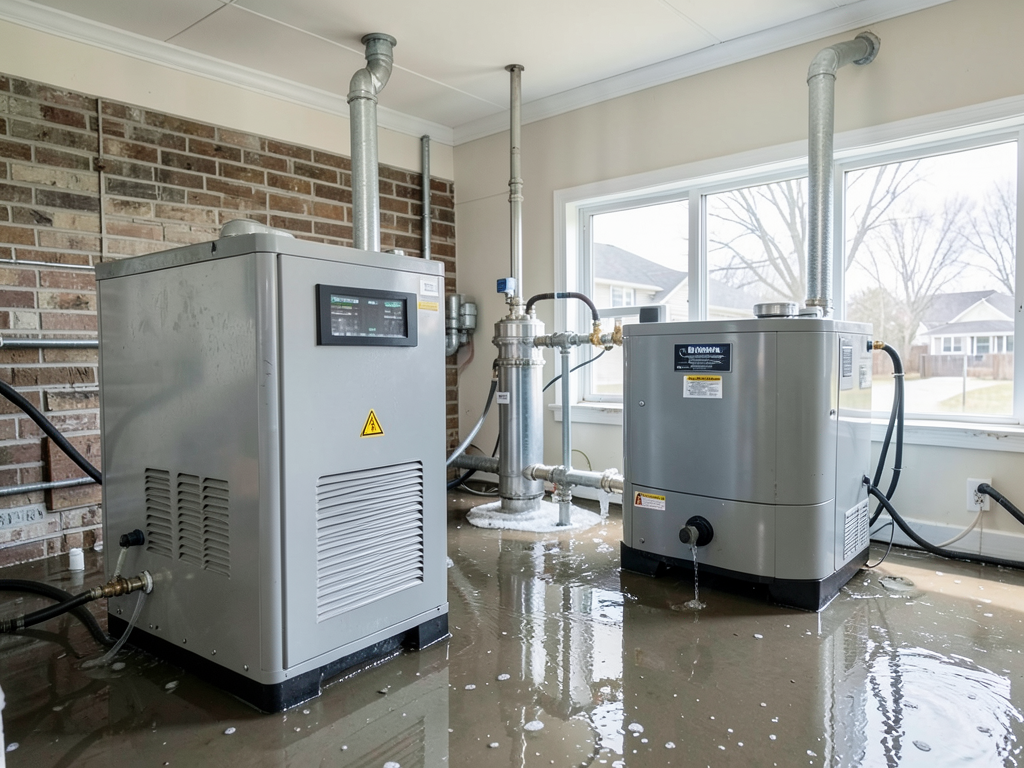
Photo of industrial desiccant dehumidifiers being used in a saltwater-flooded Mayport home, showing the specialized equipment needed for coastal restoration.
Structural integrity and electrical safety after storm surge
After saltwater flooding, structural integrity becomes a major concern. Saltwater exposure can weaken concrete through a process called alkali-silica reaction, where dissolved salts react with concrete components to create expansive compounds that cause cracking and deterioration.
Electrical systems are particularly vulnerable to saltwater damage. The high conductivity of saltwater means that even brief exposure can cause short circuits, corrosion of wiring insulation, and damage to circuit breakers and panels. According to the National Fire Protection Association, electrical fires caused by saltwater damage are a significant risk in the 48 hours following a storm surge event.
Foundation assessment is critical in Mayport properties. Saltwater can penetrate deep into foundation materials, causing long-term weakening that may not be visible for months or years. Professional structural engineers should evaluate foundations after any saltwater flooding event to ensure they remain sound.
Insurance considerations for saltwater flood damage in Duval County
Standard homeowners insurance policies typically do not cover flood damage, including saltwater storm surge. In Duval County, property owners need separate flood insurance through the National Flood Insurance Program or private carriers to be protected against saltwater flooding.
The claims process for saltwater damage can be more complex than freshwater damage. Insurance adjusters must assess not just the immediate damage but also the potential for long-term corrosion and structural issues. Documentation of all damage, including corrosion that may develop in the weeks following a flood, is essential for maximizing claim recovery.
According to FEMA flood zone maps, much of Mayport falls within high-risk flood zones. Property owners in these areas should review their coverage limits annually, as rebuilding costs in coastal areas have increased significantly in recent years due to material and labor shortages.
Prevention strategies for coastal property owners
While you cannot prevent storm surge from occurring, you can take steps to minimize saltwater damage to your Mayport property. Elevating critical electrical systems and HVAC equipment above potential flood levels can save thousands in replacement costs.
Installing backflow preventers and check valves can help prevent saltwater from entering through plumbing systems during a storm surge. These devices are particularly important in Mayport, where tidal influences can cause water to flow backward through drainage systems.
Using corrosion-resistant materials in construction and renovation projects can significantly reduce long-term damage from saltwater exposure. Stainless steel, marine-grade aluminum, and specially treated lumber are worth the investment for coastal properties.
Regular maintenance of exterior surfaces, including pressure washing to remove salt buildup and applying protective sealants to concrete and wood surfaces, can extend the life of your property in the harsh coastal environment.
The 24-hour corrosion window: why timing matters
When saltwater floods your Mayport property, you have a critical 24-hour window to begin the restoration process. During this time, you can prevent much of the corrosion that would otherwise occur. After 24 hours, corrosion rates accelerate dramatically, and damage becomes increasingly difficult and expensive to repair.
The first step should always be to disconnect power at the main breaker if it is safe to do so. Saltwater and electricity create extremely dangerous conditions, and electrical fires are common in the hours following saltwater exposure.
Documenting damage thoroughly with photos and videos before beginning any cleanup is essential for insurance purposes. This documentation should include both visible water damage and any signs of corrosion or electrical issues. Sump Pump Failure Cleanup.
Contacting professional restoration services immediately is crucial. Companies specializing in saltwater restoration have the equipment and expertise to begin the desalination process quickly, potentially saving you tens of thousands in replacement costs.
Photo of a technician using thermal imaging to detect moisture and corrosion in electrical panels after saltwater flooding in a Mayport home.
Frequently Asked Questions
How long does saltwater damage continue after flooding?
Saltwater damage can continue for months after the initial flooding event. Salt residues remain hygroscopic, meaning they continue to attract moisture from the humid coastal air. This can lead to ongoing corrosion, mold growth, and material degradation until all salt residues are completely removed.
Can I clean up saltwater flooding myself?
While you can begin the initial cleanup, professional restoration is strongly recommended for saltwater flooding. The specialized equipment and techniques needed to properly desalinate surfaces and prevent long-term corrosion are not typically available to homeowners. Additionally, electrical safety concerns make DIY cleanup risky.
Does homeowners insurance cover saltwater flood damage?
Standard homeowners insurance policies do not cover flood damage, including saltwater storm surge. You need separate flood insurance through the National Flood Insurance Program or a private carrier. Coverage for contents and additional living expenses should also be reviewed carefully.
How much does saltwater restoration cost compared to freshwater restoration?
Saltwater restoration typically costs 30-50% more than freshwater restoration due to the specialized equipment, techniques, and materials required. The desalination process, use of desiccant dehumidifiers, and corrosion prevention treatments all add to the overall cost but are essential for preventing long-term damage.
What building materials resist saltwater damage best?
Stainless steel (grades 316 or higher), marine-grade aluminum, pressure-treated lumber with copper azole preservatives, and concrete with fly ash content all resist saltwater damage better than standard materials. For coastal construction, these materials are worth the premium cost.
Call (904) 839-6500 today to schedule your inspection and protect your Mayport property from the devastating effects of saltwater flooding. Don’t wait until the next storm surge hits. For more information, visit Federal Emergency Management Agency.