Is that a sewer gas smell or just mold growing in your Wesconnett crawl space?
Something stinks in your Wesconnett home and you need answers fast. That rotten egg odor could mean a dangerous sewer gas leak or a serious mold problem thriving in your humid crawl space. In Florida’s coastal climate, both issues are common but require different emergency responses. This guide helps you identify which problem you have and what to do next before it damages your home or threatens your family’s health. Getting 24 Hour Emergency Water Extraction in Downtown Jacksonville.
Immediate Safety Warning: Is it a gas leak?
The first smell you notice matters most. Natural gas companies add a sulfur compound called mercaptan to create that unmistakable rotten egg odor. If you smell this strong chemical scent, especially near gas appliances, you might have a natural gas leak.
Natural gas is lighter than air and can accumulate in enclosed spaces. Even a small leak poses explosion risks. The smell might be strongest near your water heater, furnace, or gas stove. If you suspect a gas leak, evacuate immediately and call TECO Peoples Gas at 877-832-6747 from outside your home. Fast Flood Water Extraction for Jacksonville Beach Homeowners.
Do not flip light switches, use your phone inside, or create any sparks. Once outside, call (904) 839-6500 for emergency inspection of any water damage that might have caused pipe corrosion leading to the leak. Water Damage Restoration Neptune Beach.
Why Your House Smells Like Rotten Eggs (Non-Gas Causes)
If you’ve ruled out natural gas, several other sources create that sulfur smell in Florida homes. Sewer gas contains hydrogen sulfide, which smells exactly like rotten eggs. This dangerous gas can back up through dried P-traps in unused drains or escape from cracked sewer lines.
Florida’s high water table and sandy soil create unique plumbing challenges in Wesconnett. The area’s older homes often have cast iron sewer pipes that corrode faster in our humid, salty air. When these pipes crack, sewer gas escapes into crawl spaces and rises through floor vents.
Another common culprit is your water heater’s anode rod. Florida’s hard water contains high mineral content that corrodes these rods faster than in other states. When the rod breaks down, it releases hydrogen sulfide gas that travels through your hot water pipes, creating that egg smell when you turn on the tap.
Check if the smell is stronger near floor drains, unused bathrooms, or your water heater. Pour water down all drains to refill P-traps. If the smell persists, you likely have a plumbing issue requiring professional inspection.
Identifying the ‘Musty’ Mold Smell
Mold produces a distinct earthy, damp odor often described as musty or like wet socks. This smell differs from the sharp chemical odor of sewer gas. Mold thrives in Florida’s 70%+ humidity, especially in crawl spaces where moisture gets trapped under homes.
In Wesconnett’s older neighborhoods, many homes sit on crawl space foundations with dirt floors. These spaces trap moisture from the ground, creating perfect mold breeding conditions. The musty smell often intensifies during summer rainy season when humidity peaks.
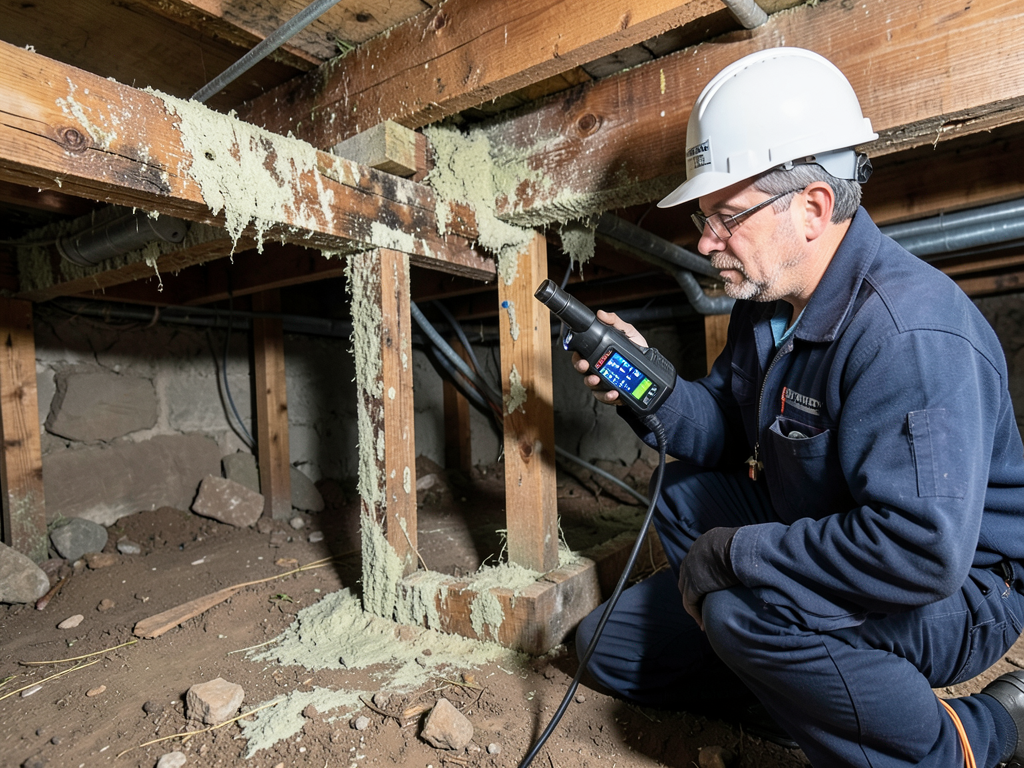
Look for these signs alongside the smell: visible dark spots on wood beams, condensation on air conditioning ducts, or white powdery substance on concrete. Mold can grow behind walls, under flooring, and in HVAC systems before you see it.
Black mold (Stachybotrys chartarum) produces mycotoxins that can cause respiratory problems, especially in children and elderly residents. Florida’s warm, moist climate accelerates mold growth, with colonies establishing in 24-48 hours after water exposure.
Hidden Sources of Water Damage in Jacksonville Homes
Water damage creates the moisture mold needs to grow. In Wesconnett, several factors contribute to hidden moisture problems that homeowners miss until they smell something wrong. Removing Hidden Mold from Your Historic Riverside Home Safely.
Florida’s frequent afternoon thunderstorms can overwhelm older drainage systems. Water pools around foundations, seeping through crawl space vents or cracks in concrete slabs. The sandy soil in Duval County drains quickly but also erodes easily, creating voids where water collects.
Roof leaks often go unnoticed until mold appears on ceilings. Florida’s hurricane season brings wind-driven rain that finds entry points around chimneys, vents, and damaged shingles. Once water enters attic spaces, it travels along beams and drips into walls. Fixing Attic Water Damage After a Northside Jacksonville Storm.
Plumbing leaks in pier-and-beam foundations are particularly problematic. A small pipe leak under your home can create a damp environment for months before causing visible damage. The smell often appears before any water stains show up inside.
According to the IICRC S500 Standard for water damage restoration, Category 3 water (sewer backup, flooding) requires immediate professional remediation due to contamination risks. Category 1 water (clean source) becomes Category 3 if left untreated for 72 hours. IICRC S500 Standard.
Professional Remediation vs. DIY
Many homeowners try bleach or store-bought mold killers first. While these might kill surface mold, they don’t address the moisture source or hidden colonies. Bleach actually feeds mold on porous surfaces by adding water content.
Professional remediation follows specific protocols. Technicians use moisture meters to detect hidden water in walls and floors. They establish containment barriers to prevent spore spread during removal. Industrial-grade dehumidifiers and air scrubbers remove moisture and capture airborne particles.
The process becomes more complex when sewer gas is involved. Hydrogen sulfide exposure can cause eye irritation, respiratory distress, and even loss of consciousness at high concentrations. Professional teams wear respirators and use gas detectors to ensure safe working conditions.
Florida law requires mold assessment and remediation to be performed by licensed professionals. The Florida Department of Business and Professional Regulation (DBPR) mandates specific training and certification for these services. EPA Mold Information.
Our Jacksonville Restoration Process
When you call (904) 839-6500, we follow a systematic approach to identify and eliminate both sewer gas and mold problems. Our process begins with a comprehensive inspection using thermal imaging cameras and moisture meters to locate all moisture sources.
We test air quality to determine if hydrogen sulfide or mold spores are present. For sewer gas issues, we pressure test plumbing lines to find leaks. For mold, we take surface samples to identify species and determine toxicity levels.
Containment is critical. We seal off affected areas with plastic sheeting and create negative air pressure to prevent cross-contamination. All contaminated materials get removed following EPA guidelines for hazardous waste.
Drying involves commercial dehumidifiers that remove gallons of moisture daily. We monitor humidity levels continuously, aiming for below 50% to prevent mold regrowth. Air scrubbers with HEPA filters capture microscopic particles.
Final treatment includes antimicrobial application to all surfaces and deodorization using hydroxyl generators or ozone machines, depending on the contamination level. We then verify results with post-remediation testing.
Preventing Future Problems in Your Wesconnett Home
After remediation, preventing recurrence becomes your priority. Wesconnett’s humid climate means moisture control requires ongoing attention. Install vapor barriers in crawl spaces to block ground moisture. Ensure proper grading around your foundation slopes away from the house.. Read more about Clever ways to tell if a Dinsmore house had previous water damage before you buy it.
Maintain your plumbing system. Replace old cast iron pipes before they fail. Clean your water heater annually and replace the anode rod every 3-5 years. Check for slow leaks under sinks and around toilets monthly.
Improve ventilation in your home. Use exhaust fans in bathrooms and kitchens. Consider a whole-house dehumidifier if humidity consistently exceeds 60% indoors. Clean your HVAC system annually to prevent mold growth in ducts.
Monitor your crawl space. Install a remote humidity monitor that alerts you to moisture spikes. Consider professional crawl space encapsulation, which seals the area with heavy-duty plastic and adds insulation.
Regular inspections catch problems early. Schedule annual plumbing checks and roof inspections. Address small issues before they become major repairs.
When to Call for Emergency Help
Some situations require immediate professional response. Call (904) 839-6500 right now if you notice:
- Strong rotten egg smell that intensifies over hours
- Visible mold covering more than 10 square feet
- Standing water in your crawl space or basement
- Recent plumbing backups or sewage odors
- Health symptoms like headaches, dizziness, or breathing problems that improve when you leave home
We provide 24/7 emergency response throughout Wesconnett and surrounding Jacksonville neighborhoods. Our teams arrive within 60 minutes of your call, equipped to handle both immediate safety concerns and long-term remediation.
Don’t wait for the problem to worsen. Sewer gas can corrode metal pipes and electrical components. Mold can destroy wood structures and reduce your home’s value. The longer you wait, the more extensive and expensive the repairs become.
Pick up the phone and call (904) 839-6500 before the next storm hits. Our licensed technicians will identify the source of that smell and create a plan to make your home safe and fresh again.
Frequently Asked Questions
Is that rotten egg smell dangerous?
Yes, it can be extremely dangerous. If it’s natural gas, you risk explosion. If it’s sewer gas, you risk hydrogen sulfide poisoning. Even if it’s just mold, the spores can cause serious respiratory issues. Never ignore this smell.
How much does mold remediation cost in Jacksonville?
Costs vary based on contamination extent and required repairs. Small areas might cost $500-1,500 while whole-house remediation can exceed $10,000. We provide free inspections and detailed quotes before any work begins.
Can I stay in my home during remediation?
It depends on the contamination level. For minor mold or plumbing repairs, you might stay with proper containment. For extensive mold, sewer gas, or Category 3 water damage, temporary relocation ensures your family’s safety during the process.
How long does the restoration process take?
Timeline varies by project scope. Emergency water extraction happens within hours. Drying typically requires 3-5 days. Complete remediation including repairs might take 1-3 weeks. We work efficiently to minimize your disruption.
Will my insurance cover this?
Coverage depends on your policy and damage cause. Sudden pipe bursts are usually covered. Gradual mold growth from maintenance issues often isn’t. We help document damage and work with insurance companies to maximize your benefits.
You may also find this helpful. Simple steps to make sure your Whitehouse sump pump doesn’t fail when you need it most.