The right way to dry out a flooded East Arlington garage without attracting mold
When East Arlington garage floods from heavy rains or storm surge, every hour counts. Standing water combined with Florida’s high humidity creates perfect conditions for mold growth within 24-48 hours. This guide walks you through the proven process to safely extract water, dry structural materials, and prevent mold from taking hold in your garage. Fast Flood Water Extraction for Jacksonville Beach Homeowners.
Why East Arlington garages flood more often than other areas
East Arlington sits in a low-lying area near the St. Johns River with poor natural drainage. The combination of clay-heavy soil that holds water and aging storm drainage systems means water backs up quickly during heavy rains. Many homes built in the 1970s and 1980s have slab foundations that sit directly on the ground without proper moisture barriers, making garages especially vulnerable to groundwater intrusion. Water Damage Restoration Neptune Beach.
According to FEMA flood maps, East Arlington includes several high-risk zones where properties have a 1% annual chance of flooding. The area’s proximity to the river and flat topography means water can rise rapidly during tropical systems, often overwhelming sump pumps before they can keep up. FEMA flood maps.
Step 1: Safety first – before touching anything
Before entering a flooded garage, you must check for electrical hazards. Water conducts electricity, and most garages have outlets, garage door openers, and appliances that create shock risks. Look for bubbling or hissing sounds near electrical panels. If water reached electrical outlets or appliances, turn off power at the main breaker before entering. Water Damage Restoration Green Cove Springs.
Wear rubber boots, gloves, and an N95 respirator mask. Flood water in East Arlington often contains sewage, chemicals, and bacteria from the St. Johns River and urban runoff. The water may look clean but can harbor dangerous pathogens.. Read more about What Happens When Your Water Softener Fails and Floods Your Garage in Middleburg.
Check for structural damage. If water is still rising or you see foundation cracks, evacuate immediately. Call (904) 839-6500 for emergency assessment before proceeding. Getting 24 Hour Emergency Water Extraction in Downtown Jacksonville.
Step 2: Remove standing water quickly
Time is critical. Every hour standing water remains increases mold risk exponentially. For water less than one inch deep, use a wet/dry vacuum with a proper GFCI outlet. For deeper water, use a submersible pump connected to a properly grounded outdoor outlet.
Start water removal from the lowest point, usually near the garage door where water enters. Push water toward the drain or pump location using a push broom. If your garage has no drain, direct water to the driveway where it can flow away from the house.
Category 3 water (black water) requires special handling. If flood water contains sewage or river water, it’s contaminated and requires professional disposal. Do not pour this water into storm drains or onto your lawn. Contact the Jacksonville Environmental Quality Division for proper disposal locations.. Read more about Professional Drying Services for Flooded Home Gyms and Rubber Flooring in Argyle Forest.
Pro tip: Document everything with photos before and during cleanup. This documentation helps with insurance claims under the National Flood Insurance Program (NFIP) guidelines.
Step 3: Dry concrete floors and walls
Concrete is porous and absorbs water like a sponge. Even after surface water is gone, moisture remains trapped inside. Use high-velocity air movers (not regular fans) to create airflow across all concrete surfaces. Position at least one air mover for every 100 square feet of floor space.
Concrete drying takes 3-5 days in East Arlington’s humid climate. Use a moisture meter to check progress. Concrete should read below 12% moisture content before installing any flooring or storage items.
For garage walls, check if drywall extends into the garage. If so, you may need to remove the bottom 12-24 inches (flood cut) since drywall wicks moisture upward. This follows IICRC S500 Standard for Professional Water Damage Restoration guidelines.. Read more about The Big Difference Between Flood Insurance and Water Backup Coverage for Your Jax Beach Home.
Warning: Do not use space heaters or open flames for drying. This creates fire hazards and can cause concrete to crack from rapid temperature changes.
Step 4: Control humidity to prevent mold
East Arlington’s average relative humidity exceeds 75%, making natural drying nearly impossible. Open doors and windows actually increase moisture levels by bringing in humid outdoor air. Instead, use dehumidifiers rated for at least 50 pints per day.
Place dehumidifiers in the center of the garage with air movers creating circulation. Empty collection tanks frequently or connect to a drain. Monitor humidity levels with a hygrometer. Target 35-45% relative humidity for optimal drying.
Dehumidification typically takes 3-7 days depending on water volume and garage size. Check progress daily. If humidity rises overnight, you have a moisture source still active somewhere.
Critical timing: Mold can begin growing in 24-48 hours at temperatures above 70°F with humidity over 60%. East Arlington’s summer conditions often reach 85°F with 80%+ humidity, making rapid response essential.
Step 5: Clean and sanitize all surfaces
After drying, clean all surfaces with an antimicrobial solution. Mix one cup of bleach per gallon of water for non-porous surfaces like concrete. Never mix bleach with ammonia or other cleaners as this creates toxic gases.
For garage doors, tracks, and hardware, use a commercial degreaser to remove oil and road grime that mold feeds on. Pay special attention to corners and crevices where moisture collects.
Check stored items carefully. Cardboard boxes, paper, and fabric absorb moisture and become mold breeding grounds. Discard items that show visible mold or have been submerged in contaminated water.
Important: If you discover mold covering more than 10 square feet, stop work immediately. Florida requires licensed mold assessors and remediators for larger contamination areas under DBPR regulations.
Step 6: Prevent future flooding
Install a high-capacity sump pump with battery backup. East Arlington’s clay soil and high water table mean groundwater rises quickly. A 1/2 HP pump with a 12-amp motor can handle most storm events.
Seal garage floor cracks with epoxy concrete sealer. Water enters through even hairline cracks. Clean thoroughly before sealing and allow 24 hours curing time.
Grade soil around the garage to slope away from the foundation. The ground should drop at least 6 inches within the first 10 feet from the garage walls. This follows Florida Building Code requirements for drainage.
Consider installing flood vents if your property is in a high-risk zone. These allow water to flow through rather than building pressure against walls. Check with the City of Jacksonville Building Inspection Division for permit requirements.
When to call professionals
Call (904) 839-6500 if you notice any of these signs: water continues rising despite pumping, structural cracks appear, mold covers more than 10 square feet, or water contains sewage. Professional restoration uses industrial-grade equipment that dries 3-5 times faster than consumer tools.
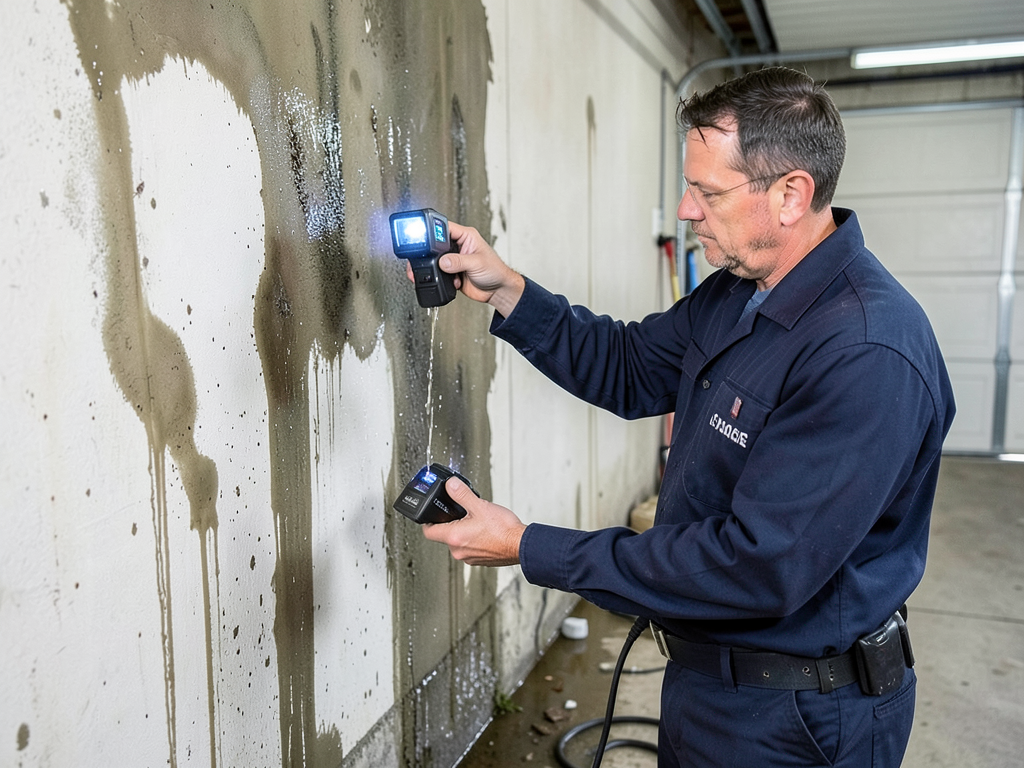
Professional services include thermal imaging to find hidden moisture in walls and thermal barriers that prevent future mold growth. They also handle insurance documentation and can often bill your insurance company directly. Removing Hidden Mold from Your Historic Riverside Home Safely.
Don’t wait until mold spreads. The cost of professional remediation increases significantly with each passing day after flooding.
Frequently Asked Questions
How long does it take to dry out a flooded garage?
Surface drying takes 24-48 hours with proper equipment, but complete structural drying takes 3-7 days in East Arlington’s humid climate. Concrete floors need 3-5 days to reach safe moisture levels below 12%.
Can I use my regular household fans to dry my garage?
Household fans move insufficient air volume for proper drying. You need high-velocity air movers that deliver 2,000+ cubic feet per minute. Regular fans may actually spread mold spores throughout your home.
Will my homeowner’s insurance cover garage flooding?
Standard policies exclude flood damage. You need separate flood insurance through NFIP or a private carrier. However, sudden plumbing failures inside the garage may be covered. Document everything and contact your agent immediately after flooding. EPA mold guidelines.
How can I tell if mold is growing in my garage?
Look for black, green, or white fuzzy patches on surfaces. Musty odors indicate active mold growth even if you can’t see it. Use a moisture meter to check walls and floors. Readings above 16% suggest conditions favorable for mold.
What should I do with flood-damaged items in my garage?
Discard porous items that touched contaminated water: cardboard, paper, fabric, upholstered furniture. Clean and disinfect hard plastic, metal, and glass items with bleach solution. Electronics exposed to water require professional evaluation before use.
Final checklist before putting your garage back together
- Moisture meter readings below 12% on all concrete surfaces
- Humidity levels consistently below 50%
- No visible mold or musty odors
- All electrical systems tested and safe
- Proper drainage restored around exterior
- Documentation complete for insurance claims
Flood recovery in East Arlington requires patience and proper technique. Rushing the drying process or skipping sanitization steps leads to bigger problems down the road. When in doubt, call the professionals at (904) 839-6500. We’re available 24/7 for emergency response throughout East Arlington and surrounding communities.
Don’t let a flooded garage become a mold nightmare. Take action today to protect your property and your family’s health.