Removing Mold and Water from Behind Your Kitchen Backsplash Tiles
Water seeping behind your kitchen backsplash tiles creates the perfect environment for mold growth. In Jacksonville’s humid climate, this hidden moisture problem can escalate quickly, causing structural damage and health risks. If you notice musty odors, discolored grout, or peeling paint near your backsplash, you likely have mold colonies thriving behind your tiles. Fast Flood Water Extraction for Jacksonville Beach Homeowners.
The combination of Jacksonville’s coastal humidity and common kitchen plumbing leaks creates ideal conditions for moisture to penetrate tile grout and seep into wall cavities. Once trapped between your backsplash and drywall, this water becomes a breeding ground for mold that can spread rapidly through your kitchen walls.
Common Signs of Mold Behind Your Backsplash
Hidden mold often reveals itself through subtle warning signs before becoming visible. Recognizing these indicators early can prevent extensive damage to your kitchen structure and protect your family’s health. Removing Hidden Mold from Your Historic Riverside Home Safely.
Musty odors near your sink or countertop are often the first detectable sign. This smell comes from microbial volatile organic compounds (mVOCs) released by active mold colonies. You might notice the odor intensifies when you run hot water or use the dishwasher, as heat and moisture activate the mold growth.
Discolored grout lines between tiles often indicate water infiltration. While some discoloration is normal from regular use, persistent dark spots or yellowing that doesn’t clean away suggests moisture problems. Pay special attention to areas around the sink, where water splashes frequently.
Bubbling or peeling paint on walls adjacent to your backsplash signals moisture trapped behind the tile surface. This occurs when water breaks down the adhesive bonds and creates pressure against the wall covering. In severe cases, you might notice actual tile movement or grout lines widening as the underlying structure deteriorates.
How Jacksonville’s Climate Creates Backsplash Mold Problems
Jacksonville’s unique environmental conditions significantly increase the risk of backsplash mold problems. Understanding these local factors helps you recognize why your kitchen might be more vulnerable than homes in other regions.
The city’s average relative humidity exceeds 75% throughout most of the year, with summer months often reaching 85-90% humidity levels. This constant moisture in the air creates perfect conditions for condensation to form on cool surfaces like tile backsplashes and surrounding walls.
During hurricane season from June through November, Jacksonville experiences frequent heavy rainfall and storm surges. Even minor roof leaks or window seal failures during these storms can direct water toward kitchen areas, where it becomes trapped behind backsplash tiles.
Many Jacksonville homes, particularly those built before 2010, feature construction methods that don’t adequately address moisture management. Older building practices often included minimal vapor barriers and relied on tile grout alone to prevent water infiltration, which proves insufficient in our humid climate.
Common Causes of Water Behind Kitchen Backsplash Tiles
Understanding what causes water to accumulate behind your backsplash helps prevent future problems and identifies when professional intervention becomes necessary.
Plumbing leaks represent the most frequent cause of backsplash moisture problems. Supply lines to your sink faucet, dishwasher connections, and garbage disposal units can develop slow leaks that go unnoticed for months. These leaks often occur behind the backsplash where water can seep into wall cavities before becoming visible.
Improper tile installation creates pathways for water infiltration. When installers fail to use waterproof membranes or apply insufficient grout sealant, water finds its way behind tiles through microscopic gaps. This problem becomes more pronounced in Jacksonville’s humid climate, where even small amounts of moisture can support significant mold growth.. Read more about How a Small Ice Maker Leak Can Ruin Your Entire Green Cove Springs Kitchen.
Condensation from temperature differentials between your kitchen and surrounding areas can cause moisture accumulation. This occurs when warm, humid indoor air contacts cooler wall surfaces behind backsplashes, creating condensation that slowly penetrates through tile grout and adhesive layers.
Window seal failures in kitchens with exterior windows allow rainwater to penetrate wall cavities. Once water enters these spaces, it travels along wall studs and accumulates behind backsplashes, creating hidden moisture problems that persist long after the initial leak stops.
Health Risks of Hidden Kitchen Mold
Black mold and other fungal species growing behind your kitchen backsplash pose serious health risks, particularly in food preparation areas where contamination can spread rapidly. EPA mold information.
Stachybotrys chartarum, commonly known as black mold, thrives in the consistently moist environment behind backsplashes. This toxic mold produces mycotoxins that can cause respiratory problems, headaches, and immune system suppression. In food preparation areas, these toxins can contaminate cooking surfaces and food storage areas.
People with asthma, allergies, or compromised immune systems face heightened risks from kitchen mold exposure. The confined space of most kitchens means mold spores concentrate quickly, creating respiratory distress even in healthy individuals. Children and elderly family members are particularly vulnerable to these health effects.
Beyond direct health impacts, mold damage can compromise your home’s structural integrity. As mold colonies expand, they break down drywall, wood studs, and insulation materials. This deterioration can lead to ceiling collapses, electrical hazards, and expensive structural repairs that far exceed the cost of early mold remediation.
Why DIY Backsplash Mold Removal Often Fails
Many homeowners attempt to tackle backsplash mold removal themselves, but this approach frequently worsens the problem and creates additional health hazards.
Surface cleaning with bleach or commercial mold removers only addresses visible mold growth. These products cannot penetrate behind tiles or reach mold colonies established within wall cavities. The mold simply regrows from remaining spores and moisture sources, often more aggressively than before.
Improper removal techniques can spread mold spores throughout your home. When homeowners remove backsplash tiles without proper containment, millions of microscopic spores become airborne and settle in other areas of your kitchen and living spaces. This cross-contamination creates new mold growth sites throughout your home.
DIY approaches typically fail to address the underlying moisture source. Without identifying and repairing plumbing leaks, condensation issues, or ventilation problems, any mold removal becomes a temporary fix. The moisture returns, and mold growth resumes within weeks or months. Repairing Sagging or Water Damaged Ceilings in Springfield.
Professional remediation requires specialized equipment and training that homeowners cannot safely replicate. HEPA filtration systems, antimicrobial treatments, and moisture detection tools used by certified technicians ensure complete mold removal and prevent recurrence.
Professional Mold Remediation Process in Jacksonville
Certified mold remediation follows strict protocols established by the IICRC S520 standard to ensure complete removal and prevent cross-contamination. IICRC S520 standard.
The process begins with containment setup using polyethylene sheeting and negative air pressure systems. This isolation prevents mold spores from spreading to other areas during removal. HEPA air scrubbers continuously filter the work area, capturing airborne particles as small as 0.3 microns.
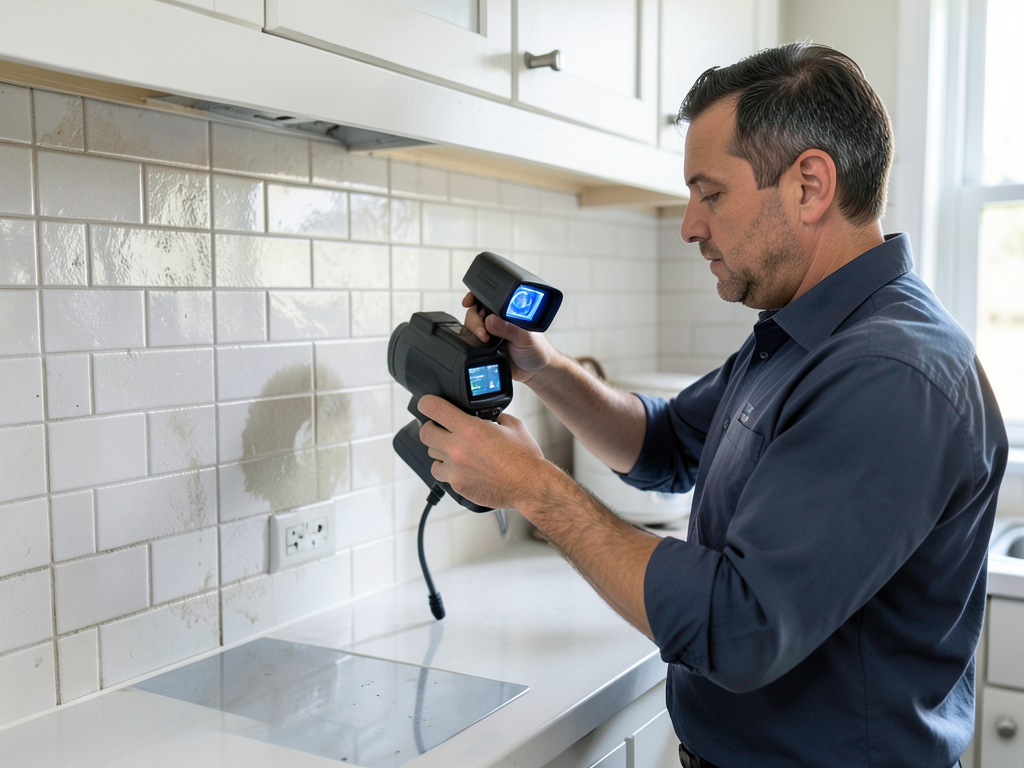
Moisture detection using thermal imaging cameras and moisture meters identifies the full extent of water damage. These tools reveal hidden moisture patterns behind walls that aren’t visible to the naked eye, ensuring complete problem identification before removal begins.
Removal involves carefully dismantling affected backsplash sections while maintaining containment. Technicians wear personal protective equipment including respirators, gloves, and Tyvek suits to prevent exposure. All contaminated materials are sealed in bags before removal from the containment area.
Antimicrobial treatment of remaining surfaces eliminates any residual mold spores and prevents regrowth. This step includes applying EPA-registered fungicides to wall cavities, studs, and surrounding areas to create a protective barrier against future mold colonization.
Structural drying using commercial dehumidifiers and air movers ensures all moisture is eliminated before reconstruction begins. This step typically requires 24-72 hours depending on the extent of water damage and local humidity conditions.
Prevention Tips for Jacksonville Kitchens
Preventing backsplash mold requires ongoing maintenance and awareness of Jacksonville’s unique climate challenges.
Install proper ventilation in your kitchen to reduce humidity levels. Range hoods should vent directly outdoors rather than recirculating air, and should be used during all cooking activities. Consider adding a small dehumidifier in particularly humid kitchens to maintain relative humidity below 50%.
Regular inspection of plumbing connections under sinks and behind appliances can catch leaks before they cause significant damage. Check supply lines, drain connections, and appliance water lines quarterly for signs of moisture or corrosion.
Apply fresh grout sealant annually to maintain waterproof barriers between tiles. In Jacksonville’s humid climate, grout deteriorates faster than in drier regions, requiring more frequent maintenance to prevent water infiltration.
Address any water damage immediately, even if it seems minor. Small leaks can create perfect conditions for mold growth within 24-48 hours in our humid environment. Quick response prevents minor issues from becoming major structural problems.
Consider upgrading older backsplash installations with modern waterproofing membranes and mold-resistant materials. While this represents an upfront investment, it provides long-term protection against the moisture problems common in Jacksonville homes.
Insurance Coverage for Kitchen Mold Damage
Understanding your insurance coverage for mold damage helps you make informed decisions about remediation and repairs.
Florida insurance policies typically distinguish between sudden water damage and gradual moisture problems. Sudden events like burst pipes or appliance failures are usually covered, while mold resulting from long-term humidity or maintenance issues often falls under excluded gradual damage. Florida Department of Business and Professional Regulation.
Most policies require prompt reporting of water damage to maintain coverage eligibility. Waiting too long to address moisture problems can result in claim denials, as insurers may determine you failed to mitigate damages properly.
Professional documentation of damage extent and cause becomes crucial for insurance claims. Certified mold inspectors can provide the detailed reports and testing results that insurance companies require to process claims efficiently.
Some Jacksonville homeowners find that adding mold-specific coverage to their policies provides better protection against the unique moisture challenges in our region. This supplemental coverage often includes provisions for professional remediation and structural repairs.
Material-Specific Mold Behavior Behind Backsplashes
Different backsplash materials react differently to moisture exposure and mold growth, affecting both the remediation approach and prevention strategies.
Natural stone backsplashes like granite or marble are porous materials that can absorb moisture even when properly sealed. Water infiltration behind these surfaces creates ideal conditions for mold growth within the stone itself, requiring specialized cleaning and sealing techniques.
Porcelain and ceramic tiles are non-porous but still vulnerable through grout lines and substrate materials. Water can penetrate through microscopic cracks in grout or around tile edges, reaching the drywall or cement board behind the tiles where mold can establish colonies.
Peel-and-stick backsplashes present unique challenges because they often lack proper waterproofing membranes. These budget-friendly options can trap moisture against wall surfaces, creating perfect conditions for mold growth without any visible warning signs until significant damage occurs.
Glass backsplashes resist mold growth on their surfaces but can still experience problems if water infiltrates around edges or through mounting hardware. The smooth surface makes mold easier to clean but doesn’t prevent moisture from reaching vulnerable wall materials behind the glass.
Professional Assessment and Testing Methods
Certified mold inspectors use advanced testing methods to accurately identify mold problems and determine the appropriate remediation scope.
Air quality testing measures mold spore concentrations throughout your kitchen and surrounding areas. This testing establishes baseline levels and identifies cross-contamination that might not be visible during visual inspection. Results help determine whether remediation is necessary and guide the scope of work.
Surface sampling collects mold spores from visible growth areas to identify specific species present. This testing reveals whether toxic mold species are present and helps determine appropriate treatment methods for complete removal.
Moisture mapping using infrared cameras and moisture meters creates a comprehensive picture of water damage extent. These tools detect temperature variations and moisture levels within wall cavities, revealing hidden damage that would otherwise require destructive testing to discover.
Lab analysis of collected samples provides definitive identification of mold species and growth patterns. This information guides treatment selection and helps establish appropriate containment and safety protocols for the remediation process.
Reconstruction and Prevention After Mold Removal
Proper reconstruction after mold remediation prevents future problems and restores your kitchen’s functionality and appearance.
Installation of mold-resistant materials including moisture-resistant drywall, treated wood studs, and antimicrobial paint creates barriers against future mold growth. These materials cost more initially but provide long-term protection against the moisture problems common in Jacksonville homes.
Improved ventilation systems and moisture barriers prevent water from reaching vulnerable areas behind backsplashes. This might include installing vapor barriers, upgrading exhaust fans, or adding dehumidification systems to maintain optimal humidity levels.
Proper sealing and waterproofing of all joints, edges, and transitions prevents water infiltration at vulnerable points. This includes using silicone caulk instead of grout at corners and edges where walls meet backsplashes, creating flexible waterproof seals that accommodate building movement.
Regular maintenance and inspection schedules help catch potential problems before they escalate. Quarterly checks of plumbing connections, ventilation systems, and backsplash integrity can prevent minor issues from becoming major mold problems.
Emergency Response for Severe Mold Situations
Certain situations require immediate professional intervention to prevent extensive damage and health risks.
Visible black mold growth covering more than 10 square feet indicates a severe infestation requiring professional remediation. This level of growth suggests extensive moisture problems and potential structural damage that exceeds DIY capabilities.
Strong, persistent musty odors that don’t dissipate with ventilation suggest active mold colonies producing significant spore loads. These odors often indicate mold established within wall cavities where it cannot be reached through surface cleaning.
Water damage from recent plumbing failures or storm events creates immediate mold growth risks. In Jacksonville’s humid climate, mold can establish within 24-48 hours of water exposure, making rapid response critical for preventing extensive damage.
Health symptoms including respiratory problems, headaches, or allergic reactions that improve when away from home suggest indoor air quality issues requiring professional investigation. These symptoms often indicate elevated mold spore levels affecting your family’s health.
Cost Factors for Professional Mold Remediation
Several factors influence the cost of professional mold remediation behind kitchen backsplashes.
Extent of damage determines the scope of work required. Small, contained mold problems affecting limited areas cost significantly less than extensive infestations requiring partial wall reconstruction and comprehensive moisture management.
Accessibility affects labor costs and equipment requirements. Mold behind easily accessible backsplashes costs less to remediate than mold within finished walls or in hard-to-reach areas requiring extensive demolition and reconstruction.
Testing and documentation requirements add to overall costs but provide essential information for proper remediation. Professional testing identifies mold species, growth extent, and moisture sources, ensuring complete problem resolution.
Reconstruction quality and materials selection impact both immediate costs and long-term protection. Using premium mold-resistant materials and improved moisture management systems increases upfront costs but prevents future problems and reduces lifetime ownership costs.
Choosing the Right Remediation Professional
Selecting qualified professionals ensures proper mold removal and prevents recurring problems.
Verify licensing and certifications including Florida mold assessor and remediator licenses required by the Department of Business and Professional Regulation. These credentials ensure technicians meet state training and insurance requirements for mold work.
Check references and review past project photos to verify experience with kitchen mold remediation specifically. Kitchen environments present unique challenges including food safety concerns and complex plumbing systems that require specialized expertise.
Confirm insurance coverage including general liability and pollution liability insurance. These protections safeguard you against damage during remediation and ensure proper cleanup of any cross-contamination that might occur.
Request detailed written proposals outlining scope of work, timeline, and warranty provisions. Professional companies provide clear documentation of their approach and stand behind their work with written guarantees.
Frequently Asked Questions
How quickly does mold grow behind backsplash tiles?
Mold can begin growing within 24-48 hours of water exposure in Jacksonville’s humid climate. The combination of moisture, warmth, and organic materials in wall cavities creates ideal conditions for rapid mold colonization.
Can I just clean visible mold with bleach?
No. Bleach only kills surface mold and cannot penetrate behind tiles or reach established colonies within wall cavities. This approach often makes problems worse by adding moisture and spreading spores during cleaning attempts.
How much does professional mold remediation cost?
Costs vary based on damage extent, ranging from $500-$2,000 for small contained areas to $5,000-$15,000 for extensive infestations requiring structural repairs. Most Jacksonville homeowners spend $1,500-$3,000 for typical kitchen backsplash mold remediation.
Will my insurance cover mold damage?
Coverage depends on the cause of moisture. Sudden plumbing failures are typically covered, while mold from long-term humidity or maintenance issues is often excluded. Review your policy or consult your insurance agent for specific coverage details.
How long does mold remediation take?
Most kitchen backsplash mold remediation projects take 2-5 days total. This includes containment setup, removal, treatment, drying, and reconstruction. Complex cases requiring structural repairs may extend to 7-10 days.
Can mold come back after professional remediation?
Professional remediation with proper moisture management prevents recurrence. However, if underlying moisture sources aren’t addressed, mold can return. This is why identifying and fixing the root cause is essential for lasting results. Fixing Attic Water Damage After a Northside Jacksonville Storm.
What health symptoms indicate mold exposure?
Common symptoms include respiratory problems, sinus congestion, headaches, fatigue, and allergic reactions. Symptoms often worsen in the affected area and improve when away from home. Severe cases may cause neurological symptoms or immune system suppression.
Should I move out during mold remediation?
For small projects affecting limited areas, staying home is usually safe with proper containment. Extensive remediation or toxic mold species may require temporary relocation, especially for vulnerable individuals like children, elderly, or those with respiratory conditions.
How can I prevent mold from returning?
Prevent mold by controlling humidity below 50%, fixing plumbing leaks immediately, maintaining proper ventilation, and using mold-resistant materials during any renovations. Regular inspections help catch problems before they escalate.
What certifications should I look for in a remediation company?
Look for IICRC certification, Florida mold assessor/remediator licenses, and EPA lead-safe certification if your home was built before 1978. These credentials ensure technicians meet professional standards and follow proper safety protocols.
Take Action Before Mold Spreads Further
Hidden mold behind your kitchen backsplash won’t resolve itself and will only worsen over time. The combination of Jacksonville’s humid climate and common kitchen moisture sources creates perfect conditions for mold to thrive and spread through your home’s structure.
Don’t wait until you’re facing extensive structural damage or serious health problems. Professional mold assessment and remediation can identify the full extent of your problem and provide lasting solutions that protect your home and family.
Call (904) 839-6500 today to schedule your professional mold inspection. Our certified technicians will assess your situation, identify moisture sources, and provide a clear plan for complete remediation. We serve homeowners throughout Jacksonville and surrounding communities with 24/7 emergency response available. Getting 24 Hour Emergency Water Extraction in Downtown Jacksonville.
Pick up the phone and call (904) 839-6500 before the next storm hits or the next plumbing leak occurs. Early intervention saves you money and protects your family’s health from the dangers of hidden kitchen mold.