Deciding Between Structural Drying and a Full Demolition for Your Wet Walls
When water invades your Jacksonville walls the first decision feels overwhelming: do you try to save the structure or tear it out completely. The answer depends on what type of water flooded in how long it sat and what materials absorbed it. In Northeast Florida’s humid climate every hour counts because mold can begin growing within 24 to 48 hours. Fast Flood Water Extraction for Jacksonville Beach Homeowners.
Structural drying uses industrial-grade equipment to remove moisture from inside wall cavities without demolition. High-velocity air movers and Low-Grain Refrigerant dehumidifiers force dry air through wet materials while monitoring moisture levels with thermal imaging. This method works when the water was clean Category 1 such as a broken supply line and the materials are still structurally sound. Water Damage Restoration Neptune Beach.
Demolition becomes necessary when contaminated water has soaked through or when materials have begun to break down. Category 3 black water from sewage or floodwater carries pathogens and requires removal of all affected materials. If drywall has delaminated or wood has warped beyond repair the only safe option is controlled demolition followed by proper disposal and reconstruction. EPA mold guidelines.
The cost difference can be significant. Drying an average 12×12 foot room might cost $1,200 to $2,500 while full demolition and rebuild could run $4,000 to $8,000 or more. But the real cost is in what you cannot see. Hidden moisture left behind by incomplete drying can lead to structural rot and toxic mold growth that costs far more to remediate later. Removing Hidden Mold from Your Historic Riverside Home Safely.
In Jacksonville’s coastal environment high ambient humidity makes professional drying equipment essential. DIY fans and household dehumidifiers cannot achieve the low vapor pressure needed to pull moisture from deep inside wall studs and insulation. Without professional-grade LGR dehumidifiers and HEPA air scrubbers the drying process can take weeks instead of days leaving time for secondary damage to occur. Water Damage Restoration Green Cove Springs.
Call (904) 839-6500 today for a professional assessment. We’ll test moisture levels map the affected areas and give you a clear recommendation based on IICRC S500 standards and Florida building codes. Don’t wait until the damage spreads.
Understanding Water Categories and Their Impact
Not all water damage is equal. The Institute of Inspection Cleaning and Restoration Certification defines three categories based on contamination level. Category 1 is clean water from a broken pipe or rain intrusion. Category 2 is gray water with some contamination like dishwasher overflow. Category 3 is black water containing sewage chemicals or pathogens.
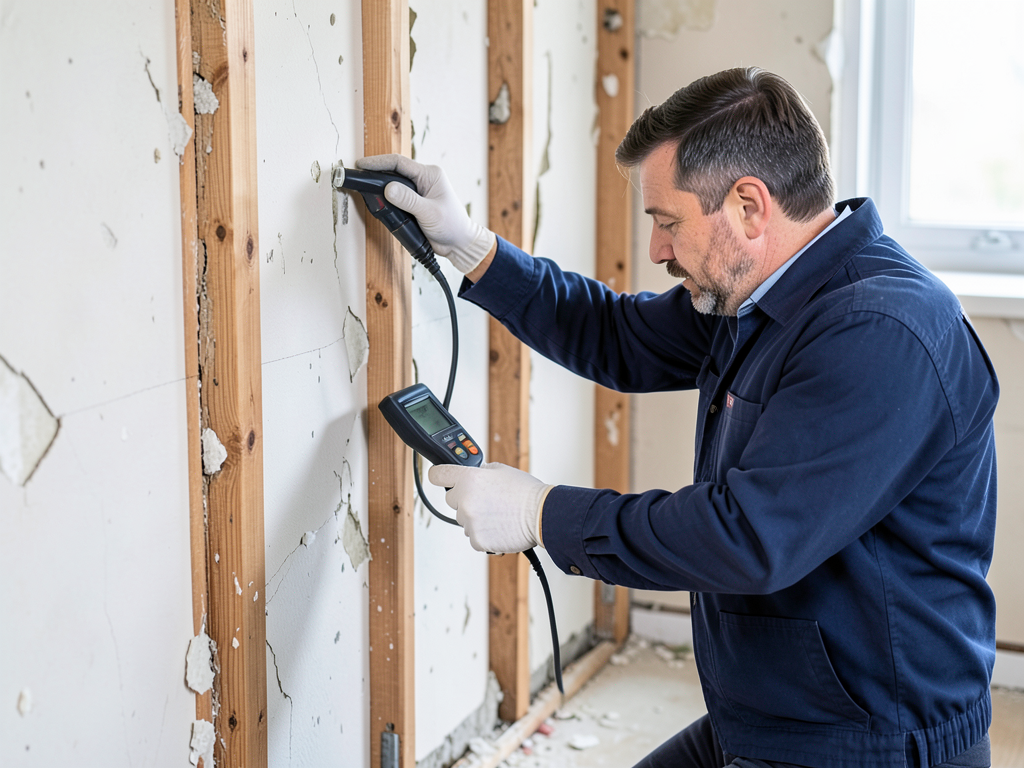
A technician uses a moisture meter to test wall studs after water exposure showing how different materials absorb moisture at different rates.
In Jacksonville homes Category 1 water on drywall can often be dried in place if addressed within 24 hours. But if that same water sits for 48 hours or mixes with insulation behind the wall the material may need removal. Category 3 water requires immediate demolition regardless of how long it sat because of health risks.. Read more about Why You Must Remove Wet Insulation in Your Northside Attic After a Roof Leak.
Building materials also dictate the approach. Plaster walls in historic Riverside homes can sometimes be saved with specialized drying techniques while modern drywall with paper backing in newer Mandarin subdivisions wicks moisture quickly and often must be replaced. The decision matrix changes based on material age construction method and contamination level.
The Science Behind Professional Structural Drying
Professional drying is not just setting up fans. It relies on psychrometrics the study of air and moisture properties. Technicians calculate the exact number and placement of air movers based on room volume and material type. They use moisture meters to establish a baseline then monitor progress until materials return to normal moisture content typically 12 to 16 percent for wood.
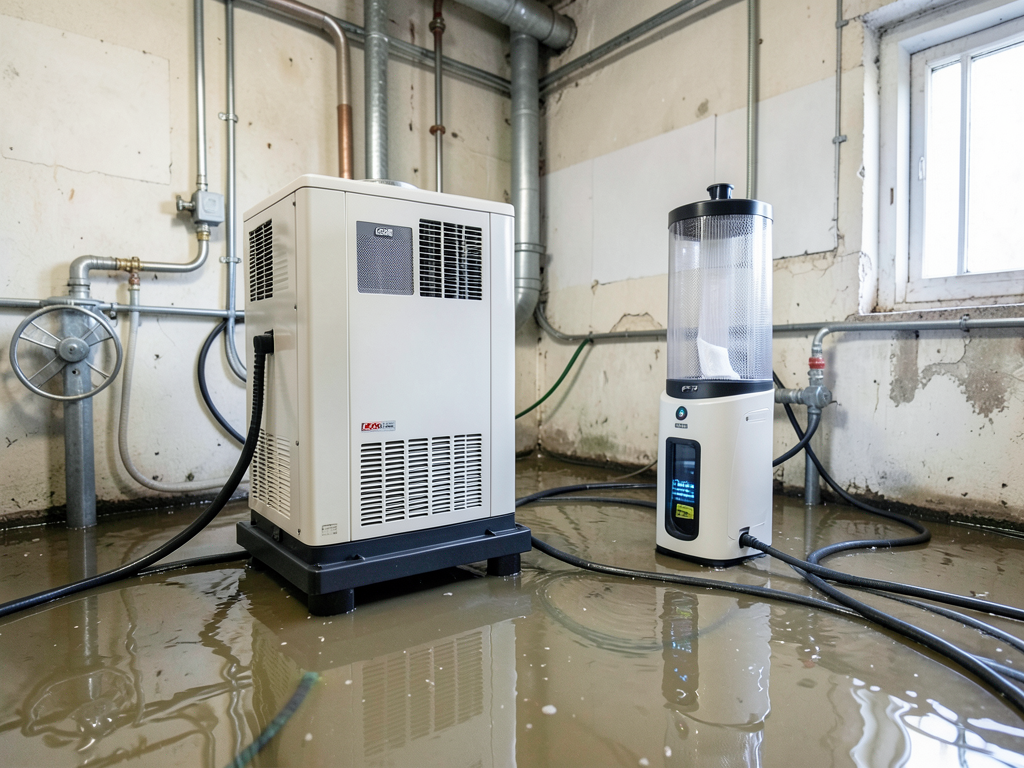
An LGR dehumidifier pulls moisture from the air while HEPA air scrubbers filter out airborne contaminants during the drying process.
Thermal imaging cameras detect temperature differences that reveal hidden moisture pockets behind walls. This technology prevents the need for unnecessary demolition by showing exactly where water traveled. In Jacksonville’s humid climate drying times can extend from the standard 3-5 days to 5-7 days because the outdoor air constantly adds moisture back into the structure.
Professional drying also includes antimicrobial treatments to prevent mold growth. These EPA-registered products are applied to affected areas before drying begins creating a barrier against microbial amplification. This step is critical in Florida where warm temperatures accelerate biological growth.
When Demolition Is the Only Safe Option
Certain conditions make demolition mandatory regardless of cost. Category 3 water contamination requires removal of all porous materials within the affected zone. This includes drywall insulation carpet and sometimes even structural wood if it cannot be properly sanitized. Florida Department of Business and Professional Regulation requires licensed mold assessors to evaluate these situations before any work begins.
Structural integrity is another hard stop. If moisture content in wood studs exceeds 20 percent the material begins to lose strength. Sagging ceilings buckling floors and soft wall studs indicate the point of no return. At this stage drying cannot restore the original strength and replacement is the only option. Repairing Sagging or Water Damaged Ceilings in Springfield.
Time is the third critical factor. In Jacksonville’s 80-plus percent relative humidity mold spores can colonize in 24 to 48 hours. Once visible mold appears the affected materials must be removed under containment to prevent spore spread. This process requires negative air pressure HEPA filtration and proper personal protective equipment under EPA guidelines.
Cost-Benefit Analysis for Jacksonville Property Owners
Comparing the financial impact helps justify the chosen method. A typical structural drying job for a 500 square foot area costs $1,500 to $3,000 including equipment labor and monitoring. Demolition for the same area runs $2,000 to $4,000 plus $1,500 to $3,000 for reconstruction and finishes. The drying option preserves existing finishes and can be completed in days rather than weeks.
A moisture map showing affected areas in different colors helps determine the exact scope of work needed for either drying or demolition.
However demolition may be more cost-effective when contamination is widespread. If 70 percent of a wall needs removal the labor to dry the remaining 30 percent may equal the cost of full replacement. Insurance coverage also plays a role. Many policies cover sudden water damage but exclude gradual damage or mold unless professionally documented.
The hidden costs of choosing the wrong method can be substantial. Incomplete drying that leads to mold can result in $5,000 to $15,000 in remediation costs. Structural damage from rot can require $10,000 to $30,000 in repairs. In Jacksonville’s real estate market these issues can also reduce property value by 5 to 10 percent.
Jacksonville’s Unique Climate Challenges
Northeast Florida’s climate creates specific complications for water damage restoration. Average relative humidity stays above 70 percent most of the year. This means outdoor air constantly tries to equalize with indoor moisture levels. Professional drying must overcome this constant moisture influx by creating a strong vapor pressure differential inside the structure.
During hurricane season from June through November storm surges and heavy rainfall can overwhelm drainage systems. Homes in flood zones along the St. Johns River or near the Intracoastal Waterway face additional risks. FEMA flood maps show many Jacksonville neighborhoods in high-risk areas requiring special drying and demolition protocols under National Flood Insurance Program guidelines. FEMA flood maps.
Older homes in historic districts like Riverside and Avondale present unique challenges. Many were built with lath and plaster rather than modern drywall. While plaster is more water-resistant it becomes extremely heavy when saturated and may require specialized drying or careful removal to prevent structural damage. These homes also often have balloon framing that allows water to travel between stories unseen.
Professional Assessment Process
The first step is always a comprehensive inspection. Technicians use moisture meters to test materials at multiple depths. They check for active leaks using infrared cameras to detect temperature anomalies. They assess contamination by testing for bacteria and mold spores. This diagnostic process typically takes one to two hours and costs $150 to $300 but provides the data needed to make the right decision.
Based on the assessment technicians create a drying plan or demolition scope. For drying they calculate equipment needs place air movers and dehumidifiers and set up monitoring equipment. For demolition they establish containment zones wear proper PPE and follow local disposal regulations. Duval County requires special handling for materials containing asbestos or lead common in homes built before 1978.
The drying process typically runs 24 to 72 hours with daily monitoring. Technicians adjust equipment based on moisture readings and document progress with photos and meter readings. Once materials reach target moisture content they apply antimicrobial treatments remove equipment and provide clearance documentation. This documentation is often required for insurance claims and real estate transactions.
Making the Right Call for Your Property
The decision between drying and demolition ultimately comes down to safety cost and long-term value. If the water was clean the materials are structurally sound and you act within 24 hours drying is usually the best option. It preserves your home’s integrity minimizes disruption and costs less.
Demolition becomes the right choice when contamination is present materials have degraded or time has allowed secondary damage to occur. While more expensive upfront it eliminates health risks prevents further structural damage and provides a fresh start. In Jacksonville’s climate where humidity accelerates every problem choosing the wrong method can multiply your costs.
Don’t let uncertainty guide your decision. Call (904) 839-6500 today for a professional assessment. Our certified technicians will test your walls document the damage and give you a clear recommendation based on industry standards and local conditions. Whether you need drying or demolition we’ll get your home back to safe and dry as quickly as possible.
Frequently Asked Questions
How long can wet walls sit before they need demolition?
Clean water on drywall can often be saved if addressed within 24 hours. After 48 hours the risk of mold growth increases significantly. Contaminated water requires immediate action regardless of time. The material type and extent of saturation also matter. A professional moisture assessment can determine if drying is still viable.
Will my insurance cover structural drying or demolition?
Most homeowners insurance policies cover sudden and accidental water damage including drying costs. Coverage for demolition and reconstruction depends on the cause and extent of damage. Gradual leaks or long-term moisture issues are often excluded. Mold coverage varies by policy. We work with all major insurers and can help document your claim.
Can I dry walls myself with fans and dehumidifiers?
Household equipment cannot achieve the low vapor pressure needed for deep structural drying. Professional LGR dehumidifiers and air movers are specifically engineered to remove moisture from wall cavities and subfloors. DIY methods may appear to work on the surface but leave hidden moisture that causes mold and rot within weeks.
How do I know if mold is growing behind my walls?
Visible signs include discoloration musty odors and warping. However mold often grows unseen behind walls. Professional testing uses moisture meters infrared cameras and air sampling to detect hidden growth. In Florida’s climate if materials stay wet for more than 48 hours mold should be assumed present until proven otherwise.
What’s the difference between Category 1 and Category 3 water?
Category 1 is clean water from supply lines rain or melting ice. Category 3 is grossly contaminated water containing sewage chemicals or pathogens. The category determines whether materials can be saved and what safety protocols are required. Category 3 always requires demolition of porous materials and professional containment.