How to Stop Patio Door Leaks from Ruining Your Subfloor During a Ponte Vedra Nor’easter
Heavy rain from a northeast storm slams against your sliding glass door. Water pools in the track and seeps through worn weatherstripping. Within hours your subfloor is saturated. Mold grows in 24-48 hours in Ponte Vedra’s humid climate. You need to act fast. Fast Flood Water Extraction for Jacksonville Beach Homeowners.
This guide shows you how to identify patio door leaks before they destroy your home. You will learn how coastal storms drive rain through sliding doors and what damage happens when water reaches your subfloor. We also explain when to call a professional water damage restoration company. Water Damage Restoration Neptune Beach.
Coastal Ponte Vedra homes face unique challenges. Salt air corrodes weatherstripping. Strong northeast winds push rain horizontally through even small gaps. The St. Johns County building code requires specific flashing details for doors exposed to hurricane-force winds. Understanding these factors helps you protect your home.
Common Causes of Sliding Glass Door Leaks in Coastal Florida
Patio door leaks happen for several reasons. Clogged drainage holes prevent water from escaping the track. Worn weatherstripping creates gaps where wind-driven rain enters. Improper flashing allows water to penetrate the wall cavity. Hydrostatic pressure during heavy storms forces water through any available opening.. Read more about Why your storm shutters might be trapping moisture and rotting your window frames.
Salt air accelerates corrosion of metal components. Track rollers develop pitting that creates uneven surfaces. This causes doors to sit crooked allowing water to pool on one side. The track slopes toward the interior instead of draining outward.
Building settlement creates gaps between the door frame and rough opening. Temperature changes cause materials to expand and contract creating new gaps each season. Poor installation leaves gaps in corner welds or fails to seal the threshold properly.. Read more about The hidden link between Florida termites and water-damaged wood in your home.
Step-by-Step Troubleshooting for Ponte Vedra Homeowners
During a storm you need immediate action. First check if water is entering the track. Look for pooling water near the door sill. Feel for moisture under the door threshold with your hand.
Remove standing water from the track using towels or a wet vacuum. Check drainage holes at the track ends. Clear any debris with a straightened paper clip. Pour water into the track to verify it drains properly to the exterior.
Inspect weatherstripping for gaps or deterioration. Run your finger along the seal feeling for soft spots or missing sections. Check the door sweep at the bottom for wear. Look for light gaps when the door is closed on a sunny day.
Test the door alignment by opening and closing it. It should move smoothly without binding. Uneven gaps around the frame indicate misalignment. Check if the door sits level using a small bubble level on the threshold.
The Hidden Dangers: Why ‘Just Wiping It Up’ Isn’t Enough
Surface water removal only addresses the visible problem. Water that penetrates your subfloor causes hidden damage. Moisture meters detect elevated readings in subfloor plywood within hours of exposure. The damage spreads laterally affecting adjacent rooms. Removing Hidden Mold from Your Historic Riverside Home Safely.
Mold growth begins when moisture content exceeds 16% in wood materials. Ponte Vedra’s average humidity of 80% accelerates this process. Mold colonies establish in wall cavities where you cannot see them. The musty odor indicates active growth.
Subfloor rot weakens structural integrity. Soft spots develop where plywood delaminates. Floor joists absorb moisture causing them to swell and crack. This creates uneven floors and potential safety hazards.
Water damage extends beyond the immediate area. Drywall wicks moisture upward several feet. Baseboards trap water against walls creating perfect conditions for mold behind trim. Electrical outlets near the floor may short circuit when wet.
Our Restoration Process for Water Damaged Subfloors
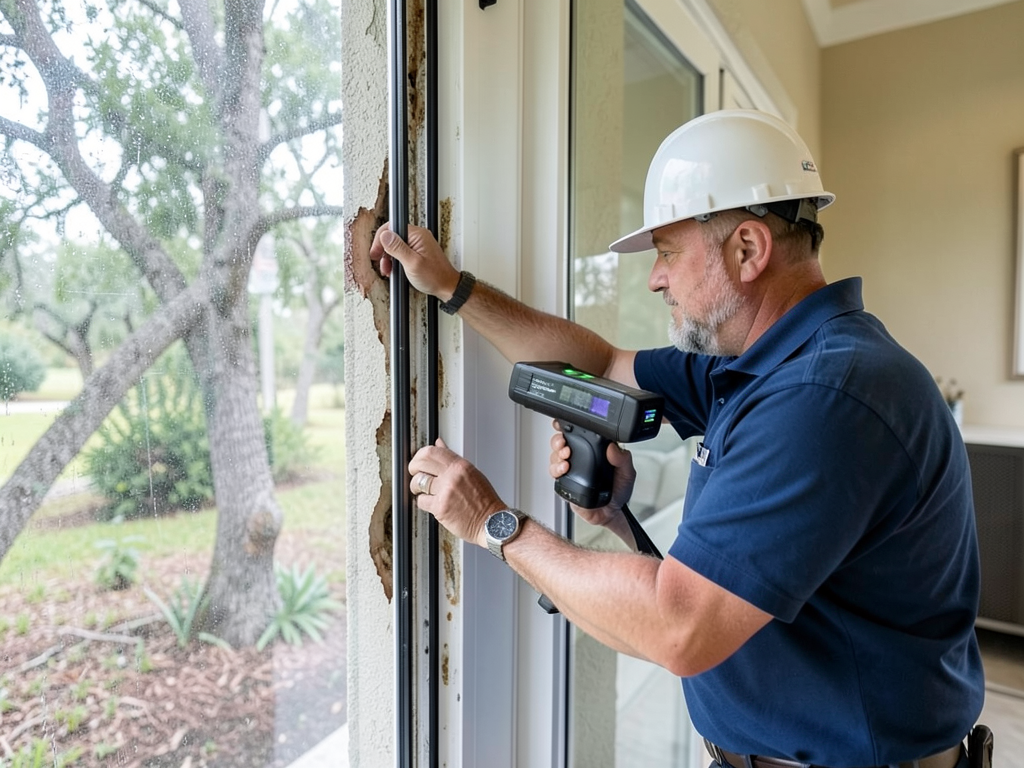
Professional restoration follows a systematic approach. We start with moisture mapping using thermal imaging cameras. These detect temperature differences indicating water presence behind walls and under floors.
Industrial-grade moisture meters measure water content at different depths. We test subfloor plywood, floor joists, and adjacent wall materials. This creates a comprehensive damage assessment.
Water extraction removes standing moisture. Truck-mounted extraction units remove water more effectively than shop vacs. We use weighted extraction tools that compress carpet and padding forcing water to the surface.
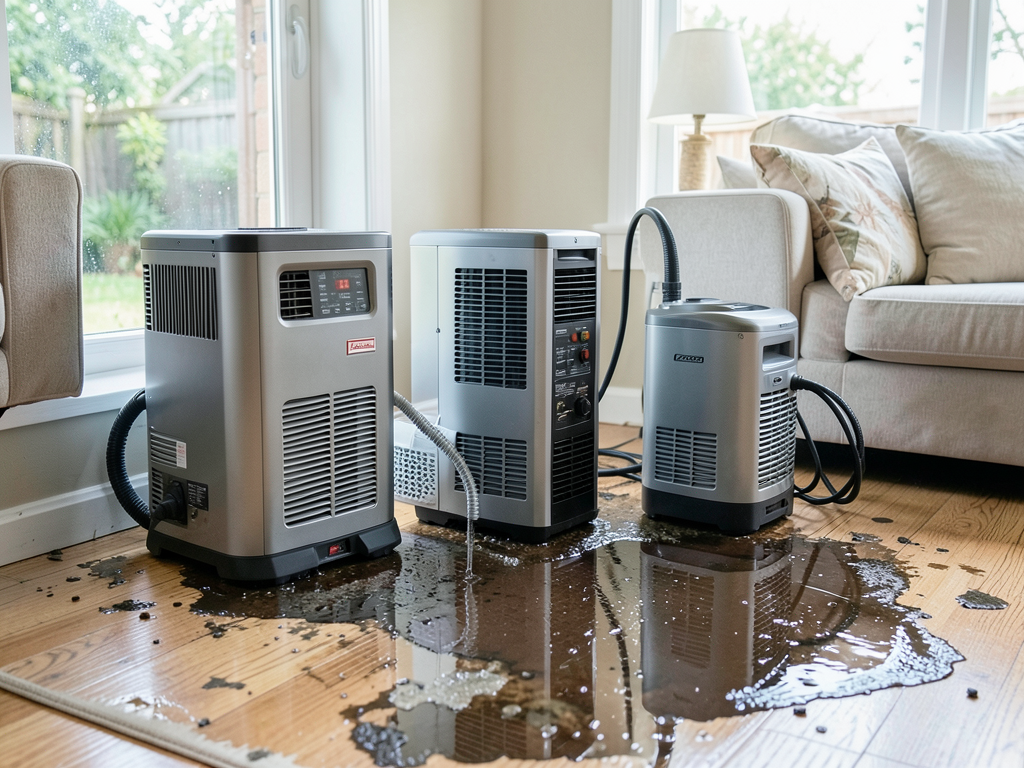
Structural drying involves placing commercial dehumidifiers and air movers strategically. We calculate the number of machines needed based on cubic footage and moisture levels. Drying typically takes 3-5 days depending on conditions.
Antimicrobial treatment prevents mold growth. We apply EPA-registered products to affected surfaces. This includes subfloor areas and wall cavities if necessary. The treatment creates a protective barrier against future mold colonization. EPA mold information.
Final moisture verification confirms drying completion. We document moisture content readings showing materials returned to normal levels. This documentation supports insurance claims and ensures your home is safe.
Navigating Insurance Claims in St. Johns County
Florida homeowners insurance covers sudden water damage from storms. However coverage depends on the cause and your specific policy. Wind-driven rain entering through a door gap is typically covered. Gradual damage from poor maintenance may be denied. Florida Division of Emergency Management.
Document damage immediately with photos and videos. Show water in the track, wet flooring, and any visible damage. Keep receipts for emergency measures like wet vac rental or professional drying services. Getting 24 Hour Emergency Water Extraction in Downtown Jacksonville.
Insurance adjusters look for signs of long-term neglect. Maintain records of door maintenance and repairs. Replace weatherstripping every 5-7 years in coastal environments. Document these preventive measures.
St. Johns County building code compliance affects claims. Doors installed to current hurricane standards have better coverage prospects. We can provide documentation showing your restoration meets all local requirements.
Most policies cover structural drying and restoration. Contents coverage varies by policy. Electronics and furniture damaged by water may need separate coverage. We can help itemize damaged contents for your claim.
Coastal Weatherproofing Solutions for Ponte Vedra Homes
Preventive measures reduce future water damage risk. Install impact-rated sliding doors designed for hurricane zones. These have reinforced frames and better sealing systems than standard doors.
Upgrade to marine-grade weatherstripping. This material resists salt air corrosion and maintains flexibility in humid conditions. Replace it every 3-4 years in coastal environments.
Install proper flashing during door replacement. This includes sill flashing, jamb flashing, and head flashing. Each component directs water away from the building envelope. St. Johns County requires specific flashing details for coastal construction.
Consider door threshold replacement with raised designs. These create a physical barrier preventing water from entering the interior. Some thresholds include built-in drainage channels directing water back outside.
Apply protective coatings to door frames. These repel water and resist UV damage. Coastal sun exposure accelerates material degradation. Annual maintenance extends door life significantly.
Comparing DIY vs Professional Restoration
| Aspect | DIY Approach | Professional Restoration |
|---|---|---|
| Moisture Detection | Visual inspection only | Thermal imaging and moisture meters |
| Water Removal | Shop vac and towels | Industrial extraction equipment |
| Drying Time | Days to weeks | 3-5 days controlled |
| Mold Prevention | Household cleaners | EPA-registered antimicrobials |
| Insurance Documentation | Limited records | Comprehensive reports |
| Structural Assessment | None | Professional evaluation |
Warning Signs You Need Professional Help
Certain conditions indicate you need immediate professional assistance. Water that has been present more than 24 hours requires professional drying. Mold visible on surfaces means active growth is occurring.
Soft or spongy flooring indicates subfloor damage. Warped baseboards or bubbling paint shows water has penetrated walls. Musty odors suggest mold growth in hidden areas.
Electrical issues near water exposure create safety hazards. Do not use outlets or switches that may have gotten wet. Call an electrician if you notice flickering lights or tripped breakers.
Structural concerns require immediate attention. Sagging ceilings or floors indicate serious water damage. Cracks in walls may show foundation movement from water saturation. Repairing Sagging or Water Damaged Ceilings in Springfield.
Time sensitivity matters. The longer water sits, the more damage occurs. Mold grows exponentially after 48 hours. Insurance may question why you delayed professional help.
Cost Factors for Subfloor Restoration in Ponte Vedra
Restoration costs vary based on several factors. Damage extent determines the scope of work needed. Small areas cost less than whole-room restoration.
Material types affect pricing. Hardwood flooring requires different treatment than carpet. Tile floors may hide subfloor damage requiring removal to assess.
Access difficulty impacts labor costs. Second-floor damage requires equipment to move materials upstairs. Tight spaces increase labor time.
Insurance coverage influences your out-of-pocket costs. Policies with high deductibles mean more expense for you. Some companies waive deductibles for covered claims.
Urgency affects pricing. Emergency response after hours costs more than scheduled service. However waiting increases total damage and final cost.
Permit requirements in St. Johns County add costs. Structural repairs need permits and inspections. We handle all permitting to ensure code compliance.
Frequently Asked Questions
How long before mold grows after a patio door leak?
Mold can begin growing within 24-48 hours in Ponte Vedra’s humid climate. The combination of moisture and warmth creates ideal conditions for rapid mold colonization.
Can I just replace the weatherstripping to fix the leak?
Weatherstripping replacement may stop surface leaks but does not address existing water damage. Moisture already in your subfloor continues causing damage until professionally removed.
Will my insurance cover subfloor water damage?
Most Florida homeowners policies cover sudden water damage from storms. Coverage depends on your specific policy and the cause of damage. Gradual damage from maintenance issues may be excluded.
How do I know if water reached my subfloor?
Signs include soft spots when walking, cupping or buckling of flooring, musty odors, and visible mold growth. Professional moisture testing provides definitive results.
How long does professional drying take?
Typical drying takes 3-5 days using commercial equipment. Severe cases may require longer. We monitor progress daily and adjust equipment as needed.
Preventing Future Patio Door Leaks
Regular maintenance prevents most water intrusion problems. Clean track drainage holes monthly using compressed air or a small brush. This prevents debris buildup that blocks water flow.
Lubricate track rollers annually with silicone spray. This prevents corrosion and ensures smooth operation. Check door alignment each season as buildings settle.
Inspect weatherstripping twice yearly for damage. Replace it at the first sign of deterioration. Coastal environments require more frequent replacement than inland areas.
Keep exterior grade below interior floor level. Water should flow away from your home. Proper grading prevents water from pooling against door thresholds.
Install storm shutters or impact-rated doors for severe weather. These provide additional protection during hurricanes and nor’easters common in Ponte Vedra.
Consider professional door inspection annually. Technicians can identify potential problems before they cause damage. Early detection saves money and prevents major repairs.
Call (904) 839-6500 for Emergency Water Damage Restoration
Water damage from patio door leaks requires immediate action. Every hour increases the damage and mold risk. Our team responds 24/7 to Ponte Vedra and surrounding areas.
We provide free inspections to assess your damage. Our technicians use professional equipment to detect hidden moisture. We work directly with insurance companies to simplify your claims process.
Do not wait for the next storm to cause more damage. Call (904) 839-6500 now to schedule your inspection. We will stop the water damage and restore your home to safe conditions.
Pick up the phone and call (904) 839-6500 before the next northeast storm hits. Protect your home and your family from water damage and mold growth.
You may also find this helpful. Why your luxury sky-lights are dripping during those heavy Riverside rainstorms.