Clever ways to tell if a Dinsmore house had previous water damage before you buy it
Buying a home in Dinsmore means navigating Florida’s unique climate challenges where high humidity and occasional storms create perfect conditions for hidden water damage. Smart buyers know that previous water issues can lead to mold growth, structural problems, and costly repairs down the road. Before you sign on the dotted line, understanding how to spot these warning signs can save you thousands and protect your investment. EPA mold information.
Water damage often leaves subtle clues that untrained eyes miss. From musty odors to slight discoloration, these indicators tell a story about a home’s history that goes beyond what sellers might disclose. This guide walks you through the most effective ways to detect previous water damage in Dinsmore properties, helping you make an informed decision about your potential new home. Fast Flood Water Extraction for Jacksonville Beach Homeowners.
The Sensory Checklist: Sight, Smell, and Touch
Your senses provide the first line of defense when inspecting a Dinsmore home for water damage history. Visual cues often reveal the most obvious signs, but don’t overlook what your nose and fingers can tell you about a property’s past. Water Damage Restoration Neptune Beach.
Discoloration and Stains
Look for yellow, brown, or copper-colored rings on ceilings and walls. These circular stains often indicate past roof leaks or plumbing issues. Pay special attention to areas around light fixtures, ceiling corners, and wall junctions where water tends to pool. In Dinsmore’s older homes, these stains might appear beneath bathrooms on upper floors or near window frames where condensation builds up. Water Damage Restoration Green Cove Springs.
Check for bubbling or peeling paint, which suggests moisture trapped beneath the surface. This commonly occurs in bathrooms, kitchens, and laundry rooms where humidity levels stay elevated. Press gently on suspicious areas – if the paint gives way or feels soft, you’ve likely found water damage.. Read more about Who is Responsible When an HOA Main Line Causes Water Damage in Your Community.
The Musty Odor
Water damage creates a distinct musty smell caused by microbial volatile organic compounds released by mold and mildew. This odor often lingers even after visible damage has been repaired. When touring a Dinsmore home, especially in summer months when humidity peaks, pay attention to closet interiors, basement areas, and rooms with poor ventilation.
The smell tends to be strongest in areas where water damage occurred previously. If you notice a persistent musty odor that air fresheners can’t mask, this often indicates ongoing moisture problems or previous damage that wasn’t properly remediated.
Texture Changes
Run your hand along baseboards, window sills, and door frames. Warped or swollen wood indicates moisture exposure. In Dinsmore’s climate, wood expands and contracts with humidity changes, but severe warping suggests prolonged water contact.
Check for soft spots in flooring, especially near toilets, sinks, and dishwashers. Press firmly with your foot – if the floor feels spongy or gives under pressure, water has likely compromised the subfloor. This is particularly common in homes with pier and beam foundations common in older Dinsmore neighborhoods.
Room-by-Room Inspection Points
Different areas of a home face unique water damage risks. A systematic room-by-room approach ensures you don’t miss critical warning signs during your inspection.
Kitchen Warning Signs
The kitchen contains multiple water sources that can cause hidden damage. Look under the sink for water stains, corrosion on pipes, or warped cabinet bottoms. Check the dishwasher area for swelling or discoloration around the base. Removing Hidden Mold from Your Historic Riverside Home Safely.
Examine the flooring near the refrigerator, especially if it has an ice maker or water dispenser. Water lines can leak slowly over time, causing damage that’s not immediately visible. In Dinsmore homes, tile floors may show loose or cracked grout lines near water sources.. Read more about Saving Your Engineered Wood Floors from Cupping After a Leak in Mandarin.
Bathroom Red Flags
Bathrooms are water damage hotspots due to constant moisture exposure. Check caulking around tubs and showers for cracks or gaps. Peeling or discolored caulk often indicates previous water intrusion.
Look for soft spots in flooring near toilets – this can indicate a slow leak from the wax ring seal. Check the ceiling below upstairs bathrooms for any signs of water staining or bubbling paint.
Test the grout in tiled showers by pressing on it with your finger. If it crumbles or feels soft, water has likely penetrated behind the tiles, causing damage to the wall structure.
Attic and Roof Indicators
Head to the attic if possible and examine the underside of the roof deck. Look for water stains, dark spots, or areas where the wood appears darker than surrounding areas. These indicate past roof leaks. Fixing Attic Water Damage After a Northside Jacksonville Storm.
Check for daylight visible through roof boards, which suggests gaps that allow water entry during storms. In Dinsmore, where afternoon thunderstorms are common, even small roof defects can lead to significant water damage.
Inspect attic insulation for dark spots or areas where it appears compressed. Wet insulation loses its effectiveness and often remains discolored even after drying.
The ‘Cover-Up’ Signs: What Sellers Might Hide
Sellers sometimes attempt to conceal previous water damage through cosmetic fixes. Learning to spot these cover-ups can reveal a property’s true history.
Fresh paint in isolated areas often indicates recent repairs. If one wall or ceiling section looks significantly newer than surrounding areas, this could signal water damage repair. Check for paint that appears thicker or has a different texture than the original finish.
Brand new flooring in just one room raises questions about what the seller might be hiding underneath. Water damage frequently requires floor replacement, so a single room with new flooring warrants closer inspection of adjacent areas.
Heavy use of air fresheners or deodorizers during showings can mask musty odors from previous water damage. If a home smells strongly of artificial scents, especially in specific rooms, this might indicate the seller is trying to cover up underlying issues.
Tools the Professionals Use
Professional water damage inspectors rely on specialized equipment to detect problems that aren’t visible to the naked eye. Understanding these tools helps you know what to ask for during a professional inspection.
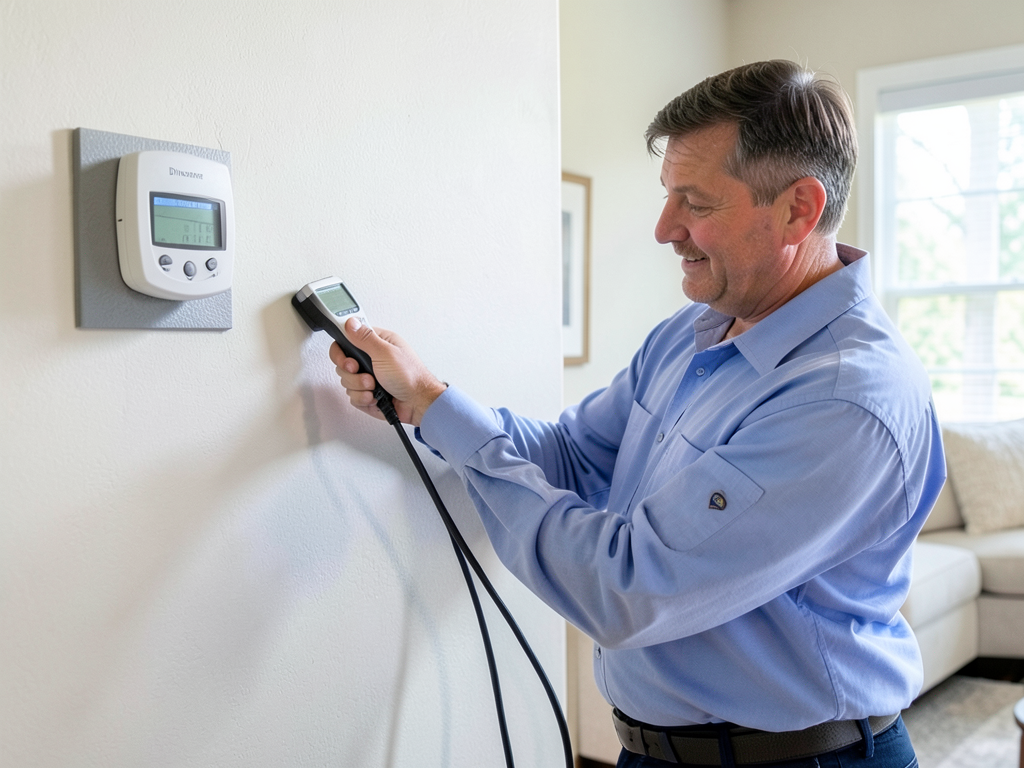
Moisture meters measure the water content in building materials. These handheld devices can detect elevated moisture levels in walls, floors, and ceilings without causing damage. Readings above 15-20% in wood materials often indicate problems.
Infrared thermal cameras identify temperature differences that reveal hidden moisture. Wet areas appear cooler than dry areas on these cameras, allowing inspectors to locate water damage behind walls or under floors. This technology is particularly useful in Dinsmore’s humid climate where moisture problems often develop slowly over time.
Hygrometers measure relative humidity levels in different rooms. Consistently high humidity (above 60%) creates conditions favorable for mold growth and can indicate ventilation problems or previous water damage that wasn’t properly addressed.
Common Water Damage Patterns in Dinsmore Homes
Understanding the specific water damage risks in Dinsmore helps you know where to focus your inspection efforts. The area’s climate and building patterns create predictable damage scenarios.
Older Dinsmore homes often feature pier and beam foundations that can develop moisture problems underneath. Check for signs of foundation movement, which can create gaps that allow water entry during heavy rains.
Many Dinsmore properties sit on properties with high water tables. This means basement areas and crawl spaces face constant moisture pressure. Look for efflorescence on concrete foundation walls – this white, powdery substance indicates water has been seeping through the concrete.
Hurricane season brings unique risks to Dinsmore homes. Previous storm damage might have been repaired, but poor repairs can lead to ongoing issues. Check for signs of temporary fixes like tarps or plastic sheeting that might have been used during storm recovery.
When to Call a Jacksonville Restoration Expert
While DIY inspection can reveal many water damage signs, some situations require professional expertise. Knowing when to bring in a specialist can prevent you from buying a property with serious hidden problems.
If you discover multiple warning signs during your inspection, it’s time to call a professional. A single water stain might be harmless, but several indicators across different areas suggest systemic issues that require expert evaluation.
Professional water damage inspectors can perform moisture mapping to determine the extent of damage. They use specialized equipment to check for active leaks, measure moisture content in building materials, and assess whether mold growth has occurred.
Insurance considerations also matter. If you suspect previous water damage, a professional inspection report can help you understand potential insurance implications. Some policies exclude coverage for pre-existing conditions or gradual damage that occurred before you owned the property.
Protecting Your Investment
Water damage detection is just one part of protecting your Dinsmore home investment. Consider these additional steps to ensure you’re making a sound purchase decision.
Request repair records from the seller, specifically asking about any water damage incidents or plumbing repairs. While sellers might not always disclose everything, asking direct questions creates a record of your due diligence.
Consider hiring a home inspector who specializes in water damage detection. These professionals understand the specific risks facing Dinsmore homes and know where to look for hidden problems.
Factor potential repair costs into your offer price. If you discover signs of previous water damage, this might justify a lower purchase price to account for necessary repairs and remediation.
Don’t let perfect be the enemy of good. Some water damage history doesn’t necessarily make a home a bad investment, especially if it’s been properly repaired. The key is understanding the extent of the damage and ensuring proper remediation has occurred.
Remember that water damage detection is about risk management, not finding a perfect home. Every Dinsmore property has some history, and understanding that history helps you make informed decisions about your investment.
If you discover concerning signs during your inspection or want professional verification of your findings, call (904) 839-6500 today. Our Jacksonville water damage experts can provide comprehensive inspections and help you understand exactly what you’re dealing with before you make one of the biggest purchases of your life.
Frequently Asked Questions
How can I tell if water damage has been properly repaired?
Properly repaired water damage typically shows no active moisture, has no musty odors, and features matching materials and finishes. Check for consistent paint texture, level flooring, and absence of soft spots. Ask for documentation of repairs and consider professional moisture testing for verification.
Is mold always present with water damage?
Mold can begin growing within 24-48 hours of water exposure, but doesn’t always develop if the area dries quickly. However, previous water damage that wasn’t properly dried creates ideal conditions for mold growth. Musty odors and visible discoloration often indicate mold presence even when not immediately visible.
Should I walk away from a house with previous water damage?
Not necessarily. Many homes have had water damage that was properly repaired. The key factors are the extent of damage, quality of repairs, and whether underlying issues have been addressed. Professional inspection can help you determine if the damage history represents a serious concern or a manageable issue.
What’s the most common type of water damage in Dinsmore homes?
Roof leaks and plumbing issues are most common in Dinsmore due to the area’s storm frequency and aging housing stock. High humidity also contributes to condensation-related problems, particularly in poorly ventilated areas like attics and crawl spaces.
How much does a professional water damage inspection cost?
Professional water damage inspections typically range from $200 to $500 depending on the home’s size and the inspection’s complexity. This cost is minimal compared to potential repair costs for undiscovered water damage, making it a worthwhile investment for peace of mind.
Can I use a regular home inspector to check for water damage?
Standard home inspectors look for obvious signs of water damage, but may miss subtle indicators or lack specialized equipment. Water damage specialists have specific training and tools for detecting hidden moisture and understanding the full scope of potential problems. For more information, visit Florida Building Code.