Comparing thermal imaging and moisture meters for finding hidden leaks
Hidden water leaks can destroy your home before you even know they exist. In Jacksonville’s humid climate moisture problems escalate quickly into mold growth and structural damage. Professional restoration technicians use two main non-invasive tools to find these hidden threats thermal imaging cameras and moisture meters. Understanding how each works helps you know what to expect when a technician arrives at your door. Fast Flood Water Extraction for Jacksonville Beach Homeowners.
Thermal imaging cameras detect temperature differences across surfaces. When water leaks behind walls or under floors it creates cold spots that show up as dark blue or purple on the camera screen. Moisture meters use electrical conductivity to measure water content in materials. These handheld devices send a small electrical signal through drywall wood or concrete to determine if moisture levels exceed normal thresholds. Water Damage Restoration Neptune Beach.
Both tools serve different purposes in leak detection. Thermal imaging excels at finding the location of a leak quickly across large areas. Moisture meters provide precise measurements to confirm if water is actually present and how severe the problem is. A skilled technician uses both tools together to create a complete picture of hidden water damage. Removing Hidden Mold from Your Historic Riverside Home Safely.
How thermal imaging cameras detect hidden leaks
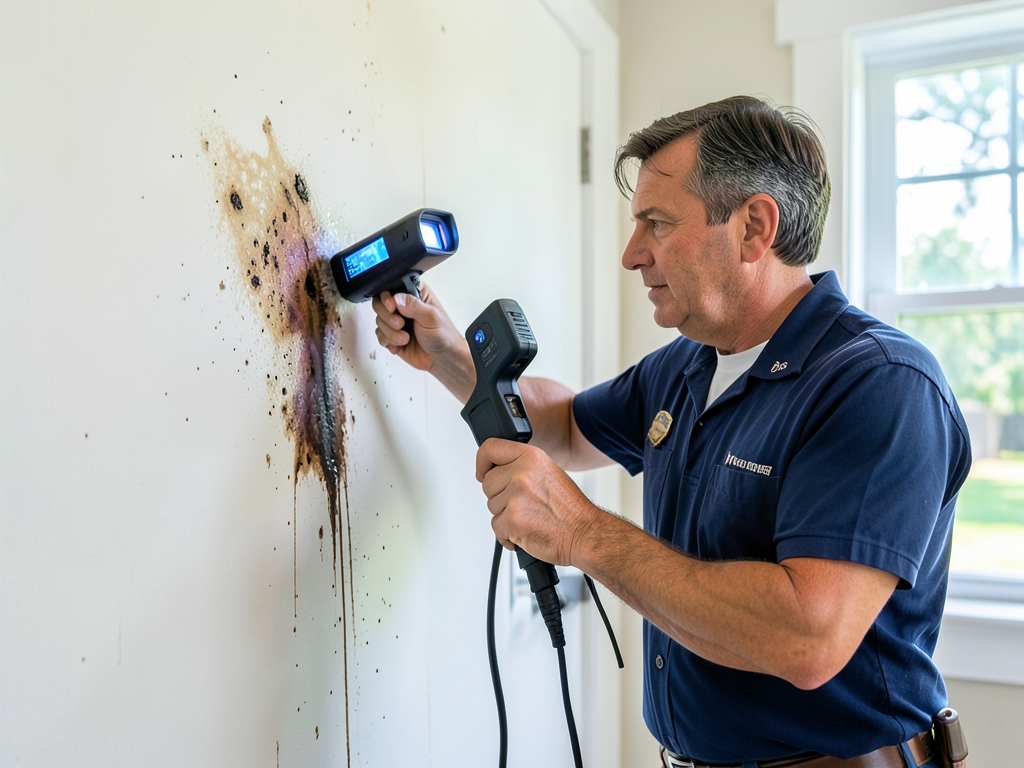
Thermal imaging works by detecting infrared radiation emitted by objects. Every surface gives off heat energy that the camera converts into a visible color map. When water is present it changes how that surface absorbs and releases heat. Wet materials cool down slower than dry ones creating temperature differences the camera can see. Water Damage Restoration Green Cove Springs.
In Jacksonville homes thermal cameras often reveal AC condensate line leaks behind walls. The constant presence of cool water creates a cold spot that grows larger over time. Roof leaks show up as irregular cold patches on ceilings after rain. Slab leaks beneath concrete floors create temperature anomalies that spread across large areas.
The technology cannot see through solid materials like X-ray vision. Instead it detects the thermal signature created by moisture’s presence. This makes thermal imaging perfect for scanning entire rooms quickly to identify problem areas before drilling any holes.
Moisture meters and their role in leak detection
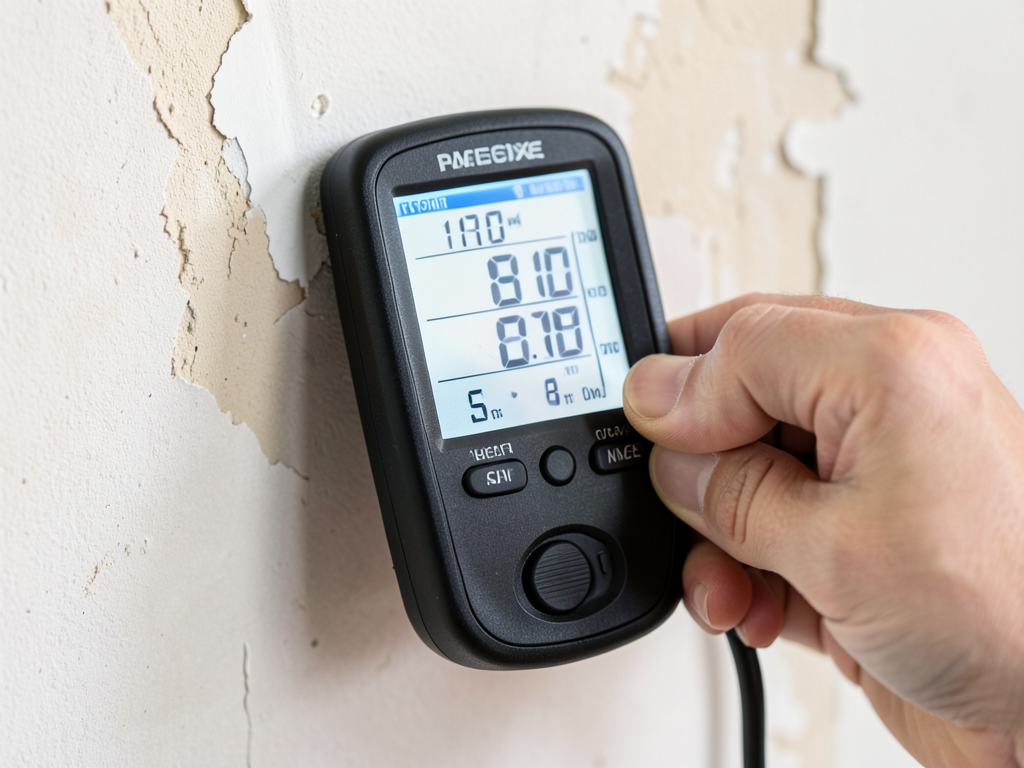
Moisture meters measure the actual water content in building materials. Pin-type meters use two metal probes that penetrate the material surface. The electrical resistance between the pins changes based on moisture levels. The meter displays a percentage reading showing how wet the material is compared to normal.
Pinless meters use electromagnetic sensors to scan larger areas without damaging surfaces. These work well on finished walls and floors where you cannot make holes. They measure moisture in a cone-shaped area beneath the sensor typically up to 1.5 inches deep.
Moisture meters provide the quantitative data that thermal cameras cannot. While a thermal image might show a cold spot the moisture meter confirms if that spot actually contains water. This verification step is crucial for insurance documentation and determining the extent of damage.
Comparing thermal imaging and moisture meters side by side
| Feature | Thermal Imaging | Moisture Meter |
|---|---|---|
| Detection Method | Temperature differences | Electrical conductivity |
| Surface Damage | None | Small pin holes (pin type) |
| Coverage Area | Large areas quickly | Small specific spots |
| Depth Penetration | Surface to several inches | Up to 1.5 inches |
| Accuracy | Shows location only | Shows moisture percentage |
| Best For | Initial scanning | Verification and mapping |
| Cost | $3,000-15,000 professional grade | $200-2,000 professional grade |
| Training Required | Extensive certification | Basic certification |
Common Jacksonville leak scenarios and detection methods
Jacksonville’s unique climate creates specific leak patterns that thermal imaging and moisture meters handle differently. The high humidity means moisture meters must account for ambient conditions when taking readings. What looks like a problem might just be normal humidity affecting the measurement.
AC condensate line failures are extremely common in Jacksonville homes. These leaks often occur in interior walls where the main drain line runs from the air handler to the exterior. Thermal cameras quickly identify the cold spot where condensation water collects. Moisture meters then confirm the exact moisture content in the drywall and wood framing. Sump Pump Failure Cleanup.
Slab leaks present another unique challenge. Jacksonville’s sandy soil and high water table put extra pressure on underground pipes. Thermal imaging can detect the temperature difference created by leaking hot or cold water beneath concrete slabs. The technician scans the floor systematically looking for irregular temperature patterns that indicate water movement.
Roof leaks after Atlantic storms affect many Jacksonville neighborhoods. Thermal cameras work best for these when the sun has been shining on the roof for several hours. The wet insulation under the roof surface stays cooler than the surrounding dry areas creating a clear thermal signature.
The professional leak detection process
- Initial Thermal Scan
The technician uses a thermal camera to scan all suspect areas. This creates a heat map showing temperature anomalies that might indicate moisture problems.
- Moisture Verification
Moisture meters confirm if thermal anomalies contain actual water. The technician takes readings at multiple depths to map the extent of moisture intrusion.
- Area Mapping
The technician documents all findings with photos and moisture readings. This creates a moisture map showing the exact location and severity of water damage.
- Problem Isolation
By combining thermal and moisture data the technician identifies the water source. This might be a pipe leak roof failure or condensation problem.
- Damage Assessment
The final step determines how far the moisture has spread and what materials need removal or drying. This guides the restoration plan.
Why professional equipment matters
Consumer-grade thermal cameras and moisture meters cannot match professional equipment. FLIR brand thermal cameras used by restoration professionals detect temperature differences as small as 0.1 degrees Fahrenheit. These cameras cost thousands of dollars and provide much higher resolution than consumer models.
Professional moisture meters offer multiple reading modes for different materials. They compensate for ambient humidity and temperature automatically. Some models store reading data with timestamps for insurance documentation. The accuracy difference between professional and consumer equipment can mean finding a leak that would otherwise go undetected.
Jacksonville building codes require specific moisture content thresholds for different materials. Professional technicians know these standards and can determine if materials need removal or can be dried in place. This knowledge prevents unnecessary demolition and reduces restoration costs.
Insurance documentation and thermal imaging
Insurance companies increasingly accept thermal imaging reports as evidence for water damage claims. The visual nature of thermal images makes it easy for adjusters to understand the extent of damage. Moisture meter readings provide the quantitative data needed to justify restoration costs.
Florida Department of Business and Professional Regulation (DBPR) guidelines require proper documentation for mold remediation. Thermal imaging and moisture mapping create the paper trail needed to comply with these regulations. This documentation also protects homeowners from future liability issues.
Many Jacksonville insurance policies now specifically mention thermal imaging as an approved detection method. This recognition reflects the technology’s reliability and the industry’s acceptance of non-invasive inspection techniques.
Frequently Asked Questions
Can thermal imaging find all types of leaks?
Thermal imaging works best for leaks that create temperature differences. It excels at finding AC condensate leaks roof leaks and slab leaks. However it cannot detect leaks in perfectly insulated pipes or slow leaks that do not create noticeable temperature changes.
How accurate are moisture meters?
Professional moisture meters are highly accurate when used correctly. Pin-type meters typically have accuracy within 1-2% for wood and 0.1% for drywall. Pinless meters are slightly less accurate but provide faster scanning of large areas.
Should I buy my own thermal camera or moisture meter?
Consumer-grade equipment lacks the sensitivity and features of professional tools. While they might help you identify potential problems they cannot match the accuracy needed for proper diagnosis. Professional inspection provides reliable results backed by experience and proper documentation.
How long does a professional leak detection take?
A typical residential inspection takes 1-2 hours depending on the size of the home and the complexity of the suspected problem. The technician needs time to scan all areas thoroughly and take multiple readings for verification.
What should I do if I suspect a hidden leak?
Turn off your water main if you see active water damage. Document the damage with photos for insurance purposes. Call a professional restoration company immediately. Hidden leaks worsen quickly and can cause extensive damage in just 24-48 hours.
Hidden water leaks threaten your home’s structure and your family’s health. The combination of Jacksonville’s humidity and the difficulty of seeing behind walls makes professional leak detection essential. Thermal imaging and moisture meters work together to find problems quickly without destructive testing.
Fortress Water Damage Restoration Jacksonville uses professional-grade FLIR thermal cameras and moisture meters to locate hidden leaks throughout the greater Jacksonville area. Our technicians are trained in the latest detection methods and understand Jacksonville’s unique building challenges. Fortress Water Damage Restoration Jacksonville.
Don’t wait for visible water damage to appear. Call (904) 839-6500 today to schedule your professional leak detection inspection. Early detection saves thousands in repair costs and prevents dangerous mold growth in your home.