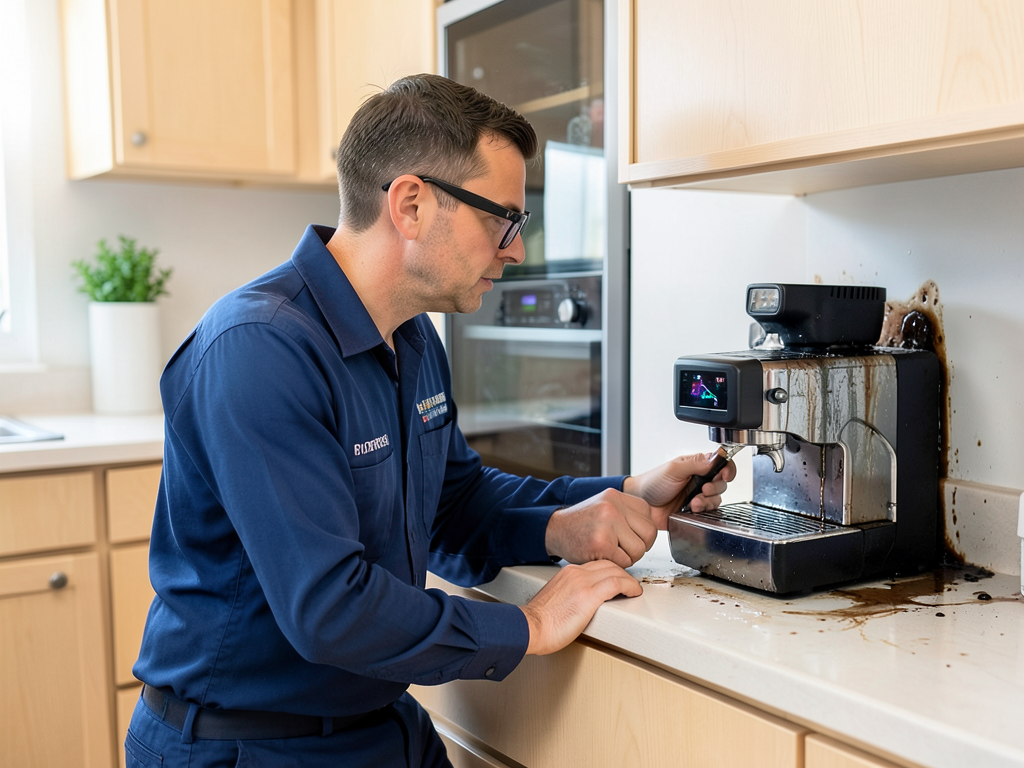
What to do when your high-end espresso machine leaks and ruins your kitchen island
Finding water pooling under your expensive espresso machine is more than just a kitchen inconvenience. It can quickly escalate into a serious water damage situation that affects your cabinetry, flooring, and even the structural integrity of your home. This guide walks you through the immediate steps to take, how to assess the damage, and when you need to call in Jacksonville water damage professionals. Fast Flood Water Extraction for Jacksonville Beach Homeowners.
Immediate Safety Steps
Before you do anything else, unplug the machine from the wall outlet. Water and electricity create a serious hazard that can cause electrical shock or start a fire. If the outlet is near the water, turn off the circuit breaker to that area if you can do so safely. Water Damage Restoration Neptune Beach.
Next, stop the water source. For most espresso machines, this means turning off the water supply valve if it’s connected to a direct water line. If it’s a reservoir model, remove the water tank to prevent further leaking. Use towels or a wet vacuum to contain the standing water and prevent it from spreading to other areas of your kitchen. Water Damage Restoration Green Cove Springs.
Warning: Do not attempt to dry out electrical components yourself. Water inside the machine can cause short circuits that may not be immediately visible but can create fire hazards later.
Assessing the Damage: Surface vs. Structural
Not all water damage is immediately visible. Surface damage shows up as water stains, bubbling paint, or warped cabinet doors. Structural damage occurs when water seeps into materials and causes them to deteriorate from within.
Check your kitchen island for these signs of damage:
- Soft spots in the countertop that feel spongy when pressed
- Separation or delamination of laminate or veneer surfaces
- Musty odors that indicate mold growth
- Dark spots or discoloration on wood surfaces
- Cracks or separation in grout lines or caulking
The most concerning damage often occurs underneath and inside the cabinetry where you can’t see it. Water can travel along the path of least resistance, wicking up through wood and causing damage far from the original leak site.
Common Causes of Coffee Maker Leaks
Understanding why your espresso machine leaked helps prevent future incidents and informs your restoration approach. Most leaks fall into these categories:
- Reservoir valve failure – The valve that controls water flow from the tank can degrade over time, especially with mineral buildup from hard water
- Cracked water lines – Internal hoses can develop cracks from heat cycling or physical stress
- Faulty pressure relief valves – These safety devices can fail, causing water to escape under pressure
- Seal deterioration – Gaskets and O-rings break down from heat and mineral deposits
- Overfilling – User error can cause water to overflow from the reservoir
In Jacksonville’s humid climate, mineral buildup happens faster due to our hard water supply. This accelerates wear on internal components and increases leak risk.
The Jacksonville Factor: Mold & Humidity
Florida’s climate creates unique challenges for water damage restoration. Jacksonville’s average relative humidity stays above 70% year-round, and summer thunderstorms can dump several inches of rain in hours. Florida Department of Health mold information.
This high humidity means water damage doesn’t just dry on its own. Mold can begin growing within 24-48 hours in our climate, compared to 48-72 hours in drier regions. The dark, warm spaces inside kitchen cabinets provide ideal conditions for rapid mold colonization.
According to the Florida Department of Health, mold exposure can cause respiratory issues, allergic reactions, and other health problems. In Jacksonville’s older homes, particularly those built before modern building codes, water can easily travel between walls and floors, creating hidden mold colonies that go undetected for months. Florida Building Code requirements.
When to Call a Professional Restoration Service
Some water damage situations require immediate professional intervention. Call a certified restoration company if you notice:
- Water that has seeped under flooring or behind walls
- Any signs of mold growth or musty odors
- Structural damage like sagging floors or cabinets
- Water that has been standing for more than 24 hours
- Damage to electrical systems or outlets
- Water in areas with insulation or HVAC systems
Professional restoration follows the IICRC S500 standard, which outlines specific procedures for water damage mitigation. This includes proper water extraction, drying using industrial equipment, and monitoring moisture levels with specialized meters.
Insurance Claims for Appliance Water Damage
Whether your homeowners insurance covers espresso machine water damage depends on your policy and the circumstances. Most policies cover “sudden and accidental” water damage but exclude “gradual” damage or lack of maintenance.
For appliance-related leaks, insurers typically look at:
- Whether the leak was sudden (burst hose) vs. gradual (slow drip)
- If proper maintenance was performed on the appliance
- The extent of damage to the structure vs. the appliance itself
- Your policy’s specific water damage coverage limits
Document everything with photos and keep damaged materials for the insurance adjuster to inspect. Many restoration companies in Jacksonville work directly with insurance providers to streamline the claims process.
Material-Specific Restoration Steps
Different kitchen materials require different restoration approaches. Here’s what to expect for common materials affected by espresso machine leaks:
Hardwood Flooring
Hardwood can often be saved if addressed quickly. Professionals use specialized drying mats that apply suction to draw moisture from deep within the wood. The wood must be dried slowly to prevent cracking or warping. In some cases, boards may need to be removed to access subfloor moisture.
Laminate Flooring
Laminate flooring typically cannot be saved once water penetrates the joints. The particleboard core absorbs water like a sponge and swells irreversibly. Replacement is usually the only option.
Quartz Countertops
Engineered quartz is non-porous and generally resists water damage. However, standing water can damage the adhesive used to secure undermount sinks or penetrate seams if not properly sealed.
Wood Cabinetry
Real wood cabinets may warp or delaminate when exposed to water. Veneer cabinets often bubble or peel. Professional drying can sometimes save wood cabinets, but delaminated surfaces usually require replacement.
Hidden Moisture Detection
Water damage restoration professionals use specialized equipment to detect moisture you can’t see. This includes:
- Thermal imaging cameras – Show temperature differences that indicate moisture presence
- Moisture meters – Measure moisture content in materials at specific depths
- Hygrometers – Monitor humidity levels in affected areas
- Borescopes – Allow visual inspection inside wall cavities
These tools are essential because water can travel along the path of least resistance, causing damage far from the visible leak site. For example, water from a kitchen island leak might travel through the subfloor and appear as damage in an adjacent room.
Preventing Future Appliance Leaks
After dealing with one leak, you’ll want to prevent future incidents. Consider these preventative measures:
- Install water leak detectors near high-risk appliances
- Use braided stainless steel supply lines instead of rubber hoses
- Have your espresso machine serviced annually by a qualified technician
- Install automatic shut-off valves that cut water supply when leaks are detected
- Keep your home’s humidity between 30-50% using dehumidifiers in summer
In Jacksonville’s climate, we recommend more frequent maintenance on water-using appliances due to our hard water and high humidity levels.
Professional Restoration Process
When you call a professional restoration company, here’s what to expect:
- Emergency Contact
Available 24/7 response to assess the situation and begin mitigation
- Inspection and Assessment
Using moisture meters and thermal imaging to determine damage extent
- Water Removal
Industrial pumps and vacuums remove standing water
- Drying and Dehumidification
High-powered air movers and dehumidifiers dry affected materials
- Cleaning and Sanitizing
Antimicrobial treatments prevent mold growth
- Restoration
Repair or replacement of damaged materials to pre-loss condition
The entire process typically takes 3-5 days for minor damage, but can extend to several weeks for extensive structural damage.
Cost Factors for Water Damage Restoration
Restoration costs vary widely based on several factors:
- Category of water – Clean water (Category 1) is least expensive to clean, while contaminated water (Categories 2-3) requires additional safety measures
- Size of affected area – Larger areas require more equipment and labor time
- Materials involved – Hardwood floors cost more to restore than laminate; custom cabinetry is more expensive than stock
- Accessibility – Water behind walls or under cabinets requires demolition to access
- Mold presence – Mold remediation adds significant cost and time
Most Jacksonville restoration companies offer free inspections and can provide detailed estimates before work begins.
Local Building Code Considerations
Jacksonville follows the Florida Building Code, which includes specific requirements for water damage restoration. According to Florida Building Code Section 1101.6, any restoration work must meet current building standards, even in existing structures.
For historic homes in neighborhoods like Riverside and San Marco, additional considerations apply. The Jacksonville Historic Preservation Commission may require approval for certain restoration methods to maintain historical integrity.
Also, Florida requires mold assessors and remediators to be licensed through the Department of Business and Professional Regulation (DBPR). Always verify credentials before hiring a restoration company.
Emergency Response Times in Jacksonville
When water damage strikes, every minute counts. Jacksonville’s size and traffic patterns can affect response times:
- Urban core (Downtown, Riverside, San Marco): 30-45 minutes
- Suburban areas (Mandarin, Bartram, Southside): 45-60 minutes
- Beaches and coastal areas: 60-90 minutes
- Outlying areas (Fleming Island, Orange Park): 60-120 minutes
Traffic on I-95, I-295, and the Buckman Bridge can significantly impact travel times, especially during rush hours or after major events at TIAA Bank Field.
Why Choose Local Jacksonville Experts
Local restoration companies understand Jacksonville’s unique challenges:
- High humidity accelerates mold growth
- Sandy soil affects drainage patterns
- Proximity to the St. Johns River influences flood risk
- Historic home construction methods differ from modern builds
- Local building codes and permit requirements
Companies familiar with these factors can provide more accurate assessments and effective restoration strategies.
Conclusion
A leaking espresso machine can quickly turn from a minor inconvenience into a major restoration project. The key is acting fast to prevent secondary damage like mold growth and structural deterioration. In Jacksonville’s humid climate, even small leaks can cause significant problems within 24-48 hours.
If you’re dealing with water damage from any appliance leak, don’t wait to see if it will dry on its own. Call (904) 839-6500 today to schedule your inspection. Our certified technicians are ready to respond 24/7 and can begin mitigation immediately to protect your home and belongings.
Remember: What you can see is often just the tip of the iceberg. Professional moisture detection equipment can reveal hidden damage that, if left untreated, will cause bigger problems down the road. Protect your investment and your family’s health by addressing water damage promptly and professionally. Removing Hidden Mold from Your Historic Riverside Home Safely.
Frequently Asked Questions
How long does it take for mold to grow after a water leak?
In Jacksonville’s humid climate, mold can begin growing within 24-48 hours after water exposure. This is faster than in drier climates due to our consistently high humidity levels.
Can I dry out water damage myself with fans and dehumidifiers?
For small spills on non-porous surfaces, DIY drying might work. However, professional equipment is far more powerful and can detect hidden moisture that you can’t see or feel. Without proper drying, you risk mold growth and structural damage.
Will my homeowners insurance cover water damage from an appliance leak?
Most policies cover “sudden and accidental” water damage but exclude “gradual” damage or lack of maintenance. If the leak was sudden and you’ve maintained the appliance properly, coverage is more likely. Check your specific policy or call your agent for details.
How can I tell if water has damaged my subfloor?
Signs of subfloor damage include soft spots when walking, visible sagging or unevenness, and cupping or crowning of floor boards. A professional can use moisture meters to detect subfloor moisture without removing flooring. Repairing Sagging or Water Damaged Ceilings in Springfield.
What’s the difference between water mitigation and water restoration?
Water mitigation focuses on preventing further damage by stopping the water source and beginning the drying process. Water restoration involves repairing or replacing damaged materials to return the property to its pre-loss condition.