Who is Responsible When an HOA Main Line Causes Water Damage in Your Community
When a pipe bursts in your Jacksonville condo or HOA community, the water damage spreads fast. You need to know immediately who covers the repair costs. Florida law divides responsibility between the association and the individual owner based on where the damage occurs and what caused it. This guide explains the rules under Florida Statutes 718 and 720 and shows you exactly what to do next. Florida Statute 718.111(11).
Understanding Florida Statute 718.111(11)
Florida Statute 718.111(11) controls condominium associations and defines what parts of the building the association must insure. The association covers the original construction and certain fixtures like the roof, exterior walls, and primary plumbing lines. Anything inside your unit walls typically falls to you unless the declaration states otherwise. Florida Statute 720.
For homeowners associations under Statute 720, the declaration of covenants determines responsibility. Some HOAs cover all plumbing repairs while others only maintain main lines up to the meter. You must check your specific documents to know where your duty begins.
The ‘Walls-In’ Rule vs. Common Elements
Most Florida HOAs follow a ‘walls-in’ approach. The association maintains and insures common elements including roofs, exterior walls, main plumbing risers, and electrical service up to the meter. You maintain and insure everything inside your unit including flooring, cabinetry, appliances, and personal property.
Limited common elements like balconies, patios, or water heaters serving single units often create gray areas. Your declaration may make you responsible for these even though they sit outside your interior walls. This distinction matters when a leak damages both common and private property. Fast Flood Water Extraction for Jacksonville Beach Homeowners.
Negligence vs. Accidental Leaks
Standard HOA bylaws do not cover negligence. If the association fails to maintain common pipes or ignores warning signs, they may bear financial responsibility even for damage inside your unit. This includes situations where the board knew about corrosion but delayed repairs. Water Damage Restoration Neptune Beach.
Accidental leaks from properly maintained systems typically follow the standard allocation. The association repairs common elements while you repair your property and replace damaged contents. However, if you failed to maintain your plumbing fixtures or ignored a small leak that worsened, you could be liable for the full damage.
Specific Challenges for Jacksonville Homeowners
Jacksonville’s high humidity and frequent storms create unique water damage risks. The St. Johns River’s tidal influence affects groundwater levels, putting extra pressure on underground pipes. Many older neighborhoods in Riverside and San Marco have cast iron plumbing that corrodes faster in our salty coastal air.. Read more about Emergency Water Cleanup for Vacation Rental Owners in Jacksonville Beach.
JEA water main breaks during heavy rains can cause sudden pressure changes that burst older pipes. Hurricane season from June through November increases the risk of roof leaks that travel down through common plumbing chases. These local factors often determine whether damage falls under the association’s insurance or your HO-6 policy.
Step-by-Step Recovery Checklist
- Stop the Water Flow
Locate your unit shutoff valve immediately. If the leak comes from a common line, notify the HOA management company right away. Quick action prevents further damage and shows you took reasonable steps.
- Document Everything
Take photos and videos of all wet areas before cleanup begins. Capture the source if visible. This documentation proves the extent and origin of damage for insurance claims. Sump Pump Failure Cleanup.
- Notify Your Insurance
Call your HO-6 carrier to report the incident. They need to know about the damage even if the HOA ultimately pays. Your policy may cover temporary housing or contents while liability is determined.
- Request HOA Inspection
Ask the association to send a representative to assess common element damage. Get their written report. This creates an official record of what the HOA covers.
- Hire a Certified Restoration Company
Choose an IICRC-certified firm familiar with Florida HOA claims. They document damage according to S500 standards and can testify about the cause if disputes arise. IICRC S500 Standards.
Who Pays for What? Quick Reference Chart
| Damage Location | Typical HOA Responsibility | Typical Owner Responsibility |
|---|---|---|
| Roof leaks affecting multiple units | Full repair and dry-out | Interior finishes only if negligence proven |
| Main line pipe burst in wall | Pipe replacement and structural repair | Personal property, flooring, repainting |
| Unit plumbing fixture failure | None | Full repair and damage restoration |
| Common area HVAC leak | Equipment repair and affected common areas | Personal contents, unit finishes |
The Insurance Maze: Master Policy vs. HO-6
Most HOAs carry a master insurance policy that covers the original building and common elements. This policy typically excludes your personal property and interior improvements. Your HO-6 policy covers these gaps plus provides liability protection if someone sues over the water damage.
When the HOA’s master policy covers damage, they may charge you back through assessments if the loss exceeds their coverage limits. This happens frequently in older buildings where cumulative damage from years of small leaks requires major repairs.
Preventing Future HOA Water Damage
Regular maintenance of your unit’s plumbing fixtures prevents many disputes. Replace washing machine hoses every five years. Install water sensors near water heaters and under sinks. These simple steps show due diligence if a leak occurs.
Attend HOA board meetings to stay informed about planned plumbing replacements or known issues with aging infrastructure. Proactive communication often prevents small problems from becoming major damage events that trigger legal disputes.
Legal Recourse When the HOA Refuses to Pay
If the association denies responsibility for damage you believe they should cover, document your case thoroughly. Gather maintenance records, inspection reports, and expert opinions about the cause. Florida law requires HOAs to maintain common elements in good condition.
Mediation often resolves disputes faster than litigation. Many HOA disputes settle through the Florida Department of Business and Professional Regulation or through community association arbitrators. Only pursue court action after exhausting these options.
Working with Restoration Professionals
Choose restoration companies with specific experience in Florida HOA claims. They understand the documentation requirements for both the association’s master policy and your HO-6 coverage. Look for firms certified in water damage restoration and mold remediation under Florida law.
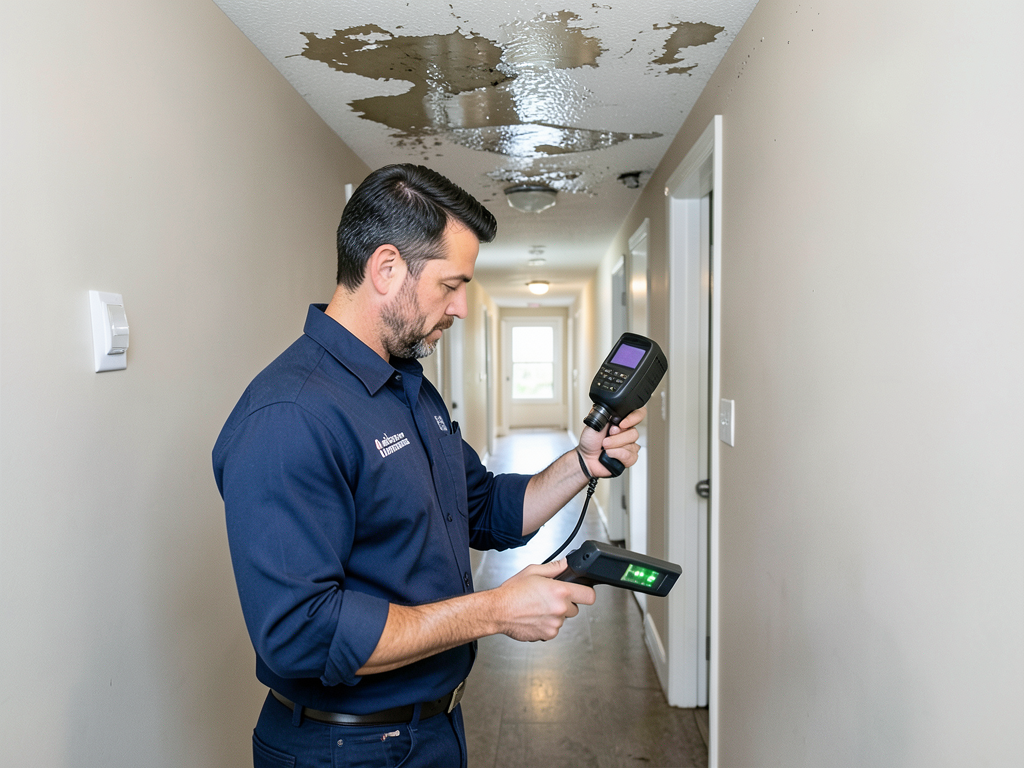
Professional restorers use moisture meters and thermal imaging to find hidden damage that could cause future problems. They create detailed reports that satisfy insurance adjusters and can support your position if the HOA disputes the extent of damage. Removing Hidden Mold from Your Historic Riverside Home Safely.
Special Considerations for Historic Neighborhoods
Riverside and Avondale contain many historic homes with unique construction methods. These properties often have shared plumbing chases and interconnected roof structures that complicate damage attribution. Insurance claims in these areas require extra documentation to establish the source and extent of water migration.
The Jacksonville Historic Preservation Commission may need to approve repairs in designated historic districts. This can extend restoration timelines but ensures repairs meet preservation standards while addressing water damage properly.
Emergency Response Times Matter
Water damage worsens by the hour. Mold can begin growing within 24-48 hours in Jacksonville’s humid climate. Quick professional response prevents secondary damage that neither your insurance nor the HOA wants to cover.
24/7 emergency restoration services understand the urgency of HOA water damage. They coordinate with property managers, provide temporary solutions to stop ongoing damage, and begin the drying process while insurance questions are being resolved. Getting 24 Hour Emergency Water Extraction in Downtown Jacksonville.
Documentation Wins Claims
Successful water damage claims depend on thorough documentation. Keep all receipts for temporary repairs. Save all communications with the HOA and your insurance company. Create a damage inventory with photos and estimated values for destroyed items.
Professional restorers provide detailed scope-of-work documents that itemize every repair needed. These reports become crucial evidence if the HOA disputes what repairs fall under their responsibility versus yours.
Common HOA Water Damage Scenarios
Upstairs unit toilet supply line failure can flood multiple units below. The association typically covers common plumbing and structural repairs while each owner handles their own unit damage and contents. However, if the HOA knew about aging supply lines and failed to replace them, they might bear greater responsibility.
Roof leaks during tropical storms often affect entire buildings. The association’s insurance should cover the roof repair, interior common area damage, and the cost to dry out affected units. Your insurance covers personal property damage and any upgrades beyond original construction.
Understanding Subrogation Rights
When your insurance pays for damage the HOA should have covered, they may pursue subrogation against the association. This means your carrier seeks reimbursement from the HOA’s insurance. You should cooperate with this process but understand it may take months to resolve.
Never sign anything waiving your rights to pursue the HOA directly. Even if your insurance covers the damage initially, you may need to hold the association accountable for negligence or failure to maintain common elements properly.
Financial Planning for Water Damage
Special assessments for major water damage repairs can run thousands of dollars per unit. Review your HOA’s financial reserves and insurance coverage limits. Buildings with inadequate reserves often pass large repair costs directly to owners when major damage occurs.
Consider increasing your HO-6 policy limits to cover potential assessments. Some policies offer coverage for special assessments related to covered losses, providing an extra layer of financial protection.
Call (904) 839-6500 for Immediate Help
Water damage waits for no one. Every hour of delay increases repair costs and mold risk. Call Fortress Water Damage Restoration at (904) 839-6500 right now if you’re dealing with HOA water damage in Jacksonville. Our certified technicians respond 24/7 and understand Florida’s complex HOA insurance laws. We’ll document everything properly, work directly with your association, and get your home dried out fast. Don’t let a small leak become a major disaster. Pick up the phone and call (904) 839-6500 before the next storm hits.
Frequently Asked Questions
Who pays for water damage if a pipe bursts in the wall between units?
The association typically covers the pipe repair and any structural damage to common elements. Each unit owner covers damage to their own unit’s finishes and personal property. However, if the association failed to maintain the pipe, they may bear greater responsibility.
How long do I have to report water damage to my HOA?
Report water damage immediately. Most insurance policies require prompt notification, and HOA documents often specify reporting timeframes. Delays can reduce your ability to recover costs and may be seen as negligence if the damage worsens.
Can my HOA charge me for water damage repairs in common areas?
Generally no, if the damage originates from common elements. However, if you caused the damage through negligence or the HOA’s insurance has low coverage limits, they may charge back costs through special assessments. Review your declaration of covenants for specific provisions.
What if my HOA refuses to repair common element water damage?
Document the damage thoroughly and send written notice to the board. If they still refuse, you may need to pursue legal action or file a complaint with the Florida Department of Business and Professional Regulation. Consider mediation before litigation.
Does my HO-6 policy cover water damage from common area leaks?
Your HO-6 policy covers damage to your unit’s interior, personal property, and any improvements beyond original construction. It may also cover additional living expenses if you must relocate. However, if the HOA is responsible, their insurance should be your primary coverage for common element damage.