Why You Must Remove Wet Insulation in Your Northside Attic After a Roof Leak
Wet insulation in your Northside attic creates immediate mold risks and permanent R-value loss. In Jacksonville’s 80%+ humidity climate, trapped moisture breeds black mold within 24-48 hours and causes structural wood rot. Professional removal and replacement protects your home’s air quality and energy efficiency. Fixing Attic Water Damage After a Northside Jacksonville Storm.
Understanding How Water Affects Northside Attic Insulation
Northside Jacksonville homes face unique moisture challenges due to the area’s high water table and frequent afternoon thunderstorms. When roof leaks saturate attic insulation, fiberglass batts lose up to 50% of their insulating capacity. Blown-in cellulose clumps together, creating cold spots that drive up energy bills. Fast Flood Water Extraction for Jacksonville Beach Homeowners.
The St. Johns River’s proximity to Northside neighborhoods like Oceanway and New Berlin means higher humidity levels that prevent natural drying. Even small leaks can create conditions where mold colonies establish themselves in insulation before homeowners notice ceiling stains.. Read more about Why your ceiling fan might actually fall down after a major roof leak.
Health Risks of Leaving Wet Insulation in Place
Wet insulation becomes a breeding ground for Stachybotrys chartarum, commonly known as black mold. This toxic mold produces mycotoxins that trigger respiratory issues, especially dangerous for children and elderly residents. The warm attic environment combined with Northside’s humidity creates perfect conditions for rapid mold colonization.
Beyond mold, wet insulation attracts pests. Rodents seek out the moisture and create nesting sites in compromised insulation. This leads to additional contamination and potential electrical hazards from chewed wiring in your attic space.
The Professional Removal Process Explained
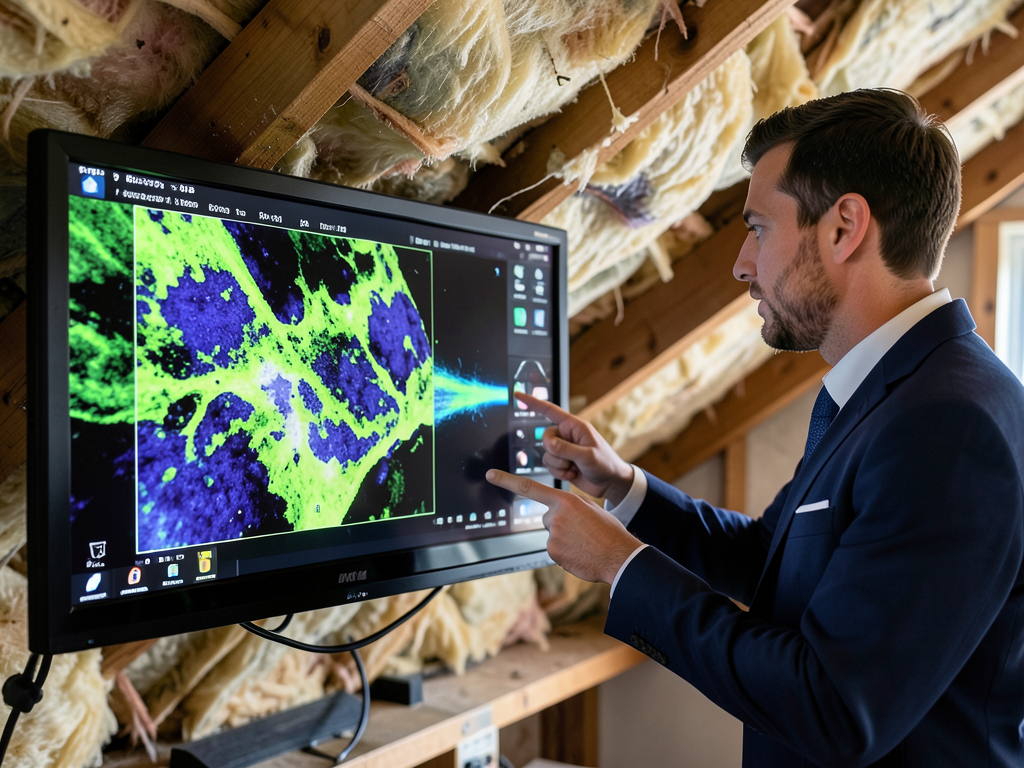
Professional insulation removal follows strict protocols to prevent cross-contamination. Technicians wear HEPA-filtered respirators and use industrial vacuums with specialized collection bags. The process begins with moisture mapping using thermal imaging cameras to identify all affected areas, not just visible wet spots. EPA Mold Guidelines.
Equipment includes commercial-grade HEPA vacuums that capture particles as small as 0.3 microns. This prevents mold spores from becoming airborne during removal. All contaminated material gets sealed in heavy-duty bags before leaving your attic, following Jacksonville’s building material disposal regulations.
Why DIY Drying Methods Fail in Jacksonville
Many homeowners attempt to dry wet insulation with fans or dehumidifiers, but this approach fails in our climate. Jacksonville’s average relative humidity of 82% means moisture returns to materials as quickly as it’s removed. Without industrial dehumidification equipment, you’re fighting a losing battle against the ambient moisture.
Additionally, DIY attempts often miss hidden moisture in hard-to-reach areas. Water travels along roof decking and can saturate insulation in areas far from the visible leak point. Professional moisture meters detect these hidden problem areas that visual inspection misses. Removing Hidden Mold from Your Historic Riverside Home Safely.
Cost Factors for Northside Insulation Removal
Removal costs vary based on insulation type, attic accessibility, and contamination level. Blown-in cellulose removal typically costs $1.50-$2.50 per square foot, while fiberglass batt removal runs $1.00-$1.75 per square foot. Northside homes with crawl space access often have lower costs than those requiring ladder-only access.
Additional factors include disposal fees, which range from $150-$300 for typical Northside attics, and any necessary mold remediation if growth has already occurred. Homes near the St. Johns River may face slightly higher costs due to increased contamination risks.
Building Code Requirements for Replacement
Florida Building Code Section 502.1.3 requires replacement insulation to meet current R-value standards after water damage. For Northside Jacksonville attics, this means R-30 minimum for most homes. The code also mandates proper vapor barrier installation to prevent future moisture migration from the humid air. Florida Building Code Commission.
Local permits may be required for extensive insulation replacement, especially in historic Northside districts. Fortress Water Damage Restoration handles all permitting requirements and ensures work meets or exceeds code specifications.. Read more about What to Do When Your Solar Water Heater Leaks on Your Roof in Fruit Cove.
Preventing Future Attic Moisture Problems
Proper attic ventilation prevents moisture buildup that leads to insulation problems. Ridge vents, soffit vents, and powered attic fans work together to create airflow that removes humid air. In Northside’s climate, maintaining 1 square foot of ventilation per 150 square feet of attic space is recommended.
Regular roof inspections catch small leaks before they saturate insulation. Look for damaged flashing around chimneys and vents, which are common failure points in Jacksonville’s storm-prone weather. Professional inspections every two years can prevent costly insulation damage. Sump Pump Failure Cleanup.
Insurance Coverage for Water-Damaged Insulation
Most homeowners insurance policies cover sudden water damage from roof leaks, including insulation removal and replacement. However, damage from long-term neglect or lack of maintenance typically isn’t covered. Documenting the leak source and extent of damage helps support your insurance claim.
Fortress Water Damage Restoration works directly with insurance companies to provide detailed documentation and estimates. We understand the specific requirements of major carriers operating in Duval County and can help navigate the claims process.
Environmental Considerations for Disposal
Wet insulation disposal in Jacksonville must follow EPA guidelines for potentially contaminated materials. Fiberglass can often be recycled, while moldy cellulose requires special handling. Fortress partners with certified disposal facilities that ensure environmentally responsible processing of all removed materials.
The removal process includes containment barriers to prevent dust and debris from spreading to living areas. Negative air pressure systems keep contaminated air from migrating through your home during the removal process.
Comparing Insulation Types for Replacement
| Insulation Type | Moisture Resistance | Cost per Sq Ft | Best For Northside |
|---|---|---|---|
| Fiberglass Batt | Good | $1.00-$1.75 | Standard attics |
| Blown-in Cellulose | Poor | $1.50-$2.50 | Hard-to-reach areas |
| Open-cell Spray Foam | Excellent | $2.50-$3.50 | Moisture barriers |
Warning Signs You Need Immediate Removal
Musty odors from your attic indicate active mold growth. Water stains on ceilings below the attic suggest insulation saturation. Increased allergy symptoms when running your HVAC system can signal mold spores circulating from wet insulation.
Attic temperatures that exceed 130°F in summer indicate ventilation problems that trap moisture. If you notice any of these signs, immediate professional assessment prevents further damage to your home’s structure and air quality.
The Fortress Difference in Northside Service
Fortress Water Damage Restoration provides 24/7 emergency response to Northside neighborhoods. Our technicians understand the specific challenges of Jacksonville’s coastal climate and the unique construction methods used in Northside homes built between 1960-1990. Getting 24 Hour Emergency Water Extraction in Downtown Jacksonville.
We use industrial-grade equipment including commercial dehumidifiers, HEPA air scrubbers, and thermal imaging cameras to ensure complete moisture removal. Our process follows IICRC S500 standards for water damage restoration, guaranteeing professional results.
Frequently Asked Questions
How long does wet insulation removal take?
Most Northside attic insulation removal projects complete in 4-8 hours, depending on attic size and contamination level. Larger homes or those with accessibility challenges may require additional time.
Can I stay in my home during removal?
Yes, our containment procedures prevent dust and debris from entering living spaces. However, sensitive individuals may prefer temporary relocation during the removal process.
Will my energy bills increase without insulation?
We typically complete removal and replacement within the same day, minimizing any temperature fluctuations. Your new insulation will restore or improve your home’s energy efficiency.
How much does it cost to replace insulation after removal?
Replacement costs range from $1.50-$3.50 per square foot, depending on insulation type and R-value requirements. We provide detailed estimates before beginning any work.
Is mold testing required before removal?
Not always, but we recommend testing if the leak has been present for more than 48 hours or if you notice musty odors. Testing helps determine if additional remediation is needed.

Take Action Before Moisture Causes Permanent Damage
Wet insulation in your Northside attic creates immediate risks to your home’s structure, air quality, and energy efficiency. The humid Jacksonville climate means moisture problems worsen rapidly, leading to costly repairs if left unaddressed.
Don’t wait for mold to spread or wood rot to compromise your roof structure. Professional removal and replacement restores your attic’s integrity and protects your family’s health.
Call (904) 839-6500 today to schedule your inspection. Fortress Water Damage Restoration serves all Northside neighborhoods with 24/7 emergency response and guaranteed professional results.
Pick up the phone and call (904) 839-6500 before the next storm hits. Your home deserves protection from Jacksonville’s challenging climate.
You may also find this helpful. Why your luxury sky-lights are dripping during those heavy Riverside rainstorms.