How to find a hidden pipe leak in your Murray Hill bungalow before it ruins the floor
Hidden water leaks in Murray Hill bungalows can destroy hardwood floors and create costly structural damage before you even notice a problem. The combination of aging cast iron pipes from the 1940s and 1950s construction and Jacksonville’s high water table creates a perfect storm for slow leaks that rot subfloors from below. Most homeowners discover the damage only after their floor starts buckling or they smell musty odors in the hallway. Fast Flood Water Extraction for Jacksonville Beach Homeowners.
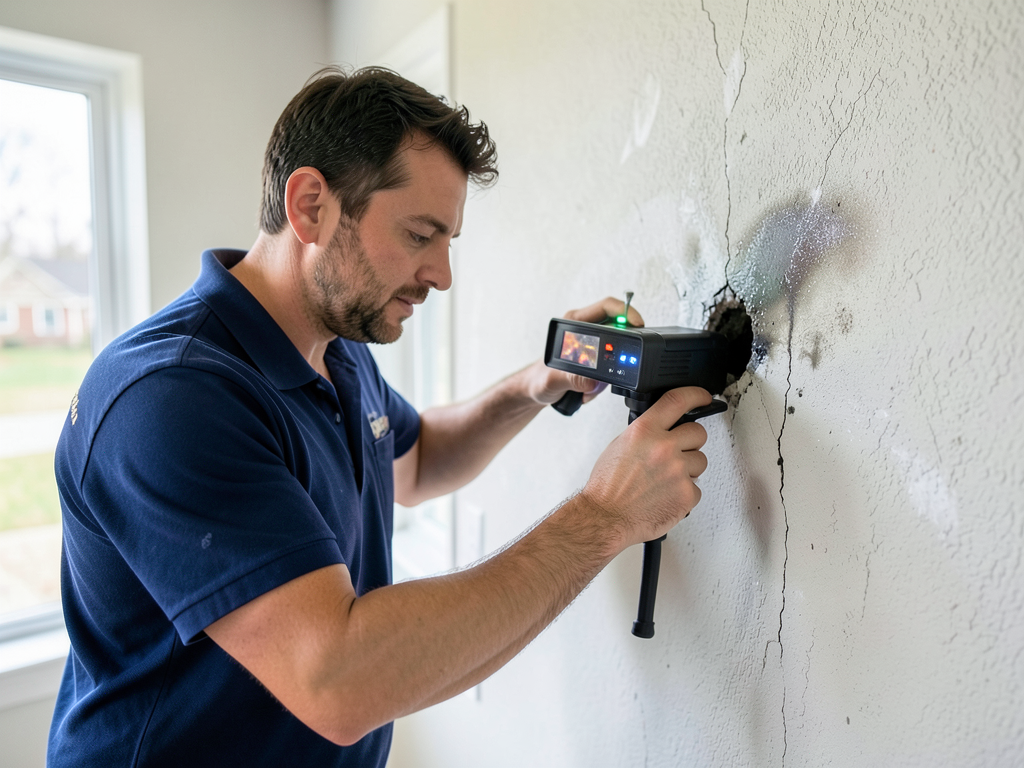
Professional leak detection uses thermal imaging cameras and acoustic sensors to find leaks behind walls and under concrete slabs without tearing apart your home. Our technicians can pinpoint the exact location of a leak within inches using specialized equipment that detects temperature changes and sound frequencies from escaping water. This non-invasive approach saves homeowners thousands in unnecessary demolition costs.. Read more about Does water damage under bathroom tiles always require a full tear-out?.
Common signs you have a hidden water leak
Water leaks in Murray Hill homes often show subtle warning signs before major damage occurs. A sudden spike in your JEA water bill is usually the first indicator that water is escaping somewhere in your plumbing system. If your bill jumps 20% or more without changing your water usage habits, you likely have a hidden leak somewhere in the house. Removing Hidden Mold from Your Historic Riverside Home Safely.
Musty odors in specific rooms often indicate water accumulating in wall cavities or under flooring. The smell comes from mold and mildew growing in the damp environment created by the slow leak. You might notice the odor strongest in bathrooms, kitchens, or near exterior walls where plumbing runs are common.. Read more about Signs your family might be getting sick from hidden water damage in the house.
Damp spots on drywall or bubbling paint can signal water traveling through wall cavities from a leak in an upper floor or adjacent room. The water follows the path of least resistance, often traveling several feet from the actual leak source before creating visible damage. By the time you see these signs, the leak has usually been active for weeks or months.. Read more about Spotting the warning signs of a failing water heater in your Fruit Cove kitchen.
The sound of running water when all fixtures are off is a classic indicator of a hidden leak. Listen carefully near walls and floors, especially in quiet areas of your home. The sound might be faint but consistent, indicating water continuously escaping from a pipe crack or joint failure. Sump Pump Failure Cleanup.
Our non-invasive leak detection technology
Modern leak detection technology allows us to find hidden leaks without destructive testing. Thermal imaging cameras detect temperature variations caused by water escaping from pipes. Cold water creates cool spots on walls and floors that appear as dark areas on the infrared camera display, even when the leak is behind drywall or under tile.. Read more about The hidden danger of refrigerator water line leaks under your Bartram Springs kitchen floors.
Acoustic leak detectors amplify the sound of water escaping from pipes. These sensitive microphones can hear the high-frequency noise created when water sprays from a crack or joint. The technician uses headphones to listen for these sounds while scanning walls and floors with a ground microphone probe.
Electronic pipe locators help us map your home’s plumbing system without blueprints. This technology sends signals through pipes to determine their exact location and depth. Knowing where pipes run helps us isolate potential leak sources and avoid unnecessary wall cutting during repairs. EPA WaterSense Fix a Leak Week.
Moisture meters measure the water content in building materials. We use these tools to map the extent of water damage and determine how far moisture has spread from the leak source. This information guides our drying strategy and helps prevent mold growth in affected areas.
Why Murray Hill bungalows are at higher risk
Murray Hill’s historic bungalows built in the 1940s and 1950s often have galvanized steel or early copper piping that corrodes from the inside out. The original plumbing systems were designed for a 40-50 year lifespan, meaning many homes now have pipes nearing the end of their useful life. The combination of age and Jacksonville’s slightly acidic water accelerates pipe deterioration.
Florida’s high humidity and frequent temperature changes cause pipes to expand and contract more than in drier climates. This movement stresses pipe joints and connections, especially where pipes pass through concrete slabs or penetrate exterior walls. Over time, these stress points develop hairline cracks that allow water to escape slowly.. Read more about How to tell if your dishwasher has been slowly leaking into your kitchen subfloor.
The high water table in Duval County puts constant pressure on underground pipes. When the water table rises during rainy seasons, it increases hydrostatic pressure on buried plumbing lines. This pressure can force water through microscopic cracks or push apart poorly sealed pipe joints.
Murray Hill’s mature tree canopy adds another risk factor. Tree roots seek water sources and can penetrate tiny pipe cracks, then expand to create larger openings. Once inside, roots continue growing and eventually block or break the pipe completely. This type of damage often occurs under front yards and sidewalks where trees are closest to water lines.
The difference between detection and restoration
Finding a leak is only the first step in protecting your Murray Hill home. Once we locate the leak source, we assess the extent of water damage to floors, walls, and structural elements. Water traveling through building materials can cause damage far from the original leak point, requiring comprehensive restoration beyond simple pipe repair.. Read more about Preventing structural wood rot after a major plumbing leak in Baldwin.
Professional restoration involves removing damaged materials, drying the structure to industry standards, and preventing mold growth. The Institute of Inspection Cleaning and Restoration Certification (IICRC) S500 standard requires reducing moisture content in materials to specific levels before reconstruction begins. This prevents future problems and ensures your home returns to a safe, healthy condition. IICRC S500 Standard.
Our restoration process includes content protection, where we move or cover furniture and belongings to prevent water damage during the repair process. We also provide temporary containment barriers to isolate work areas and prevent dust and debris from spreading throughout your home.
Insurance coordination is a critical part of the restoration process. We document all damage with photos and moisture readings, then work directly with your insurance company to ensure proper coverage for both the leak repair and the resulting water damage restoration.
Frequently Asked Questions
How much does leak detection cost in Jacksonville?
Professional leak detection typically costs between $200 and $500 depending on the complexity of your home’s plumbing system and the time required to locate the leak. This investment often saves thousands in unnecessary demolition and repair costs by pinpointing the exact leak location.
Will insurance cover hidden pipe leaks?
Homeowner’s insurance typically covers sudden and accidental water damage from burst pipes but may not cover damage from slow leaks that develop over time. The key factor is whether the leak was sudden or gradual. We can help you understand your coverage and document damage properly for your insurance claim.
How long does leak detection take?
Most residential leak detection jobs take 1-3 hours depending on the size of your home and the complexity of your plumbing system. Our technicians work efficiently to minimize disruption while thoroughly investigating all potential leak sources.
Can I use my own water meter to check for leaks?
Yes, you can perform a basic leak check using your JEA water meter. Turn off all water fixtures and appliances, then check if the meter’s leak indicator is moving. If it moves when no water is being used, you likely have a leak somewhere in your plumbing system.
What happens after you find the leak?
After locating the leak, we provide a detailed report showing the exact location and extent of damage. We then give you repair options ranging from spot repairs to full pipe replacement, depending on the pipe condition and your budget. Our team can handle both the leak repair and any necessary restoration work.
Emergency water shut-off procedures
Knowing how to quickly shut off your home’s water supply can prevent catastrophic damage from a major leak. Most Murray Hill homes have a main shut-off valve located near the water meter, typically in a small box in your front yard or near the driveway. The valve usually requires a special wrench to turn, so keep one accessible.
Individual fixture shut-off valves under sinks and behind toilets allow you to isolate specific areas without cutting water to your entire home. These valves are useful for minor leaks but won’t help with main supply line failures. Test these valves annually to ensure they operate smoothly when needed.
Gate valves, common in older Jacksonville homes, can become stuck in the open position due to mineral buildup and corrosion. If your main valve hasn’t been operated in years, have a plumber inspect it before an emergency occurs. Replacing a stuck valve is much easier than dealing with flood damage. Getting 24 Hour Emergency Water Extraction in Downtown Jacksonville.
Consider installing an automatic water shut-off system that detects unusual water flow patterns and cuts supply when a leak is suspected. These systems can prevent thousands in damage by stopping water flow within minutes of a pipe failure, even when you’re away from home.
Preventing future leaks in your Murray Hill home
Regular plumbing inspections can identify potential problems before they become emergencies. A licensed plumber can check for signs of corrosion, test water pressure, and inspect visible pipes for wear or damage. Early detection of issues like deteriorating pipe joints or corrosion can prevent costly emergency repairs.
Water pressure that’s too high stresses your entire plumbing system. Jacksonville homes should maintain water pressure between 40-80 PSI. Pressure above 80 PSI can cause pipe joints to fail and fixtures to leak. A simple pressure gauge test can determine if you need a pressure reducing valve installed.
Hard water, common in Northeast Florida, accelerates pipe corrosion and creates mineral buildup that narrows pipe diameters. Consider installing a water softener if you notice scale buildup on fixtures or experience frequent pipe problems. Softer water extends the life of your plumbing system and improves appliance efficiency.
Temperature fluctuations cause pipes to expand and contract, stressing connections over time. Insulating exposed pipes in attics and crawl spaces helps minimize these temperature swings and protects against freezing during rare cold snaps. Proper insulation also reduces condensation that can lead to corrosion in humid environments. Fixing Attic Water Damage After a Northside Jacksonville Storm.
When to call a professional
Call a professional immediately if you notice any combination of high water bills, musty odors, damp spots, or the sound of running water when fixtures are off. These symptoms indicate an active leak that will only worsen over time. The longer you wait, the more extensive and expensive the damage becomes.
Don’t attempt to locate hidden leaks yourself using destructive methods like cutting into walls or breaking concrete. Professional leak detection equipment can find leaks without causing additional damage, saving you money and preserving your home’s structure. DIY attempts often create more problems than they solve.
If you discover visible water damage like ceiling stains, warped floors, or mold growth, you need both leak detection and restoration services. The water source must be eliminated before proper drying and repair can begin. Continuing to repair visible damage without fixing the underlying leak only leads to recurring problems.
Emergency situations require immediate professional response. If you experience a sudden pipe burst or major water intrusion, shut off your main water supply and call for emergency service right away. Fast response can mean the difference between a simple repair and major reconstruction.
Protecting your investment
Your Murray Hill bungalow represents a significant investment that requires proper maintenance to preserve its value. Hidden water leaks can reduce your home’s worth by causing structural damage, promoting mold growth, and creating ongoing moisture problems that deter potential buyers. Professional leak detection and prompt repairs protect both your home’s structure and its market value.
Historic homes in Murray Hill often have unique construction features that require specialized knowledge to repair properly. Our technicians understand the specific challenges of working in older homes, from lath and plaster walls to original hardwood flooring. We use techniques that preserve your home’s character while solving modern plumbing problems.
Regular maintenance and prompt attention to warning signs can extend the life of your plumbing system by years. Simple steps like monitoring your water bill, checking for moisture around fixtures, and addressing small problems quickly prevent the major failures that lead to extensive water damage and costly repairs.
Call (904) 839-6500 today to schedule your professional leak detection inspection. Our experienced technicians use advanced equipment to find hidden leaks quickly and accurately, protecting your Murray Hill home from costly water damage. Don’t wait until you have a flood in your living room – early detection saves money and prevents structural damage to your beautiful bungalow.