What to do first when you see water dripping through the ceiling in Duval Station
Water dripping through your ceiling is a panic-inducing moment that demands immediate action. In Duval Station’s humid Jacksonville climate, that dripping water can quickly become a mold breeding ground and structural hazard. The first 30 minutes after discovery determine whether you’re looking at a simple repair or a $10,000 restoration project. EPA Mold Guidelines.
Before you grab a bucket and hope for the best, follow these critical steps. Every minute counts when water is actively penetrating your home’s structure. Fast Flood Water Extraction for Jacksonville Beach Homeowners.
Emergency Response: The 5 Critical Steps
- Stop the Water Source
Locate your main water shut-off valve immediately. In Duval Station homes, this is typically in the garage, near the water heater, or outside by the foundation. Turn it clockwise until fully closed. If you can’t find it within 2 minutes, call (904) 839-6500 for emergency dispatch. Getting 24 Hour Emergency Water Extraction in Downtown Jacksonville.
- Protect Your Belongings
Move furniture, electronics, and valuables out from under the leak. Water spreads faster than you think through ceiling materials. Use plastic sheeting or tarps to cover items that can’t be moved. Water Damage Restoration Neptune Beach.
- Contain the Leak
Place buckets or containers under active drips. For ceiling bubbles (water pooling above drywall), use a screwdriver to carefully puncture the lowest point of the bubble. This prevents ceiling collapse and directs water into your containment system.. Read more about Who is Responsible When an HOA Main Line Causes Water Damage in Your Community.
- Document Everything
Take photos and videos of all damage before cleanup begins. Document the leak source, affected areas, and any standing water. This documentation is crucial for insurance claims and helps technicians assess the situation remotely. Sump Pump Failure Cleanup.
- Call Professional Help
Water damage restoration requires specialized equipment and expertise. Call (904) 839-6500 for 24/7 emergency response in Duval Station and surrounding Jacksonville areas. Don’t wait until morning.. Read more about How to Effectively Negotiate Your Water Damage Claim Settlement with the Adjuster.
Identifying the Source: Plumbing vs. Roof Leaks
Understanding what’s causing your ceiling leak determines the repair approach and urgency level. In Duval Station’s Florida climate, you’re dealing with two primary culprits. Florida Building Code HVHZ.
Plumbing Leaks typically originate from upstairs bathrooms, kitchens, or HVAC systems. These leaks worsen over time and often show up as discolored spots before active dripping begins. Common sources include:
- Failed toilet wax rings or supply lines
- Leaking shower pan or drain assemblies
- Corroded copper pipes (common in homes built before 2000)
- Clogged AC condensate drain lines backing up into ceiling spaces
Roof Leaks are often storm-related and show up as active dripping during rainfall. In Duval Station, summer thunderstorms can overwhelm aging roofing systems. Watch for:
- Missing or damaged shingles around roof penetrations
- Failed flashing around chimneys, vents, or skylights
- Ice damming effects from poor attic ventilation
- Storm damage from high winds or falling tree limbs
Diagnostic Test: If the leak stops when you shut off the main water valve, it’s a plumbing issue. If it continues during rain but stops when dry, it’s roof-related. This simple test helps technicians arrive prepared with the right equipment.
Safety Risks: What You Can’t See
Water dripping through your ceiling creates immediate safety hazards that most homeowners overlook in the panic of the moment.. Read more about Managing Water Damage Restoration for Medical Clinics and Dental Offices in Southpoint.
Electrical Dangers are the most critical. Water conducts electricity and can create lethal conditions in ceiling fixtures, outlets, and wiring. If water is near any electrical source, shut off power to the affected area at your breaker panel before investigating further.
Ceiling Collapse Risk increases rapidly once water saturates drywall or plaster. A ceiling holding even a few gallons of water can suddenly give way, causing injury and dramatically increasing repair costs. The weight of water in ceiling materials often exceeds 10 pounds per square foot.
Mold Growth Timeline in Duval Station’s 80%+ humidity environment: Mold can begin colonizing within 24-48 hours of water exposure. The Florida Department of Health requires licensed mold assessment within 72 hours of visible growth in homes.
Structural Damage occurs as water wicks into wooden joists, drywall paper backing, and insulation. This hidden damage often costs 3-5 times more to repair than visible ceiling damage alone.
The Restoration Process: What Happens Next
Professional water damage restoration follows a systematic approach that prevents secondary damage and ensures complete recovery.. Read more about Why Your Second Floor Laundry Room Leak is a Disaster for Your Fleming Island Home.
Step 1: Inspection and Assessment
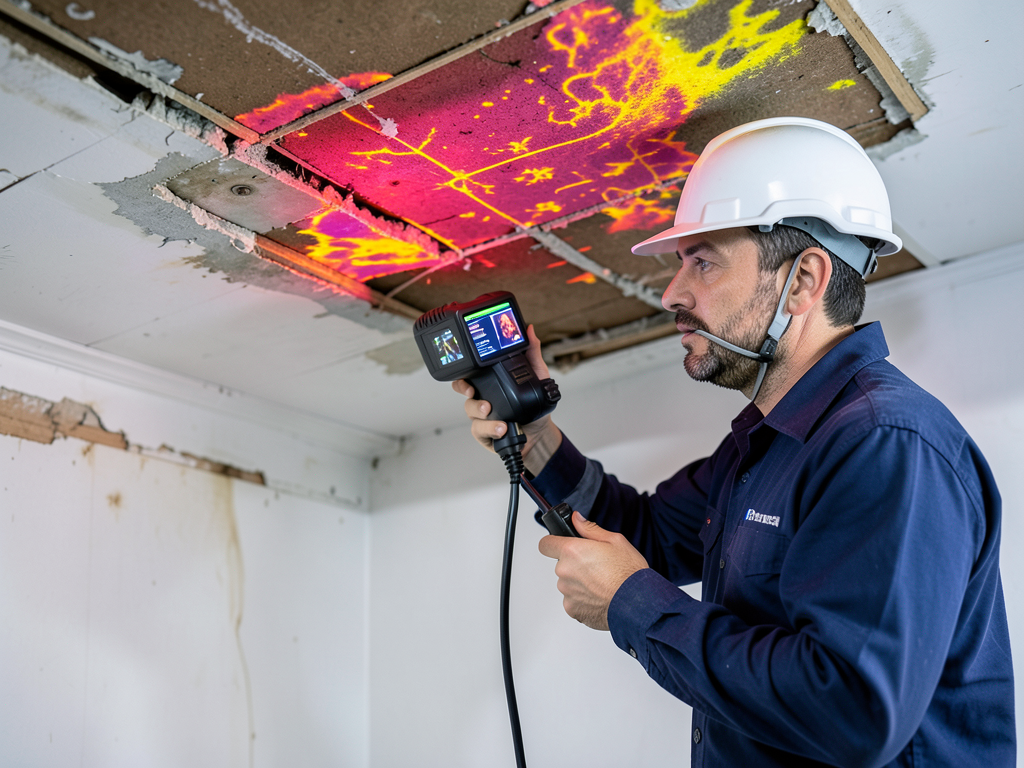
Technicians use moisture meters, thermal imaging cameras, and hygrometers to map water migration. They check wall cavities, attic spaces, and flooring beneath the affected area. This inspection typically takes 30-45 minutes and determines the full scope of damage.
Step 2: Water Extraction
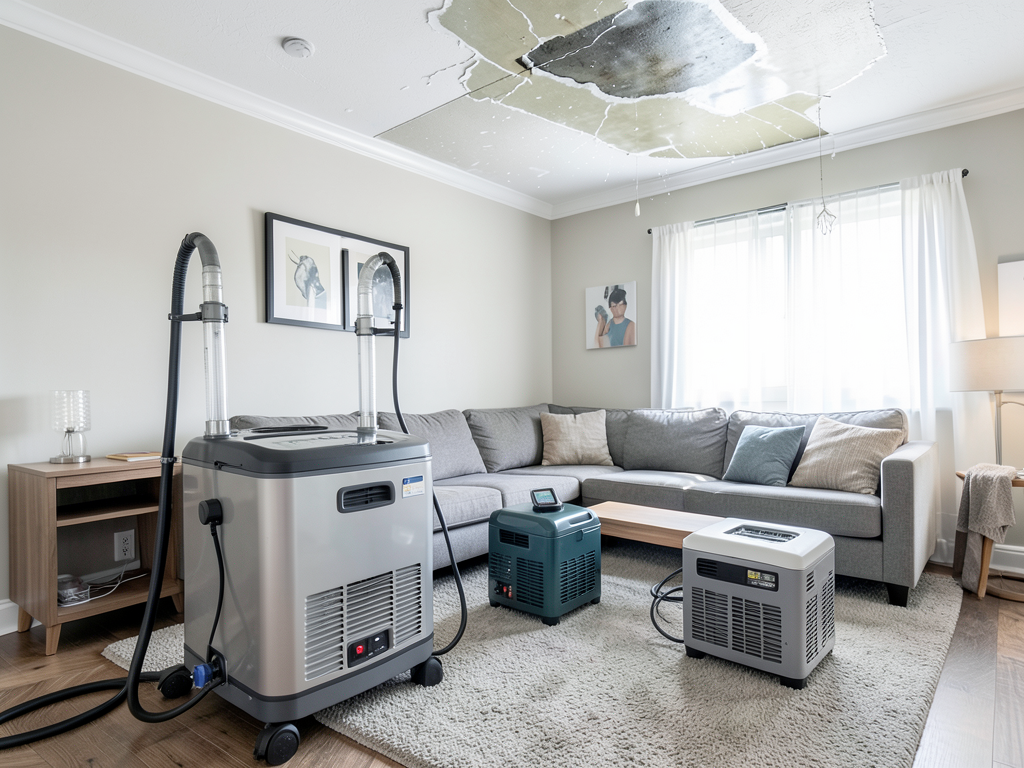
High-powered truck-mounted extraction units remove standing water and moisture from carpet, padding, and flooring. Professional extraction removes 400-500% more water than shop vacuums or carpet cleaners.
Step 3: Structural Drying
Industrial dehumidifiers and air movers create a drying vortex that pulls moisture from building materials. This process typically runs 3-5 days in Duval Station’s humid climate, compared to 24-48 hours in drier regions.
Step 4: Mold Prevention
EPA-registered antimicrobial treatments prevent mold growth in treated areas. In Florida’s climate, this step is non-negotiable. The EPA recommends specific antimicrobial agents for different surface types and contamination levels.
Step 5: Repairs and Reconstruction
Once drying is complete and mold prevention is established, technicians replace damaged materials. This includes drywall, insulation, flooring, and sometimes structural elements depending on damage severity.
Jacksonville-Specific Considerations
Duval Station’s location in Northeast Florida creates unique challenges for water damage restoration.. Read more about Why Mobile Home Water Damage is More Critical Than Standard Houses in Maxville.
High Humidity Impact means drying times extend 40-60% longer than in other regions. Standard drying protocols must be adjusted for Florida’s tropical moisture levels. The IICRC S500 Standard for Professional Water Damage Restoration specifically addresses high-humidity environments.
Building Code Requirements under Florida Building Code Section 1101.3 mandate specific moisture content levels before reconstruction can begin. This protects against future mold growth and structural failure.
Insurance Landscape in Florida includes unique considerations like Assignment of Benefits (AOB) agreements and specific mold coverage limitations. Most homeowner policies cover sudden, accidental water damage but exclude gradual leaks or maintenance issues.
Climate-Driven Failure Patterns show that AC condensate line failures peak during summer months when systems run continuously. These failures account for 35% of ceiling leaks in Duval Station homes according to local restoration data.
Documenting for Insurance Claims
Proper documentation determines whether your insurance claim gets approved or denied. Follow these steps while waiting for professional help.
Photo Documentation should include: wide shots of the affected area, close-ups of water sources, damage progression photos over time, and images of personal property damage. Take photos every 2-3 hours to show active water migration.
Video Documentation captures water flow patterns and sound of active leaks. This is particularly valuable for insurance adjusters who may not visit immediately.
Damage Inventory lists all affected items with approximate values. Include purchase dates and receipts if available. This speeds up the claims process significantly.
Professional Assessment Reports from certified restoration companies carry more weight with insurance companies than homeowner documentation alone. These reports include moisture mapping, damage categorization, and restoration recommendations.
Preventing Future Ceiling Leaks
After experiencing one ceiling leak, most homeowners want to prevent recurrence. These preventative measures address the most common failure points in Duval Station homes.
AC Maintenance prevents the most common cause of ceiling leaks. Schedule bi-annual HVAC maintenance that includes condensate line cleaning and inspection. Replace 3/4″ PVC drain lines every 5-7 years as they become brittle in Florida sun.
Roof Maintenance should include annual inspections focusing on flashing, sealants, and shingle condition. In Duval Station’s hurricane-prone region, consider impact-resistant shingles rated for 110+ mph winds.
Plumbing Inspections for homes over 15 years old should check for polybutylene pipes (common in 1980s construction) and corroded copper joints. These materials fail catastrophically without warning.
Water Alarm Installation in high-risk areas (attics, under bathrooms, near water heaters) provides early warning of developing leaks. Modern smart water sensors can send alerts to your phone within seconds of detecting moisture.
When to Call for Emergency Help
Not every ceiling drip requires immediate professional intervention, but these scenarios demand 24/7 emergency response.
Active Electrical Hazard – Water near outlets, switches, or fixtures requires immediate power shutdown and professional assessment.
Large Ceiling Bubbles – Water pooling above drywall creates collapse risk. These require immediate drainage and structural assessment.
Multiple Leak Points – Water appearing in several locations suggests a major plumbing or roof failure requiring immediate source identification.
Category 3 Water – Sewage backup or contaminated water requires specialized handling and personal protective equipment. This water category can cause serious illness.
Business Interruption – Commercial properties need immediate response to minimize downtime and protect inventory or equipment.
Cost Factors for Ceiling Leak Repairs
Understanding cost drivers helps you make informed decisions about repair approaches. Several factors influence final restoration costs.
Water Category determines required safety protocols and disposal methods. Clean water (Category 1) costs significantly less to remediate than contaminated water (Category 3).
Area Affected multiplies costs quickly. A 10×10 foot ceiling area might cost $1,500-2,500 to repair, while a 500 square foot affected area could exceed $8,000-12,000.
Material Types impact repair complexity. Plaster ceilings cost 2-3 times more to repair than drywall. Custom textures or specialty finishes add significant labor costs.
Mold Presence dramatically increases costs. Mold remediation requires containment, specialized equipment, and licensed technicians. Florida requires specific licensing for mold assessment and remediation.
Structural Damage extends repair timelines and costs. Water-damaged joists, beams, or subflooring require structural engineering assessment and specialized repair techniques.
Frequently Asked Questions
How long can I wait before calling for help?
Call immediately if water is actively dripping, near electrical sources, or if you notice ceiling bubbles. For small, contained leaks discovered during dry weather, you have 2-4 hours to arrange professional assessment. Every hour increases mold risk and structural damage.
Will my insurance cover ceiling leak repairs?
Most homeowner policies cover sudden, accidental water damage from plumbing or roof failures. They typically exclude gradual leaks, maintenance issues, or flood damage (which requires separate flood insurance). Document everything and contact your insurance company within 24 hours of discovery.
Can I fix a ceiling leak myself?
Small, accessible leaks might be DIYable, but most ceiling leaks require professional equipment and expertise. DIY attempts often miss hidden damage, leading to mold growth and structural issues that cost 3-5 times more to repair later. Removing Hidden Mold from Your Historic Riverside Home Safely.
How long does professional restoration take?
Initial emergency response arrives within 60 minutes. Water extraction and setup typically complete within 4-6 hours. Drying process runs 3-5 days in Duval Station’s humidity. Total restoration from leak discovery to completion usually takes 7-14 days depending on damage extent.
What should I do if the leak happens at night?
Follow the emergency steps immediately. Shut off water if it’s a plumbing issue, contain the leak, document damage, and call (904) 839-6500 for 24/7 emergency dispatch. Waiting until morning often doubles repair costs due to increased damage.
Take Action Now
Water dripping through your ceiling won’t fix itself. Every hour allows damage to spread deeper into your home’s structure and increases mold risk exponentially. Don’t gamble with your property’s integrity or your family’s health.
Call (904) 839-6500 immediately for emergency response in Duval Station and all Jacksonville communities. Our certified technicians arrive within 60 minutes with the equipment and expertise to stop the damage, prevent mold growth, and begin restoration.
Pick up the phone and call (904) 839-6500 before the next storm hits or the next plumbing joint fails. Your home deserves professional protection from water damage.
Available 24/7 for Duval Station and surrounding Jacksonville areas
You may also find this helpful. Getting Your San Marco Retail Shop Back in Business After a Water Disaster.
You may also find this helpful. What to Do When Your Business Fire Sprinklers Go Off Accidentally.
You may also find this helpful. Saving Your Engineered Wood Floors from Cupping After a Leak in Mandarin.
You may also find this helpful. Why Stucco Cracks are Causing Hidden Wood Rot in Your Southside Jacksonville Home.
You may also find this helpful. Comparing Commercial Dehumidifiers and Retail Fans for Managing North Florida Humidity.