Which Pieces of Water Damaged Furniture Are Actually Worth Saving in Your Sunbeam Home
When water invades your Sunbeam home, panic sets in fast. You’re staring at soaked couches, warped tables, and damp mattresses wondering what’s salvageable. The humid Jacksonville air already feels like it’s accelerating mold growth. Here’s the honest truth: some pieces can be saved, others can’t, and knowing the difference could save you thousands. Fast Flood Water Extraction for Jacksonville Beach Homeowners.
The first 24 hours determine everything. Furniture exposed to clean water has the best chance if dried within 24-48 hours. But Jacksonville’s average humidity sits at 75%, which means mold can establish in as little as 24 hours instead of the standard 48. That’s why immediate action matters more here than in drier climates. Water Damage Restoration Neptune Beach.
Before touching anything, check for safety hazards. Water and electricity create deadly combinations. If water reached electrical outlets or you smell burning, evacuate and call professionals. Also, if the water came from outside flooding or sewage backup, it’s contaminated with pathogens and requires professional handling. Water Damage Restoration Green Cove Springs.
Now let’s identify what you can realistically save based on material type and water category.
Material Type Determines Salvageability
Different materials react to water in vastly different ways. Understanding these reactions helps you make quick decisions.
Hardwood Furniture: Your Best Bet
Solid hardwood pieces like oak, maple, or mahogany have the highest survival rate. These dense woods resist water penetration and can often be restored even after substantial exposure.
Look for warping, swelling, or joint separation. Minor warping often corrects itself during proper drying. However, if joints have completely separated or veneers have peeled off, the piece may require professional restoration. EPA Mold Information.
The drying process matters as much as the initial exposure. Rapid drying causes cracking, while slow controlled drying preserves the wood’s integrity. This is where Jacksonville’s humidity becomes both a curse and a blessing – it slows drying enough to prevent damage but also promotes mold if not managed properly.
Upholstered Furniture: Usually a Loss
Upholstered pieces are almost always disposable after water exposure. The foam padding, fabric, and internal structure absorb water like sponges. Even if you manage to dry the surface, moisture trapped deep inside creates perfect mold breeding conditions.
Jacksonville’s humidity makes this worse. The moisture inside cushions can’t evaporate efficiently in our air, leaving them damp for weeks. By day three or four, mold colonies are already established inside the padding.
Antique upholstered pieces with historical value might justify professional restoration, but modern furniture rarely warrants the cost and health risks.
Particle Board and MDF: Immediate Disposal
Engineered wood products like particle board, medium-density fiberboard (MDF), and plywood swell irreversibly when wet. The adhesives break down, structural integrity fails, and mold grows rapidly in the compressed wood particles.
Even if the surface looks okay after drying, the internal structure remains compromised. These pieces become unstable and pose safety risks. The EPA recommends disposing of water-damaged engineered wood products rather than attempting restoration.
Leather and Vinyl: Conditional Salvage
Leather furniture can sometimes be saved if the exposure was brief and the water was clean. However, leather absorbs water, causing staining, warping, and potential mold growth in the porous surface.
The key factor is exposure time. If leather got wet but was dried within 12-24 hours using proper techniques, restoration might be possible. Professional leather cleaning and conditioning can often restore appearance and prevent long-term damage.
Vinyl and other synthetic upholstery materials resist water better than natural fibers but still trap moisture underneath. These require thorough drying and sanitization.
Metal and Glass Components
Metal frames and glass surfaces usually survive water exposure without issues. However, metal can rust if left wet, especially in Jacksonville’s salt-air environment near the coast.
Quick drying and light oiling prevent rust formation. Glass requires only cleaning to restore appearance.
Water Category Changes Everything
The Institute of Inspection Cleaning and Restoration Certification (IICRC) classifies water into three categories that determine salvageability:
| Water Category | Source | Health Risk | Salvageability |
|---|---|---|---|
| Category 1 | Clean water (pipe breaks, rain) | Low | High if dried within 48 hours |
| Category 2 | Gray water (washing machines, dishwashers) | Moderate | Limited, requires sanitization |
| Category 3 | Black water (sewage, flooding) | High | Generally not salvageable |
Category 3 water exposure means immediate disposal of all porous materials. The pathogens and contaminants make restoration unsafe regardless of the material type.
Jacksonville’s Humidity: Your Biggest Enemy
Jacksonville’s subtropical climate creates unique challenges for water damage restoration. Our average relative humidity of 75% means:
- Mold growth accelerates from 48 hours to as little as 24 hours
- Natural drying takes 3-4 times longer than in arid climates
- Dehumidifiers must run continuously during restoration
- Temperature control becomes critical for preventing secondary damage
The St. Johns River’s influence creates microclimates where humidity can spike to 85-90% during certain weather patterns. This means even brief water exposure in riverside neighborhoods like Sunbeam requires immediate professional intervention.
Professional Restoration vs. DIY: When to Call the Experts
DIY restoration works only for limited scenarios:
- Category 1 water exposure to non-porous items
- Exposure time under 24 hours
- Access to commercial-grade drying equipment
- Ability to monitor moisture levels with professional meters
Most Jacksonville homeowners lack the equipment and expertise for proper restoration. Professional restoration companies use:
- LGR (Low-Grain Refrigerant) dehumidifiers that remove more moisture than standard units
- Air movers that create optimal evaporation conditions
- Moisture meters to detect hidden water in walls and floors
- Antimicrobial treatments that prevent mold growth
The cost of professional restoration often equals or exceeds replacement cost for modern furniture. However, for antiques, heirlooms, or high-end pieces, professional restoration preserves both monetary and sentimental value.
Insurance Documentation and Claims
Proper documentation determines whether insurance covers your losses. Take these steps immediately:
- Photograph everything before moving items
- Document the water source and category if known
- Keep damaged items until the adjuster inspects them
- Save all receipts for emergency services and restoration
Florida insurance policies often exclude gradual damage or require specific endorsements for water damage. Jacksonville’s high humidity means even small leaks can cause significant damage over time, potentially falling under gradual damage exclusions. Florida Building Code Information.
Working with local adjusters familiar with Jacksonville’s climate and building practices improves claim outcomes. They understand how our humidity accelerates damage and can better assess restoration versus replacement needs.
Cost-Benefit Analysis for Sunbeam Homes
Sunbeam’s mix of mid-century ranches and newer constructions faces different water damage patterns. Older homes often have:
- Less water-resistant materials
- Plumbing that’s more prone to failure
- Limited drainage around foundations
Newer Sunbeam constructions typically feature:
For older furniture in older Sunbeam homes, restoration often makes sense for pieces with historical or sentimental value. For newer furniture in newer constructions, replacement usually proves more cost-effective.
Quick Decision Guide: Save or Toss?
Use this flowchart when facing water damage decisions:
- Is the water Category 3 (sewage/flooding)?
- Yes: Toss all porous items immediately
- No: Continue to step 2
- Is the item solid hardwood with minor damage?
- Yes: Save with professional drying
- No: Continue to step 3
- Is the item upholstered or particle board?
- Yes: Toss unless antique with high value
- No: Continue to step 4
- Does the item have high monetary or sentimental value?
- Yes: Get professional assessment
- No: Replace
Prevention: Better Than Restoration
Preventing water damage costs far less than restoration. Consider these Jacksonville-specific precautions:
- Install water leak detectors near water heaters and washing machines
- Ensure proper grading around your Sunbeam home’s foundation
- Clean gutters regularly to prevent overflow during summer storms
- Consider a whole-house water shutoff system for vacation periods
Jacksonville’s building code requires specific moisture barriers in new construction, but many Sunbeam homes predate these requirements. Adding modern moisture protection can prevent future damage.
When to Call Fortress Water Damage Restoration
Call immediately if you experience:
- Any Category 2 or 3 water exposure
- Water damage to valuable or antique furniture
- Suspected mold growth (musty odors, visible spots)
- Water damage in multiple rooms or levels
- Structural concerns like sagging ceilings or warped floors
Fortress Water Damage Restoration serves Sunbeam and all Jacksonville neighborhoods with 24/7 emergency response. Our technicians hold IICRC certifications and understand Jacksonville’s unique climate challenges. Getting 24 Hour Emergency Water Extraction in Downtown Jacksonville.
Don’t wait until mold establishes. Every hour matters in our humid climate. Call (904) 839-6500 for immediate assistance.
Frequently Asked Questions
How long does furniture have before mold becomes a problem in Jacksonville?
In Jacksonville’s humid climate, mold can establish in as little as 24 hours on porous materials. The standard 48-hour window for mold growth in drier climates shrinks significantly here due to our average 75% relative humidity. This is why immediate drying is critical for any water-damaged furniture.
Can I save my antique wooden furniture if it got wet?
Antique solid wood furniture often can be saved if addressed quickly. The key factors are water category, exposure time, and proper drying techniques. Professional restoration can often reverse warping, repair joint separation, and restore the finish. However, if the piece was exposed to Category 3 water or shows extensive damage, replacement might be more cost-effective.
What should I do first when I discover water damage?
First, ensure safety by checking for electrical hazards and contaminated water. Then document everything with photos before moving items. Remove small items from the affected area to prevent further damage. For valuable or antique pieces, or if you’re unsure about the water category, call professionals immediately. Every hour counts in Jacksonville’s climate.
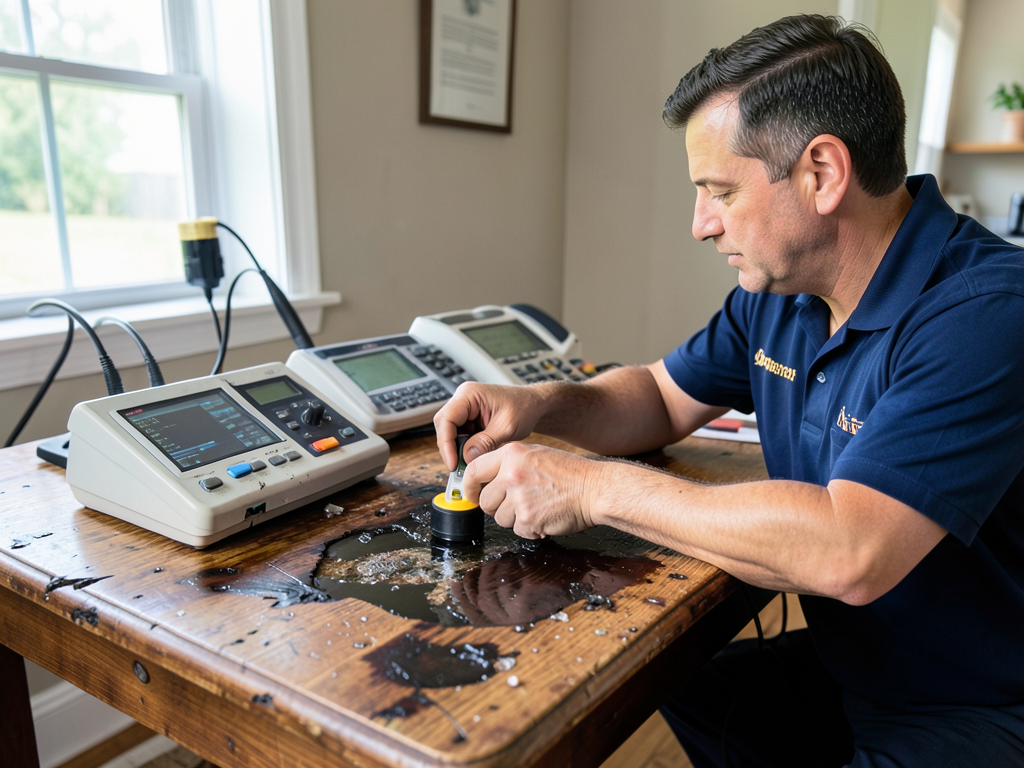

Remember, water damage decisions in Sunbeam homes require quick thinking and local knowledge. When in doubt, call the experts at Fortress Water Damage Restoration. Our team understands Jacksonville’s unique challenges and can help you make the right decisions for your home and belongings. Call (904) 839-6500 today to schedule your inspection or emergency response.. Read more about The right way to dry out a flooded East Arlington garage without attracting mold.
Don’t let water damage destroy your furniture and your peace of mind. With the right knowledge and professional help, you can save what matters most and restore your Sunbeam home to its former comfort.
You may also find this helpful. Getting Your San Marco Retail Shop Back in Business After a Water Disaster.