A sudden spike in your JEA water bill can be more than just a billing error. In Hyde Park’s older homes, that unexpected increase often points to hidden leaks that waste hundreds of gallons daily and can cause serious structural damage before you even see water. The sandy soil and humid climate in Jacksonville create perfect conditions for slow leaks to develop behind walls, under slabs, or in aging irrigation systems. Before you pay that inflated bill, you need to understand what that spike is actually telling you. JEA.
Why Hyde Park homes are vulnerable to hidden water leaks
Hyde Park’s charm comes from its historic architecture and mature trees, but those same features create unique plumbing vulnerabilities. Many homes built before 1980 in this neighborhood have cast iron or galvanized pipes that corrode from the inside out. The sandy Duval County soil allows water to drain quickly, so a small leak under your foundation might not create visible puddles for months. Combine that with Jacksonville’s 80%+ humidity and you have a recipe for hidden mold growth behind drywall before you ever notice a problem. Fast Flood Water Extraction for Jacksonville Beach Homeowners.
Local building patterns matter too. Hyde Park’s pier-and-beam foundations, common in homes built between 1940-1960, create crawl spaces where slow leaks can saturate wooden supports without showing on your floor. The area’s mature oak trees also mean extensive root systems that can crack aging clay sewer lines, causing both water waste and sewage backups that damage your foundation. Water Damage Restoration Neptune Beach.
The JEA billing pattern that should alarm you
Your JEA bill typically varies by about 10-15% month to month based on seasonal usage. But when you see a jump of 50% or more without changing your habits, that’s your first warning sign. Jacksonville’s average household uses about 6,000 gallons monthly. A toilet that’s silently running can waste 200 gallons daily, adding 6,000 gallons to your bill instantly. A small slab leak might drip 10 gallons hourly, totaling 7,200 gallons monthly.
JEA’s billing cycle runs every 28-32 days, and their meters measure in gallons. The leak indicator on your meter is a small triangle or wheel that spins when water flows. If it moves when all fixtures are off, you have a leak somewhere. Jacksonville’s water rates are tiered, so that extra 6,000 gallons doesn’t just double your bill—it can triple it when you hit the highest tier.. Read more about Removing Mold and Water from Behind Your Kitchen Backsplash Tiles.
Quick DIY test to confirm a hidden leak
Before calling a professional, you can verify if that bill spike is from a leak. First, locate your water meter box near the street. The meter has a leak indicator—usually a small red triangle or silver wheel. Make sure all water-using appliances are off, including ice makers and irrigation systems. If the leak indicator moves, water is flowing somewhere it shouldn’t.. Read more about How to Effectively Negotiate Your Water Damage Claim Settlement with the Adjuster.
For toilet leaks, which account for 30% of high bills in older Jacksonville homes, use the dye test. Add a few drops of food coloring to the tank, wait 15 minutes without flushing, and check if color appears in the bowl. That silent leak can waste 200+ gallons daily. Also check your water softener’s regeneration cycle—faulty timers can cause it to run continuously, dumping thousands of gallons into your drain.. Read more about Managing Water Damage Restoration for Medical Clinics and Dental Offices in Southpoint.
5 common culprits of high water bills in Hyde Park
- Running toilets – The most frequent cause. Flapper valves degrade from Jacksonville’s hard water, creating silent leaks that homeowners never hear.
- Irrigation system failures – Sprinkler valves stick open or pipes crack from soil movement. Hyde Park’s mature landscaping means extensive underground lines vulnerable to root damage.
- Water heater leaks – Tank-style heaters in Florida’s humid climate corrode faster. A small leak at the base can waste 50 gallons daily while damaging your floor.
- Slab leaks – Hot water lines under concrete foundations develop pinhole leaks from electrolysis. The sandy soil allows water to dissipate, hiding the problem until your bill arrives.
- Main line breaks – The pipe from your meter to the house can crack from soil settling or tree roots. These leaks often surface as soggy spots in your yard but can hide under concrete.
When a high bill means serious water damage
Not all leaks stay small. A 1/8-inch hole in a pressurized pipe releases 250 gallons per hour—that’s 180,000 gallons monthly, enough to fill a swimming pool. In Hyde Park’s older homes, that water often travels through wall cavities, saturating insulation and creating perfect mold conditions. By the time you see a stain on your ceiling, the damage inside could require complete drywall replacement.. Read more about Why Mobile Home Water Damage is More Critical Than Standard Houses in Maxville.
Slab leaks are particularly dangerous because they undermine your foundation. The constant moisture causes soil expansion and contraction, leading to foundation cracks that can cost $10,000+ to repair. The musty smell you notice might be active mold growth, which Florida law requires professional remediation for any area over 10 square feet.. Read more about Why Stucco Cracks are Causing Hidden Wood Rot in Your Southside Jacksonville Home.
Water damage also creates electrical hazards. Moisture in wall cavities can corrode wiring, creating fire risks. The combination of water, wood, and Florida’s heat accelerates rot, potentially making your home structurally unsound within months of a hidden leak starting. Removing Hidden Mold from Your Historic Riverside Home Safely.
Jacksonville’s climate makes detection harder
Florida’s high humidity masks many leak symptoms. That damp feeling in your carpet might seem normal until you realize it’s from a slow leak, not the weather. Jacksonville’s summer thunderstorms also create false positives—you might think a ceiling stain is from yesterday’s rain when it’s actually a chronic plumbing issue.
The area’s sandy soil compounds the problem. Water from a leak filters down quickly instead of pooling, so you might have a major leak without any surface water. This is especially true in Hyde Park where many homes sit on lots with poor drainage due to the area’s gentle slope toward the St. Johns River.. Read more about What Happens When Your Water Softener Fails and Floods Your Garage in Middleburg.
Temperature changes matter too. Florida’s mild winters mean pipes don’t freeze and alert you to problems, but they do expand and contract with the constant temperature swings, stressing connections and creating new leak points annually.
Professional leak detection: what we actually do
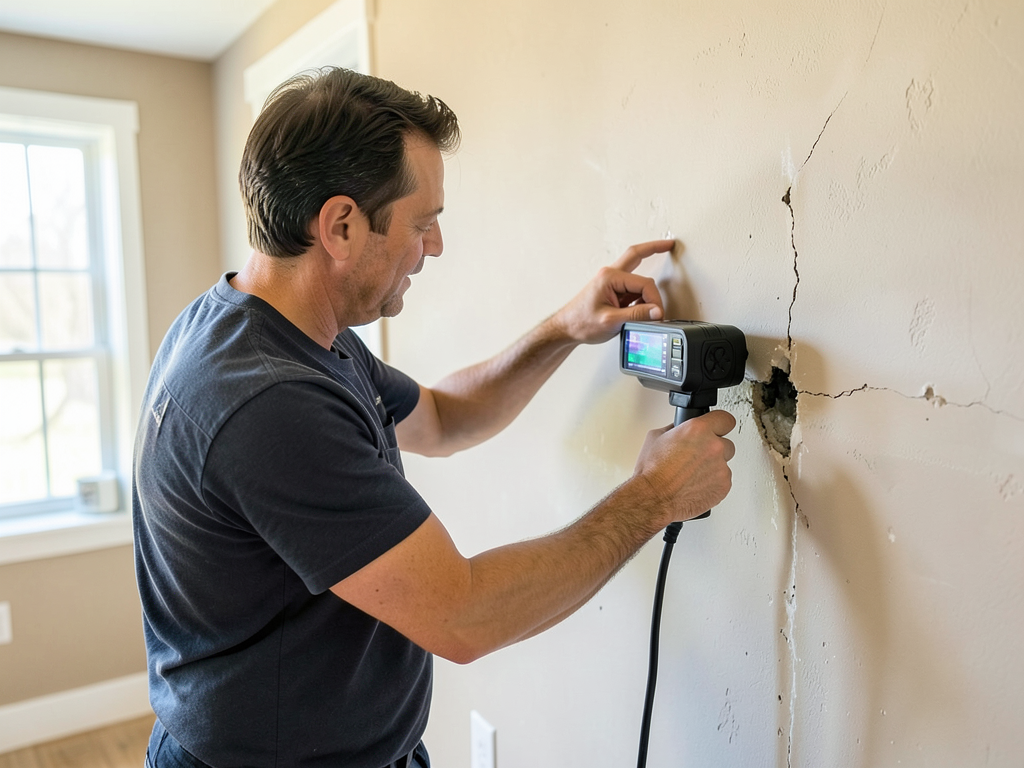
When you call Fortress Water Damage Restoration, we don’t just guess where the leak is. Our technicians use acoustic listening devices that can hear water moving through pipes from across the house. We employ thermal imaging cameras that show temperature differences behind walls—a cold spot might indicate a cold water leak, while a hot spot could be a slab leak from your hot water line.. Read more about Comparing thermal imaging and moisture meters for finding hidden leaks.
For severe cases, we use moisture meters to test wall cavities without cutting holes. These devices measure the electrical resistance of materials—wet drywall reads much lower than dry. We also use hydrostatic pressure testing, which isolates sections of your plumbing and pressurizes them to find where pressure drops indicate a leak.
Our process includes checking your JEA meter history to correlate usage patterns with your reported symptoms. We’ve found that homes with sudden 100%+ bill increases often have active leaks wasting 10,000+ gallons monthly. The average slab leak we find in Jacksonville wastes 7,200 gallons monthly and has been active for 3-6 months before discovery.
When to call a restoration expert vs. a plumber
A plumber fixes the leak source. A restoration expert like Fortress handles the damage aftermath. Call us when you see any of these signs: water stains on multiple walls, buckling hardwood floors, sagging ceilings, or visible mold growth. These indicate the leak has been active long enough to cause structural damage. Repairing Sagging or Water Damaged Ceilings in Springfield.
We also handle the insurance coordination. Most homeowner policies cover sudden, accidental water damage but not gradual leaks. Our documentation proves when the damage started, which is crucial for your claim. We work with all major insurers and can often bill them directly.
For Hyde Park specifically, we understand the historic district requirements. Any restoration work must preserve original materials when possible, and we have experience matching period-appropriate finishes. We also navigate the additional permitting often required for homes in designated historic areas.
Preventing future high bills and water damage
After we fix your current issue, prevention is key. Install smart water monitors that alert you to unusual usage patterns. These devices can detect a toilet running for more than 5 minutes and send you a smartphone alert. For irrigation systems, consider upgrading to WiFi controllers that adjust watering based on weather forecasts—critical in Jacksonville’s unpredictable rainy season.
Schedule annual plumbing inspections, especially for homes over 20 years old. A technician can check water pressure (anything over 80 PSI stresses pipes), inspect visible connections, and test your main shut-off valve. Many Hyde Park homes have original valves that are now stuck or corroded.
Consider repiping if your home still has galvanized pipes. The cost averages $4,000-$8,000 but prevents the repeated leaks and water damage that can cost $20,000+ to repair. Modern PEX piping resists corrosion and handles Jacksonville’s water chemistry better than older materials.
Understanding your insurance coverage
Florida’s insurance market has specific rules for water damage. Sudden pipe bursts are typically covered, but slow leaks often aren’t because they’re considered maintenance issues. The key is documentation. When we arrive, we create a detailed damage assessment with photos and moisture readings that establish when the damage began.
For mold, Florida requires licensed remediation for any area over 10 square feet. Your policy might have a separate mold sub-limit, often $5,000-$10,000. We can work within those limits by focusing on safety first and cosmetic repairs later. Some policies also exclude damage from earth movement, which can include foundation issues from chronic slab leaks.
We handle the claim process from start to finish. Our estimators prepare the scope of work that your adjuster needs to approve repairs. We’ve found that proper documentation increases claim approval rates by over 70% compared to homeowners submitting their own estimates.
Local resources for Hyde Park homeowners
Hyde Park residents can contact JEA directly about high bill investigations. They offer leak adjustments that can refund 50% of the excess charges if you repair the leak and provide documentation. The Jacksonville Historic Preservation Commission can advise on restoration requirements for homes in the historic district.
For immediate leak detection, call (904) 839-6500. Our emergency response team arrives within 2 hours for urgent situations. We’re familiar with Hyde Park’s unique architecture and can often diagnose problems on sight based on your home’s construction era and visible symptoms. Getting 24 Hour Emergency Water Extraction in Downtown Jacksonville.
Don’t wait for that small leak to become a major disaster. A sudden spike in your JEA bill is your home trying to tell you something. Listen to it before you’re dealing with mold, rot, and a much bigger repair bill than your water bill.
Frequently Asked Questions
How much water does a running toilet waste monthly?
A silently running toilet can waste 200 gallons daily, totaling 6,000 gallons monthly. At Jacksonville’s tiered rates, that single toilet could add $60-$100 to your bill beyond normal usage.
Can a slab leak cause foundation damage?
Yes. Constant moisture under your foundation causes soil expansion and contraction, leading to cracks that can cost $10,000+ to repair. The sandy Duval County soil allows water to dissipate, hiding the problem until major damage occurs.
Will my insurance cover water damage from a hidden leak?
It depends on your policy and when the damage started. Sudden bursts are usually covered, but slow leaks often aren’t because they’re considered maintenance issues. Proper documentation of when the damage began is crucial for your claim.
How quickly should I respond to a high water bill?
Immediately. A leak that’s been active for 3-6 months can cause extensive mold and structural damage. The average slab leak we find has been wasting 7,200 gallons monthly before discovery.
What’s the first step when I get a high JEA bill?
Check your water meter’s leak indicator when all water is off. If it moves, you have a leak. Then test toilets with dye and check obvious sources like irrigation systems before calling a professional. For more information, visit IICRC.
You may also find this helpful. Saving Your Engineered Wood Floors from Cupping After a Leak in Mandarin.
You may also find this helpful. Is a Tree Root Clogging Your Main Line and Flooding Your Murray Hill Yard?.