Is DIY water damage repair worth the risk for your Atlantic Beach home?
Water damage in Atlantic Beach homes often starts small but can quickly escalate into major structural problems. The humid coastal air that makes our beaches beautiful also creates perfect conditions for mold growth within 24-48 hours of water exposure. While grabbing a shop vac and fans might seem like the obvious first step, the reality is that DIY water damage repair can cost you thousands more than calling a professional from the start. EPA mold information.
Atlantic Beach’s unique coastal environment presents challenges that most homeowners don’t anticipate. Salt air accelerates corrosion of electrical systems. Sandy soil around foundation walls allows water to seep in from multiple directions. And our average summer humidity levels hovering around 80% mean that water trapped in walls or under flooring won’t dry naturally like it might in drier climates. Fast Flood Water Extraction for Jacksonville Beach Homeowners.
Before you decide to tackle water damage yourself, understand what you’re really facing. Category 1 clean water from a broken supply line becomes Category 2 gray water within 48 hours as bacteria begins to multiply. That same water becomes Category 3 black water within 72 hours, potentially containing harmful pathogens. The clock is ticking from the moment water touches your home. Water Damage Restoration Neptune Beach.
Let’s examine what professional water damage restoration involves and when DIY efforts become dangerous liabilities rather than cost-saving solutions.. Read more about Professional Sewage Backup Cleanup Services for Southside Residents.
Understanding Water Categories and Their Risks
Not all water damage is created equal. The Institute of Inspection Cleaning and Restoration Certification (IICRC) establishes three categories of water that determine the appropriate response level.. Read more about When to patch and when to replace water damaged drywall in your home.
| Water Category | Source Examples | Health Risk | DIY Safety Level |
|---|---|---|---|
| Category 1 | Broken supply line, rainwater | Low | Limited – 24-48 hours max |
| Category 2 | Appliance overflow, toilet overflow (no feces) | Moderate | High risk – professional needed |
| Category 3 | Sewer backup, flood water, standing water over 48 hours | High – contains pathogens | Never DIY – immediate professional required |
Atlantic Beach homes face unique challenges because Category 1 water can quickly become Category 3 due to our high water table. Water that appears clean may contain salt water intrusion or septic system contaminants common in our coastal environment.. Read more about How to Choose the Best Water Damage Restoration Company in Jacksonville.
The Hidden Dangers Lurking Behind Walls
Water travels along the path of least resistance, often moving through wall cavities, under flooring, and into adjacent rooms before you notice visible signs. By the time you see water stains on your ceiling, the damage above may be extensive.. Read more about Does water damage under bathroom tiles always require a full tear-out?.
Professional restoration technicians use moisture meters that read through building materials to detect water you cannot see. A standard moisture reading for drywall should be below 12%. Readings above 16% indicate active moisture that requires intervention.. Read more about Decoding a water damage restoration estimate so you don’t overpay.
Common hidden damage areas in Atlantic Beach homes include: Removing Hidden Mold from Your Historic Riverside Home Safely.
- Subfloor moisture beneath hardwood or laminate flooring
- Wall insulation that acts like a sponge, holding water for weeks
- Electrical wiring corrosion in wall cavities
- Foundation cracks that allow continuous water intrusion
- Attic moisture from roof leaks that travels down walls
Without proper detection equipment, you’re essentially guessing where the water went. This guesswork often leads to incomplete drying, creating perfect conditions for mold growth in hidden spaces.. Read more about How to find a hidden pipe leak in your Murray Hill bungalow before it ruins the floor.
Why Atlantic Beach Humidity Makes DIY Drying Nearly Impossible
Jacksonville’s coastal location creates a unique drying challenge. Our average relative humidity ranges from 70-90% during summer months. When outdoor air contains that much moisture, it cannot effectively absorb water from your home’s materials.
Professional drying requires manipulating the psychrometric properties of air – the relationship between temperature, humidity, and moisture content. This involves:
- Creating a vapor pressure differential between wet materials and dry air
- Maintaining air temperatures between 70-90°F for optimal evaporation
- Using dehumidifiers that can handle our high ambient humidity levels
- Monitoring moisture content until materials reach safe drying goals
Consumer-grade dehumidifiers typically remove 30-70 pints of water per day. Professional-grade equipment can remove 150-200+ pints daily, essential for handling the moisture load in Atlantic Beach homes after significant water events.
Essential Tools You Cannot Rent at the Big Box Store
Successful water damage restoration requires specialized equipment that goes far beyond what’s available at rental centers. Professional restoration companies invest in:
| Professional Equipment | Consumer Alternative | Effectiveness Gap |
|---|---|---|
| Infrared thermal imaging cameras | Visual inspection only | Detects moisture through walls without demolition |
| High-velocity air movers (3,000+ CFM) | Box fans (200-400 CFM) | 15x more air movement for faster evaporation |
| Desiccant dehumidifiers | Refrigerant dehumidifiers | Effective in low-temperature/high-humidity conditions |
| Moisture meters with multiple probe types | Visual/ touch assessment | Quantifies moisture content in specific materials |
The cost to purchase this equipment for a single use often exceeds the price of professional service. Additionally, without proper training, you risk using the equipment incorrectly, potentially causing more damage.
Common DIY Mistakes That Cost Thousands
Homeowners attempting DIY water damage repair often make critical errors that compound the original problem. Here are the most expensive mistakes we see in Atlantic Beach:
Insufficient Drying Time
Many homeowners stop drying once surfaces feel dry to the touch. However, materials like hardwood flooring can hold moisture in the bottom layers for weeks. Professional drying typically takes 3-5 days minimum, sometimes longer for dense materials.
Improper Antimicrobial Treatment
Store-bought antimicrobial sprays may kill surface mold but cannot penetrate porous materials where mold spores hide. Professional treatments use commercial-grade products applied at specific concentrations and dwell times.
Electrical System Neglect
Water and electricity create lethal combinations. DIY efforts often miss corroded wiring behind walls or water-damaged electrical panels. The National Electrical Code requires specific testing and replacement protocols for water-exposed electrical components.
Structural Assessment Oversight
Water weakens building materials long before they show visible signs of failure. DIY repairs often miss compromised structural elements that require professional engineering assessment. Sump Pump Failure Cleanup.
When DIY Makes Sense – And When It’s Dangerous
Limited DIY intervention can be appropriate for very small, contained incidents if addressed immediately. Consider these scenarios:
- Category 1 Water Only
Clean water from a broken supply line, addressed within 24 hours, in a small area (under 100 square feet).
- Complete Personal Protective Equipment
N95 respirator, gloves, eye protection, and waterproof boots. No exceptions.
- Proper Extraction Tools
Wet vacuum rated for water removal, not just a standard shop vac.
- Industrial Fans and Dehumidifiers
At least two high-velocity fans and a commercial dehumidifier capable of handling the room size.
- Moisture Monitoring
Purchase or rent a moisture meter to verify materials reach safe drying levels.
Even in these limited scenarios, know your limits. If water has been present more than 24 hours, affects multiple rooms, or involves any gray or black water, professional help is mandatory.
The Atlantic Beach Factor: Local Conditions That Complicate DIY
Atlantic Beach’s coastal location creates specific challenges that most DIY guides don’t address. Our proximity to the Atlantic Ocean means salt water intrusion is a constant threat, even during minor flooding events.. Read more about Saltwater vs freshwater flooding and what it means for your Mayport property.
Local building codes in Duval County require specific flood-resistant construction methods for homes in flood zones. DIY repairs that don’t meet these standards can result in failed inspections and insurance claim denials.
The St. Johns River’s tidal influence affects groundwater levels throughout Atlantic Beach. Homes built on slab foundations often have water tables within a few feet of the surface, making basement-style flooding more common than in other Florida areas.
Local termite activity also increases after water events. Damp wood becomes prime termite habitat within days. Professional restoration includes inspection protocols that DIY efforts miss.
Cost Comparison: DIY vs. Professional Restoration
While DIY might seem cheaper upfront, the true cost comparison reveals a different story when you factor in equipment rental, your time, and potential mistakes.
| Restoration Component | DIY Cost Range | Professional Cost Range | Key Difference |
|---|---|---|---|
| Equipment Rental (3-5 days) | $300-600 | Included | Professional equipment is more effective |
| Moisture Detection | $50-100 (purchase) | Professional assessment included | Professionals detect hidden moisture |
| Antimicrobial Treatment | $100-200 (store products) | $200-400 (commercial grade) | Professional products more effective |
| Structural Assessment | DIY guesswork | $150-300 | Identifies hidden structural damage |
| Insurance Documentation | DIY photos | Professional documentation | Critical for claim approval |
| Total Estimated Cost | $550-900 | $2,000-4,000 | Professional includes warranty and insurance help |
The critical factor often missed in DIY cost calculations is what happens when you miss hidden moisture. Mold remediation costs typically range from $2,000 to $10,000, often making the initial DIY savings irrelevant.
Insurance Implications of DIY Water Damage Repair
Insurance companies scrutinize water damage claims closely. DIY efforts can actually harm your claim in several ways:. Read more about How long does it actually take to dry out a house in North Florida?.
Most homeowners policies require you to take reasonable steps to mitigate damage. However, they also expect professional-level intervention for significant events. DIY efforts that appear inadequate may lead insurers to question whether you fulfilled your policy obligations.
Insurance adjusters look for specific documentation that DIY efforts rarely provide. Professional restoration companies document moisture readings, drying progress, and damage extent using standardized protocols that insurance companies recognize.
Many policies exclude mold damage if it results from your failure to properly address the initial water event. This exclusion can leave you paying for extensive mold remediation out of pocket.
Commercial drying equipment creates visible evidence of professional intervention. DIY efforts using household fans leave no such proof, potentially making it harder to prove the extent of your mitigation efforts.
Health Risks You Cannot See
Water damage creates health hazards that extend far beyond visible mold growth. Understanding these risks helps explain why professional intervention matters.
Category 3 water contains pathogens including E. coli, salmonella, and hepatitis viruses. These microorganisms can survive on surfaces for weeks without proper disinfection. Professional restoration uses EPA-registered disinfectants at specific concentrations proven to eliminate these pathogens.
Standing water creates breeding grounds for bacteria that produce endotoxins. These compounds can cause respiratory issues even after the water is gone. Professional air quality testing can detect these hazards that DIY cleaning misses.
Atlantic Beach’s warm climate accelerates microbial growth. What might take weeks to develop in cooler climates can establish itself in days here. The combination of warmth and humidity creates exponential growth patterns that overwhelm DIY cleaning efforts.
Professional restoration technicians wear personal protective equipment (PPE) that includes respirators, chemical-resistant suits, and eye protection. This equipment isn’t just for show – it protects against hazards you cannot see or smell.
Time is Your Enemy: The 48-72 Hour Window
Water damage follows a predictable timeline that makes immediate action critical:
- 0-24 hours: Water spreads through materials, absorbs into porous surfaces
- 24-48 hours: Mold spores begin germinating in warm, moist environments
- 48-72 hours: Visible mold growth appears, structural materials weaken
- 72+ hours: Category 1 water becomes Category 3, health risks escalate
Every hour of delay increases both the scope of damage and the cost of restoration. Professional restoration companies maintain 24/7 emergency response teams because they understand this critical timeline. Getting 24 Hour Emergency Water Extraction in Downtown Jacksonville.
DIY efforts often involve delays while you research, purchase equipment, or wait for friends to help. These delays can transform a manageable water event into a major restoration project.
Professional Restoration: What You’re Actually Paying For
Understanding what professional services include helps explain their value. A comprehensive water damage restoration project involves:
- Emergency Response – 24/7 availability with arrival typically within 2 hours
- Damage Assessment – Using moisture meters, thermal imaging, and visual inspection to map the extent
- Water Extraction – Using truck-mounted or portable extraction units that remove water far more efficiently than shop vacs
- Demolition and Removal – Safely removing materials that cannot be salvaged
- Structural Drying – Using industrial equipment and monitoring until materials reach safe moisture levels
- Cleaning and Sanitizing – Using EPA-registered antimicrobials appropriate for the contamination level
- Monitoring and Documentation – Daily moisture readings and documentation for insurance purposes
- Reconstruction – Restoring your home to pre-loss condition
Each step requires specific training and equipment. Attempting to replicate this process yourself often results in incomplete restoration and future problems.
Red Flags That Signal You Need Professional Help Immediately
Certain situations demand immediate professional intervention. Call for help if you encounter:
- Water that has been present more than 24 hours
- Any signs of mold growth
- Water from overhead sources (ceilings, upper floors)
- Sewer or flood water involvement
- Electrical systems that may have been affected
- Structural damage or sagging materials
- Water affecting more than one room
- Water that has penetrated wall cavities or under flooring
These situations involve risks that extend beyond property damage to include serious health and safety hazards.
Making the Right Choice for Your Atlantic Beach Home
DIY water damage repair might seem like a cost-saving option, but the hidden risks often make it the more expensive choice. Consider these factors when deciding:
Time Sensitivity: Can you respond immediately with proper equipment? Delays increase damage exponentially.
Hidden Damage: Do you have the tools to detect moisture in walls, under floors, or in other concealed areas?
Health Risks: Are you prepared to handle potentially contaminated water and the respiratory hazards of mold?
Insurance Requirements: Do you understand what documentation your insurance company requires for claim approval?
Long-term Costs: Are you factoring in the potential cost of missed damage, including mold remediation and structural repairs?
For most Atlantic Beach homeowners, the answer becomes clear when considering these factors. The peace of mind that comes from professional restoration often outweighs the initial cost savings of DIY efforts.
Water damage doesn’t wait for convenient timing. When disaster strikes, having a professional team ready to respond can mean the difference between a quick recovery and months of ongoing problems.
Frequently Asked Questions
How much does professional water damage restoration cost in Atlantic Beach?
Professional water damage restoration costs typically range from $2,000 to $10,000 depending on the extent of damage, with most jobs falling between $3,000 and $5,000. Factors affecting cost include water category, affected area size, and required demolition. Most companies provide free estimates and work directly with insurance companies.
Will my homeowners insurance cover water damage?
Most standard homeowners policies cover sudden and accidental water damage from internal sources like burst pipes. However, they typically exclude gradual damage, flood damage, and sewer backups. Many policies also limit or exclude mold damage. Professional restoration companies can help document damage to support your insurance claim.
How long does the water damage restoration process take?
The drying process typically takes 3-5 days, though complex jobs may require 7-10 days. The complete restoration process, including reconstruction, usually takes 2-4 weeks depending on the extent of damage and material availability. Emergency water extraction and initial setup can begin within hours of your call.
Can I stay in my home during water damage restoration?
This depends on the damage extent and affected areas. If water damage is limited to one area and utilities remain safe, you may be able to stay. However, for extensive damage, contamination concerns, or when dehumidifiers create noise issues, temporary relocation is often recommended for comfort and safety.
What should I do immediately after discovering water damage?
Safety first – shut off electricity to affected areas if safe to do so. Stop the water source if possible. Remove valuable items from affected areas. Document damage with photos for insurance. Then call a professional restoration company immediately. Every hour of delay increases damage and restoration costs.
Don’t Let Water Damage Destroy Your Home’s Value
Water damage in Atlantic Beach homes requires immediate, professional attention. The combination of our coastal humidity, salt air, and high water table creates conditions where DIY efforts often fail, leading to mold growth, structural damage, and decreased property values.
Professional restoration technicians bring industrial-grade equipment, proper safety protocols, and insurance documentation expertise that DIY efforts cannot match. They understand local building codes, handle insurance claims efficiently, and provide warranties on their work.
When water threatens your Atlantic Beach home, don’t gamble with DIY repairs that could cost you thousands more in the long run. Call (904) 839-6500 today to schedule your inspection. Our 24/7 emergency response team will arrive quickly to assess damage, begin mitigation, and protect your home from further harm.
Pick up the phone and call (904) 839-6500 before the next storm hits. Your home deserves professional protection, not risky DIY experiments that could cost you everything.
Water damage waits for no one. Don’t let it destroy your Atlantic Beach home’s value and your family’s health. Call (904) 839-6500 now for immediate professional help.
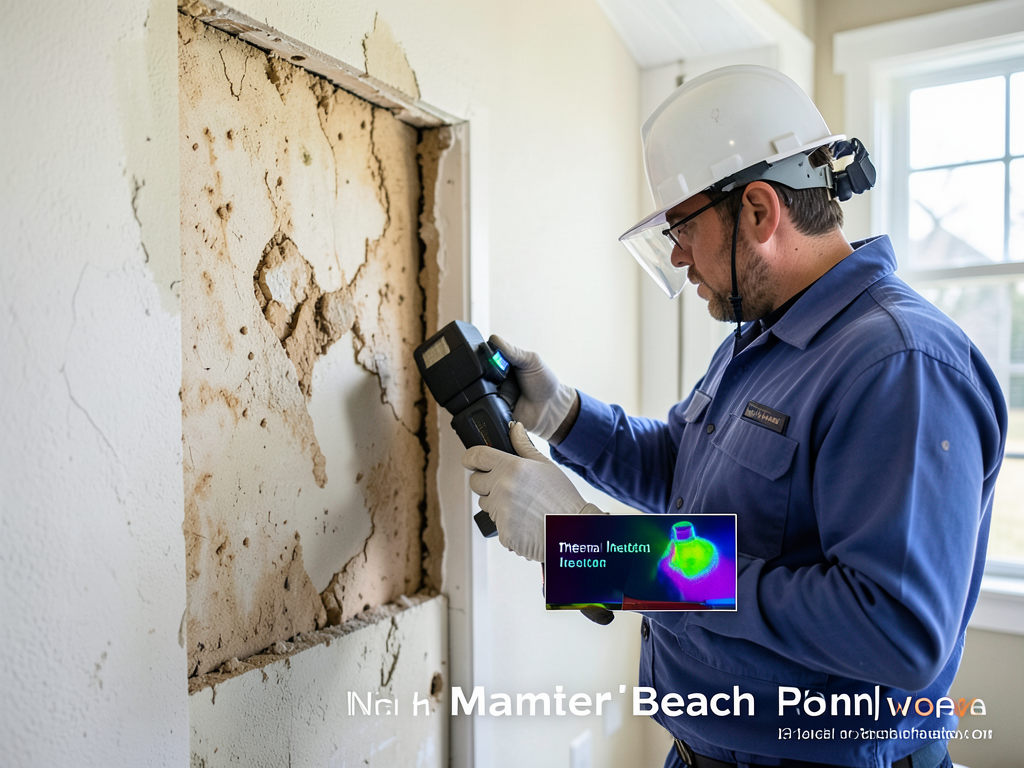
Diagram showing moisture migration patterns through building materials and hidden water pathways behind walls and under flooring.
Professional restoration technician using thermal imaging camera to detect hidden moisture in wall cavities and under flooring materials.
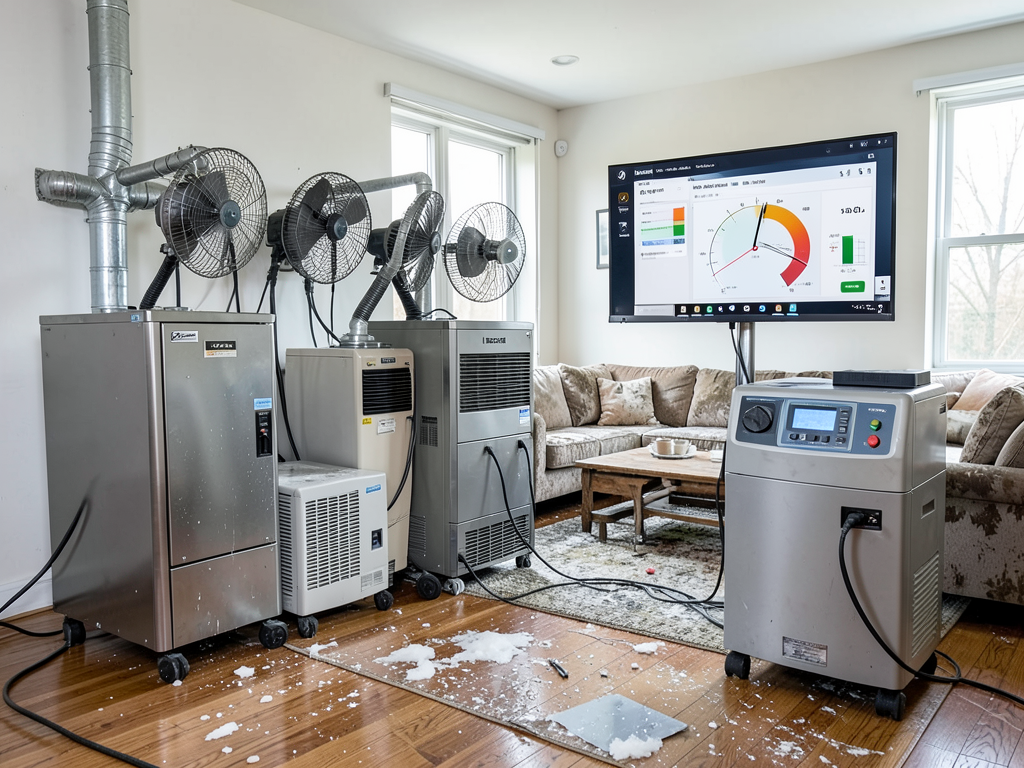
Industrial drying equipment setup showing air movers, dehumidifiers, and moisture meters monitoring the restoration process. For more information, visit FEMA flood insurance information.
You may also find this helpful. Five plumbing maintenance tasks to prevent flooding in your Deerwood estate.